Located in the heart of the Central Department, Capiatá is a vibrant suburban hub closely connected to the rhythm of Paraguay's capital. With a population of about 224,000, this city is an essential part of the metropolitan area. Although many perceive it as a "bedroom community" of Asunción, Capiatá possesses its own unique character, where traditions of hospitality intertwine with the modern dynamics of a residential district.
Geographically, the city occupies a strategic position, bordering seven other municipalities in the department. This makes it an important transit point through which the region's main transport arteries pass. The atmosphere here is typical of a Paraguayan suburb: cozy residential neighborhoods sit alongside small commercial zones, creating an environment focused on the daily life of its residents.
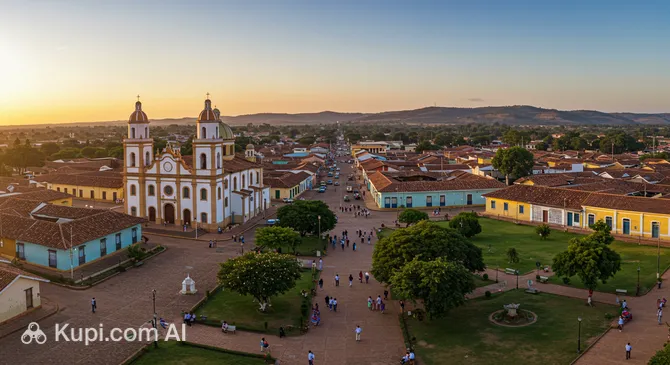
Capiata. Illustration.
Source: Kupi.com AI
While the city is not a classic tourist center, its historical heritage and cultural features deserve attention. One of the city's main gems is the Ramon Elias Mythological Museum, where you can encounter the mysterious legends of the Guaraní. Capiatá invites travelers to see the real Paraguay — unpretentious, sincere, and hardworking.
Weather Overview
The climate in Capiatá is classified as subtropical, which means hot and humid summers and very mild winters. During the summer, which lasts from December to March, average temperatures often exceed 30°C, creating conditions that require getting used to high humidity. According to city climate data, the hottest month is January, when the thermometer frequently reaches 33°C.
The winter months, falling in June and July, bring welcome coolness with comfortable average temperatures around 18–19°C. This time is considered the most favorable for walks and excursions, as the heat subsides and the air becomes drier. However, even in winter, there are warm days when temperatures rise above 23°C.
Rainfall in the region is unevenly distributed. The rainiest periods are October and November, when monthly rainfall can reach nearly 200 mm. During this time, strong thunderstorms typical of the Central Department are possible. In winter, there is significantly less rain, which should be considered when planning a trip to this hospitable corner of Paraguay.
Average monthly temperature
Average monthly precipitation
Interesting Facts
Capiatá holds a unique record in the Central Department as the only city that borders seven other cities simultaneously, including Areguá and Luque.
The city is home to the football club Deportivo Capiatá, which became famous for its performances in national cups and the Copa Paraguay, becoming a symbol of local pride.
One of the few FamilySearch centers in the region is located here — a specialized genealogical center open to anyone wishing to research their ancestry.
The city is an important hub for the cooperative movement: the local Cooperativa Capiata is so well-developed that it has its own mobile app for its members' financial transactions.
How to Get There
The transport accessibility of Capiatá makes it a convenient destination for those based in Paraguay's capital. The city is located just 20–30 kilometers from Asunción, and getting here is easy. If you want to learn more about routes and logistics, it is worth checking tips on how to best get to Capiatá to save travel time.
The primary mode of transport is regular bus routes following the Ruta 2 highway. A public transport trip from the capital takes between 30 and 60 minutes, depending on traffic. Ticket prices are very affordable, and buses run from early morning until late evening. You can also always use a taxi or a private car — outside of peak hours, such a trip will take about 20–40 minutes.
For travelers arriving from further away, the nearest air gateway is the international airport located in the neighboring city of Luque. The distance to it is about 15–20 kilometers, allowing you to reach the center of Capiatá by taxi in about half an hour.
Rail connections in this area are currently not developed for passenger transport, so the main focus should be on road transport. However, the developed road network of the Central Department makes it easy to plan trips to neighboring cities in the metropolitan area.
Station
Passenger traffic
Distance
Formosa train station
3
117 km
Apeadero Posadas train station
2
273 km
Resistencia train station
3
280 km
Resistencia train station
3
280 km
Main Attractions
Although Capiatá is primarily known as a residential area, it hides places that can surprise the curious traveler. The city's main cultural pride is the Ramon Elias Mythological Museum (Museo Mitológico Ramón Elías). This unique private collection is dedicated to the folklore and beliefs of the Guaraní people. Visitors can see sculptures and masks depicting creatures from local legends, making it a must-visit for anyone who wants to understand the deep roots of Paraguayan culture.
The centers of the city's social life are its municipal plazas and markets. While there are no grand architectural monuments, you can feel the authentic rhythm of life in a Paraguayan suburb. A stroll through the central streets allows you to observe the everyday life of the citizens and see bright examples of local architecture, where every courtyard is decorated with flowers and greenery.
For those interested in modern culture and sports, an important site is the local stadium, where the Deportivo Capiatá football club trains and plays its matches. On match days, the atmosphere around the stadium becomes incredibly energetic, bringing together hundreds of fans. This is a great way to see the Paraguayans' passion for football, which is felt almost like a religion here.
Local Cuisine
The culinary scene of Capiatá is a classic embodiment of Paraguayan traditions, where meat, corn, and cassava play the leading roles. Strolling through the city, you will definitely catch the aroma of asado — the famous grilled meat prepared here with special skill. The local cuisine is simple, filling, and incredibly authentic, catering primarily to the tastes of the residents themselves.
You must try the traditional sopa paraguaya, which, despite its name, is not a soup but a savory corn cake with cheese and onions. For a snack, chipa — fragrant cheese rolls made from cassava starch, sold on literally every corner — are perfect. To quench your thirst on a hot afternoon, follow the locals' lead and try tereré, a cold infusion of yerba mate that Paraguayans drink from special vessels through a straw.
Dining culture in the city is centered around cozy locandas and street stalls. If you are looking for a tried-and-tested spot, stop by the La Cueva del Lomito restaurant. This establishment specializes in "lomito" — huge sandwiches with juicy meat, egg, and vegetables, considered the kings of local fast food. The atmosphere in such places is always friendly, and the portions allow for a hearty meal before further exploration of the area.
Travel Tips
Visiting Capiatá will allow you to see Paraguayan life without tourist filters, and to make your trip comfortable and safe, use these practical tips.
Clothing and Essentials: Choose light clothing made from natural fabrics, as it is often hot and humid here. Don't forget comfortable walking shoes and sunglasses. For visiting churches or museums, a neat casual style is sufficient; there is usually no strict dress code.
Transport: The main transport is buses toward Asunción. Getting around the city is more convenient by taxi, especially in the evening. If you plan active trips around the region, consider renting a car at the airport.
Finance: The official currency is the Paraguayan Guaraní. Large stores may accept cards, but in small shops and buses, only cash is needed. It's best to look for ATMs in the central part of the city or in banks.
Health and Safety: Capiatá is a quiet suburb, but observe general precautions: do not walk alone in unlit outskirts at night and watch your personal belongings in crowded places.
Communication: The main languages are Spanish and Guaraní. English is rarely found outside of hotels and museums, so learn a few basic phrases in Spanish or use an offline translator.
Local Etiquette: Paraguayans are friendly people. A "Buenos días" greeting and a smile will open many doors. Be prepared for life to move slowly here.
What to Avoid: You shouldn't display expensive gadgets or large amounts of money in public places. Also, avoid walking through remote residential sectors without a local guide.
Extra Tip: Be sure to try tereré with the locals — it's the best way to start a conversation and feel like part of the Paraguayan community.
May your introduction to Capiatá be filled with interesting discoveries and warm encounters with true Paraguayan hospitality!
Entertainment & Nightlife
Nightlife in Capiatá is characterized by tranquility and a homey feel, typical of a residential suburb. You won't find noisy mega-clubs with world-class DJs here — the local crowd prefers to spend evenings with family or engaged in slow conversations at local establishments. Most activity after sunset is concentrated in small bars and cafes along the main roads, serving cold drinks and snacks.
One of the most popular spots for evening relaxation is La Cueva del Lomito. This place is famous for its meat sandwiches and relaxed atmosphere, attracting both young people and families with children. In the evenings, groups often gather here to discuss the latest news accompanied by traditional music or football match broadcasts.
If you are looking for larger-scale fun, concerts, or modern cinemas, residents usually head to neighboring Asunción or Luque. The drive to the capital takes only 20–30 minutes, making it easy to combine suburban peace with the vibrant entertainment of the big city. When planning night trips, it is recommended to use reliable taxi apps to ensure a comfortable and safe journey home.
Parks & Museums
Despite the dense suburban development, Capiatá has places where history and traditions come alive in the silence of museum halls. The main point of interest for tourists is the Ramon Elias Mythological Museum. This unusual place is dedicated to creatures from Guaraní legends: here you can see unique sculptures of Pombero, Jasy Jatere, and other folklore characters. The museum is considered one of the most original in the region and helps guests gain a deeper understanding of the spiritual world of the Paraguayan people.
Regarding green zones, there are few classic large parks in the city itself. Greenery is mainly represented by small squares and cozy plazas that serve as relaxation spots for local families. Capiatá residents often use the open spaces around municipal buildings and stadiums for fresh-air walks.
For those looking for large-scale natural parks or botanical gardens, a trip to neighboring Asunción or to the shores of Lake Ypacaraí in Areguá would be a good solution. However, Capiatá attracts specifically with its intimate mythological museum, which is a true cultural magnet and sets the city apart from other suburbs of the capital.
Getting Around
The transport system of Capiatá is heavily focused on connections with the capital and neighboring cities of the Central Department. The main form of public transport here is the bus. Numerous routes pass through the city along the Ruta 2 highway, providing residents and guests with regular service. This is an affordable and popular way to get around, though it's worth noting that buses can be crowded during peak hours, and travel time increases significantly due to traffic jams.
Inside the city itself, the public transport network is less dense, so locals often use taxis or private cars for short trips. Taxi services operate reliably, but it's worth remembering that familiar global apps like Uber are better hailed from Asunción — their availability within Capiatá itself may be limited. Bus fares are paid in cash, so it's always useful to have small Guaraní bills with you.
Pedestrian infrastructure in the city is less developed than in the central districts of the capital, so long walks along main roads might not be very comfortable. Bicycles are rarely used, and there is almost no specialized rental. For a tourist, the best advice is to plan travel by bus during the day and prefer taxis in the evening for maximum safety and comfort.
Accommodation
The accommodation market in Capiatá has specific characteristics due to its status as a residential suburb. You won't find large premium hotel chains or luxury resort complexes here. Instead, the city offers options geared toward long-term stays or budget travelers who value proximity to the region's educational or business facilities.
One of the best-known accommodation options is the Hotel Universitario. This establishment is popular due to its location and focus on students and their families, as well as those looking for simple and functional housing at an affordable price. Otherwise, the hotel stock consists of small guest houses and private apartments that can be found on popular rental services.
If you plan to visit the city during local holidays or important sporting events, it is recommended to book your accommodation in advance. For those who prefer a wider selection of hotels with star ratings and swimming pools, it is better to consider options in neighboring Asunción, using Capiatá as a point for day trips.
Nearby Cities
Thanks to its location in the center of a densely populated department, Capiatá is an excellent starting point for short trips. The city's surroundings offer many interesting destinations, from colonial architecture to folk craft centers, all reachable in just 15–30 minutes.
Just a few kilometers away is San Lorenzo, known for its majestic Neo-Gothic cathedral and lively university campus. For art and nature lovers, Areguá is a must-see — a picturesque town on the shores of Lake Ypacaraí, famous for its ceramics and strawberry plantations. It's also worth visiting Itauguá, where you can see the creation of the famous "ñandutí" lace.
Don't forget the proximity to cities like Luque, home to the CONMEBOL headquarters and the Football Museum, as well as Fernando de la Mora. The variety of nearby locations allows you to discover a new facet of Paraguayan culture every day, returning in the evening to the peaceful atmosphere of Capiatá.
Shopping & Souvenirs
Shopping in Capiatá is primarily an introduction to local flavor and the daily habits of Paraguayans. There are no giant glittering malls in the city, but trade flourishes in small markets and family shops. The main shopping points are concentrated around the central plazas and along the main transport artery, where you can find everything you need, from food to household goods.
The main places for shopping are the municipal markets, where a lively atmosphere prevails. It is worth paying attention to local delicacies here: fresh chipa, various types of yerba mate, and traditional sweets. If you are looking for something special as a keepsake, look for leather goods or simple handmade souvenirs often brought from neighboring craft centers.
Shops in the city usually operate from early morning until evening, with a mandatory siesta break during the hottest hours. For serious shopping with international brands and food courts, Capiatá residents usually head to the shopping centers of Asunción. Most small shops accept cash in the local currency (Guaraní), so tourists are recommended to always carry some paper money.