Support

Panglao

About

Panglao is a true tropical paradise, beckoning travelers from all over the world with its idyllic landscapes and relaxed atmosphere. Located on the island of the same name off the southern coast of Bohol, this Filipino town is famous for its turquoise waters, white sandy beaches, and lush greenery. Panglao is part of the island nation of the Philippines and offers the perfect blend of seclusion and accessibility.
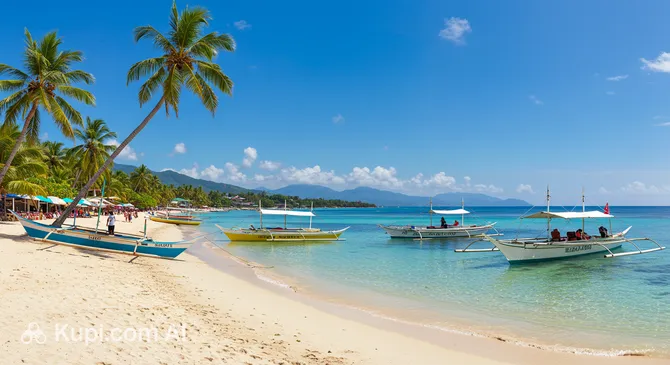
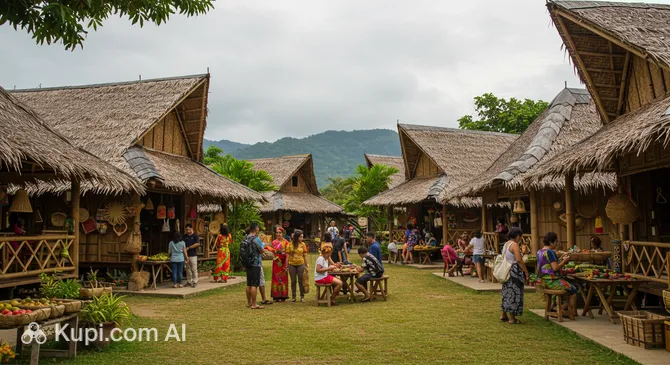
Panglao. Illustration.
Source: Kupi.com AI

Thanks to a bridge connecting the island to the larger city of Tagbilaran, Panglao serves as a convenient starting point for exploring the region, including the famous island of Bohol. Despite its popularity, the town, with a population of about 40,000 people, has managed to maintain the charm of a cozy getaway where it's easy to forget the hustle and bustle of city life. Administratively, Panglao is part of the province of Bohol and is considered one of the main gems of the central part of the Philippine archipelago.

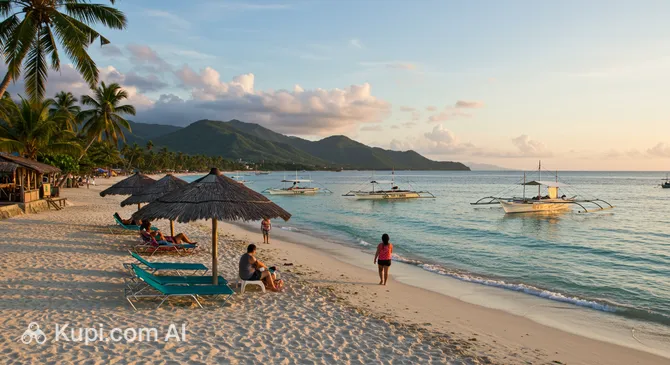
Panglao's main draws are undoubtedly its beaches. The famous Alona Beach and the equally beautiful Dumaluan Beach, with their soft sand and coconut palms, are ideal for a serene vacation. Underwater enthusiasts will find colorful coral reefs and rich marine sanctuaries that attract divers from around the globe. Additionally, the island offers explorations of mysterious caves and picturesque mangrove forests. In the evenings, the waterfronts come alive with music, while local restaurants serve the freshest seafood.

Panglao is a place where everyone will find something to their liking, whether it's an active holiday or complete relaxation in the heart of nature. If you dream of an unforgettable vacation surrounded by tropical beauty, be sure to consider Panglao for your next trip.

You can find more interesting facts on the Panglao city history page.
Weather Overview

In Panglao, you can expect classic tropical weather, comfortable for a vacation year-round. The average monthly air temperature remains stable in the range of 26.4°C (in January and February) to 28.1°C (in May). Rainfall is relatively low: the driest months are March and April (about 4 mm), and the wettest are October and December (about 9 mm). Expect consistently warm weather here: daytime temperatures are usually in the 28-30°C range, and nighttime temperatures rarely drop below 24-25°C. Frequent but often short-lived tropical showers are characteristic, as the number of rainy days is high almost all year round (from 17 days in April to 29 days in October). To learn more about the climate features and choose the best time for your trip, visit our weather in Panglao page.

Average monthly temperature

Average monthly precipitation

Interesting Facts

Beyond its famous beaches and crystal-clear water, Panglao hides many surprising stories and unique places that not all travelers know about. This charming island in Bohol province is full of surprises!

Alona Beach. Illustration.
Source: Kupi.com AI

Traveler photos:

  • Panglao Island is rightfully considered one of the best in the Philippines, holding a place of honor in beach destination rankings. Despite its modest size – only about 15 by 5 kilometers – it amazes with its natural diversity and offers a wealth of activities, including the famous Alona Beach.

  • In the north of the island, you can touch history by visiting the ancient Dauis Watchtower and the Catholic Church of Our Lady of the Assumption. Both structures date back to the 19th century and miraculously survived a devastating earthquake in 2013, continuing to preserve the spirit of the past.

  • Fans of unusual collections will be impressed by the Nova Shell Museum. It features one of the largest collections of sea shells in the Philippines – from tiny to giant specimens that captivate the imagination with their shapes and colors. Some items can even be purchased as a memento.

  • Panglao is more than just beaches. The island hides mysterious caves with freshwater underground lakes where you can swim, as well as picturesque mangroves with bamboo bridges that stretch right into the sea, creating unforgettable landscapes.

How to Get There

The most convenient way to reach the paradise island of Panglao, located in Bohol province in the Philippines, is by air. There are several options, the main one being the airport located directly on the island, as well as a larger international hub in a neighboring region.

The primary and most convenient way to get to Panglao is by flying into Bohol-Panglao International Airport (TAG). This modern airport is located right on Panglao Island, providing the quickest possible access to resort areas. A trip from the airport to most hotels and famous beaches like Alona Beach usually takes 10 to 30 minutes by taxi or tricycle. Bohol-Panglao Airport serves both domestic Philippine flights and some international destinations, acting as an important regional transport hub. Although some reference systems might administratively link the airport with Tagbilaran City (the capital of Bohol province), the key fact for tourists is its location directly on Panglao Island.

An alternative route, especially for many international travelers, is flying into Mactan-Cebu International Airport (CEB). This is one of the largest airports in the Philippines, receiving many flights from around the world. It is located in Cebu City, about 85 km from Panglao when considering land and sea distance. To get from Mactan-Cebu Airport to Panglao, you will first need to go to the sea port in Cebu (about 30-60 minutes by taxi), then take a high-speed ferry to the port of Tagbilaran on Bohol Island (ferry travel time is about 2 hours). From Tagbilaran port to your hotel in Panglao, you can take a taxi or other transport for about 30-45 minutes. This option, though longer, may be preferred due to the wider choice of international flights.

For convenience, here is a summary of the main airports used to reach Panglao:

AirportPassenger trafficDistance
Bohol-Panglao1.7 mln1 km
Dumaguete Airport650 83157 km
Mactan-Cebu International Airport11.3 mln85 km
Mambajao64 000110 km
Dipolog Airport181 386117 km

Main Attractions

Panglao, a charming island in the Philippines, attracts travelers with its idyllic beaches, rich underwater world, and relaxed atmosphere. Here, everyone can find an activity to suit their taste – from active recreation to peaceful contemplation of nature. Let's look at a few key attractions that make Panglao so special.

Undoubtedly, the island's main trademark is Alona Beach. This lively stretch of coastline with white sand and azure water is a true paradise for sun and sea lovers. During the day, you can sunbathe, swim, snorkel, or dive, and as evening falls, the beach transforms, offering many restaurants and bars right by the water. Alona Beach is the heart of Panglao's tourist life, always buzzing with energy.

Alona Beach. Illustration.
Source: Kupi.com AI

Traveler photos:

If you're looking for something more authentic and peaceful, South Farm will be a pleasant discovery. This organic farm offers visitors a unique opportunity to get acquainted with local agriculture, see how exotic fruits and vegetables are grown, and even taste the freshest products straight from the garden. South Farm is not just a farm, but a place where you can feel harmony with nature and learn more about the island's culture.

South Farm. Illustration.
Source: Kupi.com AI

Traveler photos:

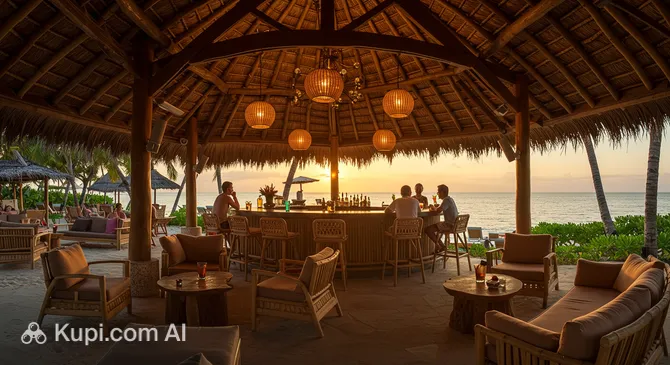
For those who appreciate a cozy atmosphere and good service, Oasis Resort can be an excellent choice. Although it is primarily a hotel, its bar and restaurant often attract other tourists thanks to its quality cuisine and pleasant setting. It's a great place to relax after a busy day, enjoy a delicious dinner, or a refreshing cocktail to the sounds of a tropical evening.

Oasis Resort. Illustration.
Source: Kupi.com AI

Traveler photos:

Panglao also offers other interesting spots, such as Cafe Namoo, known for its pleasant atmosphere and delicious dishes, or various resort complexes like Abraham Bohol Resort and Virgin Island Resort, Restaurant and Spa, where you can enjoy high levels of comfort and diverse services. Each of these attractions contributes to the unique character of Panglao, making it a desirable vacation destination.

Local Cuisine

The gastronomic world of Panglao is a true feast for lovers of fresh seafood and exotic flavors. The island is famous for its abundance of cafes and restaurants where the focus is on the bounty of the sea, prepared with local flair. Everyone will find a dish to their taste here, from simple street snacks to exquisite restaurant offerings, making Panglao an attractive destination for gastronomic tourism.

Be sure to try kinilaw — the Philippine answer to ceviche, where fresh raw fish is marinated in vinegar with coconut milk, lime, spicy chili peppers, and onions. This dish perfectly captures the freshness of local ingredients. Another iconic dish often found at markets and festive tables is lechon, succulent roasted pork with incredibly crispy skin. Of course, don't overlook the numerous variations of dishes made from freshly caught shrimp, squid, and various fish, which are masterfully grilled or stewed in fragrant sauces here.

The street food and local markets of Panglao offer an equally exciting gastronomic journey. Here you can taste seafood skewers, crispy banana chips, and sweet rice cakes. On a hot day, there's nothing better than a refreshing halo-halo dessert, a mixture of shaved ice, fruit, jelly, sweet beans, and condensed milk. At the island's farmers' markets, you'll find an abundance of exotic fruits like mangoes, rambutans, and langsats, which are particularly delicious in season.

Among drinks, fresh coconut juice sold straight from young coconuts is especially popular – the perfect thirst quencher. It's also worth trying various fruit shakes. Those looking for something stronger might enjoy local rum or beer, which perfectly complement a seafood meal.

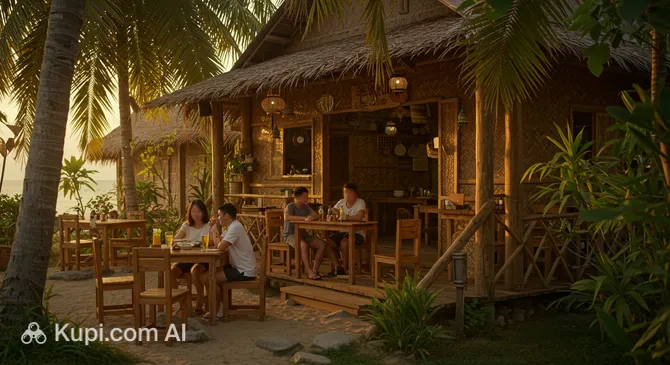
The dining culture in Panglao is diverse: locals and tourists alike enjoy eating in small family-run eateries, at busy street stalls, and in more upscale restaurants. Many establishments are located right on the beach, allowing you to enjoy dinner to the sound of the waves. If you're looking for a cozy spot with good food, check out Cafe Namoo, known for its tasty dishes and pleasant atmosphere. Throughout the year, the island may also host food festivals and fairs where you can delve deeper into the region's culinary traditions.

Namoo Cafe. Illustration.
Source: Kupi.com AI

Traveler photos:

Panglao's culinary scene is vibrant and authentic, offering tourists more than just food, but a true immersion into the island's culture. The freshness of the ingredients, especially the seafood, and unique local recipes make every meal an unforgettable experience that attracts gourmets from all over the world.

Travel Tips

Welcome to Panglao, a gem of the Philippines! To make your trip to this paradise island as comfortable and memorable as possible, we've prepared some practical tips. They will help you navigate the local area better and enjoy every moment of your vacation.

  1. Clothing and Essentials: Panglao is a tropical island, so the base of your wardrobe should be light, breathable clothing made from natural fabrics (cotton, linen). Don't forget swimsuits, sunscreen, a hat, and sunglasses. Comfortable footwear, such as sandals or flip-flops, is ideal for the beach and walking. For visiting churches or more formal places, modest clothing covering the shoulders and knees may be required. A light rain jacket might also come in handy, especially if you're traveling during the rainy season. Don't forget an adapter for your electronics (Type A, B, and C sockets are used in the Philippines, with a voltage of 220V).
  2. Transport: The main modes of transport on Panglao are tricycles (motorcycles with sidecars) and habal-habal (motorcycle taxis). These are convenient and relatively inexpensive ways to travel short distances. Scooter rentals are also popular, giving you more freedom to explore the island. For trips to Tagbilaran (the capital of Bohol province) or the airport, you can use a taxi or pre-book a transfer. There are few public buses as we know them on the island itself.
  3. Finances: The local currency is the Philippine Peso (PHP). You can exchange currency at the airport, banks in Tagbilaran, or at exchange offices on popular beaches like Alona Beach (though the rate there might be less favorable). Credit cards are accepted in most hotels, large restaurants, and dive centers, but for small purchases, paying for tricycles, and at markets, it's best to have cash. ATMs are available, but they may sometimes run out of money or have long queues, so don't rely on them entirely. Tipping is not always mandatory but is appreciated (usually 10% in restaurants if a service charge is not included in the bill).
  4. Health and Safety: Pharmacies are available in tourist zones, but for more serious medical care, you may need to go to hospitals in Tagbilaran. It's recommended to carry a basic first-aid kit with you. Drink only bottled water. Panglao is generally considered a safe place for tourists, but take usual precautions: keep an eye on your belongings, especially on beaches and in crowded areas, and don't leave valuables unattended.
  5. Communication: The official languages in the Philippines are Filipino (Tagalog) and English. On Panglao, many locals speak Boholano (a Visayan dialect), but English is widely spoken, especially in the tourism industry, so communication shouldn't be a problem. Buying a local SIM card (Globe or Smart operators) is a good option for internet access; they can be bought at the airport or local shops. Wi-Fi is available in most hotels, cafes, and restaurants, though speeds can vary.
  6. Local Etiquette: Filipinos are very friendly and hospitable. A smile and polite address are always appropriate. When speaking with elders or as a sign of respect, you can use the word \"po\" or \"opo\" after phrases. Avoid overly loud behavior in public places. If you are invited into a home, it is customary to remove your shoes before entering.
  7. What to Avoid: Try not to show disrespect toward local customs and traditions. Do not take photos of people without their permission. When visiting beaches and while snorkeling or diving, do not touch the corals or marine life – this harms the fragile ecosystem.
  8. Additional Tip: Panglao is famous for its diving and snorkeling opportunities. Island-hopping tours are popular, including visits to Balicasag Island and Virgin Island. Book such excursions in advance, especially during the high season. Also, keep in mind that an environmental fee may be charged for visiting certain natural attractions.

We hope these tips help you plan an unforgettable trip to Panglao. Enjoy the sun, sea, and hospitality of this amazing corner of the Philippines!

Entertainment & Nightlife

Panglao, known for its white beaches and crystal-clear water, comes alive after dark, offering tourists a variety of options for evening and night-time relaxation. The main center of attraction is the famous Alona Beach, where most of the bars, restaurants, and nightlife are concentrated.

The nightlife atmosphere in Panglao is predominantly relaxed and casual. There are no loud mega-clubs like in big cities, but there are plenty of cozy beach bars where you can enjoy a cocktail to the sound of live music or simply the crashing waves. The crowd is mixed – from backpackers to families looking for a quiet evening. There is usually no dress code – beachwear is perfectly appropriate. Most establishments stay open until midnight or until the last customer leaves.

Popular spots include Oasis Resort, known for its pleasant atmosphere and good selection of drinks. It's an excellent place to spend the evening enjoying the sunset and socializing. Another interesting option for a dinner that transitions into an evening hangout is Cafe Namoo, which offers delicious food in a cozy setting.

Oasis Resort. Illustration.
Source: Kupi.com AI

Traveler photos:

The best time to start an evening stroll is right after sunset when the heat subsides and venues begin to fill up. Average cocktail prices at bars on Alona Beach vary but generally remain affordable. The main mode of transport on the island, including at night, is the tricycle. It's better to agree on the fare beforehand. In the Alona Beach area, it's usually easy to find transport.

Namoo Cafe. Illustration.
Source: Kupi.com AI

Traveler photos:

Regarding safety, the Alona Beach area is considered quite safe for nighttime walks, but one should always follow basic precautions: do not leave belongings unattended and avoid poorly lit or deserted areas. You can usually hail a taxi (in this case, a tricycle) directly on the street or ask your hotel or restaurant staff for assistance.

During the day, Panglao offers just as much entertainment. Besides obvious beach activities and water sports like diving and snorkeling, you can visit local attractions such as South Farm or go on excursions around Bohol Island to see the famous Chocolate Hills and tarsiers. There aren't many traditional museums or theaters on the island; the focus is on natural beauty and outdoor activities.

Parks & Museums

Panglao, a charming island in the Philippines, offers its guests not so much classical urban parks or large museum complexes, but rather a unique combination of breathtaking natural beauty and opportunities for immersion in local culture. Here you will find idyllic beaches, interesting farms, and historical monuments that reveal the soul of this place.

The main "green" treasure of Panglao is undoubtedly its magnificent beaches. One of the most famous and popular is Alona Beach. This lively stretch of coastline is famous for its soft white sand, clear turquoise water, and rich underwater world, making it an ideal place for swimming, snorkeling, diving, and simply relaxing. Numerous restaurants, bars, and dive centers are located along the beach, creating a vibrant atmosphere.

Alona Beach. Illustration.
Source: Kupi.com AI

Traveler photos:

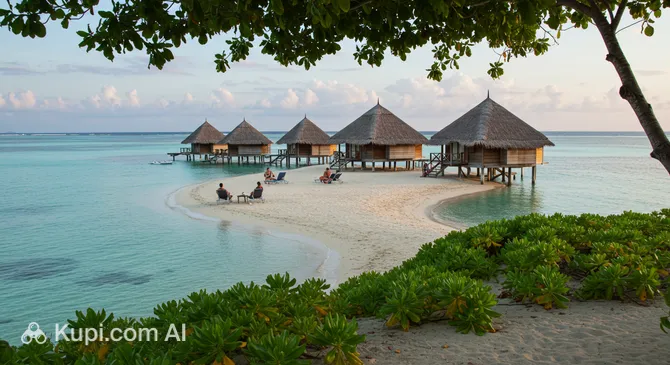
Another iconic natural wonder of Panglao is Virgin Island, known for its incredible sandbar that is exposed at low tide, creating a fairytale path in the middle of the sea. This place attracts people with its unique beauty and the opportunity to take stunning photos. For a comfortable exploration of the island and its surroundings, you can stay in one of the resort complexes, such as Virgin Island Resort, Restaurant and Spa, which offers convenient access to this natural phenomenon.

Virgin Island Resort, Restaurant & Spa. Illustration.
Source: Kupi.com AI

Traveler photos:

Although there aren't many traditional museums on Panglao, there are other ways to get to know the island's culture and lifestyle. An interesting place to visit is South Farm. This is not just a farm, but a true agritourism project where visitors can learn about organic farming, taste fresh local products, and even participate in agricultural work. This is a great opportunity to see another, more authentic side of island life.

South Farm. Illustration.
Source: Kupi.com AI

Traveler photos:

Among the historical and architectural monuments of the island, the St. Augustine Church, also known as Panglao Church, stands out. This ancient stone church, built during the colonial period, impresses with its architecture and beautiful ceiling frescoes. It serves as an important spiritual and historical center for the local residents.

For a truly authentic Panglao experience, head out to explore lesser-known beaches like Dumaluan or Doljo, where a more peaceful atmosphere prevails. Also, don't miss the chance to visit local markets to taste the freshest seafood and exotic fruits, and to chat with the friendly islanders.

Getting Around

To ensure your travels around Panglao are comfortable and predictable, it's important to know some details about the local transport system. While the main modes of transport like tricycles and habal-habals are well-known, let's dive into the specifics of their use and pricing.

Tricycles are the most common transport on the island. The key point is that the cost of the trip is always negotiable. Don't hesitate to discuss the price before boarding. The fare is influenced by distance, time of day (evenings and nights can be more expensive), and the number of passengers. A short ride within one beach or area will cost one amount, while a transfer to the other end of the island or an hourly tricycle rental for an excursion will cost significantly more. Payment is made exclusively in cash, preferably in small denominations. Finding a tricycle is easy – they are everywhere, especially in tourist areas like Alona Beach, and they operate from early morning until late evening.

Habal-habal (motorcycle taxi) is a good option for solo travelers or for reaching places where a tricycle might struggle to go. As with tricycles, the price of the trip is subject to negotiation. It's usually slightly cheaper than a tricycle for a single passenger. Ensure the driver has a helmet for you if possible, and always agree on the price beforehand. Payment is in cash.

For longer distances, such as to Tagbilaran City on the neighboring island of Bohol, or for transfers to/from Bohol-Panglao International Airport (TAG), which is conveniently located right on the island, vans (V-hires) are used. These generally have more fixed per-person rates on established routes. V-hires often wait for passengers at the airport, Tagbilaran port, and at certain points on Panglao, such as the main road by Alona Beach. Occasionally, you might also find jeepneys running the Panglao – Tagbilaran route. Tickets for V-hires and jeepneys are usually bought directly from the driver or conductor before departure, which often happens once the vehicle is full.

Scooter or motorcycle rental provides the maximum freedom to explore the island. Renting usually requires a driver's license (international or your national one, it's worth checking locally) and a cash deposit. Daily or weekly rental costs vary; a helmet is often included. Before taking a scooter, inspect it carefully for damage and take photos if possible. Clarify the fuel conditions (usually the scooter is given with a small amount of petrol, and you refuel it yourself). Rental shops are easy to find in tourist centers.

Bicycle rental is an excellent choice for leisurely rides around the immediate vicinity and beaches, especially given the relatively flat terrain of many of Panglao's tourist areas. You can rent a bicycle by the hour or for the whole day at some hotels, guesthouses, or specialized rental points. Check the condition of the brakes and tires before your ride. Consider the hot and humid climate when planning your cycling trips.

Overall, transport on Panglao is accessible and intuitive. The main thing is to always have enough small cash on hand, as cashless payment in local transport is virtually non-existent, and be prepared to negotiate the fare, especially on tricycles and habal-habals.

Accommodation

Panglao offers a variety of accommodation options to suit the needs of any traveler. Here you will find everything from budget guesthouses and hostels for backpackers to comfortable mid-range hotels and luxurious resorts with a full range of services. Renting apartments and villas is also popular, especially for family vacations or long-term stays.

The most popular area for tourists is Alona Beach, where many hotels, restaurants, and diving centers are concentrated. Staying here is convenient due to its proximity to key infrastructure and entertainment. Other areas of the island also offer more secluded and quiet options if you are looking for peace and relaxation.

Abraham Bohol Resort. Illustration.
Source: Kupi.com AI

Traveler photos:

Notable accommodation options include Abraham Bohol Resort and Virgin Island Resort, Restaurant and Spa, which offer comfortable stays and quality service. The choice of a specific place depends on your preferences and budget.

Booking Tip: Panglao is a popular destination, especially during the high season (usually from December to May). It is recommended to book accommodation in advance to secure the best selection and prices. This is particularly relevant if you plan to travel during Christmas, New Year, or Easter.

Price ranges vary from very affordable options to luxury offerings. You can book accommodation through popular online booking platforms, travel agencies, or by contacting the hotel directly. Many hotels and resorts have their own websites with online booking capabilities.

Nearby Cities

For those who want to explore the surroundings, Panglao serves as an excellent starting point for day trips to several interesting nearby locations:

CityPopulationDistance
Dauis52 4928 km
Tagbilaran104 97616 km
Baclayon22 46118 km
Maribojoc22 17822 km
Alburquerque11 24622 km

For example, Tagbilaran, the capital of Bohol province, offers a chance to dive into urban life, visit historical sites like the Blood Compact Shrine, and explore lively local markets. Very close by, on Panglao Island itself, is Dauis, famous for its ancient Church of Our Lady of the Assumption, which legend says contains a well with healing water inside. A trip to the coastal town of Loon will allow you to get acquainted with the region's colonial heritage and its old churches, as well as enjoy picturesque views.

These nearby destinations provide a more complete picture of the diverse culture, history, and natural landscapes of the Bohol region.

Shopping & Souvenirs

Shopping in Panglao is more of a pleasant addition to a beach holiday and exploring the island's nature than a goal in itself. You won't find huge malls or world-brand boutiques here. Instead, cozy souvenir stalls, small shops with beach goods, and local handicrafts await you. The island is known for its shell crafts, pearls (which should be chosen carefully), and local delicacies.

Main commercial life is concentrated around the island's most popular beach — Alona Beach. Along the road running parallel to the beach and on the adjacent side streets, you'll find many shops offering souvenirs, swimwear, sunscreens, light summer clothing, and accessories. There are also dive centers here that often sell themed clothing and gear.

Alona Beach. Illustration.
Source: Kupi.com AI

Traveler photos:

There are no large shopping centers in the classical sense on Panglao. Shopping here is more local and informal. Instead of malls, you'll find small shopping rows or standalone stores, especially in tourist zones. For more serious shopping, some tourists head to Tagbilaran, the capital of Bohol province, located on the neighboring island and connected to Panglao by bridges.

On Panglao, you can find small local markets selling fresh fruits, vegetables, seafood, and sometimes household items. Visiting such a market is a great opportunity to immerse yourself in the local flavor and perhaps buy the freshest mangoes or pineapples. There are few specialized flea markets, but souvenir stands are often found near popular tourist spots.

As souvenirs from Panglao, tourists often bring back: shell and mother-of-pearl crafts (jewelry, boxes), pearls (be careful with fakes), woven bags, hats, and baskets, local Tanduay rum, coffee or cocoa, dried mangoes, and other tropical fruits, as well as T-shirts and magnets with island symbols. Wooden or coconut crafts can also make interesting souvenirs.

Tourist-oriented shops usually operate daily, from about 9:00-10:00 AM until 8:00-10:00 PM, especially during the high season. Small stalls and markets may close earlier. The main method of payment in most small shops and markets is cash (Philippine Peso, PHP). Credit cards are accepted in larger hotels, some restaurants, and dive centers, but it's always better to have enough cash with you.

The Tax Free system in Panglao, and the Philippines in general, is not very widespread and usually doesn't apply to goods tourists buy in small souvenir shops or at markets. If you make a large purchase in a certified store, it's worth checking with the seller about the possibility of a tax refund, but for most typical tourist purchases, this option is unlikely.

Nearby cities

Reached the end of the page?

That means the route is fully explored