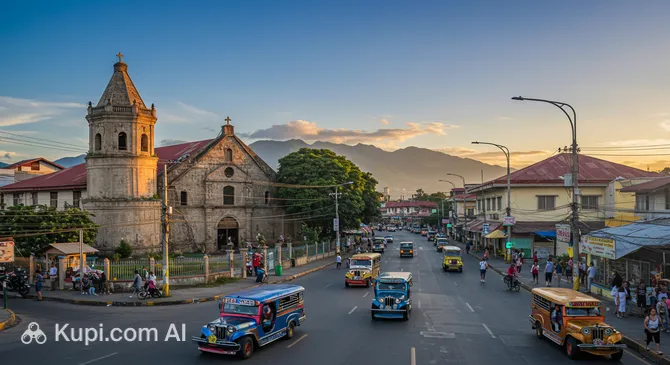
Santa Ana is an amazing corner in the northeast of Luzon island in the Philippines, often called the "Boracay of the North." The city is famous for its pristine nature, where white-sand beaches meet dense mangrove forests, and the azure waters of the Pacific Ocean hide a rich underwater world. This place is ideal for those seeking solitude and wanting to enjoy an authentic Philippine atmosphere far from noisy metropolises.
Santa Ana. Illustration.
Source: Kupi.com AI
Geographically, the municipality is located in Cagayan province and serves as an important coastal hub. According to official data, the population of Santa Ana is over 203,000 people, yet the city maintains a calm and steady rhythm of life. The rich history of this region is inextricably linked with fishing and agriculture, and in recent decades, ecotourism and the Cagayan Special Economic Zone have been actively developing here.
The main magnets for travelers here are the incredible beaches and the opportunity to go diving or snorkeling in crystal-clear water. The peaceful setting, the absence of dense urban development, and the warmth of the locals make Santa Ana a wonderful choice for a thoughtful vacation. We invite you to discover this "wild" paradise where nature still dictates its own rules.
Weather Overview
The climate in Santa Ana is typically tropical, which defines the nature of a vacation in this region. Warm and humid weather prevails year-round, with air temperatures usually fluctuating in a comfortable range from 24°C to 33°C. Due to its proximity to the Pacific Ocean, the city is constantly fanned by sea breezes, which makes the heat more bearable and ensures excellent air quality.
Expect hot and sunny summers, which are best for beach holidays, and short but humid winters. The driest period falls during the spring months when rainfall is minimal. At the same time, October, November, and December are characterized by frequent rains that bring welcome coolness but may limit boat trips. You can learn more about the city's climate in our detailed section.
For travelers, the ideal time to visit is considered to be the period from November to May. During these months, the sea is usually calm, and the probability of clear days is highest. However, even during the rainy season, Santa Ana retains its charm, and tropical downpours are most often brief and followed by bright sunshine.
Average monthly temperature
Average monthly precipitation
Interesting Facts
The municipality was officially founded on October 21, 1949, and was named in honor of Saint Anne, who was revered by the region's first settlers.
Santa Ana is a kind of "gateway" for the Philippines to the Pacific Ocean, occupying a strategic position at the extreme northeastern point of Luzon island.
The first inhabitants of these lands were members of the Aeta and Ibanag ethnic groups, while fishermen from Ilocos began to actively settle the coast only in the 18th century.
The Cagayan Special Economic Zone operates within the city, creating a unique contrast between untouched nature and modern industrial initiatives.
Some of the adjacent islands still remain completely wild: there are no roads or hotels on them, and you can only get around via narrow walking trails.
How to Get There
Getting to Santa Ana is a small adventure that will reward you with magnificent views. The main transport hub of the region is the city of Tuguegarao, the capital of Cagayan province. Travelers can find detailed information about routes to help plan the trip as comfortably as possible.
The fastest way is to fly from Manila to Tuguegarao airport (the flight takes about an hour) and then transfer to a bus, minivan, or traditional jeepney. The journey from Tuguegarao to Santa Ana takes approximately 2–3 hours along scenic, well-paved roads. During the dry season, the trip is quick, but during the rainy season, it's worth allowing more time due to possible delays.
Rail service in this part of Luzon island is currently not developed, so long-distance buses remain the main ground transport. They run regularly between major cities in the province. For those who value comfort, car rentals or taxi bookings directly from the airport are available, which will reduce travel time and allow for stops at beautiful spots along the way.
Main Attractions
One of the main and most recognizable attractions in Santa Ana is the historic Cape Engaño Lighthouse. Built by the Spanish in the late 19th century on the northernmost tip of the land, it towers over rugged cliffs. It offers breathtaking panoramic views of the Pacific Ocean and nearby islands, making it a must-visit for history buffs and photography enthusiasts.
For those looking for the perfect beach holiday, Anguib Beach will be a true discovery. It is often compared to the world's best resorts due to its dazzling white sand and calm, transparent water. It is a wonderful spot for snorkeling, where you can spend hours admiring coral gardens. No less picturesque are the neighboring beaches, such as Nangaramoan Beach and Pozo Robo Beach, which offer a wilder and more secluded atmosphere.
Adventure seekers and diving enthusiasts should head to Crocodile Island. Despite its formidable name, the island attracts divers with its unique underwater topography and diverse marine flora and fauna. In Santa Ana, it is also worth paying attention to the mangrove thickets, which can be explored by kayak, immersing yourself in the silence and tranquility of the Philippines' untouched nature.
Local Cuisine
The culinary traditions of Santa Ana are closely tied to the sea. The main thing every tourist should try is the freshest catch of the day. Local restaurants and beach huts will offer you charcoal-grilled fish, tender squid, and large prawns, usually served with fragrant rice and vegetables. The gastronomic scene here is simple but incredibly delicious thanks to the quality of the ingredients.
In addition to seafood, they prepare classic Filipino dishes such as adobo (meat stewed in soy sauce and vinegar) and the famous lechon — a spit-roasted pig that is a mandatory attribute of any celebration. Be sure to try the local skewers cooked right on the beaches, for example in the Anguib Beach area — it's a popular street food that conveys the true taste of the region.
Among drinks in Santa Ana, fresh coconuts, locally called "buko," are second to none. They can be bought at every turn. Tropical fruit juices and the local San Miguel beer, which is perfectly refreshing on a hot day, are also popular. Most establishments are concentrated along the coast, offering guests dinner with an ocean view in a relaxed atmosphere.
Travel Tips
Preparing for a trip to this remote corner of Luzon requires attention to detail, but our tips will help you make your journey truly comfortable and safe.
Clothing and gear: Choose light clothing made from natural fabrics. Be sure to bring swimwear, comfortable shoes for walking on trails, and sunglasses. Important: when visiting local communities, try to stick to a modest style of dress.
Transport: Within the city, it is most convenient to get around by tricycle or rented bike. If you plan long trips, use jeepneys or buses from Tuguegarao.
Finances: The local currency is the Philippine Peso (PHP). ATMs are extremely rare in Santa Ana, and cards are only accepted in major resorts, so be sure to have a sufficient supply of cash.
Health and safety: Use insect repellent, especially when visiting mangrove areas. Drink only bottled water and always carry a basic first-aid kit.
Communication: The main language is Filipino, but in tourist areas, many understand basic English. It's helpful to learn a couple of phrases in the local language: "Salamat" (Thank you) and "Kumusta" (Hello).
Local etiquette: Filipinos are very friendly. A polite smile and a calm tone of communication will help you easily establish contact. Respect the personal space and traditions of the locals.
What to avoid: Do not leave trash on the beaches or in protected areas — ecology is taken very seriously here. Avoid walking alone on unlit sections of the shore late at night.
Seasonality: Plan your visit during the dry season (from November to May) to avoid heavy monsoons and fully enjoy the sea.
Santa Ana is a place where time slows down, and if you follow these simple rules, your holiday on the northern coast will be truly unforgettable!
Entertainment & Nightlife
Entertainment in Santa Ana is closely tied to its natural wealth and coastal location. The main focus here is on daytime activities: diving, snorkeling, and boat trips to remote islands. Adventure lovers can take a kayaking tour through the mangrove forests or hike to the famous lighthouse, enjoying the fresh ocean breeze and the absence of tourist crowds.
Nightlife in the city is very modest, emphasizing Santa Ana's status as a place for a quiet and eco-friendly getaway. You won't find noisy nightclubs or huge concert venues here. Instead, locals and tourists often gather around cozy bonfires right on the beaches, such as Anguib Beach. This is the perfect time to try local beer in good company under the sound of the surf and the starry sky.
Safety for night walks here is at a high level, as the region is known for its hospitality and peaceful nature. For those who miss the urban drive, there is always the opportunity to visit neighboring larger towns, but most travelers choose Santa Ana specifically to slow down and rest from the hustle and bustle. Evening relaxation in local coastal cafes is the best way to end a full day.
Parks & Museums
In the traditional urban sense, there are almost no parks or museums in Santa Ana, but the municipality itself represents one large open-air natural park. The role of green zones here is played by endless mangrove forests and coastal thickets, which are carefully protected. A boat trip through the mangrove labyrinths replaces any botanical garden, allowing you to see a unique ecosystem in its natural form.
The lack of formal art galleries is more than compensated for by the natural landscapes. Beach areas and trails leading to the coast are the best places for residents and visitors to relax. The high level of greenery and air purity make every moment spent outdoors pleasant and beneficial. Here, nature is the main artist and guardian of history.
For those interested in culture, authentic fishing villages serve as museums, where you can get acquainted with the traditional life and crafts of the locals. The focus on outdoor activities is the main feature of Santa Ana, so the absence of buildings with exhibits does not spoil the impression of the trip but only emphasizes the wild beauty of this land.
Getting Around
Public transport in Santa Ana is represented by traditional Philippine modes of travel. The main role is played by colorful jeepneys and maneuverable tricycles. Jeepneys usually connect the city with neighboring towns, while tricycles are ideal for short trips within the municipality or for getting to the start of beach trails.
The payment system here is as simple as possible: the fare is fixed and handed to the driver in cash upon boarding or exiting. Prices are very affordable, but tourists should carry small bills and coins. For those who want complete freedom of movement, the best option is to rent a motorbike, which will allow you to independently explore the remote corners of the coast.
The roads along the coast are in good condition; however, keep in mind that dirt trails lead mostly into the interior. Transport operating hours depend on daylight — after sunset, the number of tricycles on the streets decreases significantly. If you need to reach remote islands, such as Crocodile Island, the only option will be to rent a boat from local operators at the pier.
Accommodation
Accommodation options in Santa Ana are primarily aimed at nature lovers and beachgoers. You won't find massive high-rise chain hotels here; instead, there is an excellent selection of cozy coastal resorts and guesthouses. Most of them, such as Anguib Beach Resort, offer accommodation in charming bungalows located literally steps away from the water's edge.
The most popular areas to stay are around Anguib and Nangaramoan beaches. Mid-range and budget accommodations are concentrated here, making them ideal for divers and family travelers. If you plan to visit during the peak season (from November to May), we strongly recommend booking rooms in advance, as the best spots by the sea fill up quickly.
For those visiting the city for business or for a long stay, there are apartment rental options in the economic zone area. Housing prices in Santa Ana remain quite affordable, allowing you to enjoy a tropical paradise without significant expense. Despite the simple infrastructure, local hotels win guests over with their hospitality and authentic atmosphere.
Nearby Cities
Santa Ana serves as an excellent starting point for those who want to explore the northern reaches of Luzon. The city's surroundings are rich in natural beauty and quiet settlements that have preserved their traditional way of life. Traveling through the region will allow you to see the Philippines from a new, less touristy side.
Just 27 kilometers away is the neighboring municipality of Gonzaga, which is famous for similar white-sand beaches and excellent conditions for a quiet holiday. Also of interest is the city of Lal-lo, located a bit further, which was one of the first Spanish capitals in the archipelago and retains an atmosphere of its colonial past. For a longer trip, Buguey, known for its picturesque lagoons, is a good choice.
Exploring the nearby islands of the Babuyan Channel will also be an unforgettable experience. We recommend not limiting yourself to the city center and boldly heading on excursions to neighboring communities to fully feel the scale and diversity of northern Cagayan's nature.
Shopping & Souvenirs
Shopping in Santa Ana is practical and very authentic. You won't find huge shopping malls with global brands here; for those, you'll have to head to the provincial capital, Tuguegarao. Instead, the city offers a chance to explore local markets where life bustles from early morning.
The main shopping spots are concentrated in the center of the municipality and near popular beach areas. At the local markets, you should look for the freshest seafood, tropical fruits, and various types of rice. It's the perfect place to feel the local flavor and buy products that form the basis of Filipino cuisine.
As souvenirs from Santa Ana, people most often bring home handicrafts: jewelry and home decor made from shells, woven baskets, and coconut shell crafts. Look for small shops near Anguib Beach, where you can find unique handmade items. Most shops are open until sunset, and payment is primarily accepted in cash, so it's worth exchanging currency in advance.