Support

Asbest

About

Asbest is a city with a distinct industrial character and a rich history, located in the Sverdlovsk region of Russia. Situated on the eastern slope of the Middle Urals, it possesses a unique atmosphere shaped by decades of mining activity, which gave the city its name.

The climate in Asbest is humid continental, with cold winters and warm summers, typical for the Ural region. The city's population is approximately 64,000 people. It is an important industrial center whose history and development are inextricably linked to the exploration of unique natural resources.
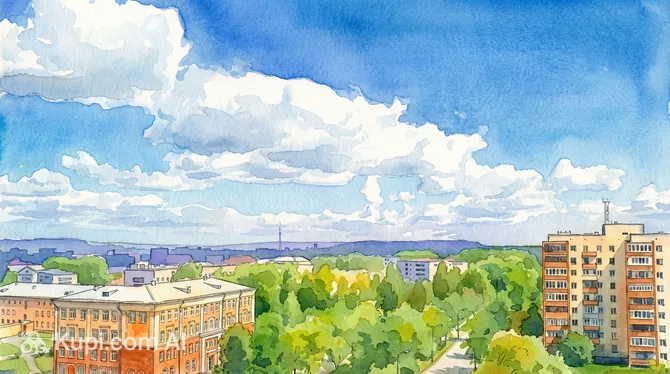
Asbest. Illustration.
Source: Kupi.com AI

The main "attraction" and the foundation of Asbest's economy for many years is one of the world's largest deposits of chrysotile asbestos. The scale of the open-pit mines where extraction takes place is truly impressive, representing a unique man-made landscape. Tourists interested in industrial history may find the local Museum of History and Lore fascinating, with exhibits detailing the discovery of the deposit and the city's formation. Furthermore, despite its industrial focus, the surroundings of Asbest offer opportunities to experience Ural nature, creating an interesting contrast.

Asbest offers travelers a chance to see an unconventional side of the Urals, witnessing the power of industry and the people whose labor created the region's industrial fame. It is a destination for those seeking new experiences and ready to discover a city with a strong character.

You can find more interesting facts on the page about the history of Asbest

Weather Overview

The weather in Asbest is characterized by clearly defined seasons. Summers here are warm: the average July temperature is +19.1°C (with maximum values reaching +24.3°C), and monthly precipitation is about 2 mm. Winters in Asbest are freezing, with an average January temperature around -13.4°C (minimums can drop to -16.3°C) and low precipitation (approximately 1 mm per month).

Overall, when planning your trip, expect a warm summer with occasional rain and cold, fairly dry winters. Spring (April-May) brings a gradual warming after winter, and autumn (September-October) is characterized by a smooth transition to the cold. For a more detailed look at climatic conditions by month, we recommend visiting the Climate in Asbest page.

Average monthly temperature

Average monthly precipitation

Interesting Facts

Beyond its well-known industrial fame tied to the extraction of a unique mineral, Asbest holds many surprising details and lesser-known facts that make it a truly special city in the Urals.

  • "The Capital of Mountain Flax": Asbest is informally known as the "capital of mountain flax." In the old days, chrysotile asbestos was poetically named so for its unique fibrous structure resembling flax, and the city is a global center for its mining.

  • A Giant Quarry of Global Proportions: The main quarry of the Bazhenov deposit, on which the city effectively stands, is one of the largest man-made excavations in the world. It stretches over 11 kilometers long, reaches 2.5 kilometers in width, and has a depth of over 350 meters in some places. The scale of this technogenic site is truly awe-inspiring.

  • A City Born from a Mineral: Unlike many industrial centers that developed due to multiple sectors, Asbest owes its birth, its name, and its entire development to one specific mineral. This mono-profile nature has left a deep mark on the city's entire history and culture.

  • Unique Industrial Landscapes: Massive waste heaps and the quarry itself create a completely unique, almost alien-like landscape around Asbest. These views attract photographers and industrial tourism enthusiasts wishing to see the power of human activity transforming nature (though access to some zones may be restricted).

How to Get There

You can reach Asbest in several ways, the most convenient being a flight to the nearest major cities followed by a ground transfer, or a train journey. The city does not have its own airport but is served by several regional air hubs.

The primary airport for arriving in the region is Koltsovo International Airport (SVX), located in Yekaterinburg. This is a very large and modern hub situated approximately 50 km west of Asbest. A taxi or bus ride from the airport to Asbest takes roughly 1.5 to 2 hours. You could also consider flying into Balandino Airport (CEK) in Chelyabinsk. It is significantly further away, about 190 km south of Asbest, and the journey from there takes about 5 hours, but it can serve as an alternative depending on your route.

For your convenience, here is summary information on the main airports used to reach Asbest:

AirportPassenger trafficDistance
Koltsovo8.0 mln49 km
Balandino2.2 mln189 km
Roshchino2.6 mln235 km
Kurgan Airport154 300299 km

Railway travel is also an option for getting to Asbest. The Bazhenovo railway station is located within the city limits of Asbest. Although it is technically in the city, the distance to the center is about 27 km. A trip from Bazhenovo station to central Asbest by local transport or taxi takes about 1 hour. This is a small station serving suburban and some long-distance trains. Another nearby station is Bogdanovich (railway station), located in the town of Bogdanovich, approximately 44 km from Asbest. From there, you can reach Asbest by bus or taxi in about 1.5 hours.

Below is information about some railway stations that can be used for traveling to Asbest:

StationPassenger trafficDistance
Bazhenovo Station250 00027 km
Rezh Railway Station40 km
Bogdanovich Railway Station350 00044 km
Aramil Railway Station250 00045 km
Yegorshino Station46 km
Yekaterinburg-Passazhirsky Station25 mln53 km

Additionally, Asbest can be reached by car via regional highways. If traveling by private vehicle, we recommend planning your route in advance using navigation systems. Intercity buses also connect Asbest with Yekaterinburg and other settlements in the Sverdlovsk region.

Main Attractions

Asbest, a city with a unique industrial history, offers tourists more than just a look at its manufacturing heritage. While its primary "trademark" remains the grand open-pit mine, there are other sites worth seeing for those interested in history, culture, or simply soaking up the atmosphere of a Ural town.

Undoubtedly, the central point of interest in Asbest is the Asbest Quarry—part of the Bazhenov chrysotile asbestos deposit. It is one of the largest man-made structures of its kind in the world. Its scale is breathtaking: a giant bowl descending hundreds of meters into the earth, with terraces and roads built for massive machinery. Although access to the quarry itself is usually restricted for safety reasons, there are observation decks offering spectacular views of this industrial giant. The sight allows visitors to appreciate the scale of human activity and the uniqueness of the local landscape.

To gain a deeper understanding of the city's history and its primary industry, a visit to the Asbest Museum of History and Lore is highly recommended. The museum's exhibits detail the discovery and development of the Bazhenov deposit, the technologies used to extract "mountain flax" (as asbestos is poetically called), and the people who built and developed the city. Here, you can see mineral samples, historical photographs, documents, and everyday items belonging to the first settlers and workers. It is an excellent place for those wanting to learn more about the specifics and heritage of Asbest.

While walking through Asbest, keep an eye out for city monuments that reflect its history and spirit. One significant landmark is the Monument to the First Builders and Miners, dedicated to the city's founders and workers in the asbestos industry. Such monuments serve as a reminder of the labor of past generations. The city's cultural life is largely centered around the Palace of Culture "Vostok", which hosts various events, concerts, and exhibitions showcasing local talent and creative groups.

Despite its strong industrial character, Asbest is surrounded by Ural nature. For those seeking quiet relaxation, the city's parks and squares offer peaceful walking areas. A trip to the outskirts can provide encounters with the picturesque forests and lakes characteristic of the Middle Urals, providing a pleasant contrast to the industrial scenery.

Local Cuisine

The culinary scene in Asbest offers travelers a taste of traditional Ural and Russian cuisine—hearty, homemade, and truly warming. While you won't find ultra-modern restaurants here, you can enjoy authentic dishes prepared with soul that reflect the local character and the rugged spirit of the Urals.

Be sure to try the famous Ural pelmeni—the region's signature dish. Here, they are hand-rolled with various fillings, most often meat, and served with sour cream, butter, or broth. Another iconic dish is shangi, open-faced round pastries or flatbreads usually topped with mashed potatoes, cottage cheese, or sour cream. Don't overlook the hearty soups, such as rich borscht or shchi, as well as various meat and potato dishes that form the staple of the local diet.

For drinks, traditional Russian options are popular: in summer, kvass is very refreshing, as is mors made from local berries like cranberries or cowberries. Among alcoholic beverages, classic Russian choices are common. Locals and visitors typically eat in cafes or canteens (stolovaya) that offer affordable set lunches, or in small restaurants where you can spend an evening in a more relaxed environment. Gastronomy in Asbest is primarily about simple, honest, and delicious food that provides the energy needed to explore this industrial Ural city.

Travel Tips

Welcome to Asbest! To ensure your journey through this unique Ural city is as comfortable as possible and leaves only pleasant memories, we have prepared some practical tips.

  1. Clothing and Essentials: The climate in Asbest is continental: with cold, snowy winters and warm summers. In winter, pack warm clothes (down jacket, hat, mittens, scarf, warm boots). In summer, light clothing is fine, but don't forget a jacket or sweater for cool evenings and a raincoat. Be sure to bring comfortable shoes for walking around the city. Don't forget an adapter for electrical appliances (types C and F sockets are used in Russia). If you plan to visit Orthodox churches, women are advised to have a headscarf and clothing that covers shoulders and knees; men should enter without headwear.
  2. City Transport: The main types of public transport in Asbest are buses and minibuses. This is an affordable way to get around. Taxis can be called via local phone services or through apps popular in Russia, such as Yandex Go. Renting a car to get around Asbest itself is likely unnecessary, as the city is relatively small.
  3. Finances: The local currency is the Russian Ruble (RUB). You can exchange currency at bank branches. Try to avoid exchanging with private individuals. "Mir" payment system cards are accepted everywhere. There may be issues with international payment system cards (Visa, Mastercard), so it is recommended to carry a sufficient supply of cash. ATMs are available in bank branches and some shopping centers. Tips in restaurants and cafes are usually 5-10% of the bill and are at your discretion. In taxis, it's customary to round up the fare.
  4. Health and Safety: Pharmacies (look for the "Аптека" sign) are located in various city districts. Check their hours, as not all are open 24/7. If you need medical assistance, tourists should call the emergency number 112 or 103 (ambulance). Travel insurance is highly recommended. Asbest is generally a safe city. However, as with anywhere, follow basic precautions: keep an eye on your belongings, especially in public places, and avoid walking in poorly lit areas at night.
  5. Communication: The official language is Russian. English is not widely spoken, especially among the older generation. Learn a few basic Russian phrases like "Zdravstvuyte" (Hello), "Spasibo" (Thank you), "Pozhaluysta" (Please), "Skol'ko stoit?" (How much does it cost?), and "Gde nakhoditsya...?" (Where is...?). Locals will appreciate the effort. A Russian SIM card can be purchased at mobile phone shops by presenting your passport. Wi-Fi is available in some cafes and hotels. For navigation and info, apps like Yandex Maps or 2GIS are very helpful.
  6. Local Etiquette: Handshakes are a common greeting (mostly between men). When entering a building, men should remove their hats. In public places, try to behave modestly and avoid talking too loudly. When entering a private home or apartment, it is customary to remove your outdoor shoes. Locals may seem reserved at first, but they are usually helpful and responsive if approached politely.
  7. What to Avoid: It is strongly discouraged to take photos of industrial facilities and the quarry without special permission, as these may be restricted zones. Avoid discussing sensitive political topics to prevent awkward situations.
  8. Asbest Feature: The main attraction of Asbest is its giant quarry. If you are interested in seeing it, find out in advance about visiting official observation decks, as direct access to the quarry area is usually restricted for safety reasons. This will allow you to safely appreciate the scale of this unique industrial site.

We hope these tips help you better prepare for your trip and get the most out of your visit to Asbest—a city with a strong character and unique history. Have a great journey!

Entertainment & Nightlife

Asbest, being an industrial city, provides its residents and visitors with options for evening leisure, though its nightlife has its own character and differs from that of major metropolises. Here, the emphasis is on quieter and cozier formats, although finding a place for a pleasant time after sunset is certainly possible.

Evening entertainment in Asbest is primarily centered around cafes and bars. You can find establishments where you can not only have dinner but also socialize with friends in a relaxed setting. For example, places like "Laguna" or "Alye Parusa" are popular among locals, offering diverse menus and staying open until late evening. Some cafes, especially on weekends, may transform into bars with music or even karaoke. The atmosphere in these places is usually laid-back and oriented toward the local crowd. The main concentration of such establishments is traditionally found along central streets like Lenin Street or Pobeda Street. As for classic night clubs, the selection in a city of about 64,000 people will likely be limited to a few local venues that come alive on Fridays and Saturdays, offering dance music.

When planning an evening out in Asbest, it is best to aim for Friday or Saturday when venues stay open longer and attract more visitors. Prices in local cafes and bars are generally quite affordable. The dress code in most places is informal, with casual style prevailing. For getting around at night, taxi is the most convenient and safe option. It is recommended to use official taxi services or reliable apps like Yandex Go. Overall, Asbest is considered a relatively quiet city, but standard safety precautions at night, especially in areas away from the center, are always advisable.

In addition to dining establishments, check the schedule of the local Palace of Culture "Vostok". It may host evening concerts, plays, or other cultural events that can diversify your leisure time. Information about specific venues, their operating hours, and programs is best checked on-site or through available online resources, as the entertainment scene in smaller towns can be quite dynamic.

During the day, Asbest offers more traditional leisure options. Guests can visit, for instance, the Asbest Museum of History and Lore to dive deeper into the history of this unique location. City parks and squares are also available for walks and outdoor relaxation during daylight hours.

Parks & Museums

Asbest, known for its industrial heritage, offers visitors more than just industrial landscapes; it also provides opportunities for cultural enrichment and relaxation in nature. The city's parks and museums allow for a deeper understanding of its history and moments of tranquility, complementing the experience of discovering this Ural town.

Despite the industrial focus, Asbest has green corners where you can escape the city bustle. One such place is the City Park of Culture and Leisure, where residents and visitors can enjoy fresh air and stroll along well-kept alleys. Komsomolsky Park is also popular, offering space for relaxation and active games. For lovers of wilder nature, the outskirts of Asbest reveal picturesque Ural forests and lakes, ideal for hiking and picnics, creating a pleasant contrast to the city's industrial appearance.

For a deep dive into Asbest's past, visit the Asbest Museum of History and Lore. Here, visitors will find exhibits dedicated to the exploration of the Bazhenov deposits and the city's development, as well as collections reflecting the life and culture of its inhabitants. This site is particularly interesting for those wishing to study the unique history of the "city of mountain flax." The center of cultural life and diverse leisure is the "Vostok" Palace of Culture. It regularly serves as a venue for concerts, theater productions, festivals, and exhibitions, offering a rich program for both locals and guests. Attending events at the Palace of Culture is a great way to meet local talent and experience Asbest's current cultural scene. Beyond the main cultural institutions, it's worth looking for small exhibition spaces or temporary displays that may showcase the work of local artists and craftsmen, offering a more intimate look at the city's creative life.

Asbest's architectural style largely reflects its Soviet industrial past. Walking through the city, you cannot miss the iconic monuments. The Monument to the First Builders and Miners is one such expressive symbol. Located in a public space, it serves not only as a reminder of the labor of the founders but also as an important landmark and a place to pause and reflect on Asbest's heritage. Other commemorative signs and elements of city architecture can also tell an observant traveler about the stages of development of this industrial hub.

To fully immerse yourself in the atmosphere of Asbest, don't limit yourself to official sights. Visit one of the local markets—it's a wonderful opportunity not only to find fresh products but also to observe the daily life of the townspeople and feel the local flavor. And if you are drawn to the unique industrial landscape associated with the city's main "gem," check in advance for access to observation decks overlooking the grand quarry. This sight will undoubtedly leave a strong impression and help you better understand the scale of local industry and the character of Asbest.

Getting Around

Public transport in Asbest consists mainly of buses and fixed-route minibuses (locally called "marshrutkas"), which are the primary way to get around the city and its surroundings. Given the city's size, this system effectively covers major districts and allows access to key locations.

The core of the transport network is the bus routes. They connect different parts of Asbest, including residential neighborhoods, the city center, industrial zones, and stations. Schedules and intervals vary by route and time of day, becoming less frequent in the evenings and on weekends. Minibuses complement the bus network, often offering faster or more direct paths on certain routes. They usually follow fixed routes but can be more flexible regarding stops.

The fare system in Asbest is generally simple. Payment for travel in buses and minibuses is most often made in cash directly to the driver or conductor upon boarding or exiting. It's possible the city has local transport cards for regular commuters, which you should check upon arrival. Using bank cards to pay directly on transport may be limited, so it is recommended to have cash in small bills. It is best to check the approximate fare with locals or drivers as it can change.

For tourists, it is important to know that public transport stops are usually marked with signs. Physical paper tickets might not be issued in minibuses where you pay the driver directly. In buses, if a conductor is present, they will issue a ticket after payment. Public transport hours usually begin early in the morning (around 6:00-7:00) and end in the late evening (roughly until 22:00-23:00), but specific last trip times depend on the route.

As an alternative to public transport, taxi services are widely available in Asbest. They can be hailed by calling local services or through popular mobile apps in Russia, such as Yandex Go. This is a convenient option for night travel, traveling with luggage, or when you need to reach a specific location quickly. Bicycle rentals or car-sharing in a city the size of Asbest may not be as developed as in large metropolises, but you can check for these services locally if interested. There are no unique forms of public transport like historic subways or cable cars in Asbest; the system is focused on practicality and functionality for the residents.

Accommodation

In Asbest, travelers will find several accommodation options catering to different budgets and preferences. These are primarily mid-range hotels and more budget-friendly options, as well as the possibility of short-term apartment rentals. Given the city's industrial nature and size, luxury resorts or premium-class hotels are unlikely to be found. Nevertheless, the available options are designed to provide a comfortable stay for those visiting Asbest for sightseeing or business.

When choosing accommodation in Asbest, consider its location. The most convenient options for tourists are usually located in the central part of the city. This placement provides easy access to key city infrastructure, shops, cafes, and cultural sites like the Asbest Museum of History and Lore or the "Vostok" Palace of Culture. Staying in the center also makes it easier to navigate the city, as major transport routes typically pass through this area.

Regarding prices, you can find both budget options and mid-range housing in Asbest. To book, it is recommended to use popular online platforms for searching hotels and apartments, where you can compare offers, prices, and read reviews from other travelers. Direct booking by phone is also possible if you have the contact details of a specific hotel or apartment owner. It is advisable to book your accommodation in advance, especially if your trip coincides with city events or the summer season, to ensure the best choice and more favorable rates.

Nearby Cities

For those looking to explore the surrounding area, Asbest serves as an excellent starting point for day trips to several interesting nearby locations.

Among the closest cities worth visiting for a day, Yekaterinburg deserves special attention. This major metropolis, the capital of the Urals, is just 53 km away and offers a rich cultural program, numerous museums, theaters, and historical monuments. Another interesting option for a short trip is Verkhnyaya Pyshma (54 km), which attracts tourists with its unique UMMC Museum of Military and Automotive Equipment, one of the largest in Russia.

For more detailed planning, below is a table with information on some of the nearest cities:

CityPopulationDistance
Sukhoy Log33 68937 km
Rezh37 15241 km
Bogdanovich29 10844 km
Aramil15 23651 km
Yekaterinburg1 468 83353 km

These nearby cities and settlements offer a great opportunity to diversify your trip, get a deeper look at the Urals, its culture and nature, and gain plenty of new experiences in just one day.

Shopping & Souvenirs

Shopping in Asbest is primarily focused on meeting the daily needs of local residents, but tourists can also find necessary goods and some souvenirs here. The city is not a major shopping destination with an abundance of boutiques and huge malls, but it offers a sufficient selection for a comfortable stay.

The main retail outlets are concentrated along the city's central streets, such as Lenin Street and Pobeda Street. Here you can find various shops: from grocery supermarkets and pharmacies to clothing, footwear, household appliances, and home goods stores. These are typically small local outlets or stores of Russian national chains.

Regarding large shopping centers in the sense common to metropolises, there are likely few in Asbest, and they take the form of local shopping complexes or department stores where different sections are gathered under one roof. For a wider selection of brands and large-scale shopping, it is worth heading to nearby Yekaterinburg.

An important part of Asbest's retail life, as in many Russian cities, is the city market. Here you can buy fresh farm products—vegetables, fruits, meat, dairy—as well as sometimes clothing, shoes, and other goods. Visiting the market is also a chance to dive into the local atmosphere and observe the daily life of the residents.

As souvenirs from Asbest, you can bring back items that reflect Ural flavor. Look for items made from local semi-precious stones (excluding those related to the city's main industry, choose jasper or serpentine if found), birch bark crafts, and perhaps traditional Ural shawls or valenki (felt boots). You can also find standard tourist souvenirs—magnets, mugs, and keychains featuring views or symbols of Asbest. A wider selection of Ural souvenirs is also recommended to be found in Yekaterinburg.

Shops in Asbest typically operate from 10:00 to 19:00 or 20:00, while grocery supermarkets may have longer hours. Markets are generally open in the first half of the day. The primary method of payment is Russian Rubles (RUB). Most shops accept bank cards from the Russian "Mir" payment system. There may be difficulties with international payment system cards, so it is recommended to carry a sufficient supply of cash.

The Tax Free refund system in Russia is designed for foreign citizens and operates mainly in large cities and specially authorized stores. In Asbest, opportunities for tax-free shopping will likely be very limited or non-existent for most goods.

Reached the end of the page?

That means the route is fully explored