Support

Klimovsk

About

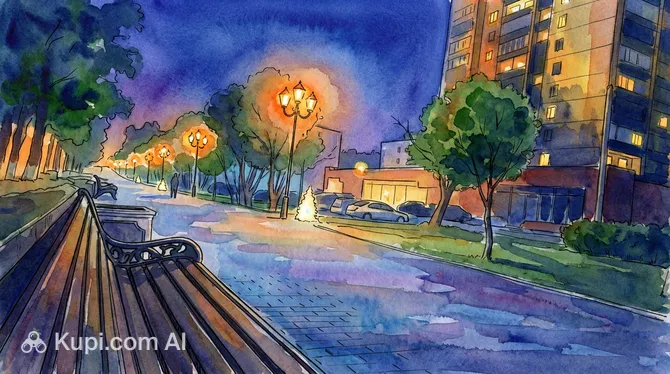
Klimovsk is a city in the Moscow Region of Russia that attracts visitors with its special atmosphere, combining the tranquility of suburban life with echoes of a rich industrial past. Located south of Moscow near Podolsk, Klimovsk has a population of about 56,000 residents. The city offers guests an opportunity to take a break from the capital's hustle and bustle without traveling too far away.

Klimovsk. Illustration.
Source: Kupi.com AI

Despite being relatively compact, Klimovsk offers several interesting places to visit. To dive deeper into the history and culture of the area, it is worth stopping by the Klimovsk Museum of History and Local Lore. For nature lovers and those who enjoy leisurely strolls, Dubrava Park is an excellent choice, where you can enjoy fresh air and quiet. Also of note is the Church of All Saints, which serves as an important spiritual and architectural landmark of the city.

Visiting Klimovsk is a great opportunity to get to know one of the interesting cities in the Moscow suburbs, feel its steady rhythm, and discover new pages of local history and culture. It is a place where you can spend time pleasantly, walking along its streets and enjoying its hospitality.

You can find more interesting facts on the page dedicated to the history of Klimovsk.

Weather Overview

When planning a trip to Klimovsk, it is worth considering the features of the local climate. Generally, expect warm summers with occasional rain and quite frosty, snowy winters. The warmest months are July and August, with average temperatures around +19.0°C and +18.4°C respectively, while maximum daytime temperatures can reach +23.2°C. The coldest months are January and February, when the average temperature drops to -6.3°C and -5.6°C, and nightly minimums can reach around -8°C. Precipitation occurs throughout the year, with the number of days with precipitation varying from 9 (in August and September) to 15 (in December), while the total monthly precipitation is usually 2-3 mm. For a more detailed look at the weather conditions and an up-to-date forecast, we recommend visiting the page about the climate of Klimovsk.

Average monthly temperature

Average monthly precipitation

Interesting Facts

Beyond its well-known industrial roots, Klimovsk holds many curious details and almost forgotten stories. This Moscow-area city, which grew out of several ancient settlements, can surprise even those who think they know everything about it. Here are just a few interesting facts:

  • Few people pay close attention to the city's coat of arms, yet it eloquently tells its history. The Klimovsk coat of arms depicts not only crossed rifle barrels and cartridges, symbolizing the famous ammunition plant, but also a weaving shuttle—a tribute to the textile past that marked the beginning of development in one of the city's oldest districts.

  • Although the first mentions of settlements on the site of modern Klimovsk date back to the 19th century, it only received city status relatively recently—in 1940. Its rapid growth was driven by the booming industrial development that transformed it from a workers' settlement into a full-fledged city in just a few decades.

  • While the Klimovsk Specialized Ammunition Plant (KSPZ) is primarily known for defense production, at certain times it produced hunting and sporting cartridges famous throughout the country. Brands such as "Olymp", "Temp", and "Record" were well known to Soviet athletes and hunters, bringing the city fame in the peaceful sphere as well.

  • Modern Klimovsk is not a monolithic entity but the result of the merger of several historical settlements. The city grew by absorbing villages and hamlets such as Grivno, Sergeyevka, and Vesennyaya. Their names are still preserved in the names of micro-districts and railway stations, serving as a reminder of the city's "patchwork" origins.

How to Get There

You can reach Klimovsk in several ways, thanks to its location in the Moscow Region and its proximity to major transport hubs. The most convenient option for most travelers, especially those arriving from afar, is to fly into one of Moscow's airports followed by a transfer.

The nearest and largest airports to Klimovsk are the capital's international airports. One of the most convenient options is Domodedovo International Airport (DME), located about 25 km from Klimovsk. A taxi ride from here will take about 50-60 minutes. Another large international airport is Vnukovo (VKO), situated approximately 31 km from Klimovsk. The journey by car from Vnukovo to Klimovsk usually takes just over an hour. Russia's largest airport, Sheremetyevo (SVO), located in the north of Moscow, is further away—about 69 km—and the trip from there can take about 1.5-2 hours depending on traffic. You can also consider Zhukovsky Airport (ZIA), which is about 45 km away.

For convenience, here is a summary of the main airports:

AirportPassenger trafficDistance
Domodedovo15.6 mln25 km
Vnukovo16 mln31 km
Zhukovsky1.7 mln45 km
Sheremetyevo36.3 mln69 km
Grabtsevo100 000117 km

Railway connection is also a convenient way to reach Klimovsk. The Grivno railway station is located within the city itself, just a few hundred meters from the central part, making it very convenient for arrivals. The station serves suburban trains on the Kursk line. Another station within city limits is Stolbovaya Station, located about 11.5 km from the center. Additionally, you can use the railway station in the neighboring city of Podolsk, which is about 12-13 km from Klimovsk. From there, you can easily reach Klimovsk by local bus or taxi in 20-30 minutes.

Below is information about the railway stations you can use to reach Klimovsk:

StationPassenger trafficDistance
Stolbovaya Station12 km
Podolsk Railway Station20 mln13 km
Domodedovo Station7.8 mln18 km
Chekhov Railway Station23 km
Mikhnevo Station39 km
Paveletsky Railway Station16 mln42 km

In addition, Klimovsk can be reached by car via the Simferopol Highway (M-2 "Crimea" highway). The city also has good bus connections with Moscow and neighboring towns.

Main Attractions

Despite its industrial history, Klimovsk offers guests several interesting spots to explore the culture and unwind. Among them are several key attractions that allow for a better understanding of this Moscow-area city.

One of the city's main cultural hubs is the Klimovsk Museum of History and Local Lore. Here, visitors can immerse themselves in Klimovsk's past and learn about the stages of its development, from the first settlements to the industrial growth that largely defined the city's appearance and character. The museum's exhibits tell the story of the life and daily routines of local residents across different eras, famous locals, and key events in the region's history. It is an excellent place for those who want to better understand Klimovsk's identity.

For nature lovers and those seeking quiet relaxation, Dubrava Park is a perfect choice. This green oasis in the city allows you to enjoy fresh air, walk along shaded alleys, or simply relax on a bench away from the urban noise. The park is a popular spot for family walks, outdoor sports, and leisure. Its well-maintained grounds and natural beauty make Dubrava an attractive place for both residents and guests of Klimovsk at any time of year.

An important spiritual and architectural site in Klimovsk is the Church of All Saints. This active church attracts not only believers but also those who appreciate ecclesiastical architecture. The temple is an important center for the city's Orthodox community, a place where services are held and spiritual traditions are preserved. Its calm and peaceful atmosphere invites reflection and gives a sense of connection to centuries-old culture.

Local Cuisine

The gastronomic scene in Klimovsk, like many cities in the Moscow region, invites you to experience traditional Russian cuisine. You might not find exotic world-class delicacies here, but you can enjoy hearty and home-cooked delicious dishes that reflect the culinary traditions of Russia.

Be sure to try the classics of Russian cuisine. A rich borscht or shchi (cabbage soup) will warm you up in any weather. Don't miss out on pelmeni (dumplings) or vareniki with a variety of fillings—from meat to potato or berries. Golden blini (pancakes) are also popular, served with both sweet (such as cottage cheese or jam) and savory toppings (meat or mushrooms). Of course, it's worth trying the hearty kotlety (meat patties), often served with a side of mashed potatoes or buckwheat. For a quick snack, pirozhki (small pies) with cabbage, meat, or potatoes are excellent and can be found in many local bakeries or cafes.

For drinks, look out for traditional Russian kvass, which is particularly refreshing in the summer heat, as well as homemade berry mors or kompot. Naturally, no Russian meal is complete without tea, which is enjoyed frequently and with pleasure here, usually with lemon, sugar, or various sweets. As for alcoholic beverages, local establishments offer various types of Russian beer and, of course, vodka, which is an integral part of many traditional feasts.

The dining culture in Klimovsk is quite casual. Residents and guests can have a snack or a full meal in numerous cafes offering both Russian and some European dishes. You can also often find stolovaya (canteen) style establishments, where simple but high-quality food is served at affordable prices—a good option for a budget lunch. For a more relaxed dinner or a special occasion, you can find several restaurants. Street food is mainly represented by kiosks selling pastries or the popular shawarma, which has become a common fast food in many Russian cities.

A gastronomic journey through Klimovsk is an opportunity to touch authentic Russian cuisine in its daily, non-touristic form. Pay special attention to dishes like hand-made pelmeni, if you find a place that prepares them that way, and homemade pirozhki, which are often made with heart. The city's food scene is characterized by the coziness of small venues and the prevalence of hearty dishes familiar since childhood, creating an atmosphere of hospitality and home warmth.

Travel Tips

Welcome to Klimovsk! To ensure your trip to this cozy Moscow-area city goes smoothly and leaves only pleasant impressions, we have prepared a few practical tips.

  1. Clothing and Essentials: What to Pack

    The climate in Klimovsk is humid continental: summers are warm, while winters are quite frosty and snowy. In summer, bring light clothing, but don't forget a sweater or light jacket for the evenings. In winter, warm outerwear (a fur coat or down jacket), a hat, scarf, gloves, and insulated, non-slip footwear are essential. During the shoulder seasons, the weather is changeable, so layering and an umbrella will come in handy. Comfortable shoes for walking are important year-round. The electrical standard is 220V, with European-style sockets (Type C, F); if you have different plugs, you will need an adapter. When visiting the Church of All Saints or other religious sites, observe the dress code: women are advised to cover their heads and shoulders and wear a skirt below the knees; men should remove their headwear.

  2. Transport: Getting Around the City

    Klimovsk is a small city, so the main types of public transport here are buses and fixed-route taxis (marshrutkas), which connect different districts of the city as well as neighboring towns, including Podolsk. There is no metro or tram system in Klimovsk. For more comfortable travel, you can use taxi services; popular Russian taxi apps, such as Yandex Go, usually work well in the Moscow Region. Renting a car may be worthwhile if you plan to travel extensively around the Moscow suburbs, but for moving within Klimovsk itself, it is not necessary, and there may be difficulties with parking in some areas.

  3. Finances: Currency, Cards, Tipping

    The local currency is the Russian ruble (RUB). Cards of the Russian payment system "Mir" are accepted almost everywhere. Important: International Visa and Mastercard cards may have limited functionality or not work at all within Russia. We strongly recommend checking up-to-date information before your trip and carrying a sufficient supply of cash. ATMs are available in the city, but the availability of cash withdrawals from foreign cards should also be checked in advance. You can exchange currency at bank branches, though it is better to do this in Moscow or Podolsk. An approximate daily budget for meals and small expenses (excluding accommodation) could be 1,500–3,000 rubles. Tipping in cafes and restaurants is not mandatory but appreciated (usually 5–10% of the bill for good service). It is customary to round up the fare for taxi drivers.

  4. Health and Safety: Stay Alert

    Pharmacies (look for the "АПТЕКА" sign) are available in Klimovsk, and some may be open 24 hours—check locally. If you need medical assistance, tourists should call the emergency services number 112 or 103 (ambulance). Be sure to take out travel medical insurance before your trip. Klimovsk is generally considered a safe city. Nevertheless, follow standard precautions: watch your belongings, especially in public places and on transport, and avoid walking through poorly lit and deserted areas after dark.

  5. Communication: Language and Internet

    The official language is Russian. English proficiency among the local population, especially the older generation, is not high. Younger people and service sector employees may speak some English. Learn a few basic phrases in Russian: "Zdravstvuyte" (Hello), "Spasibo" (Thank you), "Pozhaluysta" (Please/You're welcome), "Skol'ko stoit?" (How much does it cost?), "Gdye nahoditsya...?" (Where is...?). This will not only make communication easier but will also be appreciated by locals. A SIM card from a Russian operator (e.g., MTS, Beeline, MegaFon, Tele2) can be purchased at mobile shops upon presentation of a passport. Wi-Fi is available in many cafes, shopping centers, and hotels.

  6. Local Etiquette: Respect Traditions

    When interacting with locals, be polite and friendly. A handshake is common when meeting (especially between men), and eye contact is important. In public places, try not to be loud or attract unnecessary attention. If you are invited to a home, it is customary to remove your outdoor shoes at the entrance. A small token for the hosts (e.g., a box of chocolates, a cake, or flowers for the hostess—an odd number) is appropriate. Show respect to the older generation.

  7. What to Avoid

    Try to avoid engaging in discussions on sensitive political topics, especially with people you don't know well. Excessive alcohol consumption in public places is also not recommended, as it may be viewed negatively and could lead to issues with law enforcement.

  8. Additional Local Tip

    Since Klimovsk is located very close to the larger city of Podolsk, take the opportunity to go there for an excursion. Podolsk has more historical sights and cultural sites. You can get there easily by bus or train. Also, upon arriving in Klimovsk, ask about local events—sometimes small towns host cozy fairs, festivals, or concerts that allow you to dive deeper into the local atmosphere.

We hope these tips help you better prepare for your trip to Klimovsk and enjoy its peaceful atmosphere and hospitality. We wish you an exciting journey!

Entertainment & Nightlife

Klimovsk, a cozy city in the Moscow Region, offers its guests and residents pleasant opportunities for evening leisure. While you won't find the booming nightlife of a metropolis with numerous loud clubs here, evening entertainment in Klimovsk focuses on creating a warm, friendly atmosphere—ideal for relaxing after a busy day.

Local cafes, bars, and restaurants usually serve as the main centers for evening gatherings in Klimovsk. These can be found on the city's central streets or near key public spaces. Instead of a dedicated "nightlife district," expect to find establishments offering a variety of menus, drinks, and a cozy environment for socializing. Some of them may occasionally treat visitors to live music or themed evenings. Since information about specific venues and their programs can change, especially in smaller cities, we strongly recommend checking up-to-date information on online maps or local information portals immediately before your trip or during your stay. This will help you find the most suitable options for your evening.

The atmosphere in Klimovsk's evening venues is generally relaxed and hospitable. Locals and visitors alike gather here to have a good time and chat. A specific dress code is usually not required—a comfortable casual style is perfectly appropriate. Establishments typically come to life closer to the weekend, and it is best to verify their opening hours in advance. A pleasant bonus is the pricing, which is generally more affordable than in Moscow, making evening relaxation more accessible.

When planning an evening out, especially if it will last late into the night, consider your transport options. Public transport schedules may be limited in the evening, so taxi services are the most convenient and reliable option. It is recommended to use official taxi services or verified mobile apps. In terms of safety, Klimovsk is generally considered a quiet city. Nevertheless, standard precautions, such as choosing well-lit routes and staying aware of your personal belongings, are always useful.

As for daytime activities, you can spend a pleasant time in Klimovsk walking through its streets, squares, and park areas. Occasionally, local cultural events, fairs, or exhibitions are held in the city—current information about these can be found on local event boards or municipal internet resources. For those interested in history and culture, small local exhibits or commemorative sites may be of interest, provided they are open to the public.

Parks & Museums

Despite its compactness and industrial heritage, Klimovsk offers its guests pleasant opportunities for outdoor relaxation and learning about local history. The city's parks and museums allow you to step away from the hustle and bustle and learn more about the past and present of this corner of the Moscow Region.

The main green heart of the city is rightfully considered to be Dubrava Park. This is a favorite vacation spot for citizens, where you can enjoy the silence of century-old oaks, walk along well-kept paths, or have a small picnic. For active visitors, there is space for morning jogs or outdoor sports. It is especially pleasant to be here during the warm season when the park is lush with greenery, and in autumn, it delights the eye with its golden foliage. It is a great place to just relax and breathe fresh air away from the city noise.

In addition to Dubrava, you can find other, more modest green corners and squares in Klimovsk that are ideal for a short break during a walk around town. They may not have the scale of the central park, but they add coziness and freshness to the city, serving as small oases of calm.

The central place in the cultural life of Klimovsk is occupied by the Klimovsk Museum of History and Local Lore. This is not just a repository of artifacts, but a true chronicle of the city. Visitors can trace the path of Klimovsk from small settlements to an industrial center, learn about famous personalities associated with the city, and get acquainted with the life of its residents in different historical periods. The museum's exhibits often include items related to the city's key enterprises, giving an idea of its industrial character. A visit to the museum will be interesting for those who want to better understand the history and soul of Klimovsk.

While Klimovsk cannot boast a large number of art galleries, cultural life here does not stand still. Occasionally, temporary exhibitions by local artists or photographers are held in city community centers or libraries, allowing you to experience the creativity of the city's residents. It is worth checking the local schedule at the time of your visit.

An important spiritual and architectural monument of Klimovsk is the Church of All Saints. Located in a picturesque spot, it attracts not only parishioners but also those interested in ecclesiastical architecture and the history of Orthodoxy in the region. The temple is active, and its calm, peaceful atmosphere leaves a deep impression. This is a place where you can not only admire the beauty of the structure but also find a moment for quiet reflection.

For a more complete immersion in the atmosphere of Klimovsk, try turning off the main streets and walking through its older districts, where you can still see wooden houses and feel the spirit of the past. Also, pay attention to local Houses of Culture (Dvorets Kultury)—they are often centers of public life and can offer interesting events or exhibitions that are not always announced to a wide tourist audience, which will add authentic experiences to your journey.

Getting Around

Getting around Klimovsk by public transport is quite simple, although the system does not feature a great deal of variety. The city is compact, so the main routes cover all key districts and link Klimovsk with neighboring settlements.

The backbone of public transport in Klimovsk consists of buses and fixed-route taxis (locally known as "marshrutkas"). There are no metro, trams, or trolleybuses in the city. Buses run on approved routes and schedules, connecting various micro-districts and providing links to railway stations like Grivno and Stolbovaya, as well as neighboring Podolsk. Marshrutkas often duplicate bus routes or offer faster, more direct trips, including to the nearest Moscow metro stations.

The fare payment system in Klimovsk is quite standard for the Moscow Region. The main method of payment is cash to the driver or conductor upon boarding. On many bus routes, the Moscow Region's transport card, "Strelka," is also accepted, which can make trips slightly cheaper and more convenient. In some modern buses, payment by a "Mir" system bank card is possible. There are usually no specialized tourist passes; payment is made for each individual trip. Fares are generally low and depend on the length of the route, especially for suburban destinations.

For the convenience of tourists, several practical points should be noted. Bus stops are usually marked with corresponding signs. Bus schedules can be found at some stops or checked online, for example, via mapping services. Marshrutkas are more flexible: they can be stopped not only at official stops but also by asking the driver to stop at a desired point along the route (if not prohibited by rules). To get off a marshrutka, you must loudly inform the driver of your stop in advance. Public transport usually starts operating early in the morning (around 6:00) and finishes late in the evening (around 22:00-23:00), though the frequency of service decreases in the evening hours and on weekends.

As an alternative to public transport, taxi services are always available in Klimovsk. It is most convenient to order a car through popular mobile apps, which are widespread in the Moscow Region. Given the city's small size, many of its central parts and attractions can easily be reached on foot. Formal car-sharing systems or developed bike-sharing networks have not yet become widespread in Klimovsk, but using personal bicycles for getting around is quite possible, especially during the warm season.

The transport system of Klimovsk does not have any unique features, such as a historical metro or a cable car. It is a functional network typical of a small Moscow-area city, oriented toward the needs of local residents. However, its simplicity and clarity make moving around the city quite comfortable for tourists as well.

Accommodation

In Klimovsk, travelers can find several accommodation options to suit different preferences and budgets. Although the choice may not be as wide as in major metropolises, it is quite possible to find comfortable housing for your stay.

The main range of available housing in Klimovsk includes small hotels and inns offering a standard set of services. Short-term apartment rentals are also a popular option, which can be particularly convenient for families or those who prefer a more home-like environment and the ability to cook for themselves. Budget travelers can consider staying in hostels, if available, or in guest houses in the immediate vicinity. Luxury resorts or large international chain hotels are likely to be absent within Klimovsk itself, which is typical for small towns.

When choosing a place to stay, it is worth looking at areas located near the central part of the city or not far from the Grivno railway station. This will provide convenient access to main infrastructure, shops, and cafes, and will also facilitate trips to neighboring cities, including Podolsk and Moscow. Staying in these parts of town will allow you to be in the center of things and save time on travel.

Regarding prices, you can find options in Klimovsk ranging from budget to the mid-price segment. It is recommended to book accommodation in advance, especially if your trip coincides with popular dates or holidays. The most common booking methods are using popular online platforms and hotel/apartment aggregators. In some cases, direct booking through hotel websites or by phone is possible, especially for small private properties.

Nearby Cities

For those who want to explore the surrounding area, Klimovsk serves as an excellent starting point for day trips to several interesting nearby locations. For example, just 8 km away is Podolsk, one of the largest cities in the Moscow region, interesting for its historical buildings, estates (such as Dubrovitsy or Ivanovskoye), and the picturesque banks of the Pakhra River. At a distance of about 45 km lies Moscow—the capital of Russia, offering endless possibilities: from visiting the Kremlin and Red Square to numerous world-famous museums, theaters, and modern parks. A more complete list of nearby cities with information on population and distance is presented below:

CityPopulationDistance
Podolsk299 6608 km
Domodedovo127 85017 km
Chekhov70 54823 km
Vidnoye66 15824 km
Orekhovo-Borisovo Yuzhnoye147 71330 km

These nearby destinations allow you to get a more complete picture of the diversity of the Moscow Region, its history, and modern life. Each of these trips can be a small but exciting adventure, opening up new facets of the region near Klimovsk.

Shopping & Souvenirs

Although Klimovsk is not a major shopping destination, you can certainly find everything you need and even find something to remember your trip by. The city mainly offers shops oriented toward the daily needs of residents, but tourists can also find interesting items. You shouldn't expect specialized boutiques of world brands here; however, local retail outlets offer a decent selection of goods capable of satisfying the requests of both locals and visitors.

The main shopping spots in Klimovsk are generally concentrated along the city's central streets, as well as near transport hubs like the Grivno railway station. Here you can find grocery stores, pharmacies, clothing and shoe stores, household appliances, and home goods. A walk through these areas will allow you to get an idea of the range of local shops and perhaps find something interesting.

In Klimovsk, there are several small shopping centers and department stores where various shops and service points are gathered under one roof. They offer a range of clothing, shoes, children's products, cosmetics, and sometimes small food courts. These are convenient places for comprehensive shopping, especially in bad weather. While they don't compare in scale to the mega-malls of the capital region, you can find quality goods at reasonable prices here.

An important part of commercial life in Klimovsk, as in many Russian cities, are the markets. Here you can find the city market, where fresh farm products are sold—vegetables, fruits, meat, dairy products, as well as honey and other local delicacies. Besides food, you can often find clothing, shoes, and home and garden goods at the market. Visiting the market is not just a chance to buy fresh products, but also to immerse yourself in the special atmosphere of local trade and chat with the sellers.

As souvenirs from Klimovsk, you can bring back products from local manufacturers if they are available in stores—for example, confectionery or drinks. It is also worth paying attention to the traditional crafts of the Moscow Region, which are sometimes found in souvenir departments or at fairs. Classic Russian souvenirs, such as matryoshka dolls or painted shawls, may also be available. If you are looking for something unique specifically related to Klimovsk, it might be worth checking the Klimovsk Museum of History and Local Lore—sometimes museums have small shops with themed products or books about the region.

Most shops in Klimovsk are open daily, usually from 10:00 to 19:00 or 20:00. Large supermarkets and some shopping centers may have longer hours, for example, until 21:00 or 22:00. Markets are usually open in the morning, especially on weekends. The main method of payment is Russian rubles. Bank cards of the Russian payment system "Mir" are widely accepted. Regarding the acceptance of international cards (Visa, Mastercard), be prepared for possible restrictions; it is recommended to carry sufficient cash with you.

The Tax Free system for foreign tourists operates in Russia, but it mainly applies to large stores in major cities participating in the program. In Klimovsk, the likelihood of finding shops providing Tax Free services is low. If you plan on making major purchases and expect a tax refund, it's better to check this possibility directly in the store or focus on shopping in Moscow's large shopping centers.
Reached the end of the page?

That means the route is fully explored