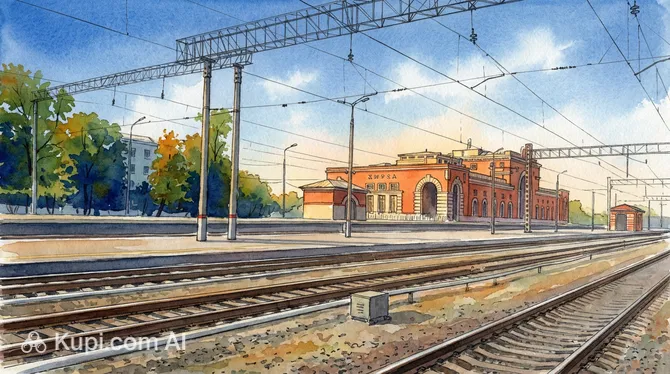
Kursk is a significant cultural and industrial hub located in the western part of the Russian Federation. Situated at the confluence of the Kur, Tuskar, and Seym rivers, this city offers a unique blend of urban energy and deep-rooted heritage. With a population of approximately 450,000 residents, it serves as a lively regional center where modern life coexists with centuries of tradition.
Kursk. Illustration.
Source: Kupi.com AI
The city is renowned for its resilience and pivotal role in the past. Visitors interested in the events that shaped the region can delve into the history of Kursk, which spans nearly a thousand years. While it is internationally famous for the monumental World War II tank battle that took place nearby, the city itself was founded as a fortress much earlier and has long served as a key defensive and trade outpost.
Travelers will find several captivating landmarks to explore. The majestic Znamensky Cathedral stands as an architectural jewel in the city center, impressing guests with its scale and beauty. For those looking to honor the past, the Victory Memorial Complex provides a solemn and impressive tribute to the heroes of the Great Patriotic War. Additionally, the city features pleasant green spaces and the elegant Pushkin Drama Theatre, perfect for a cultural evening.
Whether you are drawn by the allure of historical monuments, orthodox architecture, or simply wish to experience the atmosphere of a classic Russian city, Kursk welcomes visitors with its stories and hospitality.
Weather Overview
Kursk experiences a temperate continental climate characterized by distinct seasonal changes, ranging from freezing winters to pleasantly warm summers. Visitors can expect a significant contrast in temperatures throughout the year, so checking the forecast before packing is highly recommended.
The winter months are typically cold, with January being the chilliest time of the year, averaging around -5.1°C. Temperatures frequently drop to lows of -7.5°C, and the city sees a high number of wet or snowy days, particularly in December. Travelers planning a trip during this season should bring heavy coats and warm layers to stay comfortable.
Summer brings a welcome warmth to the region. August is generally the warmest month, with average temperatures reaching 20.6°C and daily highs climbing up to 26.1°C. While June and July can be somewhat damp with around 10 to 12 wet days each, August tends to be drier. For a detailed breakdown of what to expect during your specific travel dates, you can view the weather in Kursk.
Spring and autumn act as transitional periods with moderate conditions. April and May see temperatures rising steadily from 8.5°C to 13.4°C, offering a fresh atmosphere for sightseeing. Conversely, September remains relatively mild with averages around 14.9°C before the cooler air of late autumn sets in.
Average monthly temperature
Average monthly precipitation
Interesting Facts
Beyond the main attractions, Kursk holds many fascinating secrets and unique features that often escape the casual observer. From massive natural phenomena to sweet local symbols, the city offers plenty of intriguing details for the curious traveler.
The region sits atop the Kursk Magnetic Anomaly, which is the largest of its kind on Earth. The iron ore deposits located here are so vast that they create a magnetic field strong enough to interfere with compass needles, a phenomenon that has puzzled scientists and travelers for decades.
Kursk is widely famous for its "singing" brand—the nightingale. The local nightingales are considered the best singers in Russia, known for their complex trills that can include up to 24 different musical phrases, far exceeding the songs of birds in other regions.
The city has a particularly delicious symbol: the Antonovka apple. This aromatic fruit is so beloved in the area that a dedicated monument to the "Kursk Antonovka" stands in the city, celebrating the region's rich gardening traditions and agricultural heritage.
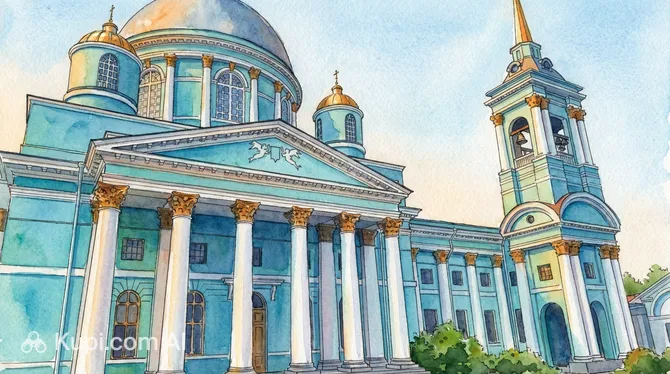
The majestic Znamensky Cathedral has a surprisingly varied history. Built to commemorate the victory in the Patriotic War of 1812, the building served as a cinema during the Soviet era before being restored to its original spiritual function.
Znamensky Cathedral. Illustration.
Source: Kupi.com AI
Traveller photos:
How to Get There
Reaching this destination requires a bit of planning, as direct international flights may not be currently available or might be limited. To ensure a smooth journey, you can check all ways to reach the city and choose the option that best fits your itinerary. The region is primarily served by transport hubs located in neighboring cities, allowing for a combination of air and ground travel.
The city of Kursk does not have its own major international airport listed for direct connections, but you can fly into Belgorod Airport (IATA: EGO) in the city of Belgorod, which is about 126 km away. This serves as a convenient entry point for many travelers. From there, you can arrange a transfer by taxi or bus to reach the city center. Another significant option is Chertovitskoye (IATA: VOZ), located in Voronezh, approximately 210 km from Kursk. Travelers can also consider Lipetsk Airport (IATA: LPK), situated roughly 252 km away, as an alternative gateway to the region.
For clarity, here is a summary of the main airports in the vicinity:
Traveling by train is often the most direct method for arriving in the city. The Kursk Railway Station is the primary hub, situated directly in Kursk, just 2.3 km from the city center. It is a major station serving a large volume of passengers annually. Upon arrival, a quick taxi or bus ride of about 25 minutes will take you to the heart of the city and its attractions.
For those arriving from other directions, the Lgov-Kiyevsky Station in the town of Lgov is another alternative, located roughly 65 km away. While less central, it provides additional access points to the region. The journey from this station to Kursk takes approximately 2 hours by road.
Below is a list of railway stations serving the area:
Station
Passenger traffic
Distance
Kursk Railway Station
920,000
2 km
Kurchatov Railway Station
—
37 km
Shchigry Railway Station
45,000
52 km
Lgov-Kiyevsky Station
200,000
65 km
Rzhava Railway Station
—
67 km
Cheremisinovo Station
30,000
75 km
Main Attractions
Kursk offers a variety of historical and cultural sites that reflect its rich heritage and significance in Russian history. From monumental war memorials to stunning religious architecture, the city provides visitors with compelling places to explore.
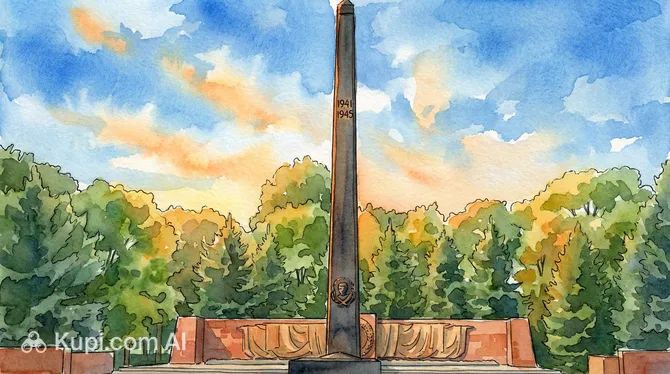
A visit to the city would be incomplete without seeing the Victory Memorial. This expansive complex is dedicated to the soldiers who fought in the Great Patriotic War, specifically commemorating the pivotal Battle of Kursk. The site features an eternal flame, a towering obelisk, and an alley of military hardware that allows tourists to see tanks and artillery pieces up close. It is a solemn and majestic place that offers a deep insight into the region's military past.
Victory Memorial. Illustration.
Source: Kupi.com AI
Traveller photos:
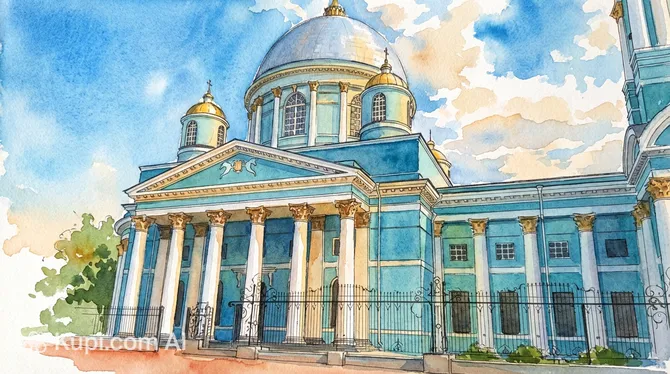
For admirers of architecture, the Sergiev-Kazan Cathedral is a must-see masterpiece. Built in the mid-18th century, this cathedral is a brilliant example of the Elizabethan Baroque style. Its striking blue façade, intricate gold detailing, and multi-tiered bell tower make it one of the most photogenic landmarks in the city. Inside, visitors can admire the towering iconostasis, which is carved with exceptional craftsmanship, creating an atmosphere of spiritual grandeur.
Sergiev-Kazan Cathedral. Illustration.
Source: Kupi.com AI
Traveller photos:
To gain a comprehensive understanding of the area's development, travelers should visit the Kursk Regional Museum of Local Lore. Housed in a historical building, the museum boasts a collection of over 180,000 exhibits. The displays range from archaeological finds and ethnographic costumes to rare books and weaponry. It is an excellent spot for families and history buffs to learn about the natural history and cultural evolution of the Kursk region.
Kursk Regional Museum of Local Lore. Illustration.
Source: Kupi.com AI
Traveller photos:
Those seeking a quiet retreat within the city center will appreciate the Heroes of the Civil War Park. This green space offers a peaceful environment for walking and relaxation away from the urban bustle. The park contains monuments dedicated to historical figures and events, blending nature with memory. It is a popular spot for locals to stroll and serves as a pleasant interlude during a day of sightseeing.
Local Cuisine
The culinary landscape of Kursk is deeply rooted in the traditions of Central Russia, offering hearty and comforting meals that make the most of the region's agricultural wealth. Visitors will find a cuisine characterized by rich soups, savory pies, and meat dishes prepared with locally sourced ingredients. One cannot speak of the local food without mentioning the famous Antonovka apple. While it is a symbol of the city, biologically, it is also a staple ingredient used in everything from sweet pastries and jams to the traditional "soaked apples" (mochenye yabloki), a fermented treat with a distinct tangy flavor that is a must-try for any gastronome.
For a substantial meal, travelers should try classic staples that are popular in local households and restaurants alike. Rich borscht served with sour cream and garlic pampushki (buns) is a favorite, as are pelmeni (meat dumplings). Given the region's fertile soil, potato dishes are also prevalent, often served with mushrooms or local herbs. Savory pies, such as kulebyaka filled with meat, cabbage, or fish, make for a perfect filling lunch during a day of sightseeing.
When it comes to beverages, the city offers both refreshing non-alcoholic options and distinct local spirits. In the warmer months, fresh kvass—a fermented drink made from rye bread—is sold on many street corners and is an excellent thirst quencher. Fruit kompots made from local berries are also widely available. For those interested in something stronger, the "Kursk Balsam" is a well-known herbal liqueur infused with a variety of roots and herbs, often enjoyed with tea or coffee and bought as a tasty souvenir.
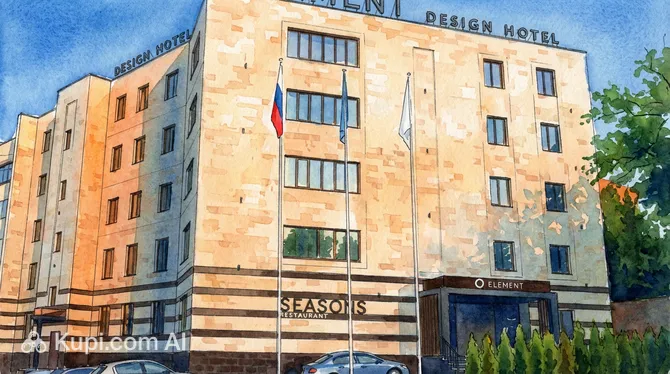
Element. Illustration.
Source: Kupi.com AI
Traveller photos:
The dining scene in Kursk has evolved significantly, blending traditional eateries with modern gastronomic trends. You can find everything from quick street food kiosks to elegant establishments. For a sophisticated evening, Element offers a refined menu that often highlights modern European and Russian cuisine. If you are looking for a more vibrant, creative atmosphere, Serebryanaya Fabrika is a popular spot among locals, functioning as both a bar and a cultural venue. Coffee lovers can take a break at places like Donut Brew Bar, which is perfect for a sweet treat. Additionally, large shopping centers often host a variety of dining options; for instance, you might find convenient bites while visiting Megagrinn.
Travel Tips
Planning a trip to Kursk requires a bit of preparation to ensure a smooth and enjoyable experience. These practical tips will help you navigate the local customs, logistics, and daily life in this historic Russian city.
Clothing and Gear: Pack according to the season; winters require thermal wear, heavy coats, and anti-slip boots, while summers are pleasant enough for light clothing. Comfortable walking shoes are a must for exploring the city center and parks. If you plan to visit religious sites like the Znamensky Cathedral, modest dress is required: women should cover their heads and wear skirts or long trousers, while men should avoid shorts and remove hats.
Transportation: The city has an extensive network of buses, trolleybuses, and trams that cover most areas of interest. For a more direct route, ride-hailing apps like Yandex Go are widely used and often more convenient than hailing a taxi on the street. While car rental is available, the combination of public transport and affordable taxis is usually sufficient for most tourists.
Finances: The official currency is the Russian Ruble (RUB). Be aware that credit and debit cards issued by foreign banks may not work at local terminals or ATMs, so it is essential to carry sufficient cash. You can exchange currency at major bank branches. Tipping is appreciated in restaurants, typically around 10% of the bill if the service was good.
Health and Safety: Pharmacies, marked with a green cross and the word "Apteka", are easy to find, and many operate 24/7 in the city center. Kursk is generally safe for travelers, but it is wise to keep an eye on your belongings in crowded places. Stick to well-lit areas at night and keep digital or physical copies of your travel documents with you.
Communication: Russian is the primary language, and English may not be widely spoken outside of major hotels or tourist spots. It is highly recommended to download an offline translation app and an offline map to help with navigation and communication. A local SIM card can be purchased at mobile shops with your passport for easier internet access.
Local Etiquette: Russians value politeness; a firm handshake is a common greeting for men, while a nod or verbal greeting works for others. When entering a local home, always remove your shoes at the door. In public transport, it is customary and expected to give up your seat to elderly passengers, pregnant women, or parents with small children.
What to Avoid: Avoid drinking alcohol in public spaces like streets, squares, or parks, as this is prohibited by law and can attract fines. Additionally, refrain from photographing government buildings, security personnel, or strategic infrastructure to avoid any misunderstandings with local authorities.
Useful Local App: To navigate the city like a local, download the 2GIS app. It provides highly detailed offline maps, accurate public transport routes, and even business operating hours, often proving more reliable for local searches than global map services.
By keeping these practicalities in mind, you can focus on enjoying the rich history and warm hospitality that Kursk has to offer. A little preparation goes a long way in making your visit comfortable and memorable.
Entertainment & Nightlife
While Kursk may not have the frenetic 24-hour rhythm of a capital metropolis, its nightlife scene is vibrant and diverse, offering plenty of options for those looking to unwind after sunset. The city's evening entertainment is largely concentrated around the central Lenina Street and within major multi-purpose complexes that serve as hubs for leisure. From sophisticated lounge bars to energetic dance floors, the local atmosphere is welcoming, blending a modern Russian vibe with provincial hospitality.
For those seeking a trendy and cultural night out, Serebryanaya Fabrika is a standout venue. Located in a revitalized industrial space, it functions as a hybrid between a bar, a concert venue, and an art space. It attracts a creative crowd and is the place to go for live music performances, DJ sets, or simply enjoying craft drinks in a stylish, loft-like setting. The atmosphere here is generally relaxed but buzzes with energy during event nights.
Serebryanaya Fabrika. Illustration.
Source: Kupi.com AI
Traveller photos:
If you prefer a more interactive evening, the Noch Karaoke Club offers a lively environment where guests can showcase their vocal talents. Karaoke is a popular pastime in Russia, and this venue provides high-quality sound systems and a spirited crowd. It is an excellent spot to experience the local party culture, where groups of friends gather to sing and dance until the early hours.
A unique feature of entertainment in Kursk is the prevalence of large lifestyle centers that house multiple venues under one roof. The massive Megagrinn complex is a prime example, often referred to as a "city within a city." At night, it remains a focal point for entertainment, hosting bowling alleys, a cinema, restaurants, and nightclubs all in one location. This makes it a convenient choice for travelers who want to experience different activities without navigating across town.
Megagrinn. Illustration.
Source: Kupi.com AI
Traveller photos:
Beyond the nightlife, the city offers engaging daytime entertainment suitable for families and thrill-seekers. The Grinlandia Amusement Park provides open-air fun with various rides and attractions. Alternatively, for indoor excitement regardless of the weather, Play Ventura is a large indoor theme park featuring roller coasters and arcade games, making it a perfect stop for an afternoon of activity.
When planning a night out, keep a few practical tips in mind. Most clubs and popular bars start filling up around 10:00 PM or 11:00 PM. A "smart casual" dress code is the standard; while not overly formal, looking neat is expected, and some venues enforce "face control" at the door. Average prices for cocktails and entry fees are quite reasonable compared to larger Russian cities. For getting around late at night, public transport is limited, so it is highly recommended to use taxi apps like Yandex Go for a safe and fixed-price ride back to your accommodation. The city center is generally safe for evening strolls, particularly along the well-lit main avenues.
Parks & Museums
Kursk is a city that balances its industrial rhythm with serene green spaces and a dedication to preserving its heritage. For travelers looking to slow down or delve deeper into the local culture, the city’s parks and specialized museums offer the perfect respite. Whether you want to enjoy a leisurely stroll under the shade of ancient trees or explore the artistic and historical narratives of the region, there are plenty of spots to discover.
One of the most beloved recreational areas in the city center is May 1st Park. Located near the central square and adjacent to the river, this historic park is a favorite among locals for its scenic views and peaceful atmosphere. It serves as a green oasis where visitors can escape the urban noise, enjoy a relaxing walk along the paths, or simply watch the boats on the water. The park often hosts small festivals and outdoor events during the warmer months, adding a lively touch to its tranquil setting.
May 1st Park. Illustration.
Source: Kupi.com AI
Traveller photos:
Families traveling with younger companions will find Children's Park to be an excellent destination. Tailored specifically for younger visitors, this area features well-maintained playgrounds, walking paths, and recreational zones that encourage active play. It is a vibrant spot where parents can relax on the benches while children enjoy the outdoors, making it a convenient and safe stop for a family-friendly afternoon in the heart of the city.
Children's Park. Illustration.
Source: Kupi.com AI
Traveller photos:
Beyond its green zones, Kursk is home to a network of museums that chronicle its storied past. While the large regional museum is the most prominent, the city also boasts institutions dedicated to fine arts, military history, and literature. Visitors can seek out local galleries to admire works by Russian masters or explore smaller thematic exhibitions that highlight the region's archaeological finds and famous residents. These cultural venues provide a deeper context to the city's identity, celebrating everything from its resilience in wartime to its artistic achievements.
Getting Around
Navigating Kursk is relatively straightforward thanks to a comprehensive surface public transport network that connects the city center with residential districts and industrial zones. Since the city does not have a metro system, residents and visitors rely on a combination of buses, trolleybuses, and trams. In recent years, the fleet has been significantly modernized, with comfortable large-capacity buses gradually replacing the older, cramped minibuses (marshrutkas) that were once ubiquitous.
The tram network is a point of local pride and a special feature of the city's transit history. One of the oldest in the country, the Kursk tram system has been operating since 1898. While currently undergoing extensive renovation to upgrade tracks and rolling stock, the trams remain an atmospheric way to travel through certain parts of the city. Trolleybuses are also a key component of the infrastructure, offering an eco-friendly mode of travel along major avenues.
Paying for rides is convenient and modern. Most vehicles are equipped with electronic validators located near the doors. You can pay using a contactless bank card or a smartphone with NFC capabilities by simply tapping the terminal upon entry. If you prefer to use cash, you can pay the driver or conductor, though this fare is often slightly higher than the electronic rate. It is important to hold onto your ticket (paper or digital) until the end of your journey, as ticket inspections can occur.
For tourists, the most practical advice is to use navigation apps like Yandex Maps or 2GIS to plan routes in real-time. These apps show arrival times, bus stops, and the best connections. Public transport typically operates from around 6:00 AM until 11:00 PM, though frequency decreases significantly after 9:00 PM. During peak hours, traffic congestion can occur, so allow a little extra time if you have a strict schedule.
If you prefer more privacy or speed, taxis are a popular and affordable alternative. Ride-hailing apps like Yandex Go are the standard method for booking a car, offering fixed prices and eliminating the language barrier. For short distances in the warmer months, electric scooters are widely available for rent through various sharing apps, providing a fun way to zip between sights in the city center.
Accommodation
Finding a place to stay in Kursk is generally a straightforward process, with options to suit various travel styles and budgets. The city offers a range of accommodation that includes modern business hotels, smaller guesthouses, and an increasing number of comfortable rental apartments. While there are fewer luxury resorts compared to major tourist capitals, visitors will find plenty of clean, well-equipped establishments that provide good value for money.
For most tourists, the best area to stay is the city center, particularly along or near Lenina Street. Staying in this district places you within walking distance of the main cultural landmarks, such as the drama theater and the major cathedrals, as well as a variety of dining and shopping venues. This central location minimizes the need for long commutes and allows travelers to soak in the evening atmosphere of the city. For those seeking a quieter experience, there are also respectable options located in the greener, residential outskirts, though these will require a short taxi or bus ride to reach the main sights.
Prices in the region are generally affordable compared to larger Russian metropolitan areas. You can typically find budget-friendly hostels and economy rooms, as well as mid-range hotels that offer standard amenities like Wi-Fi and breakfast. Booking accommodation is best done through major online travel platforms or aggregators, which are widely used. However, contacting smaller guesthouses directly can sometimes yield better rates or more specific room choices.
A helpful tip for travelers is to book your accommodation in advance, especially if you plan to visit during May or August, when local holidays and festivals can increase demand. Securing your room early ensures you get the best location and price for your stay.
Nearby Cities
For those looking to explore the surroundings, Kursk serves as an excellent base for day trips to several interesting nearby locations. The region is dotted with cities that boast their own unique history, architecture, and cultural significance, making them perfect for short excursions.
One of the most culturally rich destinations nearby is Oryol. Often referred to as a literary capital, it is the birthplace or home of several famous Russian writers, including Ivan Turgenev and Ivan Bunin. Visitors can explore various literary museums and enjoy the city’s tranquil parks along the riverbanks. Another fascinating stop is Yelets, an ancient town renowned for its stunning religious architecture, particularly the massive Ascension Cathedral. Yelets is also famous for its traditional lace-making, a craft that has been preserved for centuries.
For those interested in a mix of industry and history, Stary Oskol offers a different perspective. It features well-maintained streets, beautiful orthodox churches, and monuments that tell the story of the region's development.
These nearby destinations offer a glimpse into the diverse culture and landscapes of the region, allowing travelers to broaden their experience beyond the city limits of Kursk.
Shopping & Souvenirs
To make the most of your visit to Kursk, exploring the local shopping scene is a must. The city offers a convenient mix of modern retail therapy and the hunt for unique local treasures. From large-scale malls that rival those in bigger metropolises to smaller shops offering authentic regional souvenirs, there are plenty of options to suit every taste and budget.
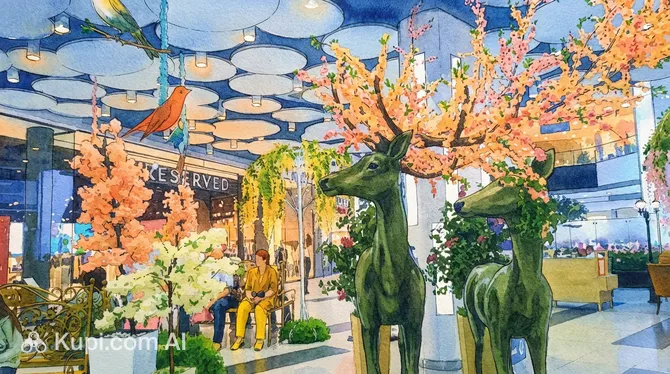
One of the premier destinations for fashion and lifestyle shopping is the Central Park Shopping Mall. Located centrally, this modern complex is a bustling hub featuring a wide array of international and Russian clothing brands, electronics stores, and cosmetic boutiques. Its contemporary architecture and convenient location make it a popular meeting place. After browsing the latest collections, visitors can head to the food court or enjoy the recreational areas within the mall.
Central Park Shopping Mall. Illustration.
Source: Kupi.com AI
Traveller photos:
Another retail giant in the city is Megagrinn. While it is well-known for its entertainment facilities, its shopping galleries are equally impressive. This vast complex functions as a "city within a city," offering everything from large hypermarkets for daily necessities to specialized sports, furniture, and jewelry stores. It is an ideal stop for families, allowing for a combination of practical shopping and leisure activities under one roof.
For those seeking items with local flavor, the city offers distinct souvenirs rooted in its cultural symbols. The "Kursk Antonovka" apple is a regional icon; visitors can find ceramics, magnets, and textiles featuring this famous fruit in gift shops. Similarly, the Kursk Nightingale is celebrated through various handcrafted whistles and clay figurines that make for charming keepsakes. Additionally, a bottle of "Kursk Balsam," a local herbal liqueur, is a popular gift choice available in grocery stores and specialty wine shops throughout the city.
We use cookies and services to collect user information. This is essential for the functioning of the site and for marketing purposes. You can find out more in .