Support

Rostov-on-Don

About

Welcome to Rostov-on-Don, a vibrant and bustling metropolis often referred to as the "Gateway to the Caucasus." As a major port city and cultural hub in the southern part of the Russian Federation, it offers a unique blend of modern urban energy and relaxed southern hospitality. The city is renowned for its lively atmosphere, rich culinary traditions, and the majestic flow of the Don River, which shapes much of local life and leisure.

Geographically, Rostov-on-Don is strategically located on the banks of the Don River, just a short distance from the Sea of Azov. This favorable location contributes to its temperate continental climate, characterized by hot, sunny summers and relatively mild winters. With a population exceeding 1.1 million people, it is the administrative center of the Rostov Oblast and serves as a crucial transport and economic node for the entire region.

Rostov-on-Don. Source: Kupi.Binoculars

The city's past is deeply intertwined with the legacy of the Don Cossacks and its role as a trading outpost. Exploring the history of Rostov-on-Don reveals its evolution from a customs house and fortress into a flourishing commercial center. Visitors can sense this heritage in the architecture of the old town and the numerous monuments scattered throughout the streets.

Travelers are drawn to several key attractions that define the city's character. The picturesque Embankment along the Don River is a favorite spot for walking, offering beautiful views and boat tours. Across the river lies the famous "Levberdon" (Left Bank of the Don), a recreational area packed with restaurants and sandy beaches. Additionally, a stroll down Bolshaya Sadovaya Street allows visitors to admire stunning 19th-century merchants' mansions and vibrant public squares.

Whether you are interested in river cruises, tasting the famous local crayfish, or simply soaking up the sun in a lively park, Rostov-on-Don promises a memorable experience. It is a city that invites you to slow down and enjoy the warmth of southern Russia.

Weather Overview

The climate in this region is defined by distinct seasonal contrasts, offering hot summers and relatively cold winters. During the peak summer months of July and August, the city warms up significantly, with average temperatures climbing to around 25°C and maximum highs frequently exceeding 30°C. This period is generally the driest part of the year, with August and September recording only about 4 wet days each.

As the seasons change, temperatures drop, leading to chillier conditions in winter. January is typically the coldest month, with an average temperature of -1.1°C and lows that can reach -3.9°C. Precipitation becomes more frequent during the cooler months, with January experiencing up to 12 wet days. For a comprehensive forecast and monthly breakdowns, you can consult the detailed guide to the weather in Rostov-on-Don.

Interesting Facts

Beyond its reputation as a southern trading hub, Rostov-on-Don holds many fascinating secrets and historical quirks that often escape the casual observer. From architectural oddities to legendary nicknames, the city offers a wealth of stories for the curious traveler.
Paramonov Warehouses. Source: Kupi.Binoculars
  • The "Papa" of Cities: You might hear locals refer to their home as "Rostov-Papa." This nickname dates back to the late 19th and early 20th centuries when the city was a booming, chaotic trade center with a notorious criminal underground. In Russian folklore, it became the masculine counterpart to "Odessa-Mama," signifying its status as a sanctuary for fugitives and a capital for the "free people" of the south.

  • A Building Shaped Like a Tractor: The city is home to a masterpiece of Soviet Constructivism, the Maxim Gorky Academic Drama Theatre. Designed in the 1930s, the building was deliberately shaped to resemble a giant tractor, symbolizing the region's agricultural industrialization. It is said to be one of only two architectural models representing Russia in the London Museum of the History of Architecture, the other being St. Basil's Cathedral in Moscow.

  • Natural Cooling System: The 19th-century Paramonov Warehouses were an engineering marvel of their time. Built by a wealthy merchant, they utilized natural springs flowing from the Don's banks to create a year-round cooling system. The water was channeled through pipes in the walls, maintaining a constant temperature ideal for storing grain, a mechanism that functioned without a single pump.

  • Crossing Continents: Geographers have long debated the exact boundary between Europe and Asia, with many drawing the line along the Don River. This means that when you cross the Voroshilovsky Bridge to the Left Bank, you are technically traveling from Europe into Asia, making the city a unique meeting point of two parts of the world.

How to Get There

Reaching this southern metropolis is convenient due to its status as a major transportation hub. Whether you prefer flying or taking a scenic train ride, there are multiple options available. For a comprehensive guide on all available routes and transport modes, you can read more about how to get to Rostov-on-Don on our detailed page.

The primary air gateway for the city is Platov Airport (IATA: ROV). Located approximately 33.2 km from the city center, it is a modern international airport serving millions of passengers annually. The journey from the airport to the downtown area typically takes around 70 minutes by taxi or car, depending on traffic conditions. Regular bus services also connect the terminal to the city, offering an affordable transfer option.

Alternatively, travelers can fly into Pashkovsky (IATA: KRR), situated in the neighboring city of Krasnodar. This airport is about 248.5 km away from Rostov-on-Don. While it is a significant regional hub with high passenger traffic, the transfer to Rostov-on-Don is considerably longer, taking approximately 6.5 hours by road. This option serves as a viable alternative if direct flights to Rostov are unavailable.

For clarity, here is a summary of the main airports:

Airport Name City Passenger Traffic Km from City
Pashkovsky Krasnodar Large 248.5
Platov Airport Rostov-on-Don Medium 33.2

Rail travel is another popular and efficient way to arrive, with the city serving as a key junction on the route to the Caucasus and the Black Sea coast. The main railway hub is Rostov-Glavny Station, located just 2.1 km from the city center. As a major station with heavy passenger traffic, it offers excellent connectivity and easy access to local transport, allowing you to reach your hotel or the central sights in just a few minutes.

Travelers might also consider regional connections through nearby towns. For instance, the Taganrog-Passazhirsky Station (New Station) is located in Taganrog, approximately 59.4 km from Rostov-on-Don. While it handles significantly less traffic than the main city station, it connects the surrounding areas. A trip from Taganrog to Rostov-on-Don takes about 1 hour and 50 minutes by road.

Below is a list of railway stations serving the area:

Station City Passenger Traffic Km to Center
Rostov-Glavny Station Rostov-on-Don Large 2.1
Taganrog-Passazhirsky Station (New Station) Taganrog Medium 59.4
Zernograd Station Zernograd Small 63.2
Bataysk Railway Station Bataysk 11.6
Novocherkassk Railway Station Novocherkassk 36.6

Main Attractions

Attractions:

Rostov-on-Don is a city where history and modernity coexist seamlessly, offering a wide range of sights for every type of traveler. From ancient religious monuments to sprawling wildlife parks and contemporary entertainment centers, the city provides numerous opportunities for exploration and leisure.

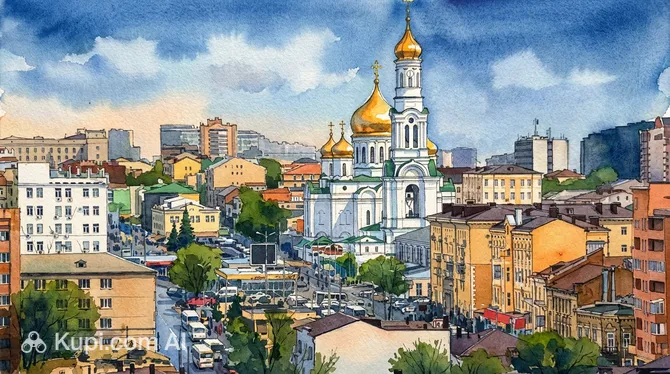
One of the most recognizable symbols of the city is the Cathedral of the Nativity of the Blessed Virgin Mary. Located near the bustling Central Market, this majestic golden-domed structure is a smaller replica of the Cathedral of Christ the Saviour in Moscow. Built in the mid-19th century by the renowned architect Konstantin Thon, it serves as the spiritual heart of the region. Tourists are drawn here not only for religious reasons but also to admire its stunning architecture and the vibrant atmosphere of the surrounding historic district.

Cathedral of the Nativity of the Blessed Virgin Mary. Source: Kupi.Binoculars

Families and nature lovers should not miss the Rostov Zoo, which is one of the largest in Russia. Covering a vast territory, it is home to thousands of animals, including rare and endangered species like the Amur tiger and the polar bear. The zoo is particularly interesting for its spacious enclosures and park-like setting, making it a perfect destination for a full day of walking and learning about wildlife conservation.

For those interested in the deep history of the Don region, the Rostov Regional Museum of Local Lore is an essential stop. The museum houses an impressive collection that spans centuries, featuring artifacts from ancient Scythian burial mounds, items related to the distinct culture of the Don Cossacks, and exhibits on the city's merchant past. It offers a fascinating insight into the unique cultural identity of southern Russia.

Rostov Zoo. Source: Kupi.Binoculars

If you are looking for modern entertainment and relaxation, the H2O Water Park is a top-tier facility that attracts visitors from all over the region. This massive indoor and outdoor complex features thrilling water slides, a variety of swimming pools, and an extensive spa zone with different types of saunas. It is an ideal place to unwind and have fun, regardless of the weather outside.

Finally, a visit to the city would be incomplete without a stroll through Gorky Park. As the oldest park in Rostov-on-Don, it serves as a central hub for social life, lined with shady alleys, cafes, and amusement rides. It is a wonderful spot to observe local life, enjoy open-air concerts, or simply take a break from sightseeing in a lush, green environment.

Local Cuisine

Rostov-on-Don is a true paradise for food lovers, offering a rich culinary landscape that reflects its multicultural history and southern location. The local cuisine is a flavorful fusion of Russian, Ukrainian, Cossack, and Caucasian traditions, characterized by an abundance of fresh vegetables, aromatic herbs, and, of course, the bounty of the river. The city is often called the gastronomic capital of the south, inviting visitors to indulge in hearty meals and generous hospitality.

The absolute symbol of the city's gastronomy is the Don crayfish. Eating crayfish here is not just a meal; it is a long, social ritual often enjoyed with friends and local beer. These freshwater crustaceans are typically boiled in water with generous amounts of dry dill, salt, and secret spices, creating a tender and savory delicacy that every visitor must try. You will find them served in specialized restaurants and bathhouses throughout the city.

Another staple of the local diet is fish, thanks to the mighty Don River. Ukha (fish soup) is prepared in various ways, but the traditional Don version is rich, clear, and often made with several types of fish. Fried fish, particularly the small and crispy surmullet or chunks of carp and pike perch, is also widely popular. For meat lovers, the influence of the Caucasus brings excellent shashlik (grilled meat skewers) to the table, found everywhere from street stalls to high-end establishments.

Onegin Dacha. Source: Kupi.Binoculars

The city's restaurant scene is vibrant and sophisticated, blending historical charm with modern trends. For a taste of aristocratic Russian cuisine with a contemporary twist, travelers often visit Onegin Dacha. This establishment is celebrated for its elegant interior and dishes that pay homage to 19th-century traditions, such as Olivier salad with crayfish tails. If you prefer a focus on high-quality grilled dishes, Larisa Zharit is a well-known spot specializing in expert meat preparation and hearty portions.

When it comes to drinks, the region is emerging as a significant winemaking hub. The "Don Valley" produces unique wines from indigenous grape varieties like Krasnostop Zolotovsky and Tsimlyansky Black. Wine enthusiasts should explore places like LEO Wine & Kitchen, which focuses on seasonal local products and offers an extensive selection of regional wines. For non-alcoholic options, uzvar (a dried fruit compote) and refreshing bread kvass are perfect for cooling down during the hot southern summers.

No gastronomic tour is complete without a visit to the Central Market (Old Bazaar). It is the beating heart of Rostov's food culture, where locals shop for the freshest seasonal fruits, homemade cheeses, and the famous Don cured fish (rybets). The market is loud, colorful, and offers an authentic taste of the city's generous spirit, allowing tourists to sample local specialties right at the counters.

Travel Tips

To help you make the most of your visit to this warm and welcoming southern city, we have compiled a list of essential practical advice. These tips will assist you in navigating local customs, transportation, and daily life, ensuring your trip to Rostov-on-Don is as smooth and enjoyable as possible.

  1. Clothing and Gear: The climate here is continental, meaning summers are hot and sunny, while winters can be windy and damp. If visiting between June and August, bring light natural fabrics, sunglasses, and a hat to protect against the strong southern sun. For winter trips, a windproof jacket and warm layers are essential due to the chilling steppe winds. Comfortable walking shoes are a must year-round for exploring the cobbled streets and the long river embankment.
  2. Transportation: Rostov-on-Don relies heavily on a network of buses, trolleybuses, and trams, as there is no metro system in the city. Minibuses, known locally as marshrutkas, are a fast and popular way to get around, though they can be crowded. For a more comfortable journey, especially during rush hour, using mobile ride-hailing apps is highly recommended and affordable.
  3. Finances: The official currency is the Russian Ruble (RUB). While supermarkets and restaurants accept cards, cash is absolutely essential for visiting the famous Central Market, buying street food, or paying for small services. It is best to exchange foreign currency at official bank branches or specialized exchange points within the city center.
  4. Health and Safety: Pharmacies are widespread and easily engaging, marked by a green cross; many operate 24 hours a day. It is advisable to drink bottled water rather than tap water to avoid any digestive issues. In terms of safety, the city is generally welcoming, but standard precautions apply: keep an eye on your belongings in crowded places like markets and transport hubs.
  5. Communication: Russian is the primary language, and English proficiency may be limited outside of major hotels and high-end restaurants. It is highly practical to download an offline map and a translation app before your arrival. Purchasing a local SIM card is easy at mobile provider shops, provided you have your passport with you, ensuring you stay connected.
  6. Local Etiquette: "Rostovites" are known for their openness and southern temperament. A handshake is the standard greeting for men, while a polite nod works for others. If you are lucky enough to be invited to a local's home, it is customary to remove your shoes at the door and bring a small gift, such as chocolates or flowers, as a token of appreciation.
  7. What to Avoid: Do not attempt to swim in the Don River in unauthorized areas. The current can be strong, and water quality varies; stick to designated beaches or simply enjoy the view from a boat. Additionally, avoid refusing hospitality too bluntly, as locals take pride in their generosity and food culture.
  8. Market Life Hack: When visiting the Central Market (Old Bazaar), try to go in the morning. This is when the produce is freshest, and vendors are most cheerful. Don't be shy to ask for a taste before you buy—tasting is a part of the buying ritual here, especially for local cheese, pickles, and the famous cured fish.

By keeping these practical tips in mind, you will be well-prepared to embrace the vibrant rhythm of Rostov-on-Don. Whether you are bargaining at the bazaar or strolling along the Don, a little local knowledge goes a long way in creating unforgettable memories.

Entertainment & Nightlife

Rostov-on-Don is famous for its southern temperament, which translates into a vibrant and diverse nightlife scene. When the sun sets, the city transforms into a hub of entertainment, offering everything from laid-back riverside lounges to energetic dance clubs. The nightlife here is concentrated in a few key areas, making it easy to hop from one venue to another and experience the city's festive spirit.

The most popular destination for evening entertainment, especially during the warmer months, is the Don River Embankment (Beregovaya Street). This area buzzes with activity until the early hours, lined with open-air cafes, restaurants, and docked boats turned into party venues. Here, you will find Pier, a prominent complex that combines a restaurant and a nightclub. It is a favorite spot for locals and tourists alike to dance with a view of the river, enjoying the cool breeze and lively music.

Pier. Source: Kupi.Binoculars

Another focal point for nightlife is the historic city center, particularly around Gazetny Lane and Pushkinskaya Street. This area is known for its high concentration of trendy bars, gastropubs, and speakeasies tucked away in courtyards. For those seeking a stylish atmosphere with signature cocktails and Asian-inspired cuisine, Mao Lounge Bar offers a sophisticated setting perfect for socializing. If you are looking for a more high-energy party vibe, Cheeky Girls is another notable venue in the city's clubbing landscape.

The atmosphere in Rostov's venues is generally friendly but stylish. Most clubs and high-end bars enforce a "face control" policy and a smart-casual dress code, so it is advisable to dress up a bit for the evening—leave the sportswear at the hotel. The party usually starts late, with clubs filling up after 11:00 PM and continuing well into the morning. Prices are generally moderate compared to the capital, making a night out here excellent value for money.

One Sky Ferris Wheel. Source: Kupi.Binoculars

Beyond bars and clubs, the city offers excellent options for evening leisure that bridge the gap between day and night. A ride on the One Sky Ferris Wheel in October Revolution Park provides breathtaking panoramic views of the illuminated city and is a romantic way to start the evening. During the day, entertainment options abound with numerous theaters, the Rostov State Circus, and cultural spaces like the Makaronka Contemporary Art Center, which hosts exhibitions and experimental performances.

Safety and Transport: The central districts, including Bolshaya Sadovaya and the Embankment, are well-lit and generally safe for walking at night. However, it is always wise to stay in populated areas. For getting back to your accommodation, avoid hailing private cars on the street. Instead, use a reliable taxi app (such as Yandex Go) to ensure a safe journey and a fixed price.

Parks & Museums

Beyond its busy avenues and river trade, Rostov-on-Don surprises visitors with its expansive green zones and deep cultural footprint. The city offers a variety of spaces where nature and history intersect, ranging from modern amusement parks to solemn memorials that tell the story of the region's past.

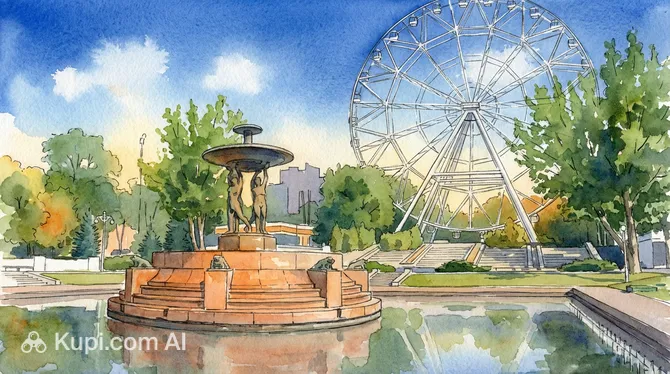
One of the city's most beloved recreational areas is the October Revolution Park. Located centrally, it is a perfect blend of nature and entertainment. Visitors can stroll through well-maintained alleys, admire the artificial lake inhabited by pink flamingos, or watch peacocks roaming freely on the lawns. The park is also home to the One Sky Ferris Wheel, which offers a bird's-eye view of the city, and numerous attractions for children, making it an ideal spot for family outings.

October Revolution Park. Source: Kupi.Binoculars

For those seeking a deeper connection with nature, the Southern Federal University Botanical Garden provides a vast sanctuary away from urban noise. Covering over 160 hectares, it is one of the largest university gardens in Russia. Here, you can explore a diverse collection of flora, including rare steppe plants native to the Don region and exotic tropical species housed in greenhouses. It is a quiet place for long walks, popular among locals for its fresh air and scenic landscapes.

Rostov-on-Don also preserves its history with great reverence. The Zmievskaya Balka Memorial Complex is a powerful and somber site located in the northern part of the city. Dedicated to the tens of thousands of citizens who perished here during the Second World War, the complex features a monumental sculpture and a museum hall. It stands as a significant reminder of the city's resilience and is a place for quiet reflection.

Zmievskaya Balka Memorial Complex. Source: Kupi.Binoculars

On the contemporary side of the cultural spectrum, the Makaronka Contemporary Art Center offers a glimpse into the modern creative scene. Housed in a former pasta factory, this venue has transformed an industrial space into a hub for experimental art, theater performances, and street art exhibitions. It reflects the gritty, innovative spirit of the city's youth and is a must-visit for fans of urban culture.

For a truly authentic local experience, seek out the Gremuchiy Spring. Hidden within the city's terrain, this natural spring flows with crystal-clear water that remains cold year-round. It is equipped with swimming pools and changing rooms, and you will often find locals taking invigorating dips here, believing in the water's health benefits regardless of the season.

Getting Around

Navigating Rostov-on-Don is relatively straightforward, thanks to an extensive and diverse public transport network. While the city does not have a metro system, it relies on a well-developed web of buses, trolleybuses, and trams that connect the historic center with residential districts and the Left Bank. For faster connections, locals often use marshrutkas (minibuses), which are nimble and frequent, though they can be quite crowded during peak hours.

The payment system has been modernized significantly in recent years. In most large buses, trolleybuses, and trams, you can pay directly with a contactless bank card or a smartphone (if supported) at the terminal located near the door or by the driver. There is also a local transport card called "Prostor", which offers slightly reduced fares compared to cash payments. Paying with cash is still possible, but it is often a bit more expensive than using electronic methods. As of recent updates, a single trip typically costs between 30 and 40 rubles, depending on the method of payment and the type of vehicle.

For tourists, the most practical advice is to board large buses and trolleybuses through the front or middle doors where validators are usually installed. In minibuses, payment is typically made directly to the driver upon entry or exit—watch what the locals do or ask the driver. Public transport generally operates from 6:00 AM to 11:00 PM, though the frequency of service drops significantly after 9:00 PM. If you plan to stay out late, be prepared to use alternative transport.

Taxis are a very popular and affordable alternative to public transit. Major ride-hailing apps operate in the city, ensuring you can book a car without needing to speak the language or negotiate prices. Car-sharing services and electric scooter rentals have also become increasingly common, with scooters available for rent via mobile apps on many street corners in the city center, offering a fun way to explore the Embankment and parks.

A notable feature of the city's transport history is its tram network, which is one of the oldest in the region. While the network has shrunk over the decades, a ride on a tram through the older districts still offers a charming and atmospheric glimpse into the city's past. Additionally, for trips to the suburbs or nearby towns like Taganrog, the elektrichka (suburban commuter train) is a reliable and scenic option, departing from the main railway station.

Accommodation

Finding a place to stay in Rostov-on-Don is relatively easy, as the city offers a wide spectrum of accommodation options to suit various budgets and preferences. As a major transit hub and business center, the hospitality sector here is well-developed, ranging from economical hostels and Soviet-era guest houses to modern business hotels and luxury riverside resorts. Whether you are passing through on your way to the Black Sea or planning a longer cultural visit, there is something for everyone.

For most tourists, the best area to stay is the historic city center, particularly near Bolshaya Sadovaya Street and Pushkinskaya Street. Staying in this district places you within walking distance of the main attractions, parks, and the vibrant restaurant scene. You can find charming boutique hotels housed in renovated 19th-century mansions, offering a unique atmospheric experience. Alternatively, there are numerous modern apartments available for rent, which are a popular choice for families and groups seeking more privacy.

A unique feature of Rostov's accommodation landscape is the famous Left Bank of the Don (often called "Levberdon"). Located just across the river from the city center, this area functions as a recreational zone. Here, you will find resort-style hotels, country clubs, and recreation centers, many of which feature outdoor swimming pools, saunas, and direct access to sandy beaches. This area is ideal for travelers who want to combine city sightseeing with a relaxing resort vibe, especially during the hot summer months.

Voroshilovsky Bridge. Source: Kupi.Binoculars

Booking Tips: The city experiences a peak in tourism during the summer, as it is a popular stopover for Russians driving to the southern coast. Consequently, it is highly recommended to book accommodation in advance if you plan to visit in July or August. Prices in Rostov-on-Don are generally moderate compared to Moscow or Sochi, with plenty of mid-range options offering excellent value for money. Most properties can be booked via major online platforms or directly through their websites.

Nearby Cities

For those looking to explore the surroundings, Rostov-on-Don serves as an excellent base for day trips to several interesting nearby locations:

One of the most culturally significant destinations is Novocherkassk, known historically as the capital of the Don Cossacks. Located just a short drive from the city, it offers visitors a chance to dive deep into the region's heritage. The city is dominated by the massive Ascension Cathedral, one of the largest in Russia, and features the Ataman Palace, where travelers can learn about the traditions and history of the Cossack hosts.

Another favorite spot for a getaway is Taganrog, a charming port city situated on the shores of the Sea of Azov. Famous as the birthplace of the legendary playwright Anton Chekhov, Taganrog boasts a well-preserved historic center with 19th-century mansions, literary museums, and a picturesque stone stairway leading down to the waterfront. It provides a refreshing coastal atmosphere and a rich dose of literary history.

City Population Distance (km)
Taganrog 250287 60
Shakhty 235492 65
Novocherkassk 168766 37
Bataysk 126769 11
Novoshakhtinsk 108345 61

These nearby destinations offer a glimpse into the diverse culture and landscapes of the region, ranging from industrial hubs to historic capitals and coastal retreats.

Shopping & Souvenirs

Shopping in Rostov-on-Don is a vibrant reflection of the city's character, blending modern retail therapy with the chaotic charm of traditional southern bazaars. Whether you are looking for international fashion brands, authentic local crafts, or delicious edible souvenirs, the city offers a diverse range of options to satisfy every taste and budget.

For a contemporary shopping experience, the city boasts several large-scale malls that serve as entertainment hubs for the whole family. One of the most popular destinations is Megamag, located on the Left Bank of the Don. This complex is not just about shops; it features a cinema, a rope park, and numerous cafes, making it a convenient stop for those relaxing near the river. In the northern part of the city, Vavilon attracts visitors with its mix of clothing stores, electronics retailers, and a large food court.

However, to truly understand the soul of the city, a visit to the Central Market (Old Bazaar) is mandatory. It is one of the oldest and most colorful markets in southern Russia. Here, the shopping experience is interactive; bargaining is encouraged, and vendors are eager to let you taste their wares. It is the best place to buy the region's most famous edible souvenir: dried and cured fish, particularly the oily and delicious rybets or shemaya. You can also find fragrant unrefined sunflower oil, homemade cheeses, and seasonal fruits bursting with flavor.

When searching for non-edible keepsakes, look for items that celebrate the region's heritage:

  • Semikarakorsk Ceramics: This is the signature artistic craft of the Don region. These faience products are easily joyful, characterized by bright floral painting and openwork designs. You can find tea sets, figurines, and plates that make for elegant gifts.
  • Cossack Souvenirs: Given the city's history, items related to Don Cossack culture are very popular. This includes traditional fur hats (papakha), decorative whips (nagaika), and stylized clothing.
  • Local Wine: As an emerging winemaking region, a bottle of local wine made from indigenous grape varieties like Tsimlyansky Black is a sophisticated gift for connoisseurs.

Bolshaya Sadovaya Street, the city's main avenue, is also lined with numerous boutiques, jewelry stores, and souvenir shops. A stroll down this street allows you to combine sightseeing with window shopping, admiring the historic architecture while looking for the perfect memento of your trip to the south.

Nearby cities

Reached the end of the page?

That means the route is fully explored