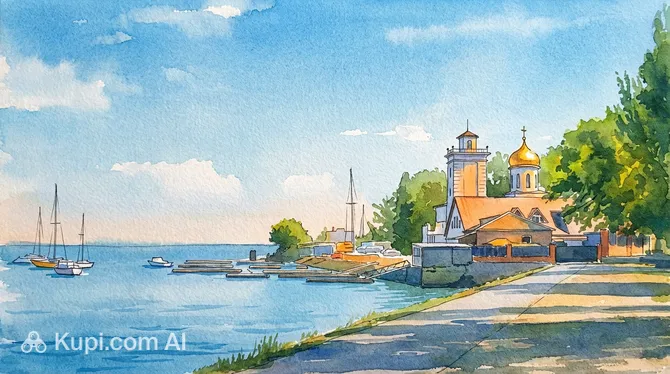
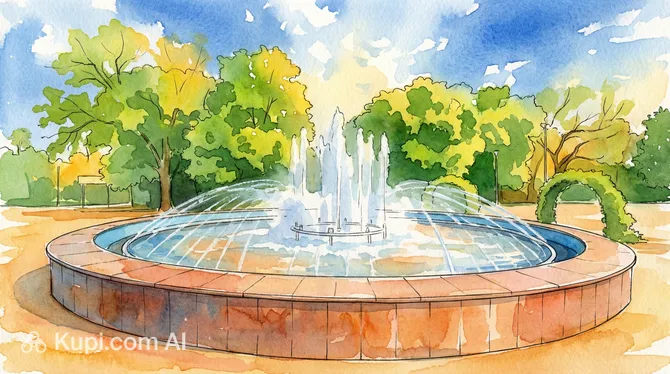
Taganrog is a historic port city located on the northern shore of the Taganrog Bay of the Sea of Azov. Situated in the Rostov Oblast of the Russian Federation, this city offers a unique blend of maritime atmosphere and deep cultural roots. With a population of approximately 250,000 residents, it serves as an important cultural and industrial hub in the southern part of the country, known for its mild climate and leafy streets.
Taganrog. Illustration.
Source: Kupi.com AI
The city holds a significant place in the nation's chronicles, having been founded by Peter the Great in 1698 as the first naval base of the Russian Navy. You can discover more about its transformation from a fortress to a bustling trade center by exploring the history of Taganrog. Today, it is perhaps best celebrated worldwide as the birthplace of the legendary writer Anton Chekhov. His legacy permeates the city, with numerous museums, monuments, and the small house where he was born preserved as major landmarks.
Visitors are often drawn to the picturesque Pushkin Embankment, which offers beautiful views of the sea and is perfect for leisurely evening strolls. Another architectural highlight is the Depaldo Stone Steps, a grand staircase connecting the city center to the waterfront, often compared to the famous steps in Odessa. Whether you are a literature enthusiast tracing the steps of Chekhov or simply seeking a coastal city with authentic character and well-preserved 19th-century architecture, Taganrog is a delightful destination to explore.
Weather Overview
Visitors to Taganrog can expect a climate defined by four distinct seasons, ranging from brisk winters to pleasant, sunny summers. The weather in Taganrog is influenced by its coastal position on the Sea of Azov, which often moderates extreme temperatures compared to inland regions.
During the summer months of June through August, the city becomes quite warm, with average temperatures climbing to 25.0°C and daily highs often reaching 29.1°C. These months are the driest part of the year, particularly August, which typically sees only about 4 wet days. In contrast, winter brings cooler air, with January averages dipping to -0.6°C and precipitation becoming more frequent, especially in December and January. Overall, expect warm summers with plenty of sunshine and cold winters with moderate precipitation.
Average monthly temperature
Average monthly precipitation
Interesting Facts
Beyond the well-trodden paths of the Stone Staircase and Chekhov's home, Taganrog holds fascinating historical secrets that surprise many travelers. This coastal city is woven with legends of emperors, revolutionaries, and unique architectural curiosities.
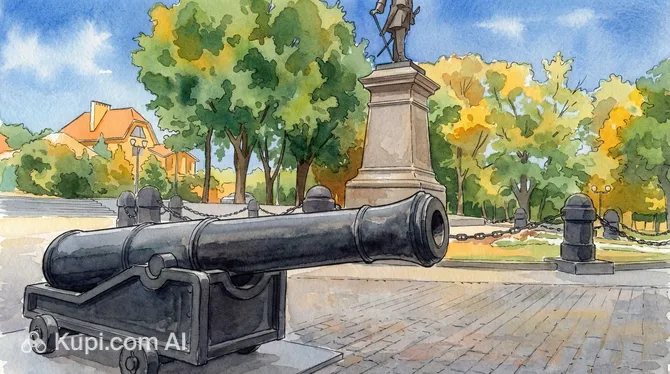
The Almost Capital: Before St. Petersburg was built, Peter the Great founded Taganrog as Russia's first naval base and seriously considered making it the capital of the empire. Although history took a different turn, the city's layout still reflects his grand vision, which is commemorated by the imposing Monument to Peter the Great overlooking the sea.
Garibaldi's Oath: The celebrated Italian hero Giuseppe Garibaldi lived in Taganrog during his youth as a merchant sailor. It was here that he joined the "Young Italy" political movement and took a solemn oath to fight for the unification of his homeland, linking the city forever to the history of the Italian Risorgimento.
A Royal Mystery: Tsar Alexander I died unexpectedly in Taganrog in 1825 while staying at a modest mansion. His sudden death far from the capital sparked enduring legends that he had actually faked his demise to become a wandering hermit named Fyodor Kuzmich.
Astronomical Rarity: At the top of the famous steps, you can find a unique Sundial installed in 1833. It is one of the oldest in the region and was constructed with a specially calculated gnomon that shows true local solar time rather than standard time.
Home of a Comedy Icon: While Chekhov is the city's most famous son, Taganrog is also the birthplace of the legendary actress Faina Ranevskaya. Known for her sharp wit and brilliant performances, her legacy is honored with the whimsical Monument to Faina Ranevskaya located near her childhood home.
Monument to Peter the Great. Illustration.
Source: Kupi.com AI
Traveler photos:
How to Get There
Reaching this historic port city is relatively straightforward, thanks to its proximity to major regional transport hubs. While the city itself is tucked away on the coast, it is well-connected to the wider transport network of the Rostov region. For those planning their journey, we recommend checking our detailed guide on all ways to reach the city to find the best route for your itinerary.
The city of Taganrog does not have its own airport, but you can fly into Platov Airport (ROV) in the city of Rostov-on-Don, which is about 82.6 km from Taganrog. This is the most convenient air hub for travelers, serving as a modern gateway to the region. From there, the transfer by taxi or bus takes approximately 2 hours and 25 minutes. Alternatively, you might consider Pashkovsky (KRR) in Krasnodar, though it is located significantly further away, about 243 km from the city, making the ground transfer much longer.
For clarity, here is a summary of the main airports:
If you prefer rail travel, the city is directly accessible via the Taganrog-Passazhirsky Station (New Station). This station is conveniently located just 5.6 km from the city center, allowing for a quick taxi or bus ride to your accommodation. For more extensive connections, many visitors arrive at Rostov-Glavny Station in Rostov-on-Don, which is about 59 km away. As a major railway hub, it handles a high volume of long-distance trains, and from there, you can easily catch a commuter train (known as an "elektrichka") or a bus to Taganrog.
Below is a list of the nearest railway stations:
Station
Passenger traffic
Distance
Taganrog-Passazhirsky Station (New Station)
350 000
6 km
Pervomayskaya Station
—
52 km
Uspenskaya Station
—
56 km
Vysotchino Station
—
58 km
Rostov-Glavny Station
4.7 mln
59 km
Bataysk Railway Station
—
64 km
Main Attractions
Taganrog is a city best explored at a leisurely pace, where every street corner seems to whisper stories from the 19th century. The local architecture and well-preserved landmarks offer a journey back in time, particularly to the era of the city's most famous son, Anton Chekhov. Here are some of the key places you should not miss during your visit.
One of the most recognizable symbols of the city is the Stone Staircase. Built in 1823, this grand structure was originally funded by a wealthy local merchant to connect the city center with the waterfront. Stretching for over 100 meters, it features 188 steps and offers a stunning panoramic view of the Taganrog Bay. It is a favorite spot for both locals and tourists to exercise, watch the sunset, or simply admire the scenery where the steppe meets the sea.
Stone Staircase. Illustration.
Source: Kupi.com AI
Traveler photos:
For literature lovers, a visit to the Anton Chekhov House Museum is absolutely essential. This tiny, whitewashed cottage is where the world-renowned writer was born in 1860. The museum meticulously preserves the atmosphere of a modest merchant family's life in the mid-19th century. Visitors can walk through the small rooms, see the family's personal belongings, and gain insight into the early years that shaped the future playwright's worldview.
Anton Chekhov House Museum. Illustration.
Source: Kupi.com AI
Traveler photos:
If you are looking for a place to relax among greenery, head to Gorky Park. Established in 1806 as the Apothecary Garden, it is often cited as the prototype for the "generic provincial garden" in Chekhov's works. Today, it is a vibrant public space filled with century-old trees, winding paths, and modern amusements. It serves as the green heart of the city, perfect for a family outing or a quiet break from sightseeing.
Gorky Park. Illustration.
Source: Kupi.com AI
Traveler photos:
To deepen your understanding of the city's literary heritage, explore the Anton Chekhov Literary Museum. Housed in the magnificent building of the former Boys' Gymnasium where Chekhov studied, this museum is an architectural gem in itself. The exhibits focus on the writer's school years and the history of Taganrog, offering a fascinating look at the rigorous educational system of Imperial Russia that influenced many of Chekhov's characters.
Anton Chekhov Literary Museum. Illustration.
Source: Kupi.com AI
Traveler photos:
Local Cuisine
The culinary identity of Taganrog is deeply intertwined with its location on the shores of the Sea of Azov. The local gastronomy is a flavorful blend of Southern Russian traditions, Cossack influences, and the abundant gifts of the sea. For any traveler, the city offers a unique chance to taste the freshest catch from the bay, which serves as the cornerstone of the local diet.
When it comes to main dishes, fish takes center stage. A must-try local specialty is fried gobies (known locally as "bychki"). These small, flavorful fish are typically pan-fried until golden and crispy, often served in large piles to be eaten like a snack. Another delicacy is the Don crayfish, boiled with fragrant dill and spices, which is a beloved ritual in the Rostov region. For a heartier meal, look for traditional Ukha (fish soup) or dishes made with pike-perch, which is prized for its tender white meat.
The city's dining scene ranges from casual seaside stalls to atmospheric restaurants that pay homage to Taganrog's cultural history. A standout establishment is the famous art-café Freken Bok. Named after the character from a story by Astrid Lindgren and dedicated to the legendary actress Faina Ranevskaya, who was born in Taganrog, this place is renowned for its homemade pastries, coffee, and nostalgic interior filled with photographs and books.
Freken Bok. Illustration.
Source: Kupi.com AI
Traveler photos:
For those seeking a break from seafood, the city also boasts excellent steakhouses and modern European cuisine. The Butcher and the Bull is a popular spot among locals for high-quality meat dishes and burgers, offering a contemporary dining experience in the heart of the historic center. If you are looking for a place to unwind in the evening, local bars like Guzzler offer a friendly atmosphere to enjoy a drink.
To quench your thirst, try the local kvass, a fermented bread drink that is particularly refreshing during the hot southern summers. Tea culture is also significant here, a nod to the merchant history of the city; enjoying a cup of tea with local jam or "varenye" is a perfect way to end a meal. Whether you are snacking on street food near the embankment or dining in a historic mansion, Taganrog's food scene is sure to leave a lasting impression.
Travel Tips
Welcome to Taganrog! To help you navigate this charming coastal city with ease and confidence, we have compiled a list of essential travel advice. From managing your budget to getting around the historic streets, these practical tips will ensure your visit to Anton Chekhov’s hometown is as smooth and enjoyable as possible.
Clothing and Gear: The climate here varies significantly, so pack accordingly. In summer, lightweight and breathable fabrics are essential as it gets quite hot and humid, while winters require a warm, windproof coat to protect against the chilly sea breeze from the Taganrog Bay. Since you will likely be walking along the cobblestone streets and climbing the famous Stone Staircase, bring comfortable, sturdy walking shoes. If you plan to visit Orthodox churches, remember that modest dress is required: men should remove hats, and women are expected to cover their heads with a scarf and wear skirts or dresses that cover the knees.
Transportation: Taganrog is a compact city, and its historic center is best explored on foot. For longer distances, the city’s tram network is not only a practical way to travel but also a nostalgic experience, as it is one of the oldest in the region. Minibuses (marshrutkas) and regular buses are also widely available. For convenience, ride-hailing apps like Yandex Go are the most reliable way to book a taxi without needing to speak Russian; car rental is generally unnecessary for staying within the city limits.
Finances: The official currency is the Russian Ruble (RUB). Please note that credit and debit cards issued by banks outside of the Russian Federation generally do not work due to international banking limitations. It is strictly necessary to carry enough cash for your daily expenses or bring foreign currency (USD or EUR) to exchange at local bank branches. Tipping is appreciated in restaurants; leaving about 10% of the bill is standard practice if the service was good.
Health and Safety: Taganrog is generally a safe city for tourists, but standard precautions apply—keep an eye on your belongings in crowded places like the central market or the beach. Pharmacies (marked as Apteka with a green cross) are plentiful, and many operate 24/7. It is highly recommended to drink only bottled water, as the tap water quality can vary and may not be suitable for visitors unaccustomed to it.
Communication: The primary language is Russian, and English is not widely spoken outside of major hotels or museums. It is highly advisable to download a translation app and an offline map on your smartphone before you arrive. Learning a few basic phrases like "Zdravstvuyte" (Hello) and "Spasibo" (Thank you) will go a long way in breaking the ice. You can easily purchase a local SIM card at mobile shops in the city center by presenting your passport.
Local Etiquette: Russians value politeness and genuine interaction. When entering a local home, it is customary to remove your shoes at the door; hosts will often provide slippers. In public transport, it is an unwritten rule to offer your seat to elderly people, pregnant women, or parents with small children. When visiting museums, especially the Chekhov sites, maintain a respectful quietness, as these places hold deep cultural significance.
What to Avoid: Avoid drinking alcohol in public places such as streets, parks, or beaches, as it is prohibited by law and can result in a fine. Also, refrain from photographing government buildings or military installations, which is a general rule to follow throughout the country.
Seasonal Insight: If you are visiting in late summer, be prepared for midges and mosquitoes near the waterfront, especially in the evenings. Carrying a small bottle of insect repellent will make your sunset strolls along the Pushkin Embankment much more pleasant.
By keeping these simple tips in mind, you will be well-prepared to immerse yourself in the rich history and southern hospitality of Taganrog. We hope your journey is filled with memorable discoveries, delicious local cuisine, and the unique literary atmosphere that defines this special city.
Entertainment & Nightlife
Taganrog is not a sleepless metropolis, but it offers a charming and relaxed nightlife scene that reflects its southern soul. The evening entertainment here focuses less on large, thumping nightclubs and more on atmospheric bars, gastropubs, and cozy cafes where friends gather for long conversations. The city comes alive after sunset, particularly during the warm summer months when the cool sea breeze invites locals and tourists alike to stay out late.
The heart of the action is undoubtedly the historic center, specifically along Petrovskaya Street and the surrounding lanes. Here, you will find a concentration of venues ranging from quiet pubs to livelier spots with music. For a taste of the local bar culture, head to Rashen Strashen. This venue is popular for its distinctive interior and wide selection of drinks, making it a great place to immerse yourself in the local social scene. Another favorite among the younger crowd and beer enthusiasts is Guzzler, known for its friendly vibe and hearty snacks.
Rashen Strashen. Illustration.
Source: Kupi.com AI
Traveler photos:
In terms of atmosphere, Taganrog is casual and unpretentious. Most places do not have a strict dress code; "smart casual" is perfectly acceptable everywhere. The crowds are generally friendly, consisting of students, locals, and visitors enjoying the southern hospitality. Prices in Taganrog are significantly lower than in larger cities like Rostov-on-Don; a night out including drinks and a meal is quite affordable. Venues typically stay open until midnight or 2:00 AM on weekends, though some bars may close earlier on weekdays.
For those who prefer entertainment beyond bars, the city offers modern leisure complexes. The Marmelad Shopping Centre is a major hub for evening activities, housing a cinema, a food court, and various shops that stay open late. It is a perfect destination for families or those looking for a classic movie night in a comfortable environment.
Marmelad Shopping Centre. Illustration.
Source: Kupi.com AI
Traveler photos:
Safety in Taganrog is generally good, especially in the illuminated central districts and along the Pushkin Embankment. However, as in any city, it is advisable to stick to well-lit streets late at night. Getting around is easy; since public transport stops running relatively early, using a taxi app like Yandex Go is the most convenient and safe way to return to your hotel. The rides are inexpensive and usually arrive within minutes.
Before the sun goes down, there is plenty to keep you occupied. Apart from the historic museums and theaters, you can enjoy active recreation at the Krutopark Rope Park, which offers fun challenges for both children and adults. Whether you are navigating an obstacle course by day or sipping a craft beer by night, Taganrog ensures a pleasant and memorable experience.
Parks & Museums
Taganrog’s charm extends far beyond its literary connections, offering visitors a delightful mix of leafy promenades, diverse museum collections, and monuments that narrate the city's naval and technological history. Whether you are seeking a quiet bench with a sea view or a deep dive into local art and lore, the city provides ample opportunities to explore its cultural and natural heritage.
While the central Gorky Park is the most famous green space, Primorsky Park is another favorite among locals, especially during the warmer months. Located along the coastline, it offers a more relaxed, beachside atmosphere compared to the bustling center. It is the perfect spot to breathe in the fresh sea air, enjoy a picnic under the shade of mature trees, or take a dip in the Taganrog Bay. The park seamlessly blends natural beauty with recreational facilities, making it an excellent choice for a leisurely afternoon by the water.
The city's museum scene is surprisingly rich for its size. A standout institution is the Alferaki Palace, which houses the Museum of Local Lore and History. The building itself is an architectural masterpiece of the 19th century, featuring a magnificent facade and lavish interiors that once hosted grand balls. Inside, visitors can trace the region's history from ancient Greek settlements to the Cossack era and the bustling trade days of Imperial Russia. Another cultural gem is the Taganrog Museum of Art, often referred to as the "Tretyakov Gallery of the South." Its collection includes remarkable works by Russian masters, offering an intimate yet impressive art experience.
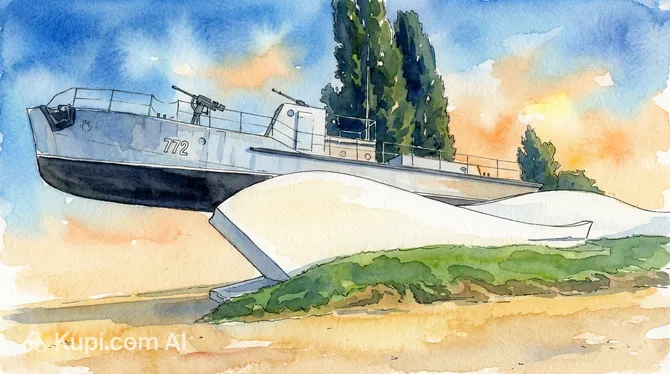
Walking through the streets, you will encounter monuments that highlight different chapters of the city's past. The Monument to the Sailors of the Azov Flotilla is a striking tribute to the naval defenders of the region. Located near the port, this torpedo boat mounted on a pedestal commemorates the bravery of sailors during World War II and serves as a reminder of Taganrog's strategic military importance.
Monument to the Sailors of the Azov Flotilla. Illustration.
Source: Kupi.com AI
Traveler photos:
For those interested in the history of space exploration, the Monument to Gagarin and Korolev is a unique landmark. It depicts the legendary cosmonaut Yuri Gagarin and the brilliant rocket engineer Sergei Korolev in conversation. The sculpture celebrates the city's connection to the radio engineering industry, which played a crucial role in the Soviet space program, making it a fascinating stop for technology enthusiasts.
Insider Tip: For a truly authentic experience, take a walk through the Bogudonia district. This old fishing settlement is a maze of narrow, winding paths leading down to the sea, filled with small boats and local character. It feels worlds away from the orderly grid of the city center and offers a glimpse into the traditional maritime life of Taganrog that few tourists get to see.
Getting Around
Getting around Taganrog is straightforward and affordable, thanks to a well-developed network of ground transportation. Since the city does not have a metro system, residents and visitors rely on a combination of trams, trolleybuses, buses, and fixed-route minibuses known as marshrutkas. The historic center is quite compact and pleasant to explore on foot, but for reaching outer districts or the beaches, public transport is essential.
The pride of the city's transport network is its tram system. Taganrog was one of the first cities in the region to adopt electric trams, and recently, the network has undergone a significant modernization. The new red trams are not only comfortable and air-conditioned but also equipped with USB charging ports and information screens. Riding a tram here is both a practical way to commute and a scenic journey through the city's leafy streets, blending modern convenience with historical charm.
Complementing the trams are trolleybuses and regular buses, which cover major avenues. However, the most ubiquitous form of transport is the marshrutka. These small white or yellow vans dash around the city, stopping at designated bus stops and sometimes on demand. They are faster than large buses but can get crowded during peak hours. Route numbers are clearly displayed on the windshields, and using a navigation app like Yandex Maps is highly recommended to figure out which number you need.
Regarding payment, the system is gradually becoming more digital, though cash remains useful. In the modern trams and large municipal buses, you can typically pay with a contactless bank card or a smartphone at validators located near the doors. The fare is generally inexpensive, usually costing around 30 to 35 rubles. In marshrutkas, payment is often made directly to the driver. While some accept transfers or cards, it is best to carry small change, as drivers prefer cash. In these minibuses, you usually pay upon entering, though local customs can vary, so watching what others do is a good strategy.
Public transport typically operates from early morning, around 6:00 AM, until late evening. However, frequency drops significantly after 9:00 PM or 10:00 PM. If you are out late, do not rely on catching a bus back to your hotel. For tourists, it is important to know that there are no strictly enforced time-based travel passes for short-term visitors; simply paying per ride is the standard and most convenient method.
For alternatives, taxis are extremely popular and affordable. The most reliable way to book a ride is through the Yandex Go app, which eliminates the language barrier and ensures a fixed price before you start the trip. Car-sharing services are less prevalent here than in larger metropolises, but electric scooters (kick-sharing) have become very popular for short trips along the embankment or through parks during the warmer months. Renting a bike is also an option for leisurely rides, particularly near the sea.
Accommodation
Accommodation in Taganrog caters primarily to travelers seeking comfort and value rather than opulent luxury. The city offers a welcoming range of options, from solid mid-range hotels and cozy guest houses to budget-friendly hostels. In recent years, the market for short-term apartment rentals has also grown significantly, providing a convenient "home away from home" for families and visitors planning extended stays.
The most convenient area to stay is undoubtedly the historic center. By choosing a location near Petrovskaya Street or the famous Stone Staircase, you will be within easy walking distance of the main museums, theaters, and the vibrant café scene. Staying in this district allows you to fully immerse yourself in the city's unique 19th-century atmosphere. Alternatively, lodging near the Pushkin Embankment offers beautiful views of the Taganrog Bay and immediate access to the seaside promenade for relaxing evening strolls.
Many local establishments are housed in renovated historical buildings, blending classic architecture with modern amenities. These boutique-style hotels often provide a more personalized and atmospheric experience compared to standard chain hotels. For business travelers, there are also several modern facilities equipped with necessary conveniences. Since Taganrog is a popular summer destination for regional tourists, the demand for rooms, especially those near the coast, increases significantly during the warm months.
Prices in Taganrog are generally quite reasonable compared to larger Russian cities, and you can often find excellent value for money in the mid-range category. To secure the best options, particularly if you plan to visit in July or August, it is highly recommended to book your accommodation well in advance. While some international booking platforms may have limited listings, many local hotels accept reservations directly through their websites or via phone.
Nearby Cities
For those looking to explore the surroundings, Taganrog serves as an excellent base for day trips to several interesting nearby locations:
Rostov-on-Don is the vibrant administrative center of the region and a major cultural hub of Southern Russia. Located just a short drive or train ride away, it offers a lively contrast to the quieter atmosphere of Taganrog. Visitors can enjoy a promenade along the famous embankment of the Don River, explore its lush parks, or dive into a diverse culinary scene that rivals the country's largest metropolises.
Novocherkassk holds a special place in history as the stunning capital of the Don Cossacks. The city is architecturally defined by the massive Ascension Cathedral, which is one of the largest Orthodox churches in Russia and a masterpiece of Neo-Byzantine style. A visit here offers a deep dive into Cossack traditions, with attractions like the Ataman Palace and numerous monuments celebrating the region's military past.
These nearby destinations offer a glimpse into the diverse culture and landscapes of the region.
Shopping & Souvenirs
Shopping in Taganrog offers a pleasant mix of modern convenience and provincial charm. While it may not be a global fashion capital, the city provides everything a traveler might need, from contemporary brands to unique local products. The experience here is relaxed and unhurried, allowing you to browse through historic streets and bustling markets without the overwhelming crowds found in larger metropolises.
The heart of the city's commercial life is undoubtedly Petrovskaya Street. As the main pedestrian-friendly artery of the historic center, it is lined with a variety of small boutiques, souvenir shops, and bookstores. Walking down this street is a shopping experience in itself, where you can admire the 19th-century architecture while looking for clothes, accessories, or local handicrafts. It is the perfect place to find independent stores that offer items you won't see in the standard chain outlets.
For those who prefer a comprehensive retail experience, the city boasts several modern malls. The largest and most popular is the Marmelad Shopping Centre. It serves as a major lifestyle hub for locals, featuring a wide range of clothing stores, electronics retailers, and a food court. It is the go-to spot for branded goods and entertainment. Another notable location is Raduga, a shopping mall that offers a variety of goods and services, making it a convenient stop for everyday needs.
Raduga. Illustration.
Source: Kupi.com AI
Traveler photos:
To truly understand the local lifestyle and culinary culture, a visit to the Central Market (Tsentralny Rynok) is essential. This is where the southern temperament of the city comes alive. The market is famous for its abundance of fresh, locally grown produce, from sweet tomatoes to fragrant sunflower oil. However, the star attraction here is the fish section. Given the city's location on the Sea of Azov, you will find an impressive selection of dried and smoked fish, such as taran and rybets, which are considered local delicacies.
When it comes to souvenirs, items related to Anton Chekhov are the most popular choice. You can find beautifully editioned books, mugs, and stationery featuring the writer's image or quotes in museum shops and bookstores along the main streets. Beyond literature, edible souvenirs are highly recommended. A bottle of aromatic, unrefined sunflower oil or a bag of dried fish makes for an authentic and tasty gift to bring back home. Local ceramics and paintings by regional artists also make for unique keepsakes.
Standard store hours in Taganrog are generally from 10:00 AM to 9:00 PM or 10:00 PM for large shopping centers. Smaller street shops and boutiques typically close earlier, around 7:00 PM or 8:00 PM. While major supermarkets and malls accept bank cards, it is important to remember that international cards may not work due to banking restrictions. Therefore, carrying sufficient cash (rubles) is highly advisable, especially when visiting the Central Market or small souvenir stalls where cash is often the only accepted payment method.
Regarding tax refunds, the Tax-Free shopping system is generally not available in Taganrog. Visitors should expect to pay the standard price inclusive of VAT, as the refund infrastructure found in major tourist hubs like Moscow or St. Petersburg is not established in this smaller regional city.