Support

Salekhard

About

Salekhard is a truly unique destination, distinguishing itself as the only city in the world located exactly on the latitude of the Arctic Circle. As the administrative center of the Yamalo-Nenets Autonomous Okrug in the Russian Federation, it serves as a fascinating gateway to the vast landscapes of the Polar Urals and the Siberian North. The city combines modern infrastructure with the deep-rooted traditions of the Arctic, creating an atmosphere that is both welcoming and distinctively mysterious.

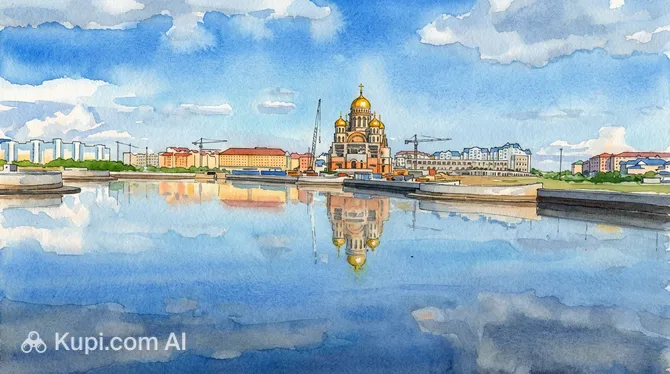
Salekhard. Source: Kupi.Binoculars

Situated on the banks of the Poluy River near its confluence with the mighty Ob, the city experiences a subarctic climate characterized by long, snowy winters and brief, mild summers. Despite the harsh weather conditions, it is home to over 50,000 residents who maintain a vibrant community life. The history of Salekhard dates back to 1595 when it was founded as the fortress of Obdorsk, making it one of the oldest settlements in the region and a crucial point for trade and exploration in the North.

Travelers are often drawn here to witness the iconic 66th Parallel stele, a monument that marks the exact location of the Arctic Circle. Another local favorite is the impressive Mammoth statue, which greets visitors near the ferry crossing, symbolizing the prehistoric giants that once roamed these lands. For a deeper dive into culture, the Shemanovsky Museum offers extensive exhibits on the ethnography of the indigenous Nenets people and the natural history of Yamal.

Whether you are hoping to catch a glimpse of the Northern Lights or simply wish to experience life at the "edge of the world," Salekhard offers an unforgettable adventure for every intrepid explorer.

Weather Overview

Due to its location directly on the Arctic Circle, the city experiences extreme seasonal contrasts typical of a subarctic environment. Winters are long and deeply cold, with January standing out as the coldest month, featuring average temperatures of -21.2°C and lows dipping to -24.1°C. Conversely, the brief summer season offers a pleasant thaw, particularly in July, when average temperatures rise to 15.9°C and daytime highs can reach a comfortable 20.2°C.

Precipitation remains relatively low in volume throughout the year, rarely exceeding 2mm per month, yet "wet days" are quite frequent, ranging from 7 to 14 days a month. Expect mild, short summers with occasional light rain and long, dry, and freezing winters that require heavy thermal gear. To help you pack appropriate clothing for your specific travel dates, we recommend checking the detailed forecast for the weather in Salekhard.

Interesting Facts

Beyond the main attractions and its famous geographic location, Salekhard holds many fascinating secrets and cultural traditions that surprise visitors. This city, deeply connected to the indigenous peoples of the North, offers a glimpse into a way of life that has thrived in the Arctic for centuries.

  • Indigenous Name: The name "Salekhard" is derived from the local Nenets language, translating to "Settlement on the Cape." This perfectly describes its strategic position on a promontory where the Poluy River flows into the Ob, historically a vital spot for trade and observation.

  • Reindeer Herder's Day: One of the most spectacular events in the city is the annual Reindeer Herder's Day, held in late March or early April. During this festival, nomadic families from the tundra gather in the city to compete in reindeer sleigh races, national wrestling, and to showcase their traditional clothing.

  • Lyuba the Mammoth: While the local museum is well-known, its most famous resident is "Lyuba," the most complete and well-preserved woolly mammoth calf ever discovered. Found by a reindeer herder in the Yamal tundra, she is a world-renowned paleontological treasure.

  • Culinary Delicacy: A must-try local specialty is stroganina, a dish made from thin slices of frozen raw fish (typically whitefish like muksun) or reindeer meat. It is traditionally dipped in a mixture of salt and black pepper and eaten immediately before it melts.

  • The Dead Road: The surroundings of the city are home to the remnants of the unfinished Trans-Polar Mainline, a railway project from the mid-20th century. Often called the "Dead Road," the abandoned tracks and infrastructure serve as a haunting historical landmark for those interested in the region's past.

How to Get There

Reaching this Arctic capital is an adventure in itself, given its remote location and unique geography. While air travel is the most direct method, the journey can also be made by train to the neighboring town across the river. To plan your specific route and view detailed schedules, you can check all ways to reach the city.

The primary gateway for travelers is the local Salekhard airport (IATA: SLY). Situated just 4.4 km from the city center, it serves as a vital link to major Russian hubs. A taxi or bus ride from the terminal to downtown is quick, typically taking around 25-30 minutes depending on traffic. This airport handles a significant volume of passengers annually, connecting the region with Moscow, St. Petersburg, and other northern cities. Travelers can also consider Vorkuta Airport (IATA: VKT) in the city of Vorkuta, though it is located approximately 154.6 km away, making it a less common choice for direct access to Salekhard.

For clarity, here is a summary of the main airports:

Airport Name City Passenger Traffic Km from City
SalekhardSalekhardMedium4.4
Vorkuta AirportVorkutaSmall154.6

For those who prefer rail travel, it is important to note that Salekhard does not have its own railway station connected to the main federal network. The nearest and most significant terminal is Labytnangi Station, located in the city of Labytnangi on the opposite bank of the Ob River, about 26.2 km from Salekhard. The travel time from the station to the city center, including the river crossing, is approximately 60 minutes. Another nearby option is Obskaya Station, also in Labytnangi, roughly 25 km away. Connections from these stations rely on ferries in the summer and ice roads in the winter.

Below is a list of the nearest railway stations:

Station City Passenger Traffic Km to Center
Vorkuta Railway StationVorkutaMedium152.1
Labytnangi StationLabytnangiMedium26.2
Inta-1 Railway StationIntaMedium288.7
Obskaya StationLabytnangiUnknown25.0

Main Attractions

Obdorsk Ostrog is a captivating historical reconstruction that transports visitors back to the late 16th century, when the city was first founded as a Cossack fortress. Located on a hill overlooking the confluence of the Poluy and Ob rivers, this open-air complex features wooden towers, a defensive wall, and a church built without a single nail, strictly following ancient architectural canons. It is an excellent place to understand the early history of Siberian colonization and enjoy panoramic views of the river landscape.

The Shemanovsky Museum and Exhibition Complex stands as the cultural heart of the region and is one of the oldest museums in Siberia, established in 1906. While it is famous for housing the well-preserved mammoth calf "Lyuba," the museum offers much more, including rich ethnographic collections dedicated to the indigenous peoples of the North—the Nenets, Khanty, and Selkup. Tourists are drawn here to see authentic traditional clothing, shamanic artifacts, and archaeological finds that tell the story of human survival in the Arctic over thousands of years.

No trip to Salekhard is complete without visiting the Monument to the 66th Parallel. This geometric stele is not just a landmark; it marks the precise geographical line of the Arctic Circle, making Salekhard the only city in the world situated exactly on this latitude. It is a favorite photo spot for travelers, and local tradition suggests that passing through the monument's archway symbolizes a true initiation into the Arctic, granting guests the honorary title of "Polar Explorer."

For those interested in the history of transport in the North, the Museum of Polar Aviation offers a unique open-air display near the airport. The collection features helicopters and airplanes that played crucial roles in the development of the Yamal region, geological exploration, and rescue missions in harsh weather conditions. It provides a tangible sense of the bravery and engineering required to conquer the vast distances of the Siberian tundra.

Local Cuisine

The culinary scene in Salekhard is a fascinating reflection of life in the Arctic, heavily influenced by the traditions of the indigenous Nenets people and the bounties of the surrounding tundra and rivers. The local diet is centered around high-energy, organic ingredients designed to sustain people through the harsh winters. For tourists, this translates into a unique gastronomic experience where wild game and river fish take center stage, often prepared using centuries-old methods.

The undisputed king of the local table is whitefish, particularly species like muksun, nelma, and chir. While you can enjoy them smoked, salted, or baked, the signature dish of the region is stroganina. This delicacy consists of thin, curled shavings of frozen raw fish (or sometimes venison), served on ice with a simple dipping mixture of salt and black pepper. It is a true taste of the North that melts in your mouth and is prized for its pure, fresh flavor.

Reindeer meat is another staple that appears on almost every menu. It is known for being lean, tender, and incredibly healthy. Visitors can try it in various forms, from rich, warming soups and hearty stews to gourmet steaks served with savory sauces. Traditional preparations often keep the seasoning simple to highlight the natural taste of the meat, but modern local chefs also experiment with burgers and dumplings made from venison.

To balance the richness of the meat and fish, local cuisine relies heavily on northern berries. Cloudberries, often called "royal berries," along with lingonberries, cranberries, and blueberries, are used in everything from sauces for meat dishes to desserts. A popular non-alcoholic drink is mors, a refreshing berry juice that is both tart and sweet, packed with vitamins. Herbal teas brewed with tundra plants are also common, offering a warming comfort after a day of exploring.

Dining in Salekhard offers a mix of modern comfort and traditional flair. The city features several restaurants that specialize in "Northern cuisine," allowing visitors to sample these exotic dishes in a refined setting. For a more authentic look at local food culture, a visit to the city's markets is highly recommended. Here, you can see the impressive variety of smoked fish and buckets of frozen berries that locals purchase for their daily meals, providing a colorful insight into the region's diet.

Travel Tips

Preparing for a trip to Salekhard requires a bit more foresight than the average city break, primarily due to its unique location on the Arctic Circle and its specific climate challenges. To help you navigate the capital of Yamal with ease and comfort, we have compiled a list of essential practical advice for your journey.

  1. Clothing and Gear: If visiting in winter (November to April), extreme cold protection is non-negotiable. You will need thermal underwear, a heavy down parka, insulated trousers, and boots rated for temperatures below -30°C. In summer, while days can be warm, the tundra is infamous for swarms of mosquitoes and midges; bring effective insect repellent and clothing with long sleeves and cuffs.
  2. Transportation: The city itself is compact and best navigated by taxi, which is affordable and readily available via phone or local apps. Public buses operate, but taxis offer more comfort in the cold. Crucially, if you arrive by train at Labytnangi, remember that crossing the Ob River depends on the season: a ferry runs in summer, an ice road in winter, and hovercrafts operate during the transitional periods (freeze-up and thaw).
  3. Finances: The official currency is the Russian Ruble (RUB). While credit cards are accepted in supermarkets and larger restaurants, it is highly recommended to carry cash, especially for taxi rides, small souvenir shops, and the local fish market. International card networks may not function, so having enough rubles on hand upon arrival is a wise precaution.
  4. Health and Safety: Salekhard is generally a very safe city, but the environment poses the biggest risk. Frostbite can occur quickly in winter; cover exposed skin and take regular breaks indoors. Pharmacies are available throughout the city, with some larger chains operating extended hours. In summer, tick-borne encephalitis is less of a concern here than in southern Siberia, but mosquito bites can be intense.
  5. Communication: The primary language is Russian, and English is not widely spoken outside of major hotels or tour agencies. It is essential to download an offline translation app and an offline map of the city before you arrive. Buying a local SIM card (MTS, MegaFon, or Beeline) is easy at the airport or city center shops and ensures you stay connected.
  6. Local Etiquette: The people of the North are known for their hospitality but value modesty and respect. If you interact with indigenous Nenets people, ask for permission before taking close-up photographs, especially of their children or temporary dwellings (chums). When visiting museums or private homes, it is customary to remove your shoes and outer layers immediately upon entry.
  7. What to Avoid: Never attempt to cross the river ice on foot or by car outside of the officially marked "ice road" crossings. The currents can make the ice unstable in unpredictable spots. Also, avoid underestimating the wind chill; a temperature of -20°C can feel like -40°C with the strong Arctic winds.
  8. Market Shopping: Do not miss a visit to the "Dary Yamala" (Gifts of Yamal) market or similar local shops. This is the best place to buy smoked muksun (whitefish) and canned reindeer meat. Locals are often happy to let you taste the fish before you buy, and it makes for a delicious and authentic souvenir.

By packing the right gear and respecting the rhythm of Northern life, your visit to the polar circle will be a smooth and rewarding experience. Embrace the crisp air and the warm hospitality, and enjoy your time at the "edge of the earth"!

Entertainment & Nightlife

Nightlife in Salekhard is distinct from the bustling club scenes of major metropolises. Instead of rowdy dance floors and all-night raves, the city offers a more refined and cozy evening atmosphere, deeply influenced by the Arctic climate. After sunset, entertainment shifts towards warm, inviting venues where locals gather for hearty dinners, live music, and conversation. The social life here is concentrated in the city center, particularly along Republic Street (Ulitsa Respubliki) and Chubynina Street, where the main hotels, cultural centers, and restaurants are located.

For a truly unforgettable evening, visitors should head to the Restaurant on the Torch Bridge (Most Fakel). Suspended high above the river within the bridge's striking architectural structure, this venue offers the best panoramic views of the city lights and the surrounding tundra. It is an ideal spot for a romantic dinner or a relaxed evening with cocktails, allowing you to admire the "Gas Torch" design that has become a symbol of the region. The atmosphere is somewhat upscale but welcoming, with a dress code that leans towards smart casual.

Another popular venue for evening entertainment is the Arktika Restaurant, located within the hotel of the same name. It is a staple of the local social scene, known for serving excellent northern cuisine, including venison and local fish, often accompanied by live music or themed event nights. It is a safe and reliable choice for travelers looking to experience local hospitality in a comfortable setting. Opening hours for most such establishments typically run until 11:00 PM or midnight, so it is best to start your evening early.

If you are looking for a more cultural experience or a place to hang out before dinner, the Polyaris (Polaris) Art Residence on Chubynina Street is the city's modern entertainment hub. It houses a cinema, exhibition spaces, and a youth center, making it a lively spot where you can catch a movie or attend a workshop. Similarly, the District Center of National Cultures (OCNK) frequently hosts concerts and performances that run into the evening, offering a glimpse into the region's artistic life.

Practical Advice:

  • Transport: The most convenient way to get around at night is by taxi. Services like Yandex Go work well here, and rides are generally inexpensive. Walking is safe but can be challenging due to the extreme cold in winter; always dress in layers if you plan to walk between venues.
  • Safety: Salekhard is a very safe city with low crime rates. The main danger is the weather, so ensure you have a warm coat even for short transfers.
  • Budget: Prices are moderate compared to Moscow, but fresh produce and alcohol can be slightly pricier due to logistics. A dinner for two with drinks will typically cost between 3,000 and 5,000 RUB.

Parks & Museums

While Salekhard’s position on the Arctic Circle means you won't find lush tropical botanical gardens, the city treasures its green spaces and cultural institutions, which serve as warm havens of history and art amidst the tundra. The local parks are designed to celebrate resilience and memory, while the museums provide a world-class window into the soul of the Russian North.

Victory Park is the most significant open space in the city, serving as both a recreational area and a solemn memorial. This expansive complex features the Pantheon dedicated to soldiers of the Great Patriotic War, an eternal flame, and a striking open-air exhibition of military hardware, including tanks and artillery. It is a well-maintained space where locals come to walk and reflect, offering wide paved paths that are kept clear even in snowy months. Nearby, the City Garden offers a more historic atmosphere. Located in the oldest part of Salekhard, it preserves some of the few ancient larch trees in the city, providing a rare canopy of greenery during the short summer and a magical, frost-covered landscape in winter.

For art lovers and those interested in local craftsmanship, the District House of Crafts is an absolute must-visit. Unlike a traditional museum, this venue functions as a living gallery dedicated to the preservation of indigenous art forms. Here, you can admire intricate works of bone and walrus tusk carving—a signature craft of the Yamal region—as well as beadwork and fur processing. It often hosts master classes where visitors can watch artisans at work, making it a dynamic place to engage with Nenets and Khanty culture.

Another cultural gem is the Leonid Laptsui Literary Museum. Located in a historic wooden house, this intimate museum is dedicated to the famous Nenets writer Leonid Laptsui. It offers a cozy, authentic look at the life of the intelligentsia in the Soviet Arctic. The exhibits include personal belongings, manuscripts, and ethnographic items that reflect the deep connection between the local literature and the harsh, beautiful nature of the tundra.

Architecturally, the skyline is dominated by the Cathedral of the Transfiguration of the Lord. Completed recently, it is the largest temple in the Arctic and a stunning example of modern Russian Orthodox architecture. Its gleaming white walls and golden domes stand in stark contrast to the often grey or snowy skies. For a glimpse of the past, the Church of Saints Peter and Paul stands nearby. Built in the 1890s, it holds the distinction of being the oldest stone building in the region, serving as a resilient monument to the spiritual history of old Obdorsk.

For an authentic local experience, take a walk along the Poluy River Embankment near the river station. It is a quieter spot away from the main tourist trail, offering sweeping views of the river and the endless horizon of the Yamal plains. In winter, this area provides a front-row seat to the "ice crossing" life, where you can watch hovercrafts and vehicles navigating the frozen river highway.

Getting Around

The public transport system in Salekhard is compact and straightforward, designed primarily to serve the needs of a small city in extreme climatic conditions. The network consists exclusively of buses and minibuses (marshrutkas). Due to the city's size and permafrost ground conditions, there are no trams, trolleybuses, or metro lines. The municipal buses are modern, reliable, and crucially, well-heated to ensure passenger comfort during the long, harsh winters.

For payment, the system is quite user-friendly for visitors. You do not need to purchase a specific travel pass or voucher beforehand. Fares can be paid directly on the bus using cash (Russian Rubles) or, increasingly commonly, by contactless bank card. You simply tap your card on the terminal held by the conductor or located near the driver. The cost of a single trip is affordable, generally aligning with standard regional prices across the country.

A unique feature of the local transport infrastructure is the connection to the nearest railway station, which is located in the neighboring town of Labytnangi across the Ob River. Since there is no permanent bridge, the "bus" route effectively transforms depending on the season. In summer, passengers use a ferry; in winter, buses and cars drive across a specially constructed ice road on the frozen river. During the transitional periods of spring and autumn, when the ice is unstable, hovercrafts (air-cushion vehicles) are used to transport passengers. Riding a hovercraft is a distinctively Arctic experience that many tourists find memorable.

Taxis are the most popular alternative to public transport and are highly recommended for tourists, especially during the winter months when waiting at a bus stop can be uncomfortable due to the cold. Mobile apps like Yandex Go and Maxim operate in the city, offering quick pickups and reasonable fixed prices. Unlike in larger southern cities, car-sharing and bike rental services are virtually non-existent here due to the climate and logistics.

Practical advice for navigating the city includes downloading local map applications such as 2GIS or Yandex Maps. These apps are essential for tracking bus routes and viewing real-time arrival schedules, allowing you to minimize your exposure to the elements. Most bus routes operate from approximately 06:00 to 22:00, so if you plan to stay out late, be sure to have a taxi app installed on your phone.

Accommodation

Accommodation in Salekhard is primarily tailored to meet the needs of business travelers, government delegations, and the growing number of tourists seeking Arctic adventures. The city does not feature sprawling luxury resorts or a vast network of backpacker hostels. Instead, visitors will find a solid selection of mid-range to upscale hotels that offer modern amenities and comfort against the backdrop of the harsh northern climate. In recent years, the market for short-term apartment rentals has also expanded, providing a "home away from home" option for those planning longer stays or preferring self-catering facilities.

The city is relatively compact, meaning that location is rarely a major issue, but staying in the central district is undoubtedly the most convenient choice. Areas around Republic Street (Ulitsa Respubliki) and Prospekt Molodezhi place you within walking distance of the main administrative buildings, the Shemanovsky Museum, and key cultural sites. Staying in the city center also ensures easy access to shops, restaurants, and the main bus routes, minimizing the time spent outdoors in extreme temperatures.

For those seeking full-service accommodation, the city boasts a few standout establishments that have become local landmarks. The Yuribey Hotel is widely regarded as the premier option in Salekhard. Located on Prospekt Molodezhi with its striking modern architecture and 4-star service, it is often the choice for official guests and discerning travelers. Another well-known establishment is the Arktika Hotel, located right in the heart of the city. It offers a blend of historic charm and reliability, often serving as a comfortable base for tourists exploring the capital of Yamal.

Booking Tip: Salekhard is a busy administrative hub, and hotels can fill up quickly during major regional events. If you plan to visit during the famous Reindeer Herder's Day in late March or early April, it is essential to book your room several months in advance. During these peak times, accommodation is in extremely high demand, and last-minute options are virtually non-existent.

Regarding costs, travelers should expect prices to be slightly higher than in other Russian provincial cities, reflecting the higher cost of living and logistics in the North. The general price range typically falls into the mid-range to high category. While some international booking platforms may have limited listings, most hotels can be booked via major Russian travel aggregators or by contacting the reception directly. Payment is generally expected in Russian Rubles, and while major hotels accept cards, carrying some cash for smaller guesthouses or deposits is always a good strategy.

Nearby Cities

For those looking to explore the surroundings, Salekhard serves as an excellent base for day trips to several interesting nearby locations:

Vorkuta is one of the most atmospheric destinations in the Russian Arctic. Located on the western side of the Polar Urals, it is renowned for its coal mining history and dramatic Soviet-era architecture. For adventurous travelers, it acts as a gateway to the stunning landscapes of the Ural mountains, offering opportunities to witness abandoned "ghost" settlements and raw tundra beauty that photographers find captivating.

Another significant destination is Nadym, a city deeply connected to the history of the region's development. It is often visited by those interested in the "Dead Road" (Trans-Polar Mainline), a historic railway project from the mid-20th century. Today, it stands as a modern settlement of gas industry workers, featuring museums that chronicle both the industrial conquest of the North and the traditional life of the Nenets people.

Further afield lies Novy Urengoy, unofficially known as the "Gas Capital" of Russia. As the largest city in the autonomous okrug, it offers a more urbanized experience compared to Salekhard. Visitors can explore its museums dedicated to the gas industry and art, or simply experience the pace of life in a major industrial hub built on the permafrost.

City Population Distance (km)
Novy Urengoy 130000 453
Vorkuta 77314 153
Nyagan 58335 496
Nadym 44940 290

These nearby destinations offer a glimpse into the diverse culture and landscapes of the region.

Shopping & Souvenirs

Shopping in Salekhard is a distinct experience that differs significantly from the commercial bustle of large metropolises. While you will not find rows of luxury fashion boutiques or massive international department stores, the city offers something far more valuable: a chance to purchase authentic goods that are truly unique to the Arctic region. The shopping scene here is centered around local production, emphasizing high-quality northern foods, traditional crafts, and practical gear designed for the harsh climate.

The main retail activity is concentrated in the city center, particularly along Republic Street (Ulitsa Respubliki) and Chubynina Street. These central arteries are lined with a mix of modern shops, pharmacies, and smaller grocery stores. A stroll down these streets allows visitors to access most necessary amenities and browse local souvenir outlets without venturing too far from the main hotels and cultural attractions.

For a more conventional shopping experience, the city features several modern shopping centers. Gostiny Dvor and Uley are among the most popular destinations for locals. Here, you can find clothing, electronics, cosmetics, and household goods. These malls provide a warm and comfortable environment to browse, which is especially appreciated during the freezing winter months. They also typically house food courts or cafes where you can take a break.

The true highlight of shopping in Salekhard, however, is the "Dary Yamala" (Gifts of Yamal) market. This is an essential stop for any tourist. It is a covered market hall where local producers sell the region's gastronomic treasures. The air is filled with the scent of smoked fish and fresh berries. It is the best place to find high-quality northern delicacies, and vendors are often proud to explain the origins of their products.

When it comes to souvenirs, Salekhard offers items you likely won't find anywhere else. The most popular purchase is undoubtedly local fish, particularly muksun and nelma, which can be bought smoked, dried, or frozen. Reindeer meat products, such as sausages or canned stew, are also excellent gifts. For non-edible souvenirs, look for traditional Nenets crafts. These include kisy (traditional high boots made of reindeer fur, incredibly warm and durable), intricate bone carvings (often made from reindeer antlers or mammoth tusks), and colorful beaded jewelry. The District House of Crafts is a reputable place to buy authentic artistic works.

Most shops in Salekhard operate from 10:00 AM to 8:00 PM, though supermarkets may stay open later. Payment methods are generally modern; credit and debit cards are widely accepted in shopping malls, supermarkets, and most established souvenir shops. However, if you plan to visit the "Dary Yamala" market or buy handicrafts directly from artisans, it is highly recommended to carry cash (rubles), as electronic terminals may not always be available at individual stalls.

Regarding Tax-Free shopping, while the Russian Federation has a VAT refund system for international tourists, it is primarily operational in major hubs like Moscow and St. Petersburg and requires participating retailers. In a remote regional center like Salekhard, it is rare to find shops that process these refunds. Tourists should not rely on this service being available and should simply enjoy the unique local prices, which often reflect the high quality and rarity of the goods.
Nearby cities

Reached the end of the page?

That means the route is fully explored