Support

Vorkuta

About

Vorkuta is a distinctive city located just north of the Arctic Circle, offering travelers a rare glimpse into life in the extreme north. Situated in the Komi Republic of the Russian Federation, this urban center stands as a testament to human resilience in one of the world's most challenging environments. With a population of approximately 77,000 people, it remains one of the largest settlements in the Arctic zone, known for its stark industrial beauty and the vast wilderness that surrounds it.
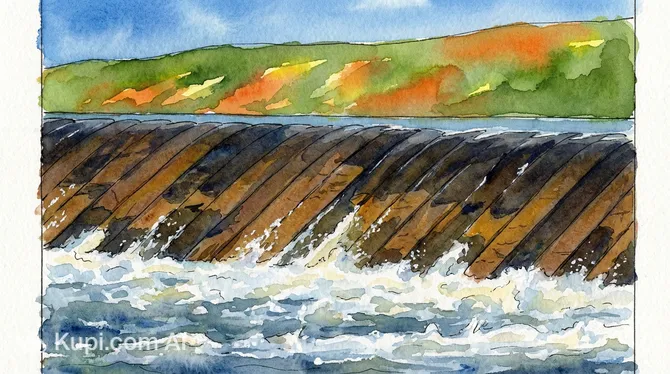
Vorkuta. Source: Kupi.Binoculars

The city is defined by its subarctic climate, where winter holds sway for most of the year. Visitors here can experience the phenomenon of the Polar Day in summer, when the sun barely sets, and the long Polar Night in winter. The surrounding landscape is a treeless tundra that transforms into a colorful carpet of mosses and lichens during the brief summer months, offering unique opportunities for photography and nature observation.

The history of Vorkuta is deeply intertwined with the development of the Pechora Coal Basin. Established in the 1930s, the city grew rapidly as a major coal-mining hub. Today, its wide avenues and neoclassical architecture from the mid-20th century provide a striking contrast to the snowy plains that encircle the town, creating an atmospheric urban landscape frozen in time.

For those seeking adventure, Vorkuta serves as a gateway to the wild beauty of the Polar Urals. It is an excellent location for witnessing the mesmerizing Northern Lights (Aurora Borealis), which frequently dance across the dark winter skies. Within the city, landmarks like the "67th Parallel" signpost and the local museum offer insights into the region's geology, indigenous Nenets culture, and industrial heritage.

A trip to Vorkuta is an unforgettable journey to the edge of the world. Whether you are drawn by the allure of the Arctic, the fascination of Soviet-era urban planning, or the stark beauty of the northern wilderness, this city promises an experience unlike any other.
Weather Overview

Due to its location above the Arctic Circle, the weather in Vorkuta is characterized by a severe subarctic climate. Winters are long and harsh, dominating the calendar from November through March. January is typically the coldest month, with average temperatures dropping to -19.3°C and lows frequently reaching -22.3°C. Despite the freezing conditions, precipitation volume remains low, though snow cover is persistent and lasting.

Summer offers a brief but welcome respite, usually lasting from June to August. July is the warmest time of year, seeing average temperatures of 14.1°C, with occasional highs around 18.5°C. This season is generally mild, making it the best time for exploration, although visitors should still be prepared for cool air. The transition periods in spring and autumn are short, with temperatures dropping rapidly below freezing by October.

Precipitation is frequent but light throughout the year. While the total rainfall or snowfall is minimal, often around 2mm to 3mm per month, the city experiences a high number of "wet days," particularly in September and March which can see up to 17 days with precipitation. Expect mild, short summers with frequent light showers and extremely cold, dry winters.

Interesting Facts

Beyond the main attractions, Vorkuta holds many fascinating secrets and unique traits that surprise many visitors. Here are some intriguing facts about this Arctic city:
  • The city's name has wild origins, derived from the Nenets word "vark," which means bear. Therefore, Vorkuta translates roughly to "Bear's Corner" or "Place of Bears," hinting at the abundance of wildlife in the area before urbanization.

  • Vorkuta is widely considered the easternmost city in Europe. It sits just to the west of the Ural Mountains, the mountain range that traditionally marks the geographical boundary between Europe and Asia.

  • During the annual Festival of the North, the city's main avenues are transformed into tracks for reindeer sled races, a spectacular event where indigenous traditions take over the modern urban center.

  • The City Park serves as a rare green oasis in the tundra, demonstrating remarkable landscaping efforts to maintain a recreational space despite the harsh subarctic climate.

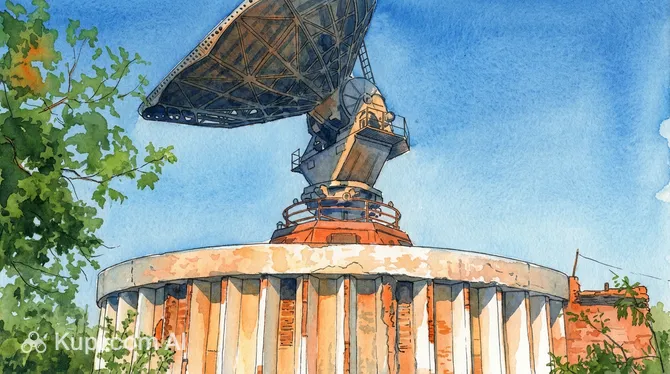
City Park. Source: Kupi.Binoculars

How to Get There

Reaching this northern outpost is an adventure in itself, often involving a journey across the vast tundra. While the city is remote, it remains accessible by air and rail for those determined to visit. For a comprehensive guide on all available routes and travel tips, you can read more about how to get to Vorkuta.

The most convenient entry point for air travelers is Vorkuta Airport (IATA: VKT). Situated directly in the city, just 3 km from the center, it serves as the primary local hub. Due to its close proximity, a transfer to the city center is quick and straightforward, typically taking only a short drive by taxi or bus. It is a regional airport with an annual passenger flow of around 14,000 people, ensuring a calm arrival experience.

For those who prefer rail travel, the city is well-connected by the historic Northern Railway. The Vorkuta Railway Station is the main terminus, located conveniently 3.3 km from the city center. Reaching the downtown area from the station is easy via public transport or taxi. With an annual traffic of roughly 250,000 passengers, the railway serves as a vital and reliable link connecting the community to the rest of the country year-round.

Below is a summary of the primary transport hubs in the city:

Transport Node Type Passenger Traffic Distance to Center
Vorkuta Airport Airport Small (~14,000/yr) 3.0 km
Vorkuta Railway Station Railway Station Medium (~250,000/yr) 3.3 km

Main Attractions

Vorkuta offers a unique blend of industrial heritage, Soviet-era architecture, and stark Arctic beauty. While it may not be a traditional resort destination, the city provides a fascinating experience for those interested in history and life in the extreme north. The attractions here tell the story of human resilience against the backdrop of the tundra.

One of the most striking architectural landmarks is the Palace of Culture of Miners. Built in the 1950s, this imposing neoclassical building serves as a symbol of the city's past grandeur. Its facade, adorned with massive columns and sculptures, creates a dramatic contrast with the surrounding snowy landscape. It remains a cultural hub and is a favorite subject for photographers appreciating the well-preserved "Stalinist Empire" style architecture.

For a deeper understanding of the region, the Vorkuta Museum and Exhibition Center is an essential stop. The museum houses extensive collections that cover the geological richness of the Pechora Coal Basin, the traditions of the indigenous Nenets people, and the local flora and fauna. It also provides a comprehensive look into the city's origins and its rapid industrial development during the 20th century.

For a relaxing break within the city limits, visitors can head to the City Park. This recreational area is a rare green space in the subarctic environment, carefully maintained to provide a leisure spot for locals and tourists. With its walking paths, scenic pond, and monuments, it offers a peaceful atmosphere to observe local life, especially during the endless daylight of the polar summer.

A mandatory checkpoint for travelers is the iconic "67th Parallel" Memorial Sign. This landmark officially marks the city's location north of the Arctic Circle. It is a simple yet powerful symbol of the region's extreme geography. Standing next to the sign provides a tangible sense of one's position on the globe, serving as a perfect photo opportunity to commemorate a journey to the edge of the world.

Finally, many adventurers are drawn to the Vorkuta Ring, a road network connecting the city to surrounding mining settlements. Some of these villages, such as Rudnik, have become "ghost towns," offering a hauntingly atmospheric experience for urban explorers interested in industrial ruins and the way nature reclaims abandoned structures in the tundra.

Local Cuisine

The culinary landscape of Vorkuta is heavily influenced by its severe subarctic climate and the traditions of the indigenous peoples of the North. The local diet is hearty, energy-rich, and relies on ingredients that can be sourced from the surrounding tundra and cold rivers. For gastronomic adventurers, the most distinct flavor of the region is reindeer meat, or venison. It is prepared in various ways, from rich stews to smoked delicacies, offering a lean and nutritious protein source that has sustained locals for generations.

A true "must-try" experience in the Arctic North is stroganina. This dish consists of thin slices of frozen raw fish (typically whitefish like muksun or omul) or reindeer meat. Served ice-cold, the shavings are dipped in a mixture of salt and black pepper, melting in your mouth to reveal a delicate, fresh taste. It is not just a meal but a cultural ritual, celebrating the purity of local products. Another staple is Northern river fish, often salted, smoked, or baked, prized for its high fat content and rich flavor.

Berries gathered from the tundra play a crucial role in the local diet, providing essential vitamins during the long winters. Cloudberries, often called "Arctic gold," are a local favorite, served fresh, as jam, or in desserts. Lingonberries and cranberries are also widely used in sauces for meat dishes or in baking. To wash it all down, locals often drink mors, a refreshing non-alcoholic fruit drink made from these wild berries. In the colder months, hot herbal teas and warming berry liqueurs are popular choices to combat the freezing temperatures.

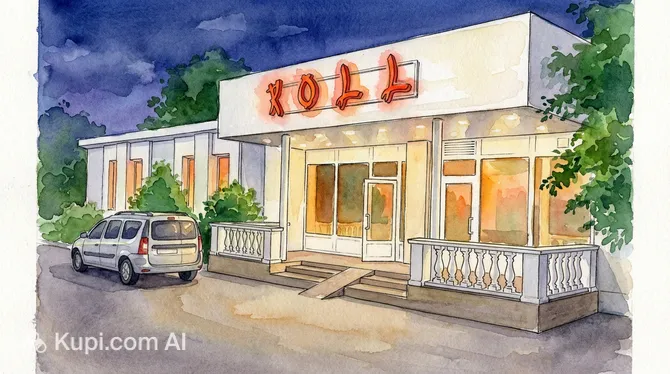
Roll Cafe. Source: Kupi.Binoculars

The dining scene in Vorkuta is primarily centered around indoor comfort, providing a warm refuge from the elements. While street food is virtually non-existent due to the cold, the city has a selection of cozy establishments where friends and families gather. The food culture is a mix of traditional Northern recipes and standard Russian or international fare. For a casual meal in a modern setting, visitors might stop by Roll Cafe, a popular spot that reflects the contemporary tastes of the city's residents alongside more traditional options found elsewhere.

Travel Tips

Visiting Vorkuta is a true expedition into the Arctic, and proper preparation is the key to enjoying this unique destination safely. To help you navigate the challenges of the extreme North and make the most of your journey, here are some essential practical tips for your stay.

  1. Dress for the Arctic: In winter, standard coats are insufficient; you need specialized thermal underwear, a heavy down parka, windproof trousers, and insulated boots with non-slip soles. Don't forget a face mask or balaclava to protect against windburn. If visiting in summer, bring light layers and, most importantly, a mosquito net and strong insect repellent, as the tundra insects can be overwhelming.
  2. Getting Around: The city does not have a metro or trams; the main public transport consists of buses and marshrutkas (minibuses). However, taxis are the most convenient and affordable way to travel, especially in freezing temperatures. Ride-hailing apps like Yandex Go are useful, but keeping local taxi dispatch numbers handy is also a good idea. Walking is feasible in the center, but avoid it during snowstorms.
  3. Currency and Payments: The local currency is the Russian Ruble (RUB). While supermarkets and larger restaurants accept cards, reliance on international banking cards is not recommended as they likely will not work; carrying sufficient cash is crucial. ATMs are available in the city center. Tipping is appreciated but not mandatory; rounding up the bill in cafes or taxis is a common practice.
  4. Health and Safety: Pharmacies (marked as "Apteka") are available, but few operate 24/7, so bring a personal supply of essential medications. The biggest safety risk is the cold; never ignore numbness in your extremities and dress warmly even for short walks. Additionally, stay within city limits unless accompanied by a guide, as the surrounding tundra can be dangerous due to rapid weather changes and wildlife.
  5. Communication: Russian is the primary language, and English is not widely spoken. It is highly recommended to download an offline translation app and learn the Cyrillic alphabet for reading street signs. You can purchase a local SIM card (MTS, Beeline, or Megafon) at the airport or city shops to stay connected, though coverage drops off quickly outside the urban area.
  6. Local Etiquette: When entering a home or even some accommodation facilities, it is mandatory to remove your outdoor shoes to keep the interior clean from snow and mud. Locals are resilient and proud of their city; showing respect for their ability to thrive in such harsh conditions goes a long way. A simple "Zdravstvuyte" (Hello) is the standard polite greeting.
  7. What to Avoid: Never attempt to walk into the open tundra alone, especially in winter. The "whiteout" phenomenon can make you lose orientation in minutes, leading to life-threatening situations. Also, avoid underestimating the distance between buildings; in extreme cold, a 10-minute walk can feel like an hour.
  8. Local Insight: If you visit between September and April, download an Aurora Borealis forecast app. Vorkuta is one of the few urban places where you can often see the Northern Lights right from the city streets, provided the sky is clear and you step away from bright streetlamps.

With these tips in mind, you are ready to embrace the rugged charm of Vorkuta. Stay warm, stay safe, and prepare yourself for an adventure that few travelers ever get to experience.

Entertainment & Nightlife

Entertainment and nightlife in Vorkuta reflect the city's unique character as a remote northern outpost. Unlike the bustling metropolises of central Russia, the nightlife scene here is more subdued, intimate, and focused on warmth and community. Rather than large-scale nightclubs or sprawling entertainment districts, the city offers a selection of cozy bars, restaurants, and lounges where locals gather to escape the Arctic chill and socialize in a relaxed atmosphere.

The heart of the city's evening activity is concentrated along the central avenues, particularly around Lenina Street. Here, you will find establishments that often serve multiple purposes, functioning as cafés during the day and transforming into lively lounge spots or karaoke bars at night. One such popular venue is Roll Cafe, which offers a modern setting for evening dining and drinks. It is a common destination for younger crowds and groups of friends looking to unwind with sushi, pizza, and a casual vibe that extends late into the evening.

During the summer months, the nightlife takes on a surreal quality due to the Polar Day phenomenon. With the sun barely setting, the concept of "night" entertainment blurs. This is the perfect time for late-night strolls in City Park. In June and July, the park remains bright and welcoming even at midnight, allowing for unique opportunities to enjoy the outdoors when the weather is mild. It serves as a peaceful alternative to indoor venues, where you can experience the strange beauty of a sleepless Arctic city.

For daytime cultural entertainment, Vorkuta boasts the historic Vorkuta State Drama Theater. This institution is a pillar of local culture, offering a repertoire that ranges from classic plays to modern productions. It provides a sophisticated option for travelers interested in the arts. Additionally, the city's cinema and smaller recreational centers offer standard leisure activities, ensuring there are indoor options available regardless of the harsh weather outside.

When planning a night out, practical considerations are essential. The dress code in most places is casual but practical; warmth is prioritized over high fashion, though locals often dress up for theater visits or special dinners. Safety is generally not a major concern in the city center, but the extreme cold is a constant factor. It is highly recommended to use taxis to move between venues rather than walking, especially in winter. Services like Yandex Go work well, or you can ask venue staff to call a local cab for you. Prices for entertainment and dining are generally lower than in Moscow or St. Petersburg, making a night out quite affordable.

Parks & Museums

While Vorkuta is situated in a landscape dominated by the stark beauty of the tundra rather than lush botanical gardens, the city treasures its green spaces and cultural institutions. The local parks serve as vital recreational hubs for residents during the short summer, while the museums and architectural landmarks provide a profound look into the region's industrial heritage and the resilience of life in the Arctic.

The primary green oasis in the city is the City Park. Located in the heart of Vorkuta, this area is a beloved gathering spot for families and friends. Despite the challenging subarctic climate, the park is carefully maintained to offer a pleasant environment with walking paths, a scenic pond, and recreational facilities. During the summer, when the sun barely sets, it becomes the center of social life, hosting festivals and offering boat rides on the water. In winter, it transforms into a snowy wonderland, often decorated with ice sculptures that glisten under the streetlights.

Beyond the manicured limits of the city park, the true "garden" of Vorkuta is the surrounding tundra. While not a park in the traditional sense, the banks of the Vorkuta River and the open plains offer a unique natural experience. For a few weeks in summer, this treeless landscape bursts into color with blooming wildflowers, mosses, and lichens. It is an excellent area for those who enjoy raw nature, hiking, and photography, offering a chance to see the Arctic ecosystem up close.

For culture enthusiasts, the Vorkuta Museum and Exhibition Center is the most significant institution in town. It houses a comprehensive collection that narrates the history of the city, from its geological origins to its rapid industrial development. Visitors can explore exhibits dedicated to the indigenous Nenets culture, local flora and fauna, and the everyday life of miners. The museum plays a crucial role in preserving the memory of the city's past and educating visitors about the unique challenges of building a settlement on permafrost.

Architecturally, the city itself serves as an open-air museum of Soviet urban planning. The Palace of Culture of Miners stands out as a monumental example of neoclassical architecture. With its grand columns and imposing facade, it was designed to inspire and provide a cultural venue for the workers of the North. Inside, it continues to host theatrical performances and concerts, maintaining its status as the cultural heart of the city.

For a truly authentic experience, look for the geological displays often found in local educational institutions or smaller exhibition halls. Vorkuta was built on coal, and the variety of minerals and fossils found in the Pechora Coal Basin is astounding. Seeing the fossilized plants that date back millions of years provides a fascinating contrast to the frozen landscape outside.

Getting Around

Public transport in Vorkuta is functional and straightforward, designed primarily to serve the needs of residents in a harsh subarctic environment. The system relies entirely on a network of municipal buses and commercial minivans, locally known as marshrutkas. Due to the city's size and the challenges posed by permafrost, there are no trams, trolleybuses, or underground metro lines. The bus network covers the main streets of the city center effectively and provides vital links to the railway station and the airport.

The payment system is traditional and simple. Passengers typically pay the driver or a conductor directly upon boarding the vehicle. While electronic payment terminals are becoming more common in larger cities, cash remains the most reliable method here. It is highly recommended to carry small denominations of the local currency, as card readers may not always work, especially in smaller minivans or during extreme cold. Fares are generally very affordable, making it a budget-friendly way to navigate the area.

For tourists, navigating the system requires a bit of planning. Buses generally operate from early morning, around 6:00 AM, until approximately 9:00 PM or 10:00 PM. Frequency is decent during the day but drops significantly in the late evening. Bus stops are marked, but not all are equipped with heated shelters. In winter, it is crucial to dress warmly if you plan to wait for a bus, as standing still in the open air can quickly become uncomfortable.

Given the severe climate, taxis are the most popular alternative to public transport and are highly recommended for visitors, particularly during the winter months. They are plentiful, reliable, and inexpensive compared to many other regions. Using a taxi eliminates the need to wait in the cold and is the safest way to travel door-to-door. Mobile apps like Yandex Go are available and convenient for non-local speakers, though asking your hotel to call a local dispatcher is also a common practice.

A unique feature of the local transport network is the connection to the "Vorkuta Ring." Specific bus routes travel beyond the city limits to the surrounding mining settlements and villages. For adventurous travelers, a ride on one of these buses offers a safe and inexpensive way to view the vast tundra landscape and the industrial architecture of the region's coal-mining heritage, though it is essential to double-check the return schedule to avoid being stranded in outlying areas.

Accommodation

Accommodation options in Vorkuta are limited, reflecting its status as a working industrial city rather than a mainstream tourist destination. Travelers should not expect international luxury chains or sprawling resort complexes. Instead, the hospitality sector offers functional, warm, and practical places to stay, ranging from Soviet-era hotels to smaller guesthouses and rental apartments. The primary focus of local lodging is providing a reliable shelter from the harsh Arctic climate.

The most prominent and recognizable establishment is the Hotel Vorkuta, located right in the city center. It is often the default choice for business travelers and tourists alike due to its convenient location and capacity. The building itself is a local landmark, and while the interiors vary from renovated modern rooms to those retaining a more retro aesthetic, it offers essential amenities such as Wi-Fi and an on-site restaurant. Staying here places you within walking distance of the main square and cultural sites.

Another option for visitors is the Sever Hotel (Hotel North), which offers a quieter atmosphere. It is typically smaller and more modest but provides clean and comfortable rooms suitable for a short stay. For those seeking a more homelike environment or planning a longer expedition, the market for short-term apartment rentals is quite active. Renting a flat can offer better value and the convenience of a private kitchen, which is useful given the limited dining hours in some parts of the city.

When booking accommodation in Vorkuta, it is important to manage expectations regarding service and language. English is rarely spoken by front desk staff, so having a translation app or a few key phrases in Russian is highly recommended. Amenities are generally basic but sufficient; central heating is powerful and reliable everywhere, which is the most critical feature during the long winter months. Hot water and electricity are stable, ensuring a comfortable refuge after a day out in the tundra.

Availability is usually not a major issue, as mass tourism is non-existent, but it is still wise to book in advance, especially during local festivals or business conferences. Payment methods have modernized, and major hotels accept cards, but carrying cash is always a safe strategy in this remote region. Regardless of where you choose to stay, you will find the interiors heated to tropical levels, a signature trait of Russian northern hospitality designed to contrast with the freezing temperatures outside.

Nearby Cities

Exploring the region surrounding Vorkuta is a true expedition that requires an understanding of the vast scale of the Russian North. While the map shows several settlements relatively close by, the lack of direct road networks and the challenging Arctic terrain mean that reaching these nearby destinations often requires careful planning. Travel here is rarely a simple day trip; instead, it involves utilizing the railway or regional aviation to connect with other unique outposts of the subarctic.

One of the most fascinating neighbors is Salekhard, located to the east across the Polar Urals. It is famous for being the only city in the world situated directly on the Arctic Circle. Although the physical distance is short, the journey is a serious undertaking due to the rugged geography. Salekhard offers a deep dive into the culture of the indigenous peoples of the North and features unique landmarks like the Mammoth Monument.

To the southwest, the Northern Railway connects Vorkuta to other vital industrial centers of the Komi Republic, making them more accessible for travelers. Pechora, situated on the banks of the majestic Pechora River, is known as the "energy heart" of the republic and serves as a major transport hub. Further along lies Usinsk, the region's "black gold" capital, a modern city built around the oil industry that contrasts sharply with the surrounding tundra wilderness.

City Population Distance (km)
Salekhard 51188 153
Usinsk 38376 332
Pechora 40653 403
Nadym 44940 434

These destinations, while requiring effort to reach, provide a broader perspective on life in the Arctic and the diverse industrial and cultural heritage of the region.

Shopping & Souvenirs

Shopping in Vorkuta is a practical affair rather than a luxury experience, reflecting the city's status as a remote industrial outpost. While you will not find high-end fashion boutiques or sprawling international outlet villages here, the city offers enough variety to cover all travel essentials. For visitors, the shopping scene is most interesting for its unique local products that capture the spirit of the Arctic, from warm fur clothing to geological treasures found deep within the earth.

The primary commercial artery of the city is Lenina Street. This central avenue is lined with shops located on the ground floors of Soviet-era buildings, offering everything from electronics and clothing to books and groceries. A stroll down this street provides a glimpse into local life and is the best place to find pharmacies, mobile phone salons, and small souvenir kiosks. It is the busiest part of town and remains lively even during the dark winter afternoons.

For a more concentrated shopping experience, visitors can head to the local shopping centers, known in Russian as "Torgovy Tsentr." One of the most popular destinations is the Kaskad shopping center. It houses a variety of stores selling apparel, cosmetics, and household goods under one roof. Another notable spot is the Mir shopping center, which serves as a convenient hub for locals. These malls are modern and warm, providing a comfortable refuge from the cold while you browse for supplies or gifts.

Markets play a vital role in the city's supply chain, especially given the difficulty of transporting fresh produce to the tundra. The city's markets are where you can see the reality of northern logistics, with fruits and vegetables often commanding high prices. However, these are also the best places to find local delicacies. You might encounter vendors selling fresh fish from northern rivers, such as muksun or omul, as well as frozen cranberries, lingonberries, and cloudberries gathered from the surrounding wilderness.

When it comes to souvenirs, Vorkuta offers truly distinctive items. The most iconic purchase is reindeer fur boots, locally known as pimy or unty. These are incredibly warm, durable, and handcrafted by indigenous artisans, making them a practical keepsake for cold climates. Other popular gifts include venison delicacies, such as dried reindeer meat or sausage, and jars of cloudberry jam. Given the city's mining heritage, collectors often look for samples of coal or minerals from the Polar Urals. Small trinkets featuring the "67th Parallel" logo or the city's deer symbol are also widely available.

Most shops in Vorkuta operate from 10:00 AM to 8:00 PM or 9:00 PM. Supermarkets often stay open later, and some convenience stores operate 24 hours a day. Payment methods have modernized significantly; major credit and debit cards are accepted in shopping malls and larger stores. However, if you plan to buy souvenirs from small kiosks or visit the market, carrying cash in Russian Rubles is essential, as electronic payment terminals may not be available.

Regarding Tax-Free shopping, tourists should be aware that while the Russian Federation has a VAT refund system for foreign visitors, it is generally limited to specific luxury retailers in major metropolitan hubs like Moscow or St. Petersburg. It is highly unlikely that stores in Vorkuta participate in the Tax-Free scheme, so visitors should not expect to claim VAT refunds on purchases made in this region.

Nearby cities

Reached the end of the page?

That means the route is fully explored