Support

Usinsk

About

Usinsk is often referred to as the "Black Gold Capital" of the Komi Republic, a title that highlights its significance as a major center for the oil and gas industry. Located just south of the Arctic Circle on the banks of the Usa River, this city offers a unique glimpse into life in the northern reaches of the Russian Federation. Despite its industrial roots, Usinsk surprises visitors with its well-maintained streets, welcoming atmosphere, and the stunning backdrop of the vast subarctic taiga.
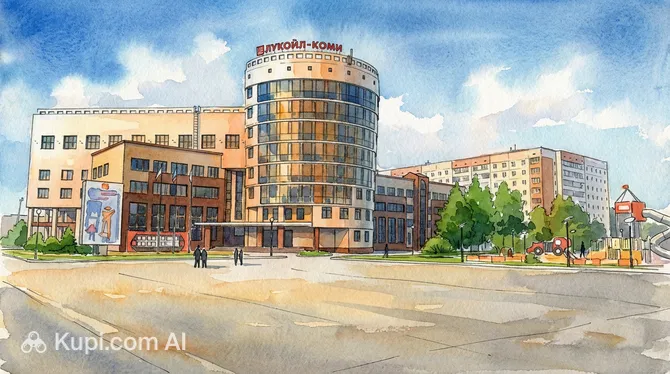
Usinsk. Source: Kupi.Binoculars

The local climate is subarctic, characterized by long, snowy winters and short, mild summers which often feature the phenomenon of the "White Nights." Although the city is relatively young, having been founded in 1966 to support geological exploration, the history of Usinsk is a testament to human resilience and determination in harsh conditions. Today, it is home to approximately 38,000 residents who enjoy a modern urban environment surrounded by wild nature.

Travelers exploring the city will find several unique landmarks that add to its charm. One of the most distinctive and humorous sights is the Monument to the Mosquito, a quirky tribute to the region's most persistent summer inhabitants. For those interested in architecture and culture, the beautiful Church of the Resurrection of Christ stands as a spiritual centerpiece, while the scenic views along the Usa River offer a peaceful escape from the urban bustle.

Whether you are visiting for business or are an adventurer seeking to explore the remote corners of the north, Usinsk provides a fascinating experience. It is a place where industrial achievement meets the quiet beauty of the northern wilderness, inviting you to discover a different side of the region.
Weather Overview

The climate in Usinsk is subarctic, characterized by significant contrasts between the freezing winters and mild summers. January is typically the coldest month, with average temperatures dropping to -15.9°C and minimums reaching -18.6°C. In contrast, the summer season brings a pleasant thaw, particularly in July, which sees average temperatures of 16.4°C and daytime highs up to 21.0°C.

Precipitation occurs regularly throughout the year, with October seeing the highest frequency of wet days (17 days), while July is relatively drier with only 9 wet days. To help you pack the right gear for your visit, it is helpful to review the current weather in Usinsk before departure. Generally, you can expect mild summers with occasional rain and very cold winters with frequent snowfall.

Interesting Facts

Beyond the industrial skyline and the famous oil fields, Usinsk holds several unique characteristics that define daily life in this subarctic outpost. Here are a few intriguing details about the city that often surprise visitors.
  • Seasonal Isolation: For motorists, Usinsk effectively becomes an "island" during certain times of the year. There is no permanent bridge over the Pechora River connecting the city to the central road network. Drivers must rely on a ferry in the summer and a specially constructed ice road (zimnik) in the winter, while the spring and autumn thaws can make the route temporarily impassable.

  • A City of Shift Workers: The official population figures do not fully capture the bustle of the city. As a logistical hub for the Timan-Pechora oil province, Usinsk hosts a constant influx of rotational workers (known as "vakhtoviks") heading to remote drilling sites, giving the town a dynamic and busy atmosphere that belies its size.

  • Wilderness at the Doorstep: Despite its modern urban planning, the wild northern nature is incredibly close. The dense taiga and marshlands begin almost immediately where the pavement ends, and locals often go picking prized cloudberries and mushrooms just a short distance from the residential districts.

How to Get There

Reaching this northern outpost requires a bit of planning, given its location just south of the Arctic Circle. While the city is remote, it is well-connected to the rest of the country by air and rail, serving as a vital transport hub for the region. For a complete overview of routes and travel tips, you can read more about how to get to Usinsk on our detailed page.

The most direct and convenient way to arrive is by air. The city is served by its own aviation hub, Usinsk Airport (USK), which is located just 8.7 km from the city center. It is a regional airport handling approximately 160,000 passengers annually. A taxi or bus ride from the terminal to the downtown area typically takes about 15 to 20 minutes. If you are considering alternatives, you might look at Pechora (PEX) airport. However, please note that this airport is located in the city of Pechora, approximately 99.3 km away from Usinsk. Another option is Naryan-Mar (NNM), situated in Naryan-Mar, but it is significantly further at about 267.6 km distance.

For clarity, here is a summary of the main airports:

Airport Name City Passenger Traffic Km from City
Naryan-MarNaryan-MarMedium267.6
Usinsk AirportUsinskMedium8.7
Ust-Tsilma AirportUst-TsilmaSmall253.7
PechoraPechoraSmall99.3

Traveling by train is another popular option, offering a scenic journey through the northern taiga. The city is the terminal station for a branch line of the Northern Railway. You will arrive directly at Usinsk Railway Station, which is conveniently located only 3.4 km from the city center. The station serves around 200,000 passengers a year, making it a busy gateway for the region. A taxi or local bus from here to your hotel will take approximately 10 minutes. Alternatively, some travelers pass through Pechora Railway Station in the neighboring city of Pechora, located about 94.4 km from Usinsk, which serves as a major junction for trains heading further north or south.

Below is a list of the nearest railway stations:

Station City Passenger Traffic Km to Center
Usinsk Railway StationUsinskMedium3.4
Pechora Railway StationPechoraMedium94.4
Inta-1 Railway StationIntaMedium125.7
Kozhva 1 StationPechora102.4

Main Attractions

Although Usinsk is primarily known as an industrial center, it possesses a unique charm and several landmarks that reflect its northern identity and history. Visitors will find that the city's attractions are often tied to the resilience of its people and the specific character of life near the Arctic Circle. A walk through the city center reveals well-maintained squares, monuments with local significance, and inviting spots to relax.

One of the most famous and photographed landmarks in the city is the Monument to the Mosquito. This humorous sculpture pays tribute to the true "masters" of the northern taiga. Located in a student square, the metal structure depicts a giant mosquito, acknowledging the challenging summers of the region with a sense of irony and local pride. It is a must-see for anyone wanting a unique photo opportunity that captures the spirit of the Komi Republic.

Another significant site is the Church of the Resurrection of Christ. As one of the main spiritual centers in the city, this Orthodox church is admired for its beautiful architecture and golden domes that stand out against the northern sky. It serves as a peaceful sanctuary for locals and offers tourists a glimpse into the religious life of the community. The church grounds are well-kept, making it a pleasant place for a quiet walk.

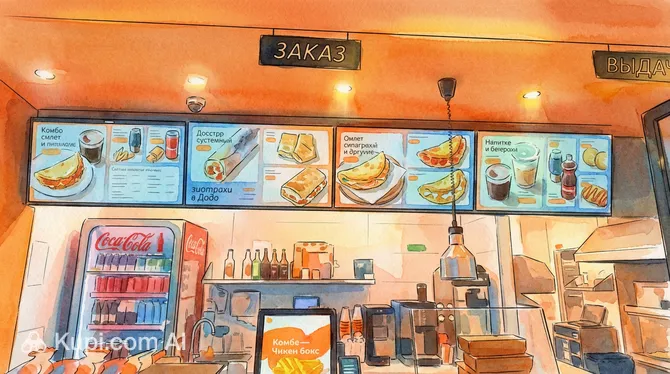
Pizzeria. Source: Kupi.Binoculars

After exploring the outdoor sights, visitors often look for a warm place to unwind. A popular spot in town is the local Pizzeria, which offers a cozy atmosphere for travelers and residents alike. It is a great place to enjoy a hot meal and experience the daily rhythm of the city away from the cold. Whether you are grabbing a quick lunch or settling in for dinner, it provides a welcoming break during your tour of Usinsk.

Finally, the city pays homage to its economic backbone with the Monument to the Oil Worker. Since Usinsk was built to support the oil and gas industry, this monument is central to the city's identity. It honors the geologists, drillers, and workers who built the city in the harsh subarctic conditions, serving as a reminder of the human effort behind the region's development.

Local Cuisine

The local cuisine in Usinsk is deeply influenced by its subarctic location and the traditions of the Komi people. Food here is hearty, warming, and designed to sustain people through the long, cold winters. The highlight of the gastronomic scene is undoubtedly the fish caught in the pristine waters of the Pechora and Usa rivers. Delicacies such as salmon, grayling, and whitefish are staples. A true northern specialty you must try is stroganina—thinly sliced, frozen raw fish served with salt and pepper, which melts in your mouth and offers a unique taste of the Arctic.

Meat lovers will appreciate the prevalence of venison on local menus, a nod to the region's reindeer herding heritage. Reindeer meat is often prepared as tender steaks, rich stews, or even dried snacks. To accompany these main courses, look for traditional Komi baked goods like shanki. These are open-faced round buns typically topped with mashed potatoes, cottage cheese, or berries, serving as a comforting addition to any meal.

Berries gathered from the surrounding taiga play a massive role in the local diet, particularly the prized cloudberry (known as "moroshka"). Often called "northern gold," it is used in jams, desserts, and sweet liqueurs. For non-alcoholic options, berry mors (fruit drinks) made from lingonberries or cranberries are incredibly popular and packed with vitamins. Hot herbal teas featuring local plants are also a common way to warm up after a walk in the fresh air.

The dining scene in Usinsk ranges from simple canteens serving workers to cozy restaurants where you can enjoy a relaxed evening. While traditional northern fare is a highlight, the city also offers familiar international options. For instance, the local Pizzeria is a well-known establishment where tourists and locals alike gather to enjoy a hot slice and a friendly atmosphere, providing a nice contrast to the wild flavors of the north.

Travel Tips

Visiting Usinsk offers a unique glimpse into life near the Arctic Circle, but the extreme climate and industrial nature of the city require some specific preparation. Here are some practical tips to help you navigate the "Black Gold Capital" comfortably and safely.

  1. Clothing and Gear: The weather dictates your wardrobe here. In winter, you need heavy-duty thermal underwear, a windproof down jacket, and insulated, non-slip boots to handle temperatures below -30°C. In summer, while days are mild, the region is famous for its insects; bringing high-quality mosquito repellent and even a protective face net is essential if you plan to visit the taiga or riverbanks.
  2. Transportation: Usinsk is relatively compact, making it easy to navigate. While there is a local bus system, taxis are the most popular and convenient method for tourists. Ride-hailing apps are available, but it is always useful to have the number of a local taxi service and some cash on hand, as not all drivers accept cards.
  3. Finances: The local currency is the Russian Ruble (RUB). Credit and debit cards are widely accepted in supermarkets, restaurants, and hotels. However, you should carry cash for small purchases, public transport, or if you plan to visit smaller shops on the outskirts. ATMs are plentiful in the city center.
  4. Health and Safety: The city has adequate medical facilities and pharmacies (marked as "Apteka"), though 24-hour options may be limited. The city is generally safe for pedestrians, but the main hazard is the cold; always dress warmer than you think you need to in winter to avoid frostbite.
  5. Communication: Russian is the primary language, and English speakers may be hard to find outside of major hotels. It is highly recommended to install an offline translation app and download offline maps (such as Yandex Maps or 2GIS) before arrival. You can purchase a local SIM card at the airport or mobile stores in the city with your passport.
  6. Local Etiquette: Usinsk is a hard-working industrial city. Locals are hospitable but appreciate modesty and politeness. It is customary to remove your shoes when entering a private home or even some guesthouses. A simple greeting like "Zdravstvuyte" (Hello) goes a long way in establishing rapport.
  7. What to Avoid: Do not take photographs of industrial infrastructure, oil refineries, or secured checkpoints without permission. As a strategic energy hub, security can be strict around these facilities. Additionally, avoid drinking tap water; sticking to bottled water is the safest option for travelers.
  8. Additional Tip: If you visit in June or July, be prepared for the White Nights, when the sun barely sets. While this allows for extended sightseeing, it can disrupt sleep, so packing a good sleep mask is a smart "life hack" for summer travelers.

With the right preparation, your trip to Usinsk will be a smooth and memorable adventure into the Russian North. Embrace the unique rhythm of this northern city, and you will find the local hospitality as warm as the winters are cold.

Entertainment & Nightlife

Nightlife in Usinsk reflects the character of this northern industrial city: it is compact, cozy, and centered around a few key locations rather than sprawling districts. While you won't find the bustling club scenes typical of massive metropolises, the city offers several welcoming spots where locals and visitors gather to unwind after a day of work or exploration. The atmosphere is generally relaxed and informal, with a focus on warm hospitality that contrasts with the often chilly weather outside.

For an evening out, dining venues often double as social hubs. One popular destination is the Pizzeria, which serves as a great starting point for the night. It offers a friendly environment suitable for a casual dinner or drinks with friends. In smaller cities like Usinsk, the line between a restaurant and a late-night lounge is often blurred, and many establishments keep their doors open late, especially on weekends. Besides stand-alone venues, hotel bars and restaurants are reliable options for a safe and comfortable evening, often featuring live music or karaoke nights which are a favorite local pastime.

Pizzeria. Source: Kupi.Binoculars

When planning your night out, keep in mind that the city is small, so getting around is quick and affordable. Taxis are the primary mode of transport at night; services like Yandex Go or local dispatch numbers are widely used and reliable. Walking is generally safe in the central well-lit areas, but given the northern climate, a car is often preferable. The dress code is usually casual to smart-casual. Prices in Usinsk are moderate compared to Russia's capital cities, making entertainment reasonably accessible.

During the daylight hours, entertainment shifts towards culture and active leisure. The "Tomlusa" Palace of Culture is the heart of the city's artistic life, hosting concerts, theater performances, and festivals. For those interested in local history and nature, the city's museums offer insights into the development of the oil industry and the unique ecosystem of the Komi Republic. In winter, the focus often turns to winter sports, with ice rinks and ski trails providing energetic alternatives to indoor entertainment.

Parks & Museums

While Usinsk is primarily known as a young industrial center in the Far North, it offers several well-maintained green spaces and cultural venues where visitors can learn about the region's history and relax. The city's compact size allows for easy exploration of its squares and monuments, which often reflect the unique character of life near the Arctic Circle.

One of the most popular outdoor areas is the Square of Three Generations. This central plaza serves as a gathering place for locals and is beautifully landscaped, especially during the short northern summer when flowers bloom in abundance. It is a symbolic location connecting the city's past, present, and future. Another notable green space surrounds the Student Square, located near the local branch of the Ukhta State Technical University. It is a pleasant spot for a stroll and is famous for housing one of the city's most unusual landmarks.

For those interested in culture and history, the "Vortas" Museum and Exhibition Center is the primary destination. This institution functions as both a local history museum and an art gallery. Its permanent collections offer fascinating insights into the ethnography of the indigenous Komi people, the distinct nature of the northern taiga, and the history of oil exploration in the region. The center also frequently hosts temporary art exhibitions featuring works by local and regional artists, making it a vibrant hub for the city's creative community.

In terms of architectural and historical landmarks, Usinsk is famous for its quirky Monument to the Mosquito. Located in Student Square, this steel sculpture is dedicated to the "eternal companion" of oil workers and geologists in the taiga. It is a humorous and iconic symbol of the city that every tourist should see. Additionally, the Memorial to the Defenders of the Fatherland stands as a solemn tribute to those who served, featuring an eternal flame and offering a quiet place for reflection.

For a truly authentic experience, try to visit during the period of the White Nights in June and July. During this time, the sun barely sets, and the city's parks and squares remain bright and lively well into the night, creating a surreal and beautiful atmosphere for evening walks.

Getting Around

The public transport system in Usinsk is compact and straightforward, designed primarily to serve the needs of a small industrial city. There is no metro, tram, or trolleybus network here. Instead, the city relies on a system of municipal buses and private minibuses, often referred to locally as marshrutkas. These vehicles cover the main avenues and connect the residential districts with key industrial areas, making it relatively easy to navigate the central parts of the city without a car.

For fare payment, the system is quite traditional. You typically purchase your ticket directly from the conductor or the driver upon boarding or exiting. While card terminals are becoming more common in many regions, it is highly recommended to carry cash, particularly small change, when using public transport in Usinsk. There are no complex zone systems or tourist travel cards; you simply pay a fixed, affordable price for each journey. Operating hours generally cover the active part of the day, but services may become less frequent late in the evening.

Given the city's location in the Far North, the weather plays a significant role in transport choices. Taxis are an extremely popular alternative to buses and are often the most practical option for tourists. Local dispatch services are reliable, and major ride-hailing apps like Yandex Go are often available, providing a convenient way to book a ride without a language barrier. Fares are generally reasonable, and using a taxi is strongly advised during the winter months when waiting at a bus stop can be uncomfortable due to the extreme cold.

For those arriving or departing, specific bus routes connect the city center with the Usinsk railway station and the airport. These hubs are located at a distance from the main residential areas, so planning your transfer is important. While buses do run to these locations, their schedules may not always perfectly align with every arrival, so many travelers prefer to pre-book a taxi to ensure a smooth connection.

Walking is also a viable option for getting around the compact city center, particularly during the summer when the days are long and the weather is mild. However, visitors should always be prepared for the climate; in winter, distances that look short on a map can be challenging to walk. In such conditions, relying on the warm and readily available taxi services or the bus network is the safest and most comfortable way to explore.

Accommodation

Accommodation in Usinsk is primarily designed to cater to business travelers and industry specialists, given the city's status as a major oil production center. As a result, visitors will not find sprawling luxury resorts or a vast network of backpacker hostels. Instead, the local hospitality sector offers a selection of functional mid-range hotels and a significant number of serviced apartments. These options provide comfortable, warm, and practical bases for staying in the Far North, ensuring that guests have a cozy retreat from the often harsh climate.

Because the city is relatively compact, location is rarely an issue, but staying in the central district is generally the most convenient option for tourists. Hotels and rental apartments located near the main avenues, such as Neftyanikov Street, offer easy access to local shops, cafes, and administrative buildings. Staying in the center also places you within walking distance of the main cultural attractions and ensures you are close to transport stops, which is particularly important during the winter months.

When planning a trip to Usinsk, it is highly recommended to book your accommodation in advance. Since the city sees a steady flow of business travelers and shift workers, the best rooms can fill up quickly, especially during the week. Prices are generally moderate compared to larger Russian cities, falling into the budget to mid-range categories. While major booking platforms may list some local properties, checking for apartments on local real estate sites or contacting hotels directly can sometimes yield better availability and rates.

Nearby Cities

For those looking to explore the surroundings, Usinsk serves as an excellent base for day trips to several interesting nearby locations:

The closest major neighbor is Pechora, situated on the banks of the majestic river of the same name. As a key transportation hub and river port, it offers visitors a chance to witness the impressive scale of the Pechora River, which serves as a vital artery for the region. The town provides an authentic look at life in the Komi Republic and acts as a gateway to the surrounding northern wilderness.

Further afield lies Ukhta, often referred to as the "Pearl of the North." It is historically significant as the birthplace of the Russian oil industry. Travelers can explore museums dedicated to geology and industrial history or enjoy the city's parks and Soviet-era architecture. It offers a more developed urban atmosphere and is a cultural center for the republic.

For those interested in the extreme north, Vorkuta offers a unique, albeit distant, destination. Located in the tundra zone, it is defined by its coal mining heritage and dramatic landscapes. A visit here provides profound insight into the history of the region and the resilience required to live in the Arctic conditions, making it a memorable spot for history buffs and adventure seekers.

City Population Distance (km)
Ukhta 97087 328
Vorkuta 77314 332
Salekhard 51188 411
Pechora 40653 96

These nearby destinations offer a glimpse into the diverse culture and landscapes of the region.

Shopping & Souvenirs

Shopping in Usinsk is primarily functional, catering to the daily needs of its residents and the oil industry workers who frequent the city. While you will not find sprawling luxury boutiques or massive fashion outlets typical of larger metropolises, the city offers a decent selection of modern stores and supermarkets. For visitors, the true value of shopping here lies in the unique local products and northern delicacies that make for memorable gifts and souvenirs.

The main commercial activity is concentrated along Neftyanikov Street, the city's central avenue. This street serves as the heart of Usinsk, lined with various shops, pharmacies, and service centers. A stroll down this avenue allows tourists to access most essential goods and get a feel for the local lifestyle. It is a convenient area to find clothing, electronics, and sporting goods, which are particularly well-stocked given the region's focus on active winter leisure.

For a more concentrated shopping experience, the city features several compact shopping centers. These malls provide a warm refuge from the northern weather and house a mix of chain stores and local boutiques under one roof. They are popular meeting spots for locals and offer everything from apparel to household goods. While they may not rival the size of malls in capital cities, they are modern and well-equipped for a comfortable shopping trip.

The most interesting shopping destination for tourists is often the local market. Here, visitors can discover the authentic flavors of the Russian North. Depending on the season, you can find fresh berries gathered from the surrounding taiga, such as the prized cloudberry (known locally as moroshka), cranberries, and lingonberries. These are often sold fresh, frozen, or as jams, making them excellent edible souvenirs.

When it comes to souvenirs, Usinsk offers items that reflect its identity as the "Oil Capital of the Komi Republic" and its location near the Arctic Circle. Popular gifts include venison products, such as cured meats or sausages, and high-quality northern fish like muksun or omul. Additionally, you can find traditional handicrafts made from reindeer fur or skin, such as warm boots or decorative items, as well as souvenirs featuring oil-themed motifs, celebrating the industry that built the city.

Most shops in Usinsk typically open around 10:00 AM and close between 8:00 PM and 9:00 PM, though supermarkets may operate later. Payment methods are generally modern, with credit and debit cards widely accepted in shopping centers and larger stores. However, if you plan to visit smaller kiosks or buy fresh produce from market vendors, it is highly recommended to carry some cash in rubles. Tax-free shopping services are generally not available in smaller regional cities like Usinsk, so visitors should not expect VAT refunds on their purchases.

Reached the end of the page?

That means the route is fully explored