Support

Naryan-Mar

About

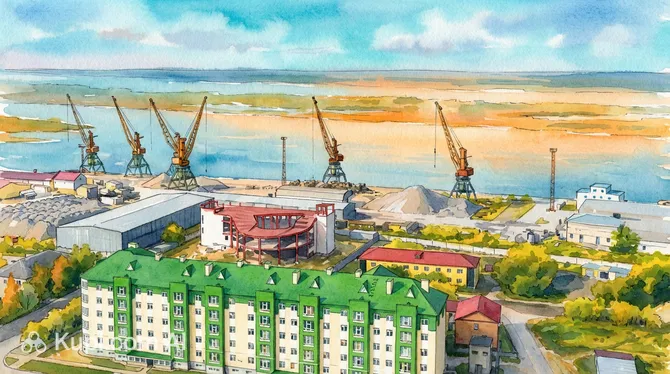
Naryan-Mar is a fascinating destination for those seeking to explore the Far North of the Russian Federation. Situated north of the Arctic Circle on the banks of the mighty Pechora River, this city serves as the administrative center of the Nenets Autonomous Okrug. Its name translates from the Nenets language as "Red City," symbolizing both its beauty and its significance in the region.

Naryan-Mar. Source: Kupi.Binoculars

With a population of approximately 25,000 residents, Naryan-Mar offers a cozy yet distinctively Arctic atmosphere. The city is surrounded by vast tundra, making it a prime location for experiencing the stark beauty of polar nature. Winters here are long and snowy, providing excellent opportunities to witness the magical Northern Lights, while the short summers bring the unique phenomenon of the Midnight Sun.

While the city itself was established in the 20th century, the region is steeped in tradition. Delving into the history of Naryan-Mar and its surroundings allows travelers to understand the deep connection between the land and the indigenous Nenets people, renowned for their reindeer herding culture. The city is home to several notable sights, including the visually striking wooden building of the Main Post Office and the Pustozersk Museum of Local Lore, which preserves the heritage of the first Russian city founded beyond the Arctic Circle.

Whether you are interested in ethnographic tourism, fishing in the Pechora River, or simply want to experience life at the "edge of the world," Naryan-Mar welcomes you. It is an exceptional place to discover the authentic spirit and warm hospitality of the North.

Weather Overview

Located north of the Arctic Circle, the climate in this region is subarctic, defined by long, cold winters and short, cool summers. Because conditions can vary significantly depending on the season, it is helpful to consult the detailed guide to weather in Naryan-Mar before packing for your trip.

Winter is the longest season, with temperatures staying well below freezing for several months. January is typically the coldest month, with an average temperature of -14.5°C and lows dipping to -17.1°C. Travelers visiting between November and March should bring heavy thermal clothing, as average temperatures range from -7.0°C down to -14.5°C.

Summer offers a milder experience, though it remains relatively cool compared to southern regions. July is the warmest month, featuring an average temperature of 14.9°C and highs around 18.9°C. While rainfall volume is generally low throughout the year (often recorded around 1-2mm), precipitation events are frequent, with 10 to 14 wet days per month on average. Expect mild summers with occasional light rain and cold, dry winters.

Interesting Facts

Beyond its scenic riverbanks and polar nights, Naryan-Mar holds several intriguing characteristics that set it apart from other northern cities. From its unusual geographical status to its logistical challenges, here are some lesser-known details about this Arctic outpost.
  • The "Land Island": Naryan-Mar is one of the few regional capitals in the Russian Federation that is not connected to the national railway network. For decades, the city was accessible primarily by air or water, creating a unique "island" mentality among locals despite being located on the mainland.

  • A Port Without a Sea: Despite its official classification as a sea port, the city is actually situated approximately 110 kilometers inland from the Barents Sea. Ocean-going vessels must navigate upstream along the winding Pechora River to reach the harbor, making it a rare example of a deep-inland maritime hub.

  • Successor to a Ghost City: The city is considered the historical heir to Pustozersk, which was founded in 1499 as the first Russian outpost beyond the Arctic Circle. While Pustozersk was eventually abandoned and disappeared from the map, its cultural and historical legacy was effectively transferred to Naryan-Mar.

  • Reindeer Capital: Naryan-Mar serves as the administrative center for a region where the reindeer population often exceeds the human population. The city acts as the vital economic and cultural hub for the nomadic herders who migrate across the surrounding tundra.

How to Get There

Reaching this remote northern destination requires some planning, as it is located in the Arctic zone. For a comprehensive overview of routes and travel tips, you can view all ways to reach the city on our detailed guide. The most direct and common method for tourists is air travel, as the region is somewhat isolated from the country's main road and rail networks.

The primary entry point is Naryan-Mar (IATA: NNM), a regional airport located directly in the city, just 4.1 km from the center. It serves as the main hub for the area, handling a moderate volume of passengers annually. Upon arrival, a taxi or bus ride to the downtown area is very quick, typically taking around 25 minutes. This is the most convenient option for most travelers.

Alternatively, you can fly into Usinsk Airport (IATA: USK), situated in the city of Usinsk. However, please note that this airport is approximately 263 km away from Naryan-Mar. While it handles a similar amount of passenger traffic, the transfer from Usinsk involves a long journey by road, which can take about 7 hours depending on the season and conditions.

For clarity, here is a summary of the main airports:

Airport Name City Passenger Traffic Km from City
Naryan-Mar Naryan-Mar Medium 4.1
Usinsk Airport Usinsk Medium 262.9
Ust-Tsilma Airport Ust-Tsilma Small 247.6

The city of Naryan-Mar does not have a railway station, making train travel a less direct option. The nearest significant railway hub is the Usinsk Railway Station in the city of Usinsk, located about 267 km away. Travelers choosing this route must be prepared for a subsequent transfer by road to reach Naryan-Mar, a trip that takes approximately 7 hours. This option is often used for cargo or by those combining different modes of transport across the Russian North.

Below is the information regarding the nearest railway station:

Station City Passenger Traffic Km to Center
Usinsk Railway Station Usinsk Medium 267.1

Main Attractions

Despite its remote location and compact size, Naryan-Mar boasts a unique collection of sights that reflect the rich history and culture of the Russian North. The city's architecture and monuments offer a glimpse into the lives of polar explorers, reindeer herders, and the resilience of those who call the Arctic home. Here are some of the most interesting places to visit during your stay.

One of the most essential stops for any visitor is the Nenets Local Lore Museum. This institution serves as the cultural heart of the region, housing extensive collections that detail the history of the Nenets Autonomous Okrug. Tourists are particularly drawn to the exhibits focused on the indigenous Nenets people, showcasing their traditional clothing, tools, and nomadic lifestyle. Additionally, the museum preserves the legacy of Pustozersk, the first Russian city founded above the Arctic Circle, making it a fascinating spot for history enthusiasts.

For admirers of unique architecture, the Main Post Office is a must-see landmark. Unlike the concrete structures typical of many modern cities, this building is a stunning example of wooden architecture that resembles a fairy-tale tower or "terem." Its intricate design and conical roof make it one of the most photographed buildings in Naryan-Mar. It stands as a symbol of the city's identity, blending functionality with the traditional aesthetic of northern wooden craftsmanship.

Another architectural gem is the Epiphany Cathedral, a beautiful wooden church complex that dominates the local skyline. Built in the traditions of northern Russian wooden architecture, the cathedral is intricate and visually striking against the backdrop of the snowy landscape. It is not only a place of worship but also a testament to the skill of modern carpenters who revived ancient building techniques to create this spiritual center.

Finally, the Monument to the Reindeer Transport Battalions offers a poignant look at a little-known chapter of World War II history. This monument honors the reindeer herders and their animals who played a crucial role in the war effort by transporting supplies and evacuating the wounded across the frozen tundra. It is a deeply moving and unique memorial that highlights the specific contributions of the Arctic peoples to the country's history.

Local Cuisine

The local cuisine of Naryan-Mar is a true reflection of life in the Arctic: hearty, natural, and deeply connected to the traditions of the indigenous Nenets people. Located amidst the tundra and on the banks of the Pechora River, the city's gastronomy relies heavily on locally sourced ingredients that can withstand the harsh northern climate. For tourists, dining here is not just a meal but an exploration of the "taste of the tundra."

The absolute king of the local table is venison (reindeer meat). It is prepared in countless ways, from rich soups and juicy cutlets to gourmet steaks with berry sauces. However, the most famous and authentic dish is stroganina. This delicacy consists of thin shavings of raw, frozen reindeer meat or fish, typically served with a mixture of salt and pepper. Eating stroganina is a ritual in the North, offering a unique taste that is both delicate and warming, despite the temperature of the dish.

Fish lovers will find Naryan-Mar to be a paradise, as the Pechora River is teeming with valuable species. Whitefish (such as sig, chir, and peled) and Atlantic salmon are staples of the local diet. Besides the frozen stroganina, fish is often salted, smoked, or baked in traditional pies known as rybnik. These enclosed pies preserve the natural juices and aroma of the fish, making them a comforting meal during the cold winters.

No culinary experience in Naryan-Mar is complete without tasting the "orange gold" of the North—the cloudberry (moroshka). This amber-colored berry is packed with vitamins and has a distinctive sweet-tart flavor. Locals use it to make jams, compotes, and desserts. Another popular treat is northern baking, particularly shangi, which are open-faced round pastries topped with mashed potatoes, cottage cheese, or berries, often served with hot tea.

When it comes to drinks, the focus is on natural fortification against the cold. The most popular non-alcoholic beverage is mors, a refreshing fruit drink made from lingonberries, cranberries, or cloudberries. It is tart, sweet, and incredibly healthy. For something stronger, local establishments often serve herbal tinctures or berry-infused spirits that capture the essence of the northern flora.

The food culture in Naryan-Mar is welcoming and authentic. While you won't find global fast-food chains on every corner, the city offers several restaurants and cafes that specialize in Northern cuisine. Many of these places are located within hotels or cultural centers and take pride in serving game meat and wild-caught fish. Visitors often buy gastronomic souvenirs to take home, such as dried reindeer chips, canned venison, and jars of cloudberry jam, allowing them to share the flavors of the Arctic with friends and family.

Travel Tips

Visiting Naryan-Mar is a true Arctic adventure that requires a bit more preparation than a standard city break. To help you navigate the unique conditions of the Far North and make the most of your stay, here is a list of practical tips designed to keep you safe, warm, and culturally connected.

  1. Dress for the Arctic Climate. The weather here dictates your wardrobe. In winter, thermal underwear, a heavy down parka, insulated trousers, and boots rated for extreme cold are mandatory; locals often wear traditional reindeer boots called pimy for good reason. In summer, the weather is changeable, so dress in layers. Crucially, if you visit between June and August, bring a mosquito net and strong insect repellent, as the tundra midges and mosquitoes can be intense.

  2. Getting Around the City. Naryan-Mar is relatively compact, and while there is a municipal bus network connecting the center with the airport and outskirts, schedules can sometimes be infrequent. The most convenient way to travel is by taxi. Rides are generally inexpensive and can be booked via phone or local apps. If you plan to explore the surrounding tundra, you will need to arrange a specialized vehicle or snowmobile tour with a local guide.

  3. Managing Your Finances. The official currency is the Russian Ruble (RUB). Credit and debit cards are widely accepted in supermarkets, hotels, and larger restaurants. However, it is highly recommended to carry cash, especially if you plan to buy souvenirs from local artisans, visit the market for fresh fish, or travel to smaller settlements where terminals might be unavailable. ATMs are available in the city center but are scarce on the outskirts.

  4. Health and Safety Precautions. The biggest safety risk here is the environment. Never underestimate the cold; frostbite can occur quickly in windy conditions, so cover exposed skin. Pharmacies are available in the city, but few operate 24/7, so bring a personal supply of essential medications. Additionally, do not venture into the open tundra alone without a guide, as it is easy to lose your orientation in the vast, treeless landscape.

  5. Communication and Connectivity. The primary language is Russian. English is not widely spoken, so having a translation app that works offline is very useful. Mobile coverage is good within the city limits (major operators like MTS and MegaFon work well), but signals drop off quickly once you leave the urban area. You can purchase a local SIM card at the airport or mobile shops in the town center.

  6. Respect Local Etiquette. The region is home to the indigenous Nenets people, who have a rich cultural heritage. If you meet reindeer herders or visit a nomadic camp (chum), always ask for permission before taking photographs of people or their property. It is polite to remove your shoes when entering a home or a chum. Hospitality is a core value here, so accepting tea or a small treat is a good way to show respect.

  7. What to Avoid. Avoid walking on the ice of the Pechora River unless you are on a marked official crossing or with a local expert. The ice thickness can vary due to currents, making it dangerous even in winter. Also, avoid refusing food offered by locals too bluntly; if you cannot eat something (like raw fish or venison), explain politely that you are not used to it rather than showing disgust.

  8. Souvenir Shopping Tip. For authentic mementos, look for goods made from reindeer fur, leather, or bone, as well as felt boots (valenki). The best place to find these is often not in standard souvenir shops but at local fairs or the central market. Food items like canned venison, cloudberry jam, and smoked fish also make excellent, practical gifts to take home.

By keeping these tips in mind, you will be well-equipped to enjoy the stark beauty and warm hospitality of Naryan-Mar. Embrace the local pace of life, respect the power of nature, and your journey to the edge of the Arctic will be an unforgettable experience.

Entertainment & Nightlife

Naryan-Mar is a compact city with a population of around 25,000, so travelers should not expect the bustling nightlife of a metropolis. Instead, the evening entertainment scene here is cozy, intimate, and largely centered around restaurant complexes that transition into lively venues with music and dancing as the night progresses. The atmosphere is generally welcoming and unpretentious, reflecting the warm hospitality of the North.

The nightlife is concentrated primarily in the city center, making it easy to navigate. There is no specific "clubbing district," but most popular spots are located within a short distance of the main thoroughfares, such as Smidovicha Street and Lenina Street. In this small community, Friday and Saturday nights are the most active, while weekdays tend to be much quieter.

For a typical evening out, locals and visitors often head to venues that combine dining with entertainment. One of the most well-known spots is the Restaurant Timan. Located centrally, it serves as a classic example of a provincial Russian nightlife venue: a place to enjoy a hearty dinner of northern specialties that gradually turns into a dance floor with a DJ or live singers later in the evening. Another popular location is the restaurant and bar at the Zapolyarnaya Stolitsa hotel, which offers a slightly more upscale atmosphere suitable for cocktails and relaxed conversation.

If you are looking for cultural activities, the Cultural and Business Center "Arktika" is the city's primary destination. Serving as a comprehensive creative hub, it is the main venue for concerts, theatrical performances, and large-scale public events. The center also houses a modern cinema, making it the go-to place to catch a movie or see a local performance. Whether for a daytime outing or an evening of culture, "Arktika" gathers many of the city's artistic options under one roof.

Regarding safety and logistics, Naryan-Mar is generally a safe city for night walks, but the extreme cold in winter is a significant factor. It is highly recommended to use taxis rather than walking between venues, especially after dark. Taxis are affordable and can be called via phone or local apps; hailing a car on the street is not common practice. The dress code in most establishments is casual to smart-casual. Given the climate, practical warm footwear is perfectly acceptable, though many places have cloakrooms where you can change into lighter shoes if you wish. Carrying cash is also advisable, as card terminals can occasionally be unreliable in smaller venues.

Parks & Museums

To explore the cultural heart and natural surroundings of Naryan-Mar is to step into a world where the history of polar exploration meets the timeless traditions of the indigenous peoples. While the city is compact and surrounded by the vast, treeless tundra, it offers distinct spaces where visitors can connect with the local heritage and the stark beauty of the Arctic environment.

Unlike cities in milder climates, Naryan-Mar does not possess sprawling botanical gardens, but its connection to nature is immediate and powerful. The central gathering place is Marad' Sey Square, which translates from the Nenets language as "Heart of the Deer." This open plaza serves as the city's main venue for festivals and celebrations. It is a landscaped area where locals come to stroll, offering a pleasant urban space that contrasts with the wild wilderness just beyond the city limits.

For a scenic walk, the Pechora River Embankment is the most picturesque route in town. Walking along the river, visitors can enjoy sweeping views of the mighty Pechora, which is the lifeline of the region. In summer, this area is perfect for watching the sunset, which lingers for hours during the white nights, while in winter, it offers a pristine, snowy landscape that highlights the quiet majesty of the North.

The primary institution for understanding the region is the Nenets District Museum of Local Lore. This comprehensive museum offers a deep dive into the natural and human history of the Arctic. Its exhibits range from paleontological finds, such as mammoth tusks and ancient fossils, to a rich ethnographic collection featuring the traditional clothing, tools, and shamanic artifacts of the Nenets people. It is an essential stop for anyone wanting to grasp the resilience required to live in this harsh climate.

Another significant cultural venue is the Pustozersk Museum-Reserve. Although the ancient city of Pustozersk itself no longer exists, this museum in Naryan-Mar preserves its memory as the first Russian outpost beyond the Arctic Circle, founded in 1499. The museum houses archaeological artifacts recovered from the site and tells the dramatic story of the Old Believers and the archpriest Avvakum. It provides a fascinating look at the early colonization of the Russian North.

Beyond the museums, the city's history is commemorated through several monuments. The Monument to the Yak-7B Fighter Plane is a prominent landmark dedicated to the pilots of the Arctic during World War II. The plane displayed is a genuine combat aircraft, funded by the contributions of local residents during the war, symbolizing the region's patriotism and sacrifice. It stands as a striking technical monument against the northern sky.

For a truly unique experience, look for opportunities to visit the Ethnocultural Center of the Nenets Autonomous Okrug. This center often hosts workshops and exhibitions that are more interactive than a traditional museum. Here, you might see demonstrations of traditional beadwork, fur crafting, or bone carving. An insider tip for visitors is to ask about day trips to a nearby "stoybishche" (nomadic camp), where you can meet reindeer herders and experience their traditional way of life firsthand, a rare opportunity to see a culture that has survived in the tundra for centuries.

Getting Around

The public transport system in Naryan-Mar is straightforward and adapted to the compact size of the city. As a relatively small settlement in the Arctic, it does not have a metro, tram, or trolleybus network. The primary and only form of municipal public transportation is the bus service, which connects the city center with the airport, the river port, and the neighboring settlement of Iskateley. The buses are generally modern and heated, providing a comfortable refuge from the northern cold.

The bus network consists of several routes that cover the main thoroughfares. The most useful route for tourists is typically Route 4 (and its variations like 4a), which runs between the city center and the airport. Buses run according to a schedule rather than frequent intervals, so it is important to plan your trips in advance. In the evenings and on weekends, the frequency of service decreases, and operations usually cease around 10:00 PM or 11:00 PM.

Regarding payment, the system is simple and user-friendly. There are no complex zones or pre-paid travel cards required for short visits. You purchase your ticket directly on the bus from a conductor or the driver upon entry. Payment can be made in cash, and increasingly, contactless bank cards are accepted on most municipal routes. The fare is affordable, typically a fixed low rate for travel within the city limits.

Given the harsh climate, taxis are a highly popular alternative to buses and are often the preferred mode of transport for visitors. Taxis in Naryan-Mar are inexpensive and readily available. While you can sometimes find cars waiting at the airport or major landmarks, it is best to book one via telephone or using mobile apps like Yandex Go or Maxim, which operate in the city. This is particularly advisable during the winter months to avoid waiting outside in freezing temperatures.

A unique aspect of local transport is its seasonality. In summer, passenger ferries and boats operate on the Pechora River to connect Naryan-Mar with nearby villages that are otherwise inaccessible. In winter, when the river freezes, these are replaced by hovercrafts or official ice roads. While not typical "city public transport," these river crossings are a vital lifeline for the region and an interesting experience for tourists venturing beyond the city limits.

For a smooth experience, tourists are advised to carry some cash in small denominations, as card terminals can occasionally suffer from connectivity issues in remote areas. Additionally, rely on online maps or ask your hotel reception for the current bus schedule, as waiting at a bus stop for extended periods is not recommended during the extreme cold of the polar winter.

Accommodation

Accommodation in Naryan-Mar is relatively limited, reflecting its status as a remote northern outpost rather than a mass tourism destination. Travelers should not expect international hotel chains or sprawling luxury resorts. Instead, the city offers a modest selection of functional mid-range hotels, smaller "mini-hotels," and a few budget-friendly hostels. The hospitality here is warm and home-like, often catering to business travelers and workers from the oil and gas industry as much as to tourists.

The most convenient area to stay is undoubtedly the city center. Naryan-Mar is compact, and staying centrally places you within walking distance of key landmarks like the Main Post Office, the local museum, and the few available restaurants. There is little need to look for accommodation on the outskirts unless you are specifically seeking a quiet guesthouse away from the urban core. The central district ensures you are close to transport links and administrative buildings, which is particularly helpful during the cold winter months.

Among the well-known accommodation options, Zapolyarnaya Stolitsa is often cited as one of the most modern and comfortable choices in town. It is frequently preferred by business travelers and tourists looking for reliable service and amenities. Another notable establishment is Pustozyorsk, which offers standard rooms and is conveniently located for exploring the city. For those seeking a smaller, more intimate atmosphere, Avantazh provides a decent alternative with essential comforts.

Booking Tip: Due to the limited number of rooms in the city and the steady flow of business visitors, accommodation can fill up surprisingly quickly. It is highly recommended to book your stay well in advance, especially if you plan to visit during local festivals or the peak winter season. Do not rely on finding a room upon arrival.

Regarding costs, prices in Naryan-Mar can be higher than in other Russian provincial cities, largely due to the high cost of maintaining infrastructure in the Arctic. Expect a price range that leans towards mid-range to expensive for the quality provided. While some properties can be found on major online booking platforms, it is often more effective to book directly by phone or through Russian travel aggregators to secure your reservation.

Nearby Cities

For those looking to explore the surroundings, Naryan-Mar serves as an excellent base for day trips or short visits to several interesting nearby locations. While the city is relatively isolated, connecting flights and seasonal routes allow travelers to discover the unique industrial and natural heritage of the neighboring Komi Republic.

Usinsk is often the first stop for many travelers, situated approximately 270 km away. Known as the "Oil Capital" of the region, it is a relatively young city that offers a stark contrast to the traditional tundra settlements. Visitors are often intrigued by its industrial monuments, including the memorial to the "Black Gold" of the north. As the nearest city with a railway station connected to the main Russian network, it serves as a vital bridge between Naryan-Mar and the rest of the country.

Another significant destination is Pechora, located on the banks of the same river that flows past Naryan-Mar. Often called the "Soul of the Republic," it is a major energy and transportation hub. The city offers a glimpse into the river-faring culture of the North and features interesting local museums dedicated to the history of the gulags and the development of the polar railways. It is a place where the history of the river and the rail converge.

For those willing to venture further into the Arctic zone, Vorkuta provides an unforgettable experience. Although it is further away, it is one of the most famous coal-mining cities in the world, renowned for its dramatic history and neoclassical architecture built on permafrost. A visit here offers a profound look at the resilience required to build a city in the extreme conditions of the polar tundra, surrounded by the scenic Polar Urals.

City Population Distance (km)
Ukhta 97087 454
Vorkuta 77314 470
Pechora 40653 334
Usinsk 38376 270

These nearby destinations offer a glimpse into the diverse culture and landscapes of the region, ranging from industrial powerhouses to historical river ports.

Shopping & Souvenirs

Shopping in Naryan-Mar is a unique experience that differs significantly from the commercial bustle of large metropolises. Instead of sprawling luxury outlets or high-end fashion boutiques, the city offers a functional and authentic retail scene focused on local necessities and regional specialties. Visitors here will find that the best purchases are not global brands, but rather the high-quality products of the North, ranging from traditional Nenets crafts to delicious organic delicacies sourced directly from the tundra.

The heart of the city's commercial life is centered around Smidovicha Street. This central thoroughfare acts as the main artery for locals and tourists alike, lined with a variety of small shops, pharmacies, and service centers. Walking along this street, you can find everything from grocery stores to souvenir stands. It is the most convenient place to start your shopping trip, as it connects the key administrative buildings with the retail areas, allowing you to browse without needing to travel far.

While you will not find massive entertainment mega-malls here, Naryan-Mar has several compact shopping centers that serve the community's needs. Places like Nord and other small trading houses located in the downtown area offer a mix of clothing, electronics, and household goods under one roof. These centers are modern and warm, providing a comfortable refuge from the cold while you shop for travel essentials or browse for gifts.

For a truly local flavor, the city's markets and specialized food stores are the most interesting destinations. The Central Market area and the specialized shops of the Naryan-Mar Meat Processing Plant are where the real treasures of the Arctic are found. Here, you can purchase fresh and smoked fish caught in the Pechora River, such as whitefish (sig) or salmon. It is also the best place to find locally produced reindeer meat products, which are the pride of the region.

When it comes to souvenirs, Naryan-Mar offers items you cannot find anywhere else. The most iconic purchase is a pair of pimy, traditional boots made from reindeer fur that are incredibly warm and durable. For smaller gifts, look for exquisite carvings made from reindeer antlers or mammoth bone, often crafted by local artisans. Edible souvenirs are also highly recommended; tourists frequently bring back vacuum-packed venison sausages, dried reindeer meat chips, and jars of cloudberry jam, a sweet and tart preserve made from the "orange gold" of the tundra.

Standard opening hours for most shops in the city are from 10:00 AM to 8:00 PM, though some grocery stores may stay open later. On weekends, smaller boutiques might have shorter hours. regarding payment, credit and debit cards are widely accepted in supermarkets, shopping centers, and hotels. However, if you plan to buy from small kiosks, open-air market stalls, or directly from local craftsmen, it is essential to carry cash in Russian Rubles, as card terminals may not be available.

Regarding Tax-Free shopping, while the Russian Federation has a system for VAT refunds for international tourists, it is primarily operational in major cities like Moscow and St. Petersburg. In a remote regional center like Naryan-Mar, it is unlikely that local stores participate in the tax-free program. Visitors should not expect to process tax refunds here and should plan their budget accordingly.
Nearby cities

Reached the end of the page?

That means the route is fully explored