Support

Pechora

About

Welcome to Pechora, a significant city located in the Komi Republic of the Russian Federation. Often referred to as the "energy capital" of the region, the city is situated on the right bank of the majestic Pechora River, from which it takes its name. This northern outpost serves as a vital transportation hub where major railway lines meet river routes, offering a unique glimpse into life in the subarctic taiga.

Geographically, Pechora is positioned in the northeastern part of the European side of the country, just southwest of the polar circle. The city is home to approximately 40,000 residents and experiences a continental climate characterized by long, snowy winters and short, moderately warm summers. This distinct environment shapes the local lifestyle and creates a ruggedly beautiful atmosphere that appeals to travelers seeking authentic northern experiences.
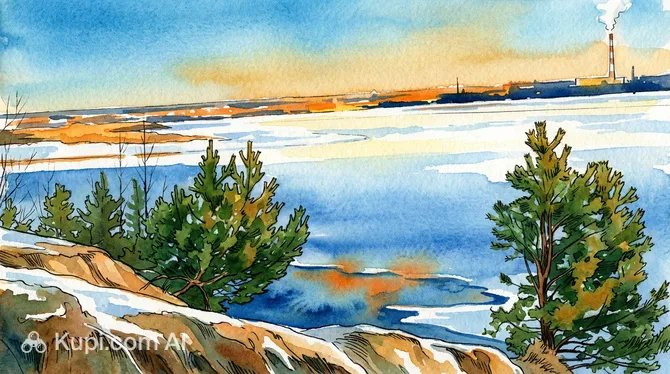
Pechora. Source: Kupi.Binoculars

Although the city officially gained its status in the mid-20th century, the area has a rich narrative. You can delve deeper into the origins and development of this transport center by exploring the history of Pechora. The city's growth was driven by the construction of the North Pechora Railway and the development of the river port, making it a cornerstone of northern logistics.

For visitors, the Pechora River itself is a primary attraction, offering scenic views and opportunities for boat trips or fishing during the warmer months. The Pechora History Museum is another highlight, featuring exhibits on local ethnography, nature, and the industrial heritage of the Komi Republic. The surrounding wilderness provides a serene backdrop for those who appreciate the quiet majesty of the northern forests.

Whether you are passing through on a journey across the north or stopping to appreciate the local culture, Pechora offers a warm welcome and a chance to witness the enduring spirit of the Russian North.

Weather Overview

The climate in Pechora is distinctly continental, defined by long, freezing winters and short, pleasantly mild summers. Due to its northern location, the city experiences significant seasonal shifts that shape the local landscape and travel conditions.

Winter months are dominated by sub-zero temperatures, with January being the coldest month, averaging around -15.8°C and often dipping to lows of -18.3°C. In contrast, the summer season offers welcome warmth; July is typically the warmest time of year, featuring average highs of 21.6°C. Travelers planning a trip should check the current weather in Pechora to pack appropriately for the specific season.

Although the total volume of precipitation is quite low, generally staying between 1mm and 3mm per month, the number of wet days remains consistent throughout the year. Expect warm summers with occasional light rain and cold winters characterized by frequent snowfall.

Interesting Facts

Beyond the main attractions, Pechora holds many fascinating secrets that reveal its unique character as a northern outpost. Here are some intriguing facts about this resilient city:
  • A City of Two Hearts: Pechora is geographically and socially divided into two distinct districts: the "River" part and the "Railway" part. These two areas are separated by a stretch of forest and marshland, causing them to function almost like separate towns with their own unique atmospheres, connected by a bus route that cuts through the taiga.

  • Rusanov's Prophecy: The city has a deep connection to the famous Arctic explorer Vladimir Rusanov. In the early 20th century, long before the city was founded, he explored the region and predicted that a major port would eventually rise on these banks to serve as a gateway for timber exports. A monument on the embankment now honors his foresight.

  • The Energy Giant: Pechora is often called the "Energy Capital" of the Komi Republic for a literal reason. The Pechora State District Power Station (Pechorskaya GRES) is a massive facility that generates a significant portion of the electric power for the entire republic. Its towering chimneys are among the tallest structures in the region and serve as a prominent landmark.

  • A Wild River: The Pechora River, which gives the city its name, is the largest river in the European North of Russia by water flow. Unlike many other major European rivers, it remains largely undammed and free-flowing throughout most of its course, preserving a natural ecosystem that is rich in valuable fish species like salmon and whitefish.

How to Get There

Reaching this northern city is an adventure in itself, with options ranging from regional flights to scenic train journeys across the Komi Republic. While the location is remote, it remains accessible for determined travelers. You can find detailed logistics and route planning advice in our guide on how to get to Pechora.

For those preferring air travel, the city has its own local transport hub, Pechora airport (IATA: PEX), situated just 5.4 km from the center. It is a small facility, so flight schedules may be limited. A more active alternative is Usinsk Airport (IATA: USK), located in the city of Usinsk. Although it handles more passengers, it is approximately 96 km away from Pechora. The transfer from Usinsk by road typically takes between 2.5 to 3 hours, depending on weather and transport choice.

For clarity, here is a summary of the main airports:

Airport Name City Passenger Traffic Km from City
Usinsk Airport Usinsk Medium 95.8
Ukhta Airport Ukhta Medium 241.6
Ust-Tsilma Airport Ust-Tsilma Small 236.7
Pechora Pechora Small 5.4

Rail transport is often the most popular and reliable method for reaching the city, especially given the challenging northern terrain. The Pechora Railway Station is a key stop on the Northern Railway and is conveniently located just 1.2 km from the city center, making arrival very straightforward. For those exploring the wider region, the Usinsk Railway Station in Usinsk is another major node, though it is situated about 99 km away.

Below is a list of the nearest and most significant railway stations:

Station City Passenger Traffic Km to Center
Sosnogorsk Railway Station Sosnogorsk High 235.7
Usinsk Railway Station Usinsk Medium 98.9
Pechora Railway Station Pechora Medium 1.2
Inta-1 Railway Station Inta Medium 171.2
Kozhva 1 Station Pechora - 11.9

Main Attractions

While Pechora is primarily known as an industrial and transport hub, it possesses a unique charm and several landmarks that reflect its history and northern identity. The city’s sights are closely tied to the river, the railway, and the resilient people who built this community in the subarctic taiga.

One of the most important cultural institutions is the Pechora History Museum. Founded in 1975, this museum offers a deep dive into the region's past. Visitors can explore diverse exhibits ranging from the ethnography and daily life of the indigenous Komi people to the natural history of the area. A significant portion of the museum is dedicated to the city's origins and the tragic history of Pechorlag, the GULAG camp that once operated here. It is an essential stop for anyone wanting to understand the complex layers of local history.

A symbol of the city is the Monument to Vladimir Rusanov, located on the picturesque river embankment. Rusanov was a renowned Arctic explorer who, long before the city was established, predicted that a major port would rise on this very spot to serve the north. The monument stands as a tribute to his foresight and serves as a popular meeting place for locals. The surrounding Embankment offers panoramic views of the Pechora River, making it a perfect spot for a scenic walk, especially during the white nights of summer.

Given the city's status as a railway capital, the Monument to the Steam Locomotive near the railway station is another notable sight. This preserved locomotive commemorates the construction of the North Pechora Railway, a feat of engineering that connected the region to the rest of the country and spurred Pechora's development. It stands as a testament to the labor and determination required to conquer the northern wilderness.

For those interested in green spaces, Geologists' Park (Park Geologov) provides a pleasant area for relaxation within the city. It honors the geologists whose discoveries of coal, oil, and gas transformed the economy of the Komi Republic. The park is a quiet refuge where travelers can observe local life and enjoy the fresh northern air.

Local Cuisine

The culinary landscape of Pechora is deeply influenced by its subarctic location and the mighty river that flows past it. The local diet is hearty, designed to sustain people through cold winters, and relies heavily on fresh, natural ingredients. Unsurprisingly, the Pechora River provides the region's most celebrated delicacy: fresh fish. Visitors should definitely try dishes made from local river varieties such as whitefish or grayling, which are often served salted, smoked, or baked to perfection.

Traditional Komi baking is a staple here, with the shanga taking center stage. These open-faced round pastries are typically topped with mashed potatoes, cottage cheese, or berries and are perfect for a quick, filling snack. For a more substantial meal, look for cheri-nyan, a traditional fish pie that is a hallmark of Komi hospitality. Meat lovers might also find dishes featuring venison, as reindeer herding is traditionally practiced in the surrounding tundra regions.

To accompany these meals, locals often turn to drinks rich in vitamins to combat the northern climate. Non-alcoholic berry fruit drinks, known as mors, are extremely popular and are usually made from locally gathered lingonberries, cranberries, or the prized cloudberry, often called "northern gold." For something stronger, you might encounter herbal balsams or berry-infused tinctures that are traditional in the Russian North.

The food scene in Pechora is modest but welcoming, characterized by simple, home-style cooking rather than high-end gastronomy. Most dining establishments are casual cafes or restaurants located within hotels or near the city center. For a truly authentic experience, tourists can visit the local markets to purchase smoked fish or jars of homemade berry preserves directly from local residents, offering a genuine taste of the region's bounty.

Travel Tips

Visiting Pechora offers a unique opportunity to experience the authentic lifestyle of the Russian North, but the remote location and distinct climate require some specific preparation. To help you navigate the "Energy Capital" of the Komi Republic with ease and confidence, here is a set of practical tips designed for travelers.

  1. Clothing and Gear: The most critical factor here is the season. If you visit in winter, you must bring heavy-duty thermal underwear, a windproof down jacket, insulated boots with non-slip soles, and a warm hat. In summer, the weather is mild, but the taiga environment brings swarms of mosquitoes and midges; therefore, strong insect repellent and long-sleeved clothing are absolutely essential for any outdoor walks.
  2. Transportation: Pechora is divided into two main parts—the "Railway" and "River" districts—connected by a stretch of forest. Public buses run between these areas, but schedules can be infrequent in the evenings. Taxis are the most convenient way to get around; local ride-hailing apps or phone dispatch services are widely used and affordable. Walking is feasible within the individual districts but not practical for moving between them.
  3. Finances: The official currency is the Russian Ruble (RUB). While major supermarkets and hotels typically accept credit cards, smaller shops, kiosks, and bus drivers usually require cash. It is advisable to withdraw cash from ATMs, which are readily available in the city center (look for major banks like Sberbank), as international cards may have limited acceptance depending on the provider.
  4. Health and Safety: Pharmacies (marked as "Apteka") are available in the city center, though 24-hour services may be limited, so bring a supply of any prescription medications you need. The tap water is generally not recommended for drinking without boiling; sticking to bottled water is the safest option. The city is generally safe, but standard precautions apply—avoid poorly lit areas on the outskirts at night.
  5. Communication: Russian is the primary language, and finding English speakers can be challenging. It is highly recommended to download an offline translation app and a Russian map pack before you arrive. You can purchase a local SIM card (operators like MTS, MegaFon, or Tele2) at mobile phone shops in the city center using your passport to ensure you have mobile data access.
  6. Local Etiquette: Northern hospitality is warm but reserved. When entering a private home or even some hostels, it is mandatory to remove your shoes at the door. A firm handshake is a common greeting for men. Locals appreciate it if you show respect for nature; littering in the nearby forests or along the riverbank is strongly frowned upon.
  7. What to Avoid: Do not photograph strategic industrial facilities, such as the Pechora State District Power Station or specific railway infrastructure, up close without permission, as security can be strict. Also, avoid underestimating the distances or the cold; never venture into the surrounding forests alone without a guide or proper navigation tools.
  8. Seasonal Tip: If you travel in June or July, be prepared for the phenomenon of "White Nights," where it barely gets dark. While beautiful, this can disrupt sleep, so packing a good quality eye mask is a smart life hack for summer visitors.

By keeping these practicalities in mind, you can focus on enjoying the rugged beauty of the Pechora River and the unique industrial heritage of the city. A little preparation goes a long way in this northern region, ensuring your trip is both safe and memorable.

Entertainment & Nightlife

Entertainment in Pechora reflects the city’s character: it is cozy, somewhat reserved, and centered around warm social gatherings rather than loud parties. Given its size and northern location, the nightlife scene is modest. Travelers should not expect a bustling club district; instead, the evening atmosphere is defined by hearty meals, local hospitality, and long conversations in comfortable settings.

The city is geographically divided into the "Railway" and "River" districts, but the majority of evening entertainment is concentrated in the Railway part (the city center). This is where you will find the main avenues, such as Pechorsky Prospekt, which are well-lit and host the most popular establishments. The "River" district is quieter and more residential, better suited for daytime walks along the embankment than for night outs.

For a classic night out, travelers will find that the local culinary scene serves as the main form of entertainment. Most activity revolves around the city's central restaurants and cafes. During the day, these establishments offer a quiet place for lunch, but on Friday and Saturday nights, several of them—often attached to the main hotels or larger commercial centers—transform into livelier venues featuring music and dancing. It is common to find menus offering a blend of traditional Russian dishes and popular European cuisine, catering to local residents celebrating special occasions.

When planning a night out, keep in mind that the dress code is generally casual but neat; locals tend to dress up slightly for weekend dinners. Prices are very affordable compared to larger cities in the Russian Federation. A full dinner with drinks will typically cost significantly less than in metropolitan areas. Most venues accept cards, but it is always wise to carry some cash for smaller purchases or coat check tips.

Safety and Transport: Pechora is generally safe, but the unique layout of the city requires planning. The two main districts are separated by a stretch of forest and marshland that is unlit and not suitable for walking at night. Always use a taxi to travel between the Railway and River parts after dark. Local taxi services are reliable and inexpensive; you can ask your hotel reception or restaurant staff to call one for you, as ride-hailing apps may have variable availability depending on the season.

During the day, entertainment shifts towards culture and nature. The Pechora History Museum is the primary cultural hub, offering insights into the region's past. For a more relaxed afternoon, the River Embankment in the River district provides beautiful views of the water and is a favorite spot for leisurely strolls, especially during the long daylight hours of the summer "white nights."

Parks & Museums

While Pechora is primarily known for its industrial prowess and transport links, the city offers several green retreats and cultural institutions that provide a deeper understanding of life in the Russian North. Visitors will find that the local parks and museums serve as vital community hubs, preserving the memory of the region's complex history and offering spaces for relaxation amidst the subarctic landscape.

Geologists' Park (Park Geologov) is the most prominent green space in the city center, serving as a tribute to the explorers who discovered the vast coal and oil reserves in the Komi Republic. It is a favorite leisure spot for locals, featuring paved paths lined with hardy northern trees that provide shelter from the wind. For tourists, it offers a quiet place to observe local daily life and enjoy a moment of tranquility away from the bustling railway district.

Another significant area is Victory Park (Park Pobedy), a solemn and well-maintained space dedicated to the memory of those who fell during the Great Patriotic War. The park centers around an eternal flame and memorial complex, which is particularly poignant given the city's history. It is a place of reflection, often adorned with fresh flowers, and provides a somber but important connection to the collective memory of the Russian people.

For a more natural experience, the River Embankment in the "River" district functions as a linear park. Although less manicured than the city center parks, it offers the best vantage points for viewing the mighty Pechora River. It is an ideal location for a scenic walk, especially during the summer "white nights," when the sun barely sets, casting a golden glow over the water and the endless taiga on the opposite bank.

The cultural heart of the city is the Pechora History Museum. This institution is essential for anyone wishing to understand the unique identity of the region. The museum houses a diverse collection that spans from the paleontological past—featuring mammoth tusks and ancient fossils found in the permafrost—to the ethnographic traditions of the indigenous Komi people. A significant and moving section of the museum is dedicated to the history of the Pechorlag labor camps, offering an honest look at the city's origins during the Soviet era.

While not a traditional museum, the Exhibition Hall often hosts temporary art displays, photography collections from local artists, and traveling exhibits. It serves as a window into the contemporary creative life of Pechora, showcasing how modern residents interpret the stark beauty of their northern home through various artistic mediums.

Among the architectural and historical landmarks, the Monument to the Steam Locomotive stands out. Located near the railway station, this preserved LB-2509 locomotive is a powerful symbol of the city's lifeline—the North Pechora Railway. Similarly, the Monument to Vladimir Rusanov on the embankment honors the Arctic explorer who foresaw the city's potential as a port. These monuments are open-air exhibits in their own right, telling the story of exploration and industrialization.

For a truly authentic experience, take the time to visit the Chapel of the New Martyrs and Confessors of Russia. Built near the site of former camp cemeteries, this wooden chapel is a beautiful example of traditional northern ecclesiastical architecture and a spiritual landmark that honors the victims of political repression. It is a quiet, lesser-known site that leaves a lasting impression on visitors due to its peaceful atmosphere and historical significance.

Getting Around

Navigating Pechora is relatively straightforward due to its size, but the city's unique geography defines its public transport system. Since the city is split into two distinct areas—the "Railway" part (the city center) and the "River" part—separated by a stretch of forest and marshland, understanding how to move between these districts is essential for any visitor.

The primary mode of public transportation is the bus network. There are no metros, trams, or trolleybuses in the city. A fleet of buses and minibuses (often referred to as marshrutkas) serves the local population. The most important routes are those connecting the Railway station area with the River port area. This journey takes passengers through the "green zone" of taiga that divides the town, offering a short but scenic commute that feels quite unlike a typical city bus ride.

Payment and Fares: The fare system is simple and traditional. You typically purchase tickets directly on the bus. In most cases, a conductor will approach you to collect the fare, or you pay the driver upon entering or exiting, depending on the specific vehicle's rules. While digital payment terminals are becoming more common across the region, it is highly recommended to carry cash in small denominations (coins and small notes). International bank cards may not always work on local bus terminals, so cash remains the most reliable option.

Operating Hours: Buses run frequently during the day, catering to workers and students. However, the frequency drops significantly in the late evening. If you plan to stay out late, be aware that the last buses may depart relatively early compared to larger metropolitan areas. Schedules are usually posted at major stops, but they are not always strictly adhered to, so allow for some waiting time.

Taxis: Given the cold climate and the distance between the two main districts, taxis are an extremely popular and affordable alternative to buses. They are the preferred mode of transport after dark or during severe winter weather. While global ride-hailing apps may have limited presence or variable availability, local taxi services are very active. You can easily order a car by phone or ask your hotel reception or restaurant staff to call one for you. This is often the most comfortable way to travel, especially if you are carrying luggage.

Walking and Cycling: Within each individual district, Pechora is very walkable. The centers of both the Railway and River parts are compact, and you can easily reach shops, museums, and parks on foot. However, walking between the two districts is not recommended for tourists, particularly in winter or at night, due to the lack of lighting in the forest zone and the significant distance. Cycling is a pleasant option in the summer months for exploring the embankment or local parks, though there are no dedicated bike rental schemes like in major capitals.

For a hassle-free experience, treat the bus as a cultural experience to see locals going about their day, but rely on taxis for speed and comfort. Always keep a few hundred rubles in cash in your pocket, and you will have no trouble getting around this northern city.

Accommodation

Accommodation in Pechora is primarily geared towards business travelers and industry workers visiting the "Energy Capital" of the Komi Republic. As a result, the hospitality landscape is functional and modest rather than tourist-oriented. Visitors should not expect international luxury chains or sprawling resorts. Instead, the city offers a selection of mid-range local hotels, Soviet-era establishments that have been renovated, and small private guest houses that provide basic but comfortable amenities.

In addition to traditional hotels, the short-term rental market is quite popular here. Many travelers opt for rented apartments, which often offer better value and more privacy than standard hotel rooms. These apartments are widely available throughout the city and can be a great option for those planning a longer stay or looking for a "home away from home" experience with kitchen facilities.

When choosing where to stay, location is a key factor due to the city's unique geography. The Railway District is generally the most convenient area for the majority of visitors. Staying here places you within walking distance of the Pechora Railway Station, the main supermarkets, banks, and cafes. It is the hub of activity and offers the easiest access to transport. The River District is quieter and offers scenic views of the Pechora River, but it is separated from the city center by a stretch of forest, making it less convenient for those without a car or those who need quick access to services.

Prices in Pechora are typically very affordable, falling squarely into the budget to mid-range categories compared to larger Russian cities. While some of the larger hotels allow for online reservations through major aggregators, many smaller guest houses and apartments still operate on phone bookings or local Russian platforms. A useful tip for travelers is to book your accommodation in advance, especially if you are visiting during the winter months or mid-week, as the limited number of quality rooms can be fully booked by visiting specialists working in the energy sector.

Nearby Cities

For those looking to explore the surroundings, Pechora serves as a strategic base for venturing into the wider Komi Republic and beyond. While the distances in the north are vast, the city's position on the railway line makes it possible to visit several interesting nearby locations.

The closest major neighbor is Usinsk, often celebrated as the "Oil Capital" of the region. Located less than 100 kilometers away, this relatively young city offers a stark contrast to Pechora with its modern infrastructure and rapid development driven by the "black gold" industry. Visitors can explore the Usinsk Palace of Culture or simply experience the unique atmosphere of a city built entirely on permafrost to serve the energy sector.

For travelers willing to venture a bit further by train, Ukhta provides a glimpse into the region's deeper history. Known as the "Pearl of the North," Ukhta is the birthplace of the Russian oil industry. It features a more established cultural scene, including the Ukhta Local History Museum and several scenic parks. Although the journey is longer, the city's architectural heritage and diverse monuments make it a rewarding destination for those interested in the industrial legacy of the North.

City Population Distance (km)
Ukhta 97087 246
Vorkuta 77314 403
Salekhard 51188 455
Usinsk 38376 96

These nearby destinations offer a glimpse into the diverse culture and landscapes of the Russian North, ranging from industrial powerhouses to historic settlements.

Shopping & Souvenirs

Shopping in Pechora is a practical and authentic experience rather than a glamorous spree. As a northern industrial city, it does not boast luxury boutiques or sprawling fashion outlets. Instead, the retail scene focuses on essential goods, warm clothing suitable for the harsh climate, and locally produced food items. For tourists, the primary appeal lies in discovering regional specialties that reflect the unique character of the Komi Republic and the bounty of the surrounding taiga.

The city's commercial life is concentrated in the Railway District, particularly along the main thoroughfare, Pechorsky Prospekt. This central avenue is lined with a variety of small shops, pharmacies, and grocery stores. A walk down this street offers a glimpse into the daily needs of the locals, with storefronts selling everything from electronics to heavy-duty winter gear. It is the most convenient place to find general supplies or to simply window shop while exploring the city center.

While you will not find massive entertainment complexes, Pechora has several compact shopping centers, known locally as "Torgovy Tsentr." One of the notable spots is the Shopping Center "Riol", located near the city center. These multi-story buildings typically house a collection of independent vendors selling clothing, shoes, cosmetics, and household goods. They are functional spaces where residents go for their everyday non-food purchases, offering a warm refuge from the cold while browsing.

For a true taste of the North, the local markets are the most interesting destination. The city market is the heart of local trade, especially for fresh produce. Here, you can find seasonal treasures gathered from the nearby forests, such as mushrooms and wild berries. In late summer and autumn, the stalls are vibrant with buckets of lingonberries, cranberries, and the prized cloudberries. It is also the best place to buy fresh or smoked river fish, which is a staple of the local diet and a point of pride for the region.

When it comes to souvenirs, edible gifts are the best choice in Pechora. Smoked fish from the Pechora River is the most popular item to take home; look for varieties like whitefish (sig) or grayling. Jars of cloudberry jam or dried berries are also excellent, offering a unique taste of the subarctic. Additionally, you might find traditional Komi handicrafts, such as knitted wool socks or mittens with ethnic patterns, which are not only beautiful but incredibly practical for the northern winter. Reindeer meat products, such as dried venison chips, are another exotic local specialty worth trying.

Opening hours in Pechora are standard for Russia. Most general shops open around 10:00 AM and close by 8:00 PM or 9:00 PM. Grocery supermarkets often operate longer hours, with some staying open until 10:00 PM or 11:00 PM. Payment methods vary depending on the location. Major supermarkets and shopping centers widely accept credit and debit cards. However, if you plan to visit the market, buy from street vendors, or use small kiosks, carrying cash (Russian Rubles) is essential, as electronic payment terminals may not be available.

Tax-Free shopping services are generally not available in Pechora. The system is typically found only in major metropolitan areas and luxury retailers in the Russian Federation. Visitors should not expect to process VAT refunds for purchases made in the city.

Reached the end of the page?

That means the route is fully explored