Support

Inta

About

Inta is a distinctive city located in the Komi Republic, offering a fascinating glimpse into life in the Far North. Situated just south of the Arctic Circle, this settlement is defined by its stunning subarctic landscapes and a quiet, resilient atmosphere that captivates visitors seeking off-the-beaten-path destinations.

Geographically, Inta is positioned in the northeastern part of the European section of the Russian Federation. The local climate is severe yet beautiful in its own way, characterized by long, snowy winters and short, bright summers. With a population of approximately 25,000 residents, the city maintains a close-knit community vibe amidst the vast wilderness of the tundra and forest-tundra zones.

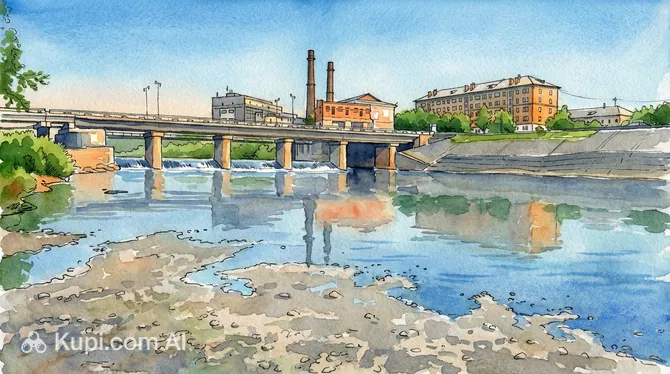
Inta. Source: Kupi.Binoculars

The architectural highlight of the city is undoubtedly the Water Tower, a striking red-brick structure designed with elements of Gothic style. It stands as the main symbol of the town and a testament to the area's heritage. For those interested in how this northern outpost came to be, exploring the history of Inta reveals the narrative of its industrial development and the unique circumstances of its founding.

Beyond its urban limits, Inta serves as a crucial gateway for adventurers heading to the Ural Mountains. It is a popular starting point for expeditions into the Yugyd Va National Park, a UNESCO World Heritage site known for its pristine rivers, ancient forests, and majestic mountain peaks. Whether you are drawn by the unique northern architecture or the call of the wild, Inta provides a memorable experience for every traveler.

We invite you to discover the rugged beauty of Inta, where the true spirit of the North is felt in every street and snowy vista.

Weather Overview

Inta experiences a distinct subarctic climate characterized by long, cold winters and short, mild summers. The coldest month is typically January, with average temperatures dropping to -17.1°C, while July is the warmest time of year, offering pleasant averages of 16.3°C and daily highs around 20.9°C.

Travelers should expect mild summers with frequent but light precipitation and very cold, dry winters that require serious thermal gear. To pack appropriately for these seasonal shifts, we recommend checking the detailed forecast for the weather in Inta before your trip.

Although the total volume of precipitation is quite low, often just 1mm to 3mm per month, wet days are a common occurrence throughout the year. You might encounter anywhere from 9 to 18 wet days in a given month, with October generally seeing the highest frequency of precipitation.

Interesting Facts

Beyond the main attractions and scenic landscapes, Inta holds fascinating details that reveal its unique character and resilience in the Far North.

  • A Swedish Architectural Legacy: The city’s most iconic landmark, the Water Tower, was designed by Arthur Tamvelius, an architect of Swedish descent. His unique vision gifted Inta with a striking red-brick structure that blends Gothic and constructivist elements, looking more like a medieval fortress keep than a typical utility building.

  • An Island on Land: Inta is one of the few cities of its size that remains unconnected to the main Russian Federation highway network by a permanent all-weather road. The railway serves as the primary lifeline for the community, preserving a sense of seclusion and tranquility rarely found in modern urban centers.

  • Gateway to the Roof of the Urals: This city is the closest logistical hub for expeditions to Mount Narodnaya, the highest peak in the Ural Mountains. For mountaineers and trekkers, Inta is the essential starting point for conquering the summit and exploring the vast Yugyd Va National Park.

  • A Center for Reindeer Herding: The region maintains deep ties with traditional indigenous cultures. During the annual "Terey" festival, or Reindeer Herder's Day, the snowy plains come alive with spectacular reindeer sled races, showcasing the vibrant heritage of the Komi and Nenets peoples.

How to Get There

Reaching this northern outpost requires some planning due to its remote location in the Komi Republic. While the city is tucked away in the subarctic wilderness, it remains accessible for determined travelers, primarily through the rail network. To help you plan your journey effectively, you can read more about how to get to Inta and choose the best route for your expedition.

The city of Inta does not have its own commercial airport for regular incoming flights. The closest option with regular connections is Usinsk Airport (USK), located in the city of Usinsk, approximately 125.4 km from Inta. It is crucial to note that there are no roads connecting these cities; therefore, after arriving by air, travelers must transfer to the local railway station to complete the journey to Inta by train. Alternatively, you can fly into Pechora (PEX), situated about 172.2 km away. Similarly, the onward trip from Pechora must be made via the rail network, as ground transport by car is not an option.

For clarity, here is a summary of the main airports in the wider region:

Airport Name City Passenger Traffic Km from City
Salekhard Salekhard Large 296.2
Usinsk Airport Usinsk Medium 125.4
Vorkuta Airport Vorkuta Small 234.5
Pechora Pechora Small 172.2

The railway is the lifeline of the region and the only year-round method to arrive directly. You can travel to Inta-1 Railway Station, which is located within Inta itself, just 10.2 km from the city center. A taxi or bus from the station to the downtown area takes about 35 minutes. This station is a key stop on the Northern Railway and handles a significant number of passengers annually, making it the primary gateway for visitors. For those traveling from other parts of the republic, the Vorkuta Railway Station in Vorkuta is another major hub, situated 234.3 km away.

Below is the list of the nearest railway stations:

Station City Passenger Traffic Km to Center
Vorkuta Railway Station Vorkuta Large 234.3
Usinsk Railway Station Usinsk Medium 117.2
Pechora Railway Station Pechora Medium 165.8
Inta-1 Railway Station Inta Medium 10.2
Kozhva 1 Station Pechora 178.3

Main Attractions

The Water Tower

Undoubtedly the most recognizable symbol of Inta, this architectural gem stands in the historic part of the city. Built in the mid-20th century, the red-brick tower was designed by Arthur Tamvelius and features a unique blend of Gothic and Constructivist styles. Its fortress-like appearance, complete with a spire and a star on top, makes it a favorite subject for photographers and a central landmark for navigating the town. It is a testament to the city's unique history and the skilled architects who shaped its skyline.

Inta Museum of History and Local Lore

For visitors keen to understand the region's heritage, this museum offers a comprehensive look into the past. The exhibits cover a wide range of topics, from the geological treasures of the Subpolar Urals to the traditional lifestyle of the indigenous Komi and Nenets peoples. A significant portion of the museum is dedicated to the history of the city's founding and development during the Soviet era, providing deep insight into the resilience of the local community in the Far North.

Yugyd Va National Park

Although it is a vast protected area, Inta serves as a primary gateway to this UNESCO World Heritage site. "Yugyd Va" translates to "Clear Water" in the Komi language, and the park lives up to its name with crystal-clear rivers, ancient virgin forests, and majestic mountain peaks. Tourists flock here to start their expeditions into the Ural Mountains, making it a paradise for hikers, rafters, and nature lovers seeking solitude in one of Russia's most pristine wildernesses.

Historic Center and Kirov Street

A stroll through the city center, particularly along Kirov Street, offers a journey back in time. The architectural ensemble here is preserved from the 1950s, featuring charming two-story wooden and stone houses adorned with intricate details. This area captures the atmospheric spirit of a northern Soviet town and provides a picturesque setting for a walk, especially during the long summer days or under the snowy veil of winter.

Local Cuisine

The local cuisine in Inta is heavily influenced by the harsh subarctic climate and the traditions of the indigenous Komi and Nenets peoples. Food here is designed to be hearty and warming, relying on the natural bounty of the tundra and the pristine rivers of the Urals. Visitors can expect simple yet flavorful dishes that highlight the freshness of local ingredients, particularly meat, fish, and wild berries.

One of the absolute must-try specialties in the region is reindeer meat (venison). It is a staple of the local diet, celebrated for its lean texture and rich flavor. You might find it served in various forms, from hearty stews and roast cutlets to the traditional stroganina. Stroganina consists of thin slices of frozen raw meat or fish, served with a mixture of salt and pepper. It is a true delicacy of the North, offering a unique taste experience that melts in your mouth.

River fish is another cornerstone of the gastronomic scene. The nearby clear waters yield varieties like grayling, whitefish, and pike. Locals often prepare fish in soups (ukha) or bake them in traditional pies. Speaking of baking, no trip to the Komi Republic is complete without trying shangi. These are round, open-faced pastries made from rye or wheat dough, typically topped with mashed potatoes, cottage cheese, or berries. They are a symbol of Komi hospitality and are widely available in local bakeries and homes.

When it comes to drinks, the focus is often on vitamin-rich berries gathered from the surrounding forests and swamps. Cloudberries, often called "swamp amber," along with lingonberries and cranberries, are used to make refreshing fruit drinks known as mors. These tart and sweet beverages are perfect for boosting immunity during the cold winters. For something stronger, you may encounter herbal balms or tinctures infused with local berries, which are popular for their warming properties.

The dining scene in Inta is modest and unpretentious. You will not find high-end gastronomic boutiques here; instead, the city offers cozy cafes and canteen-style eateries (stolovayas) that serve home-style comfort food. The atmosphere is generally welcoming, with a focus on feeding guests well. For tourists, the best meals are often found in smaller establishments where the connection to traditional northern cooking remains strong.

Travel Tips

Visiting Inta is a true adventure into the Russian North, and a little preparation goes a long way to ensure your trip is comfortable. Here are some essential tips to help you navigate the local environment and enjoy a smooth journey in this remote subarctic city.

  1. Dress for the Climate. If you are visiting in winter, extreme cold is a guarantee; pack heavy-duty thermal underwear, wool socks, insulated boots, and a windproof down parka. Even in summer, the weather can be unpredictable, so bring waterproof shoes and a warm layer like a fleece or windbreaker.

  2. Transportation Basics. The city center is compact and easily explored on foot. For longer distances, specifically to the railway station which is about 10 km from downtown, rely on local buses or inexpensive taxis. Car rental services are virtually non-existent, and there is nowhere to drive outside the city limits.

  3. Cash is Essential. The local currency is the Russian Ruble (RUB). While major grocery stores usually accept credit cards, smaller shops, kiosks, and public transport often operate on a cash-only basis. ATMs are available in the city center, but it is wise to carry enough cash for daily expenses.

  4. Health and Safety. Inta is generally a safe city for tourists, but the environment poses natural risks. In winter, watch out for ice on sidewalks to avoid slips. Pharmacies are available but check their opening hours as 24/7 service is not guaranteed; bring a personal supply of essential medications.

  5. Overcoming the Language Barrier. Russian is the primary language spoken here, and English proficiency is very low. It is highly recommended to download an offline translation app and an offline map on your phone before arrival. Learning a few basic phrases like "Spasibo" (Thank you) will be appreciated by locals.

  6. Guest Etiquette. If you are invited into a local home or stay in a guesthouse, it is mandatory to remove your shoes at the entrance. Northerners might appear reserved at first, but they are known for their genuine hospitality once the ice is broken.

  7. Respect the Wilderness. Never venture into the surrounding tundra or forests alone without a guide or proper equipment. The landscape is vast and disorienting, and wild animals, including bears, inhabit the region. Always prioritize safety when exploring nature.

  8. Summer Insect Protection. If you visit during the warmer months (June to August), be prepared for "gnus"—swarms of mosquitoes and midges. High-quality insect repellent and clothing that covers your skin are absolute necessities to enjoy the outdoors comfortably.

With these practicalities in mind, you are ready to embrace the rugged charm of Inta without worry. Stay warm, respect the forces of nature, and immerse yourself in the unique rhythm of life in the Komi Republic.

Entertainment & Nightlife

Nightlife in Inta reflects the quiet, reserved character of a small northern city. You will not find bustling neon districts, rowdy nightclubs, or a wide variety of dance venues here. Instead, the evening entertainment scene is intimate and centers largely around socializing in cozy cafes, hotel restaurants, or private gatherings. For tourists, this offers a chance to experience the authentic, slow-paced lifestyle of the Subarctic, where a warm meal and good conversation take precedence over loud parties.

The primary hub for evening activity is often the restaurant at the Inta Hotel. As one of the main accommodation providers in the city, its dining hall serves as a social meeting point for both locals and visitors. Here, you can enjoy a hearty dinner accompanied by drinks in a relaxed atmosphere. It is the closest experience to a classic "night out" the city offers, providing a safe and comfortable environment to unwind after a day of exploration.

For a more casual vibe, the Coffee-Bar on Kirova Street is a popular spot among residents. While it functions primarily as a cafe during the day, in the evenings it becomes a place where friends gather to chat and relax. The atmosphere is laid-back and welcoming, with no strict dress code required—warm, practical clothing is the norm given the local climate. Another venue to check out is Cafe Ogonyok, which offers simple food and a friendly setting for a quick bite or a late evening snack.

When planning a night out, keep in mind that venues in Inta tend to close earlier than in major metropolises. Most places wind down by 10:00 PM or midnight. Prices are generally very affordable compared to larger Russian cities. Alcohol is available in restaurants and supermarkets, but be aware of local regulations regarding sale times.

Safety in Inta is generally good, and the city is peaceful at night. However, due to the extreme cold in winter and the potential for poorly lit streets on the outskirts, walking long distances after dark is not recommended. The best way to get around at night is by taxi. Local taxi services are inexpensive and reliable; you can ask your hotel receptionist to call one for you or use a local phone number, as international ride-hailing apps may not always have coverage here.

For daytime entertainment, the options are more culturally oriented. The Museum of Local Lore is a must-visit for history buffs, offering deep insights into the region's past. Nature lovers can spend their daylight hours planning excursions to the nearby Yugyd Va National Park or simply admiring the gothic architecture of the iconic Water Tower. In winter, daytime activities often involve outdoor sports like cross-country skiing, which is a favorite pastime for locals.

Parks & Museums

While Inta is primarily known for its industrial heritage, it serves as a vital gateway to some of the most spectacular natural landscapes in the Russian Federation. The city's cultural venues offer a deep dive into the region's poignant history and the traditions of the indigenous peoples, providing a reflective experience amidst the subarctic wilderness.

Yugyd Va National Park

Although this vast UNESCO World Heritage site extends far beyond the city limits, Inta is the primary logistical hub for accessing it. As the largest national park in Russia, it features untouched virgin forests, crystal-clear rivers, and the majestic peaks of the Subpolar Urals. For nature enthusiasts, this is the ultimate destination for hiking, rafting, and immersing oneself in the pristine beauty of the northern taiga.

The "Island" (Ostrov) Recreation Area

Situated on a natural peninsula formed by a bend in the Bolshaya Inta River, this area is a favorite local spot for outdoor leisure. It offers a green refuge where residents enjoy picnics and walks during the short, bright summer. For visitors, it provides a pleasant setting to stroll and admire views of the river and the surrounding forest-tundra landscape without venturing far from the city center.

Inta Museum of History and Local Lore

This is the city's main cultural institution, housing extensive collections that narrate the region's diverse story. Visitors can explore exhibits dedicated to the unique geology of the Urals, the flora and fauna of the North, and the ethnographic traditions of the Komi and Nenets peoples. A significant portion of the museum is devoted to the history of the Gulag system (Intalag) and the city's construction, offering a somber yet essential look at the past.

Museum of the History of Political Repression

Housed within the city's most iconic landmark, the Water Tower, this museum creates a powerful connection between architecture and memory. The tower itself was built by prisoners of the Intalag camp, and the museum inside preserves documents, photographs, and personal items related to that era. Exploring the exhibits inside this red-brick Gothic-style structure is a moving experience that pays tribute to the people who built the city under harsh conditions.

Getting Around

The public transport system in Inta is straightforward and modest, reflecting the small size of the city. There are no subways, trams, or trolleybuses here. Instead, the network relies entirely on a fleet of buses and minibuses (marshrutkas) that connect the residential districts with key facilities. For tourists, the system is easy to understand, though the frequency of service can vary depending on the time of day and the specific route.

The most important route for visitors is the connection between the city center and the Inta-1 Railway Station, which is located in the settlement of Verkhnyaya Inta, approximately 10 kilometers away. Since the train is the primary way to arrive or depart, travelers will almost certainly use this bus service or a taxi. These buses run according to a schedule that is generally coordinated with the arrival and departure of major trains, ensuring that passengers can reach the city even during the snowy winter months.

Payment for public transport is simple: cash is the standard method. You typically pay the driver or a conductor upon boarding or exiting, depending on the specific vehicle's rule. While digital payments are advancing across the region, it is highly recommended to carry small denominations of the Russian Ruble (coins and small notes) when using buses in Inta. Travel passes or sophisticated transport cards found in larger metropolises are not used here; you simply pay for a single trip each time you ride.

Taxis serve as the primary alternative to buses and are extremely popular, especially when the subarctic temperatures drop. Unlike in major global cities, international ride-hailing apps may not be operational or reliable in Inta. Instead, locals rely on telephone dispatch services. It is advisable to ask your hotel reception or a local host to call a taxi for you. Fares are generally fixed or calculated by zone and remain very affordable by international standards.

For exploring the historic center, walking is often the best option. The downtown area is compact, and attractions like the Water Tower and the Museum of Local Lore are within easy walking distance of each other. However, car sharing and bike rental services are virtually non-existent. Due to the lack of road connections to the outside world, renting a car for independent travel is not a standard option for tourists in this isolated northern city.

A crucial piece of advice for travelers is to be mindful of operating hours. Public transport does not run late into the night. If you plan to be out late or have a train arriving in the middle of the night, pre-arranging a taxi is essential. Additionally, during winter, bus schedules can occasionally be affected by severe weather conditions, so allow extra time for your journeys.

Accommodation

Accommodation in Inta is practical and unpretentious, reflecting the remote and industrial nature of this northern city. Travelers should not expect international luxury chains or sprawling resorts here. Instead, the hospitality scene consists of a few functional hotels and local guesthouses that offer warmth and basic comfort against the harsh subarctic climate. The options are generally rated as budget to mid-range, providing essential amenities for a restful stay after a day of exploring the tundra or the Ural Mountains.

The most convenient area for tourists to stay is the city center, particularly around Kirov Street and the historic district near the Water Tower. Staying here places you within walking distance of the main museums, shops, and cafes. While the Inta-1 Railway Station is a major transport hub, it is located about 10 kilometers away in the settlement of Verkhnyaya Inta. Unless you have a very short layover between trains, it is highly recommended to book lodging in the city center to avoid the need for constant commuting.

The most well-known establishment in town is the Inta Hotel (Gostinitsa "Inta"). Often considered the primary choice for visitors, it serves as a central hub for travelers ranging from business officials to hikers heading to Yugyd Va National Park. The rooms are typically simple and clean, often retaining a retro Soviet-style charm. It is also common for locals to offer short-term apartment rentals, which can be a cozy alternative for those seeking a more home-like environment with kitchen facilities.

Booking Tips and Prices

Prices for accommodation in Inta are generally very affordable compared to larger Russian cities. However, the booking process can be old-fashioned. Major international booking platforms rarely list properties in this region. It is best to use Russian travel aggregators or, ideally, contact the hotel directly by phone to secure a reservation. Due to the limited number of rooms in the city, booking in advance is strongly advised, especially if you are visiting during local festivals like Reindeer Herder's Day or the peak summer hiking season.

Be prepared to pay in cash upon arrival, as card terminals may not always be available or reliable in smaller establishments. Guests should also note that hot water supply can occasionally be subject to seasonal maintenance schedules in summer, so it is worth checking this detail when booking.

Nearby Cities

For those looking to explore the surroundings, Inta serves as an excellent base for day trips or onward journeys to several interesting nearby locations:

One of the closest major settlements is Pechora, located along the banks of the majestic river of the same name. As a vital transportation hub for the region, it offers visitors a chance to observe the unique river-based lifestyle of the Komi Republic and serves as a connecting point for further travel into the northern wilderness.

For travelers interested in the industrial heritage of the Arctic, Vorkuta provides a stark yet fascinating experience. Situated above the Arctic Circle, this city is defined by its coal-mining history and Soviet-era architecture. The surrounding tundra landscapes and the "Ring of Vorkuta" offer a powerful atmosphere that attracts photographers and history enthusiasts alike.

Salekhard, the capital of the Yamalo-Nenets Autonomous Okrug, is another unique destination within reach. It is the only city in the world located directly on the Polar Circle. Visitors here can explore the rich culture of the indigenous peoples of the North and see the famous Mammoth sculpture, making it a culturally distinct excursion from Inta.

City Population Distance (km)
Ukhta 97,087 412
Vorkuta 77,314 237
Salekhard 51,188 296
Pechora 40,653 167

These nearby destinations offer a glimpse into the diverse culture and landscapes of the region.

Shopping & Souvenirs

Shopping in Inta is a modest but authentic experience, reflecting the practical needs of life in the Far North rather than the pursuit of high-end fashion. The city does not have sprawling luxury malls or designer boutiques; instead, the retail scene is dominated by small, functional stores and local markets. For tourists, the real value lies in discovering unique northern products—from warm reindeer fur items to delicious local delicacies that you won't find in standard souvenir shops elsewhere.

The main commercial activity is concentrated along the central streets, particularly Gorkogo Street and Kirova Street. A walk down these avenues reveals a variety of small shops situated on the ground floors of residential buildings. Here, you can find everything from winter clothing and outdoor gear suitable for the harsh climate to bookstores and grocery shops. Kirova Street, located in the historic part of town, offers a more atmospheric setting for browsing, surrounded by the city's characteristic mid-century architecture.

While you won't find massive entertainment and retail complexes, there are several smaller shopping centers (Torgovy Tsentr) scattered throughout the downtown area. These multi-story buildings typically house a collection of independent vendors selling apparel, electronics, and household goods under one roof. They are convenient stops for travelers needing to resupply on essentials or looking for warmer layers to handle the subarctic weather.

The heart of the local trade is undoubtedly the Central Market. This is where the true flavor of the Komi Republic comes alive. It is the best place to buy fresh, locally sourced food. In the late summer and autumn, the counters are filled with "northern gold"—berries gathered from the surrounding tundra. You can find buckets of fresh cloudberries, lingonberries, and cranberries, which are prized for their vitamins and unique tart taste.

When it comes to souvenirs, Inta offers distinctively northern gifts that are both beautiful and practical:

  • Reindeer Fur Products: The region is famous for its reindeer herding traditions. Look for pimy (traditional high boots made of reindeer fur), which are incredibly warm and perfect for extreme cold. Fur mittens and slippers are also popular and easier to pack.
  • Local Delicacies: Food is the best souvenir from the North. Smoked or dried river fish (such as whitefish or grayling) is a local specialty. Jars of cloudberry jam or pine cone preserve make for exotic and tasty gifts.
  • Minerals and Crafts: As a city with a mining heritage located near the Ural Mountains, you can sometimes find items made from local stones or minerals. Traditional Komi handicrafts, often made from birch bark or wood, are also charming keepsakes.

Opening hours in Inta are standard for Russia. Most shops open around 10:00 AM and close by 7:00 PM or 8:00 PM. Grocery stores often stay open later, until 10:00 PM. The Central Market operates from early morning until late afternoon, but it is best to visit before noon for the freshest selection.

Regarding payment, cash is still very important, especially in the market, small kiosks, and souvenir stalls. While supermarkets and larger stores on the main streets accept credit cards, the connection can sometimes be unreliable in this remote region. It is highly recommended to carry enough Russian Rubles in cash for your daily shopping needs. Tax-free shopping systems are generally not available in small remote towns like Inta.
Reached the end of the page?

That means the route is fully explored