Support

Serov

About

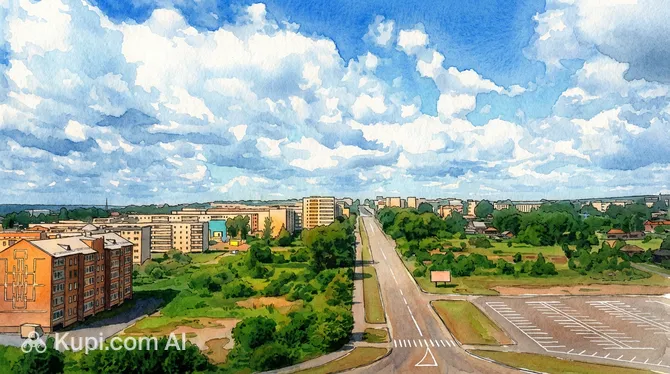
Serov is a significant industrial and cultural center located in the north of the Sverdlovsk region. This city is often called the "Gateway to the Northern Urals," as it serves as the starting point for many routes deep into the taiga. A trip here allows you to experience the authentic, rugged, yet beautiful nature for which vast Russia is famous. With a population of about 97,000, the city has a unique character, combining the rhythm of a major industrial hub with the cozy feel of the provinces.

Serov. Illustration.
Source: Kupi.com AI

The city's past is inextricably linked with the exploration of natural resources and the development of metallurgy. The rich history of Serov began at the end of the 19th century with the founding of a settlement near a steel rail plant, which originally bore the beautiful name Nadezhdinsk. Today, the city's architectural style harmoniously blends historical buildings of that era with modern structures, creating a unique atmosphere for leisurely walks.

Tourists should pay attention to the Transfiguration Cathedral — a majestic structure that has become the spiritual symbol of the city. Also of interest are the local history museum and the A.P. Chekhov Drama Theater, which is famous for its productions far beyond the region's borders. Come to Serov to feel the true Ural character and enjoy the views of the northern taiga.

Weather Overview

The climate in this Ural city is characteristic of northern latitudes: a moderately continental atmosphere prevails here with long winters and short but pleasant summers. When planning a trip, keep in mind that weather conditions can be changeable, especially during the transition seasons.

The winter months here are harsh and long. In January, the thermometer averages around -15.2°C, and at night it can drop to -18°C or lower. This time of year is suitable for those who aren't afraid of the cold, though snowfall in winter is minimal. Spring arrives gradually: negative temperatures persist in March, and reliable warmth only sets in by May, when the air warms up to an average of +10°C.

Summer is the most comfortable time for a visit. July is considered the warmest month with an average temperature of +18.6°C and maximums around +23-24°C. However, tourists shouldn't forget their umbrellas: the summer period accounts for the highest number of rainy days (up to 14 days in June). Expect a moderately warm summer with periodic rain and cold, fairly dry winters. If you are interested in a detailed weather in Serov for specific travel dates, we recommend checking the current forecast.

Autumn arrives swiftly. By September, the average temperature drops to +9.8°C, and in October, it cools down to +2.8°C. By November, the city is once again immersed in a winter atmosphere with average readings around -6°C.

Average monthly temperature

Average monthly precipitation

Interesting Facts

In addition to its main attractions, Serov holds many fascinating secrets and historical details that reveal the city from an unexpected angle.

  • A woman's name for a factory city. For a long time, the city bore the beautiful name Nadezhdinsk. It was named after Nadezhda Polovtsova, the owner of the Bogoslovsky Mining District. This is a unique case where a major industrial center, for which Russia is famous, was named after a woman rather than a political figure or a saint.

  • A steel path across the continent. The local metallurgical plant played a key role in the creation of the Trans-Siberian Railway. It was here that rails for the "Great Siberian Way" were produced in large quantities. There is a high probability that when traveling by train on older sections of the country's railways, you are passing over metal tempered in this very city.

  • In memory of a pilot. The city received its modern name in 1939 in honor of the famous pilot Anatoly Serov. This name was not chosen by chance: in his youth, the future aviation hero lived here and worked at the local metallurgical plant. It was in the workshops of this Ural enterprise that the character of the famous ace was forged before he went on to conquer the skies.

  • Gothic tower. One of the city's landmarks is an old water tower built at the beginning of the 20th century. This red-brick structure is designed in a Neo-Gothic style, which is rare for industrial cities. The tower has survived to this day and serves as an excellent backdrop for atmospheric photos.

How to Get There

Serov is an important transport hub for the Northern Urals, and you can reach it in various ways, although there are no direct flights to the city itself. To plan your trip as efficiently as possible, we recommend exploring all the ways to get to the city. Below, we look in detail at the main arrival options via the nearest transport hubs.

Serov does not have its own passenger airport. The nearest available option is Sovetsky Airport (OVS), located in the town of Sovetsky. It is worth noting that it is located at a significant distance — approximately 252 km from Serov. The journey from there by taxi or intercity bus will take a considerable amount of time: the estimated travel time is about 6 hours and 40 minutes. This is a regional airport with low passenger traffic, so a route through it may only be relevant for specific destinations.

For clarity, here is a summary of the main airports:

AirportPassenger trafficDistance
Sovetsky Airport48 000252 km

A much more convenient and popular way to get to the city is by rail. The main advantage is that Serov station is located directly within the city limits, just 1.7 km from the center. This is a major transport hub with high passenger traffic, receiving trains from many regions of the country. From the station, any point in the city can be quickly reached by taxi or public transport.

There are also other stations in the region, such as Verkhoturye in the town of the same name, located 81.4 km from Serov. A car journey from this station to the destination takes about 2 hours and 20 minutes. However, given the direct rail connection to Serov itself, using neighboring stations usually only makes sense as part of a tourist route through the Urals.

Below is information about railway stations in the vicinity:

StationPassenger trafficDistance
Serov Railway Station400 0002 km
Krasnoturinskaya Station50 00031 km
Karpinsk Railway Station37 km
Lobva Station25 00049 km
Lyalya Station50 00062 km
Boksity Station30 00066 km

Main Attractions

The city's cultural map can be a pleasant discovery for travelers. Despite its status as a major industrial center, it has preserved corners of history and spirituality, and its theatrical life is vibrant. Exploring the sights will allow you to see the city from a new, more soulful perspective.

One of the main points of attraction is the Serov A.P. Chekhov Drama Theater. Located in a beautiful historical building, it is rightfully considered the pride of the local residents. The troupe, whom locals warmly call the "Chekhovites," is known for strong productions well beyond the region. Guests should check the schedule: an evening performance is a perfect way to end a busy day.

The architectural landmark of the center is the Transfiguration Cathedral. This majestic white-stone church with golden domes creates a solemn atmosphere on the square of the same name. The area around the cathedral is well-maintained with benches and a fountain, making it a popular spot for strolls. People come here to enjoy the silence and take panoramic photos against the backdrop of one of the city's most beautiful buildings.

To dive deeper into the region's past, visit the Serov Historical Museum. Its exhibitions tell the fascinating story of the factory-city's formation, which was originally named Nadezhdinsk. Here, you can learn about the development of metallurgy, which tempered the Ural character, and examine unique household items from the 19th and 20th centuries. The museum houses rare archival documents and mineral collections that reveal the history of the Northern Urals' development.

Local Cuisine

Serov's gastronomic culture is a reflection of the rugged yet generous Ural region. The local cuisine is famous for being hearty and simple, as food here must not only please the taste buds but also provide warmth during cold winter days. The diet is based on "forest gifts": mushrooms, northern berries, game, and river fish, which local chefs masterfully turn into true culinary masterpieces.

The main dish that every guest of the Urals must try is pelmeni. In Serov, they are prepared with special care, often mixing several types of meat for the filling — beef, pork, and sometimes game. Equally popular are vareniki (dumplings) with potatoes, mushrooms, or cottage cheese. Pastry lovers should try shangi — open-faced round pastries with mashed potatoes or a cottage cheese topping, served hot straight from the oven.

Dishes made from northern fish and game hold a special place on the menu. In some of the city's establishments, you can find venison delicacies or try the famous northern fish — muksun or omul. A legendary, though rare, product is the Sosva herring — a unique fish found in the Sosva River. If you manage to find it on a menu or in local shops, be sure to try it: it is famous for its delicate spicy flavor.

For dessert, locals prefer pastries with forest berries. A hallmark of the region is the bird cherry cake or pies filled with lingonberries and cranberries. The characteristic tart taste of ground bird cherry gives the dough a dark color and an almond-like aroma, creating a unique combination when paired with sour cream frosting.

For drinks, opt for natural mors (fruit drinks) made from cranberries, sea buckthorn, or lingonberries — they are excellent for quenching thirst and boosting immunity. Herbal tea is also popular, especially with the addition of Ivan-chai (willowherb), which is gathered in the surrounding forests. In cold weather, such a hot drink with a spoonful of local honey is the perfect way to finish a meal.

Serov's dining scene is diverse: you can find everything from casual canteens with home-cooked food to modern cafes. For a quick snack, locals often choose the numerous pancake houses and pizzerias, but if you want to feel the city's atmosphere, look for places with a traditional Ural menu that honors old recipes.

Travel Tips

Welcome to Serov! To ensure your journey to the "Gateway to the Northern Urals" is as comfortable as possible and free of surprises, we have prepared a list of important recommendations. These practical tips will help you plan your trip wisely, pack your bags, and easily navigate this industrial city.

  1. Clothing and Seasonality. The climate here is harsh, so preparing your wardrobe is critical. In winter, thermal underwear, a windproof down jacket, a hat, and warm shoes with thick soles are essential — temperatures can drop to -30°C. In summer, the weather is changeable: it can be hot during the day but cool in the evening, so bring a windbreaker. Important: if you plan an outdoor trip in summer, be sure to pack powerful repellents — the taiga has many midges and mosquitoes.

  2. Transport. Serov has no metro or trams. The main public transport consists of buses and minibuses that run between the center, the station, and remote settlements. For greater comfort, we recommend using popular taxi apps (such as Yandex Go) — cars arrive quickly, and prices are significantly lower than in metropolises.

  3. Finances. The official currency is the Russian ruble. Supermarkets, hotels, and large cafes accept bank cards (MIR system) without issues. However, for paying for minibus rides, making purchases in small kiosks, or at the market, you will definitely need cash. ATMs of major banks are easy to find in the city center and shopping malls.

  4. Health and Safety. Serov is a peaceful city, but basic precautions should be followed: avoid walking alone in unlit outskirts after dark. There are plenty of pharmacies in the city, but few are open 24/7, so it's better to pack a personal first-aid kit in advance. During the spring-summer period (May-July), ticks are active in the surrounding forests and parks — be sure to use protective sprays and inspect your clothes after walks.

  5. Communication. The primary language is Russian; English is rarely spoken by locals. Mobile internet (4G) works stably within the city limits but may disappear in the forested outskirts. We recommend downloading offline maps (such as 2GIS or Yandex Maps) in advance to easily navigate house numbers and transport routes without network access.

  6. Local Etiquette. People from the Urals may seem reserved, but they are helpful and straightforward. It is customary to say hello when entering small shops or addressing passersby. In public transport, there is an unwritten but strict rule: always give up your seat to the elderly, pregnant women, and passengers with children.

  7. What to Avoid. We strongly recommend not drinking raw tap water — due to the region's industrial nature, it may not be of sufficient quality for an unaccustomed body; it's better to buy bottled water. Also, avoid trying to photograph factory entrances and guarded industrial facilities up close — this may lead to questioning by security services.

  8. Additional Tip. If you find yourself in the city in winter, be prepared for very short daylight hours in the north. Plan your architectural sightseeing and walks for the first half of the day (from 10:00 AM to 3:00 PM), leaving the evening for a visit to the theater or cozy cafes serving local cuisine.

Serov is a city with a strong character and northern hospitality that reveals itself to those who come prepared. By following these simple tips, you can avoid daily inconveniences and fully focus on exploring the history and nature of this interesting region.

Entertainment & Nightlife

Nightlife and entertainment in Serov have a distinct provincial character. You won't find noisy districts with endless neon signs or massive European-style nightclubs here. Evening leisure in the city primarily consists of cozy gatherings in restaurants that transform into dance floors on weekends, as well as cultural activities at the cinema or theater. Life here winds down fairly early, so when planning your evening, keep in mind that most establishments close by midnight or 2:00 AM, even on weekends.

The central part of the city remains the main hub for locals and tourists in the evening. Most activity is concentrated along Lenin Street and the adjacent blocks. The atmosphere in venues is casual and almost homey; there is no strict dress code, though a smart casual look is appropriate everywhere. The crowd in bars and restaurants is diverse but generally friendly — in a small city, many people know each other.

If you're looking for a place where you can not only have dinner but also dance, consider the Nadezhdinsky Restaurant. This classic establishment at the hotel of the same name is one of the oldest and most reputable in the city. In the evenings, especially on Fridays and Saturdays, live music is played, and the atmosphere becomes more festive. It is an excellent option for those who value comfort, familiar cuisine, and the opportunity to spend an evening in a relaxed setting.

For movie lovers and those seeking a more youthful vibe, the Rodina Leisure Center is the primary meeting spot. It is more than just a cinema; it's a true cultural hub located in a beautiful historical building. Here, you can watch the latest global and domestic releases in modern theaters. The plaza in front of Rodina often becomes a spot for evening strolls for young people, especially during the warmer months.

Practical tips for night owls:

  • Transport: Public transport stops running quite early. If you stay out late, the only reliable way to get to your hotel is by taxi. We recommend using popular apps (like Yandex Go) — it's safe, and you'll see a fixed price for the trip immediately.
  • Safety: The city center (Lenin and Lev Tolstoy streets) is well-lit and safe for walks until late evening. However, tourists are advised not to venture alone into remote industrial areas or the Sortirovka settlement at night.
  • Prices: The average bill in Serov's evening venues will pleasantly surprise guests from larger cities. Dinner with drinks will cost significantly less than in Yekaterinburg or Moscow.

Speaking of daytime entertainment, one cannot forget the opportunities for active recreation that Russia, and particularly the Urals, offers in abundance. In winter, ski bases and ice rinks are popular, while in summer, strolls through city squares are a favorite. If you prefer a cultural program, besides the Drama Theater, you can visit bowling centers or small coffee shops in the center, where it's pleasant to wait out the Ural weather with a cup of hot tea.

Parks & Museums

As an important industrial hub, Serov offers tourists more than just an immersion into industrial history; it also provides opportunities for peaceful recreation in nature and cultural enrichment. City spaces are organized so that residents and guests can take a break from the factory rhythm, while museum halls preserve unique evidence of the Northern Urals' development.

The main spot for walks in the center is the area around the Palace of Culture of Metallurgists. This is more than just a square; it's a complete architectural and park ensemble where shaded alleys lead to a majestic building in the Stalinist Empire style. In summer, fountains operate here, providing a pleasant coolness, and in winter, the square transforms into a center for holiday festivities with an ice town. For those who prefer being near the water, a trip to the Kiselevskoye Reservoir is a great option. This picturesque body of water, surrounded by forest, serves as the main recreational zone for picnics and fishing, allowing you to temporarily forget the city bustle.

To dive into the cultural code of the region, visit the Serov Historical Museum, one of the oldest institutions of its kind in the Northern Urals. Tourists will find it interesting for its rich collections detailing the transformation of the Nadezhdinsk settlement into a modern city. Special attention should be paid to the nature department with dioramas of local fauna and its own planetarium, which hosts educational programs about the starry sky. Art lovers should stop by the city Exhibition Hall, where gallery openings of Ural artists and themed exhibitions of decorative and applied arts are regularly held.

Among the architectural landmarks, besides the famous water tower, the railway station building itself is of interest — a monument of its era that greets guests with its austere and monumental appearance. While walking through the historical center, note the preserved mid-20th-century buildings on Lev Tolstoy Street, which convey the atmosphere of a Soviet industrial city.

For those seeking unusual angles and the best views, we recommend visiting the area near the Krutoy Log ski base. Even in the warmer months, the climb up this hill is worth it: it offers a breathtaking panorama of the city, factory chimneys, and the endless taiga for which Russia is so famous. It is the perfect point to appreciate the scale of the Ural expanses and take atmospheric photos at sunset.

Getting Around

The public transport system in Serov is simple and concise, typical for cities of this size. You won't find a metro, trams, or trolleybuses here. The primary and only type of municipal transport consists of buses and minibuses (marshrutkas). The route network is quite extensive: it covers central streets as well as remote residential areas, settlements (such as Sortirovka or GRES), and the territory near the metallurgical plant.

The bus fleet consists of small and medium-capacity vehicles (the familiar PAZ buses) and micro-buses. Large low-floor buses are less common. Transport runs according to established schedules, though intervals can vary: in the center, you don't have to wait long, about 5–10 minutes, but routes to the outskirts may run every 20–30 minutes.

The payment system here is conservative. The fare is fixed and very affordable compared to big cities. Payment is made directly to the driver or the conductor (if present) upon boarding. An important tip for tourists: always have cash on hand, preferably in small bills and coins. While contactless payment terminals are gradually appearing, they are not installed in all vehicles, and the technology can sometimes malfunction.

The public transport schedule has its own peculiarities. Service starts early, around 6:00 AM, to take workers to their shifts. However, activity drops sharply in the evening. After 8:00–9:00 PM, the number of trips decreases, and after 10:00 PM, it's practically impossible to catch a bus. There are no special tourist passes or transport cards in the city; payment is made for each individual trip.

The most popular and convenient alternative to buses is the taxi. Both large federal aggregators (such as Yandex Go) and local dispatch services reachable by phone operate in the city. Taxi prices are low, and the car usually arrives within a few minutes. This is the best option for evening travel, trips with luggage, or if you need to get to the railway station.

Car-sharing and city bike rental systems are currently not developed in Serov. During the summer, bicycles can be rented at private rental points or sports bases for leisure rides, but they are rarely used as a full-fledged form of transport for moving around the city. Given the compactness of the historical center, many attractions are easily explored on foot, allowing you to enjoy the city's atmosphere.

Accommodation

Serov's hotel infrastructure is primarily oriented toward business travelers and guests visiting for work, so a functional approach to accommodation prevails here. Tourists should not expect five-star luxury resorts or international hotel chains. The main selection consists of solid mid-range hotels, often located in renovated historical buildings, small cozy mini-hotels, and budget hostels. The short-term apartment rental sector is also well-developed in the city, which can be an excellent alternative for families or large groups.

When choosing a location, we recommend focusing on the central district (the area bounded by Lenin, Lev Tolstoy, and Zaslavskogo streets). This is the most convenient part of the city, where the main attractions, the Drama Theater, and most cafes are within walking distance. Staying here will allow you to enjoy evening walks without needing to spend time on transport. Another popular option is the railway station area: it suits transit tourists who need proximity to trains for further travel across the Northern Urals.

We suggest looking at classic hotels in the center, which offer a consistent level of service, breakfasts, and 24-hour reception desks. Many of them have retained an atmosphere of Soviet monumentalism but have updated their rooms to modern comfort standards. If you prefer a more homey setting, consider private guest houses on quiet streets, where hosts are often happy to suggest interesting routes in the surrounding area.

The price range in Serov can be described as moderate and affordable. The cost of a standard room here is significantly lower than in large regional centers. Budget options and hostels are available at very attractive prices, while "deluxe" rooms in the city's best hotels correspond to the average bill of an ordinary hotel in a major metropolis. For booking, it's best to use popular Russian online platforms or contact the hotels directly by phone — the staff here are helpful and resolve check-in issues quickly.

When planning your trip, consider the factor of seasonality and business activity. While there are usually no problems finding a room on ordinary days, the situation can change during major sports competitions or factory conferences. Therefore, it is most reliable to book accommodation 1–2 weeks before your intended arrival date, especially if you have your heart set on a specific hotel in the center.

Nearby Cities

For those who want to explore the surrounding area, Serov serves as an excellent starting point for day trips to several interesting nearby locations. The Northern Urals region is rich in industrial monuments and natural beauty, all easily accessible by car or bus.

One of the most attractive destinations is Krasnoturyinsk, located just 28 km away. This city is often called "Little Leningrad" due to its unique architectural layout and the Stalinist Empire style in its center. Here, you can stroll through cozy streets, visit the Fyodorov Geological Museum, or the memorial house-museum of radio inventor A.S. Popov. Its proximity to Serov makes it an ideal option even for a half-day trip.

For lovers of grand history and industrial tourism, a trip to Nizhny Tagil is worth considering. Although the journey takes longer, this city is a true treasure trove of Ural culture. It is home to the famous open-air museum-factory, Lisya (Fox) Hill with its watchtower, and museums dedicated to the famous Tagil tray painting craft. This destination is suitable for those willing to dedicate a full day to immersing themselves in the history of the mining and factory civilization.

Nature lovers and those seeking mountain landscapes might be interested in Kachkanar. The town is situated at the foot of the mountain of the same name, one of the highest in the Middle Urals. Climbing to the summit allows you to see bizarre rock formations, including the famous Camel Rock, and enjoy panoramic views of the taiga. This place attracts photographers and tourists seeking communion with the rugged nature of the Urals.

CityPopulationDistance
Krasnoturinsk57 51428 km
Karpinsk26 95739 km
Volchansk8 72246 km
Novaya Lyalya11 87963 km
Severouralsk26 54371 km

These nearby destinations provide a glimpse into the diverse culture and landscapes of the region, complementing the experience of visiting the Northern Urals.

Shopping & Souvenirs

General Overview

Shopping in Serov is more practical than recreational. You won't find high-fashion boutiques or massive outlets typical of metropolises here. However, the city offers everything necessary for a comfortable life and travel: from high-quality food products to clothing and electronics. Of particular interest to tourists are the shops selling local products, where you can purchase items reflecting the flavor of the Northern Urals.

Main Shopping Districts and Streets

The main commercial artery of the city is traditionally Lenin Street. Walking along it, you can find many small shops, pharmacies, mobile phone stores, and bookstores. This is the center of street retail, where chain stores sit alongside private shops selling clothes, shoes, and household goods. In the warmer months, a walk here combines business with pleasure: you can leisurely browse the shop windows and get acquainted with the architecture of the city center.

Shopping Centers

Modern shopping in the city is concentrated in several large complexes. The most popular destination is the Nebo (Sky) Shopping Center. This is a modern mall where stores of famous Russian clothing, perfume, and accessory brands are gathered under one roof. It also houses a food court and a cinema, making it a great place for family leisure. Also noteworthy is the Tayga shopping center, which offers a wide range of everyday goods.

Markets

To get a real taste of local life, it's worth visiting the city markets. Here you can buy the freshest products from local farmers: meat, homemade cottage cheese, honey, and pickles. In season (late summer to early autumn), the stalls overflow with "forest gifts": buckets of lingonberries, cranberries, blueberries, and pine nuts gathered in the surrounding taiga. This is the best place to find organic Ural delicacies.

Souvenirs

From a trip to Serov, it's worth bringing back souvenirs that remind you of the Urals' riches. First and foremost, look for items made from ornamental stones: boxes, jewelry, or figurines made of serpentine, jasper, and malachite. Gastronomic souvenirs include pine nuts (both shelled and in cones), jam made from pine cones or northern berries, and herbal tea blends with Ivan-chai. Smoked or dried river fish also makes a good gift if you have a short journey home.

Opening Hours and Payment

Large shopping centers and supermarkets usually operate daily from 10:00 AM to 10:00 PM without breaks. Small private shops and street stalls close earlier, typically at 7:00 PM or 8:00 PM. In most permanent shops and cafes, bank cards from major payment systems (primarily MIR) are accepted without issues. However, for purchases at the market, in kiosks, or for small services, it is recommended to have cash on hand.

Tax Free

The tax refund system (Tax Free) is not widely available in Serov. Most local shops are not connected to this international program, so tourists should not count on receiving VAT refund forms. Shopping here is oriented toward the domestic market and offers affordable prices without additional tax deductions.
Reached the end of the page?

That means the route is fully explored