Support

Lysva

About

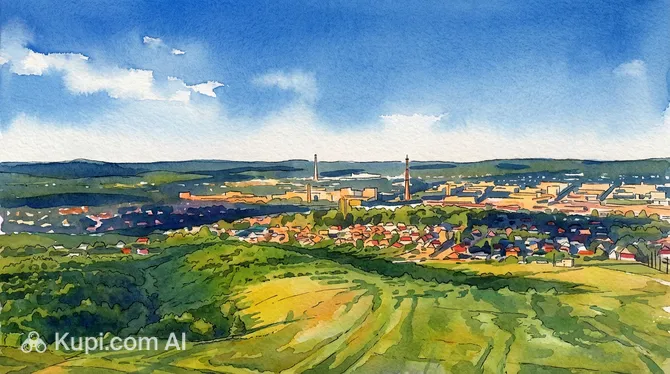
Lysva is a colorful city in the Perm Krai that surprisingly combines industrial heritage with the cozy atmosphere of a Ural provincial town. Located on the banks of the river of the same name and a picturesque pond, this corner attracts travelers with its authenticity. For those exploring a multi-faceted country like Russia, Lysva will be an interesting discovery on the map of the Urals.

Lysva. Illustration.
Source: Kupi.com AI

With a population of about 60,000 people, the city maintains a measured pace of life, allowing visitors to take a break from the hustle and bustle of megacities. The climate here is typical for the Cis-Urals: snowy winters create excellent conditions for skiing, while summer is perfect for walks by the water. The deep and eventful history of Lysva is inextricably linked with the development of metallurgy and the dynasty of the Counts Shuvalov, whose legacy still shapes the architectural appearance of the central streets.

Among the main attractions, the Lysva Drama Theater named after A.A. Savin stands out, famous for its productions far beyond the region. No less interesting is the city museum, located in the historical building of the factory office, where you can get acquainted with unique collections, including the famous Lysva enamel. Come to Lysva to soak up the spirit of the mining and factory civilization and enjoy the beauty of Ural nature.

Weather Overview

The city's climate is characterized as temperate continental, with pronounced seasonality: there are long snowy winters and fairly warm but not hot summers. The coldest month is traditionally January, when the average air temperature is -12.9°C, and at night it can drop to -15.4°C.

The summer season brings pleasant coolness and comfortable conditions for tourism. In July, the peak of heat, average indicators stay at +18.1°C, reaching maximum values around +22.9°C. Travelers should be prepared for variable clouds: precipitation falls regularly, and the number of wet days ranges from 12 to 16 per month throughout the year.

The off-season here arrives smoothly: in May, the air warms up to +10°C, and in October it cools down to +3°C. To make your trip as comfortable as possible, be sure to check what weather in Lysva is forecasted for the upcoming dates before packing.

Average monthly temperature

Average monthly precipitation

Interesting Facts

In addition to well-known sights, Lysva keeps many fascinating secrets that are revealed only to the most curious travelers. This Ural city is capable of surprising you with its legends and unique historical records.

  • Mythical Patron. A unicorn unexpectedly adorns the coat of arms of this rugged industrial city. Lysva inherited this symbol from the noble Shuvalov family, who owned the local factory. In the 19th century, the image of the unicorn served as a mark of quality: this brand name was used to stamp Lysva sheet iron, which was highly valued in world markets, including Paris and London.

  • Soldier's Shield. During World War II, the Lysva Metallurgical Plant became the main, and at one point the only, enterprise producing SSH-40 steel helmets. More than 10 million helmets were produced here. Today, this labor feat is dedicated to a unique, the only one in Russia, Helmet Museum, where you can learn everything about the evolution of protective equipment.

  • Enamel Detective. The famous Lysva enamelware, which became a brand of the USSR era, could have disappeared forever. During the Civil War, foreign specialists left the factory, destroying the coating recipe. The secret had to be restored from scratch: this was done by the talented chemist Evgeny Kuklin, a student of Dmitry Mendeleev, literally bit by bit analyzing the remains of the solidified enamel.

  • "Coniferous Water." The city's name has a poetic translation from the Komi-Permyak language: "lys" means "needles" or "conifer," and "va" means "water." This name accurately describes the Lysva River, which has been carrying its waters through the dense taiga forests of the Urals for centuries, filled with the aroma of spruce and fir.

How to Get There

When planning a trip to this Ural city, it is worth thinking about logistics in advance, as there is no direct air connection. You can find more about how to get to Lysva by studying various routes, but for tourists from remote regions, the main way remains flying to one of the large regional centers followed by a transfer to ground transport.

The closest international airport to the city is Bolshoye Savino (PEE), located in the city of Perm. It is about 107 km from Lysva. This is the most convenient option: the journey by taxi or intercity bus from here will take about 2–2.5 hours. The airport receives flights from many major cities in Russia and has a developed infrastructure.

An alternative option could be arriving at Koltsovo (SVX) airport in Yekaterinburg. This is a large international hub with significantly more flights. However, it is located further away—at a distance of about 236 km from Lysva. The journey by car or bus from Yekaterinburg will take about 4–5 hours, which should be considered when planning your arrival time.

For clarity, here is summary information on the main airports:

AirportPassenger trafficDistance
Bolshoye Savino2.0 mln107 km
Koltsovo8.0 mln236 km
Izhevsk Airport900 000296 km

Railway communication is also a popular way to reach the region. The most significant junction station nearby is Perm-2, located in the regional capital (about 96 km from Lysva). Trains arrive here along the Trans-Siberian Railway from Moscow, Vladivostok, and other parts of the country. Buses and suburban trains regularly run from the Perm station towards Lysva.

If you are looking for an option with the closest possible drop-off to your final destination, pay attention to the Chusovskaya station in the city of Chusovoy. It is located just 20.6 km from Lysva. This is a large railway junction through which many long-distance trains pass. You can get from Chusovskaya station to the center of Lysva by taxi or suburban bus in just 30–40 minutes.

Below is information about the nearest railway stations:

StationPassenger trafficDistance
Chusovskaya Station400 00021 km
Pashiya Station44 km
Baskaya Station52 km
Gubakha-Passazhirskaya Station82 km
Teplaya Gora Station88 km

Main Attractions

Lysva is a city with a rich historical background, so getting to know it is best started by immersing yourself in local culture and architecture. Merchant mansions and industrial monuments have been preserved here, harmoniously neighboring the natural beauty of the Urals. Here is a list of places that should definitely be included in your walking route.

The undisputed center of cultural life is the Lysva Museum. It is not just a local history exhibition, but an entire complex located in the historical building of the former office of Count Shuvalov's factory. The unique "Helmet Museum"—the only project of its kind in Russia—attracts special attention from tourists. The exposition is dedicated to the labor feat of the factory workers during World War II and tells the story of the creation of the legendary steel helmet. Here you can see rare documents, tools, and the helmets themselves that saved millions of lives.

Another pride of the city is the Lysva Drama Theater named after A.A. Savin. It occupies a majestic building of the former People's House, built at the beginning of the 20th century. The theater is known far beyond the Perm Krai thanks to the high level of its productions and the professionalism of the troupe. This is one of the few places in small towns across the country where stage art is maintained at such a high level, so attending a performance will be a great end to the evening.

Lovers of ancient architecture should see the Church of John the Theologian. The church, located in the historical center, was founded in the middle of the 19th century and is the oldest stone building in the city. Built in the Classicist style, it survived difficult times during the Soviet period but was returned to believers and restored. Today, its strict forms and light walls serve as an ornament to the city skyline.

The heart of the city and a favorite vacation spot for residents is the Lysva Pond. This artificial reservoir was created more than two hundred years ago for the needs of the metallurgical plant and is one of the largest in the region. A walk along the shore allows you to enjoy picturesque views of the water surface and city blocks, and in summer it is pleasant to take a break from the hustle and bustle while watching the sunset.

Also worth noting is Pushkin Park. This is a green oasis where you can take a leisurely stroll along the alleys among centuries-old trees. The atmosphere of the Soviet period has been preserved in the park, giving it a special nostalgic charm. City festivals and events are often held here, and there are amusement rides for children.

Local Cuisine

The gastronomic map of Lysva reflects the rugged but hospitable character of the Urals. Local cuisine is, first of all, hearty, warming dishes prepared from local products. People here don't chase high fashion, preferring time-tested recipes that are ideal for the climate of the Perm Krai. Travelers should expect simple but home-style delicious food.

The main culinary symbol of the region, which you must try in Lysva, is posikunchiki. These are small fried pies, similar in size to dumplings, but with a meat filling. Their main feature is juiciness: when bitten into, hot broth squirts out of them, so you need to eat them carefully. Locals often serve them with a vinegar-based sauce with mustard and black pepper, which perfectly highlights the taste of the meat.

Traditional Ural pelmeni are no less popular. In Lysva, they are prepared with respect for tradition, often mixing several types of meat for the filling—beef, pork, and sometimes lamb or game. Also worth noting are shangi—round open pastries made of yeast dough, which are usually topped with mashed potatoes, cottage cheese, or sour cream. This dish often replaces bread at lunch or is served with tea.

As for drinks, the gifts of the taiga reign here. In the city's establishments, you will be offered aromatic mors (berry drinks) made from cranberries, lingonberries, or sea buckthorn collected in the surrounding forests. Lovers of hot drinks should order tea with the addition of oregano, St. John's wort, or mint—such herbal blends are very popular here and are considered healing. Among alcoholic beverages, tourists are often interested in products from local breweries or tinctures made with pine nuts and berries.

The food culture in the city is quite democratic. Many cozy canteens have been preserved in Lysva, where you can have a delicious and budget-friendly lunch, feeling the nostalgic atmosphere of the Soviet past. Also, modern cafes and small restaurants operate in the city center, offering both European menus and Ural classics. Street food is mainly represented by pastries, which are convenient to take with you for a walk to the pond.

Travel Tips

A trip to Lysva is an immersion into the atmosphere of the real industrial Urals, where rugged nature neighbors a rich history. To make your trip to this corner of the Perm Krai as comfortable as possible and without unpleasant surprises, we have prepared a list of useful recommendations based on the characteristics of local life.

  1. Clothing and Seasonality. The weather in the Urals is changeable, so the main principle in clothing is layering. In winter, thermal underwear, a windproof down jacket, and shoes with non-slip soles (sidewalks can be icy) are mandatory. In summer, if you plan walks to the pond or into the forest, bring a windbreaker and closed shoes. Important: during the warm season, mosquitoes and ticks are active in the region, so having repellents is not just a tip, but a necessity.
  2. Transport Accessibility. Lysva is a compact city, and the historical center is easy to get around on foot. The public transport system is represented by buses that run regularly but finish work quite early in the evening. For comfortable movement, we recommend installing the "Yandex Go" app or writing down the numbers of local taxi services—trips around the city are inexpensive and save a lot of time.
  3. Finance and Cash. The currency is the Russian ruble. Although bank cards (of the "Mir" payment system) are accepted in supermarkets and most cafes, you will need cash in small kiosks, souvenir shops, or on buses. ATMs of major banks (Sberbank, VTB) are located in the city center and shopping centers, but it's better to have a supply of small bills for daily expenses.
  4. Communication and Navigation. Mobile communication and 4G work stably for all major operators. However, for orientation on the ground, we strongly recommend downloading offline maps, for example, 2GIS or Yandex.Maps. They show not only streets but also entrances to organizations, bus routes, and current opening hours, which is very convenient in a small city.
  5. Health and Pharmacies. Pharmacy points are common in Lysva; they are easily recognizable by the green cross. However, there are few 24-hour pharmacies, so it's better to take a basic set of medicines (painkillers, remedies for stomach upset, plasters) with you. It is not recommended to drink tap water—buy bottled water in stores.
  6. Local Etiquette. Residents of the Urals may seem reserved, but in fact, they are very helpful. It is customary to say hello when entering small shops or addressing passers-by. Factory traditions are strong in the city, so simplicity and respectful attitude are valued here. The dress code in the city is free, but when visiting the Church of John the Theologian, women should cover their heads, and men should remove their headgear.
  7. What to Avoid. You should not speak dismissively about the factory or the city's industrial past in conversations with locals—for many residents of Lysva, this is a matter of pride and family history. Also, avoid drinking alcoholic beverages on the pond embankment or in parks—these are public places where the police monitor order, and you risk getting a fine.
  8. Cultural Lifehack. If you want to visit the famous Lysva Drama Theater, you should take care of tickets in advance. The productions are extremely popular, and it can be difficult to buy a ticket on the same day. And as the most practical souvenir, look not for magnets, but for that very Lysva enamelware or socks from the local hosiery factory—they are high quality and authentic.

Lysva is a city that opens up to those who are ready to slow down and look around carefully. By following these simple tips, you can feel at home here and focus on the main thing—the impressions of Ural hospitality and unique attractions.

Entertainment & Nightlife

Lysva is a city with a measured pace of life, so do not expect noisy parties on a metropolitan scale here. The nightlife here is rather intimate and cozy, concentrated in a few popular establishments in the city center. For tourists, this is an excellent opportunity to relax in a calm atmosphere, chat with locals, and see how Ural youth enjoy themselves.

The main format for evening leisure in Lysva is cafes and bars, which can transform into venues with music and dancing closer to the night. It is customary here to come in groups to have dinner and socialize. The dress code in most places is casual but neat. Face control is rare, but on holidays it is better to arrive at popular places in advance or book a table.

Among the specific establishments where you can spend a pleasant time after sunset, it is worth highlighting:

  • Cafe-club "Istoriya" — one of the most famous places in the city for night leisure (located on Smyshlyaeva Street). The establishment combines several formats: there are zones for a quiet dinner, a hookah lounge, and a dance floor that comes alive on weekends. The musical repertoire consists of popular hits, and the audience is very diverse.

  • Gastrobar — a modern establishment at 20 Pobedy Avenue, which has become a point of attraction for lovers of good food and drinks. A stylish and calm atmosphere reigns here, conducive to long conversations. The menu offers interesting gastronomic combinations, and the bar list will please you with a choice of cocktails. This is a great alternative to noisy clubs for those looking for comfort.

  • Black Hookah & Kitchen — an establishment on Repina Street that will suit lovers of a more relaxed, "lounge" style vacation. Here you can order a hookah, have a snack, and spend time in soft chairs to background music. A great option for a smooth end to an intense sightseeing day.

If you prefer cultural leisure, the evening should start with a visit to the Lysva Drama Theater. Performances here end around 21:00–22:00, after which you can walk through the evening center. There is also a cinema in the city (in the Cultural and Business Center), where modern premieres are shown.

Practical tips and safety:

The center of Lysva is quite safe and well-lit in the evening, especially Mira Street and Pobedy Avenue. However, it is strongly recommended to use a taxi to return to the hotel at night. Aggregator apps (e.g., Yandex Go) work here, but waiting for a car may take a little longer than in a megacity. The average fare for a trip around the city is very affordable. Most establishments accept cards, but having a little cash with you for tips or the cloakroom won't hurt.

During the day, the city's entertainment program is more traditional. In addition to the already mentioned museum and theater, you can look into the city's Pushkin Park. This is a pleasant place for leisurely walks, where amusement rides operate in summer, and an ice rink is set up in winter, creating a fairy-tale atmosphere for family vacations.

Parks & Museums

Lysva offers tourists a harmonious combination of industrial history and natural beauty. The city, which grew around a factory, has managed to preserve cozy green zones perfect for leisurely walks, and its museum collections are rightfully considered some of the most original in the region. Here, culture is closely intertwined with the destinies of people, creating a unique atmosphere of the Ural hinterland.

The main green oasis of the city is Pushkin Park of Culture and Leisure. This is a place with more than a century of history, where centuries-old pines neighbor well-groomed alleys. The park has preserved the charm of the Soviet era but also offers modern relaxation areas. It is pleasant to walk here at any time of year: amusement rides and summer cafes operate in summer, and in winter the park turns into a snowy fairy tale, ideal for skiing. A special atmosphere is created by the clean coniferous air, which locals call healing.

Another important natural dominant is the Lysva Pond area. Although it is an artificial reservoir created for the needs of the factory, it is perceived as a huge picturesque lake. The walking area along the shore is a favorite place for a promenade. From here, panoramic views of the city and the water surface open up, especially impressive at sunset. This is a great place for photo shoots and quiet contemplation of Ural nature without leaving the city limits.

In cultural terms, the undisputed leader is the Lysva Museum Complex. It is located in a historical building—the former office of the factory manager—which is an architectural landmark in itself. The museum's exhibitions tell the story of the Count Shuvalov dynasty, the development of metallurgy, and the daily life of factory workers. It houses a unique collection of Lysva enamel, which made the city famous throughout the country, as well as objects of folk life that immerse you in the atmosphere of the 19th century.

The most unique site, for which many come to the city, is the Helmet Museum. It is the only museum of its kind dedicated to the history of the soldier's helmet. The exposition is interactive and emotional: it tells how during World War II, the Lysva factory became the main supplier of SSH-40 protective helmets for the front. Visitors can not only see rare samples of products and tools but also learn about the production technologies that saved millions of lives.

Among the architectural monuments, the House of Count Shuvalov and the complex of red brick factory buildings forming the historical center stand out. These buildings are excellent examples of industrial architecture from the last century. Also worth noting is the Church of John the Theologian, now restored and active, which adds spiritual depth to the cityscape.

Insider tip: If you have some free time, find the old factory dam. This monumental structure is interesting not only from an engineering point of view: the sound of falling water and the view of the old workshops create an incredibly atmospheric, almost cinematic picture that is rarely seen in ordinary guidebooks.

Getting Around

The public transport system in Lysva is simple and compact, which is typical for small Ural cities. The main and only type of mass transit here are buses and route taxis (marshrutkas). There is no metro, trams, or trolleybuses in the city. The route network covers all key areas, including the historical center, residential quarters, and industrial areas, so getting from one point to another is not difficult.

Fare payment is made directly in the vehicle. Most often, a conductor takes the money, and if there isn't one, the driver takes it upon entry or exit. The cost of the trip is very democratic. Although terminals for contactless payment with bank cards are being actively introduced in many buses in the region, tourists are strongly recommended to have cash, preferably in small bills. This is the most reliable way to pay, which will save you from possible delays if the terminal turns out to be out of order.

The transport schedule is oriented towards the rhythm of life in a factory town. The first trips go on the line early in the morning, around 06:00, to transport workers for their shifts. However, travelers should take into account an important feature: in the evening, after 20:00–21:00, the movement intervals increase significantly, and some routes stop working altogether. It is better to check the current schedule in advance or use popular navigation apps that display bus movements.

As a convenient alternative to public transport, taxis are very popular. Both well-known federal aggregators and local dispatch services operate in the city. Trips around the city are inexpensive, and a car is usually delivered within 5–10 minutes. This is the most reliable way to get to your hotel late at night or to reach remote natural locations.

There are no specialized car-sharing or automated bike-rental services in the format familiar to megacities here. However, Lysva is quite compact, and most attractions in the center are within walking distance of each other. A walk is often the most pleasant and fastest way to explore the urban environment without having to adjust to a bus schedule.

Accommodation

Lysva is a small city, so the hotel infrastructure here is compact and focused mainly on practicality. Travelers should not look for luxury five-star resorts or large chain hotels here. The basis of the offers consists of classic city hotels of the Soviet and post-Soviet type, cozy mini-hotels, and a developed sector of private apartments.

The most successful solution for a tourist would be staying in the central part of the city. The areas adjacent to Mira Street, Pobedy Avenue, and the Lysva Pond embankment are considered the most convenient. By staying here, you will be within walking distance of the Drama Theater, the museum complex, and the main walking areas, which eliminates the need to use transport frequently.

An alternative to hotels is often short-term apartment rentals. This option is especially popular among couples and small groups, as it allows for more space and the presence of your own kitchen for reasonable money. Apartments in the city center often offer modern renovations and home comfort, sometimes exceeding the quality of standard hotel rooms.

The pricing policy in the city is very democratic: budget and middle segments prevail. The cost of living here is significantly lower than in the regional capital. Popular Russian online platforms are available for booking, but in the case of small local hotels, direct booking by phone still works effectively.

Planning tip: Despite the lack of a mass tourist flow, Lysva's room stock is limited. During theater festivals, major sporting events, or city holidays, free spaces run out very quickly. Therefore, it is strongly recommended to book accommodation in advance to guarantee yourself a comfortable stay.

Nearby Cities

For those who want to explore the surroundings, Lysva serves as an excellent starting point for day trips to several interesting nearby places. The city's location allows you to reach iconic sights of the Urals in just a couple of hours, combining outdoor recreation with informative excursions.

One of the most popular destinations is the old merchant city of Kungur. It is famous throughout the country for the unique Kungur Ice Cave—one of the largest karst caves in the European part of Russia. In addition to underground beauties, the city attracts with its preserved 18th–19th-century architecture and the annual "Sky Fair" ballooning festival, when the sky is filled with dozens of hot air balloons.

If you are drawn to the rhythm of a large city and a rich cultural program, it is worth heading to the capital of the region—Perm. Here you can walk along the famous embankment of the Kama River, take a photo at the "Happiness is not far off" art object, and visit the PERMM Museum of Contemporary Art. Perm offers a huge selection of theaters, restaurants, and shopping centers, making it a great option for a change of scenery for one day.

Below is a table with information about nearby cities that may interest travelers:

CityPopulationDistance
Chusovoy43 73719 km
Gornozavodsk11 37544 km
Gremyachinsk8 73252 km
Sylva10 44862 km
Gubakha19 83183 km

These nearby destinations allow you to get an idea of the diverse culture and landscapes of the region, from the industrial power of Nizhny Tagil to the cozy historical charm of small towns.

Shopping & Souvenirs

Shopping in Lysva has a quiet, provincial character and is primarily focused on the daily needs of local residents. You won't find huge shopping and entertainment malls with luxury boutiques typical of megacities here. Instead, the city offers cozy small shops, trade houses, and markets where you can buy everything you need: from clothing and electronics to unique local products. For a tourist, this is an opportunity to buy high-quality locally produced goods at prices that are often lower than in large regional centers.

The city's commercial life is concentrated mainly in its historical and administrative center. The main commercial artery can be called Pobedy Avenue and the adjacent Mira Street. Walking here, you will encounter many clothing stores, mobile phone shops, bookstores, and pharmacies. This is a classic "street retail" format for Russian cities, where the first floors of residential buildings are occupied by businesses. It is pleasant to combine a walk through the center with looking into the windows of small shops.

Although there are no large-scale malls here, several shopping centers operate in Lysva, providing comfortable shopping under one roof. One of the most popular is the Limon TC. This is a modern building where stores of federal chains, departments with clothes, shoes, and household goods are gathered. Also worth noting are the Alisa TC and the trading rows near the central square. In these places, you can find ATMs, food courts, and children's goods.

A special color is given to the city by the Central Market. This is the place where the pulse of city life is best felt. You should go here for fresh farm products: meat, homemade cottage cheese, and honey from Ural apiaries. In season (late summer – early autumn), locals sell the gifts of the forest here: mushrooms, cranberries, lingonberries, and pine nuts. Visiting the market is not just about buying food, but a real gastronomic experience.

Speaking of souvenirs, Lysva can offer truly unique brands known throughout the country. The main "must-have" for a tourist is Lysva enamelware. Bright teapots, pots, and mugs with signature patterns will make a practical and beautiful gift. The second important brand is the products of the Lysva Hosiery and Glove Factory. Local socks and knitwear are famous for their quality and natural materials. You can purchase these goods in specialized company stores or in departments of shopping centers.

Most shops in the city operate on a standard schedule: from 10:00 to 20:00 or 21:00. Small private shops may close earlier, especially on weekends (around 18:00–19:00). It is better to visit the market in the morning, while the choice of products is maximum. As for payment, bank cards are accepted almost everywhere, including chain supermarkets and most stores in shopping centers. However, for purchases at the market, in kiosks, or souvenir shops, it is recommended to have cash with you.

The Tax Free system is generally not applicable in Lysva. This service in Russia is available primarily in large cities and specialized stores aimed at the foreign tourist flow. Therefore, you should not count on a VAT refund when making purchases here.
Reached the end of the page?

That means the route is fully explored