Support

Gubakha

About

Gubakha is a picturesque spot on the map of the Perm Krai, where rugged industrial aesthetics are surprisingly intertwined with the majesty of wild nature. Located in the foothills of the Urals, this city attracts travelers with its breathtaking landscapes and endless opportunities for outdoor activities. Russia is famous for its hidden gems, and Gubakha is one of them, offering guests an authentic Ural flavor.

Despite its compact size and population of about 20,000 people, the city has a lively and dynamic atmosphere. It is nestled on the banks of the Kosva River, surrounded by dense forests and rocky peaks. This place is ideal for those seeking solitude away from noisy metropolises but who also appreciate interesting routes and cultural events.
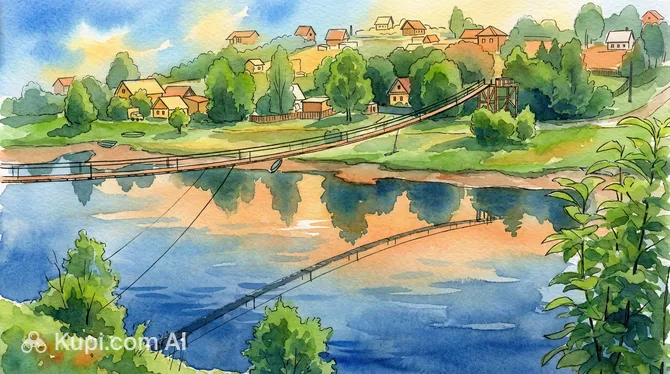
Gubakha. Illustration.
Source: Kupi.com AI

The rich history of Gubakha as a major mining center has left its mark on the city's appearance, where the legacy of the past today coexists with modern art objects. However, nature remains the main point of attraction: the legendary Krestovaya Mountain towers over the surroundings, known for its ski resort and unique sunsets. No less impressive are Ladeynaya Mountain and the mysterious karst caves that beckon explorers and adventure seekers.

Gubakha can surprise even the most seasoned tourist with its hospitality and variety of leisure activities. Come here to breathe the clean mountain air, enjoy panoramic views from the peaks, and personally feel the powerful energy of the Ural land.

Weather Overview

The climate of Gubakha can be described as moderate continental, with pronounced seasons typical for the Ural foothills. Winter here is long and snowy, perfectly suited for skiing. The coldest month is usually January, with an average temperature of about -13.2°C, while night frosts can reach -15.6°C. The snow cover is stable, and frosty days create excellent conditions for winter recreation.

Summer in the region is mild and comfortable enough for nature walks, without exhausting heat. The warmest month is July, when the average temperature is +17.7°C, and during the day, the air often warms up to +22.4°C. Expect a moderately warm summer with occasional rain and cold winters. Although the overall precipitation is not high, the number of days with precipitation remains stable throughout the year (from 12 to 17 days per month), so the weather can be changeable.

Spring and autumn pass quite quickly here but have their own charm. Already in May, the air warms up to an average of +9.1°C, and in September, nature begins to prepare for winter with similar temperature figures (+9.2°C). To choose the perfect time for your visit and pack your suitcase correctly, we recommend checking the weather in Gubakha in advance for your travel dates.

Average monthly temperature

Average monthly precipitation

Interesting Facts

Beyond the main attractions, Gubakha hides many surprising details and local records that make a trip here truly memorable. Here are a few facts to help you see this Ural city from a new perspective:

  • Record-breaking crossing. The landmark of the area — the suspension bridge over the Kosva River — is the longest suspension bridge in the entire Perm Krai. Crossing it guarantees not only an adrenaline rush but also the opportunity to take spectacular panoramic photos of the river and cliffs.

  • Subterranean secrets. Local karst caves hold unique natural phenomena. For example, in the Mariinskaya Cave, you can see a rare "cave mushroom" — an amazing ice formation, while the cave with the unusual name "Right Boot" surprises tourists in spring with a real underground waterfall.

  • Interactive history. The City Museum KUB is not just an exhibition of old things but a modern space where history comes to life. The museum's name refers to the Kizel Coal Basin (KUB), and the exhibition allows guests to fully immerse themselves in the atmosphere of mining life, learning about the hard work and daily lives of miners through interactive elements.

  • Resort with no days off. Although Gubakha is primarily famous as the regional winter capital, the local ski resort does not go dormant when the warm weather arrives. In summer, the snowy slopes give way to hiking routes and mountain bike trails, turning the city into a year-round center for active recreation.

How to Get There

When planning a trip to the heart of the Perm Krai, it's worth thinking through your route in advance, as the city is located away from major federal highways. To find out all the details and choose the best option, we recommend studying all the ways to get to Gubakha, and below we will look at the most popular transport hubs used by tourists.

There is no airport in Gubakha itself, so most travelers choose to fly to the regional capital. The closest and most convenient option is the Bolshoye Savino International Airport (PEE), located in the city of Perm. It is approximately 136.6 km from Gubakha. The journey from the airport to the ski resort or city center by taxi or intercity bus will take about 3 hours and 45 minutes. This is a major transport hub receiving flights from Moscow, Saint Petersburg, and other large cities.

For clarity, here is summary information on the nearest airport:

AirportPassenger trafficDistance
Bolshoye Savino2.0 mln137 km

Rail travel is one of the most comfortable ways to reach this area, especially during the winter season. Located directly within the city limits is the Gubakha-Passazhirskaya station, just 1.7 km from the center. Suburban trains and electric trains arrive here, including the popular tourist express from Perm. If a direct flight cannot be found, you can consider the Kizel station in the neighboring city of Kizel (approximately 24.6 km from Gubakha), which is a major railway hub and receives more long-distance trains. From there, Gubakha is easily reached by taxi or bus in about 40-50 minutes.

Below is a list of the nearest railway stations that may be useful when planning your trip:

StationPassenger trafficDistance
Gubakha-Passazhirskaya Station2 km
Kizel Railway Station45 00025 km
Baskaya Station32 km
Vsevolodo-Vilva Station25 00044 km
Yayva Station40 00057 km
Chusovskaya Station400 00063 km

Main Attractions

Gubakha and its surroundings are a true treasure chest that Russia is rightfully proud of. Here, majestic Ural nature coexists with industrial history, and rocky peaks offer views that take your breath away. A trip here is unthinkable without visiting the iconic sites that reveal the rugged yet alluring character of this region.

The main symbol of the city is undoubtedly Krestovaya Mountain. It is not just a geological monument but also the heart of the region's cultural and sporting life. From its summit, part of the Rudyansky Spoy ridge, a stunning panorama opens up over the Kosva River valley and the endless taiga forests. In winter, it is a mecca for skiers, and in summer, the cliffs turn into a stage for a unique theater festival, where sunsets and mountain landscapes serve as the backdrop.

Just a few kilometers from the city lies one of the most famous natural attractions of the Perm Krai — Stone Town (Kamenny Gorod). Local legends call it the "Devil's Settlement." This is an amazing labyrinth of massive rock outcrops that, under the influence of wind and water, have taken the form of houses, arches, and towers. A walk through its narrow "streets" leaves the feeling of being in a fairy-tale settlement frozen in time.

For those looking for unusual sensations and atmospheric photos, Old Gubakha is a must-see. This is an abandoned part of the city that has turned into a picturesque "ghost town." Here, nature is gradually reclaiming the remains of former architecture: the ruins of a palace of culture, overgrown alleys, and the empty shells of buildings create a melancholic yet fascinating picture that attracts photographers and urban explorers.

Water landscape lovers should see Ladeynaya Mountain. Its sheer limestone slopes, resembling the sides of a giant boat (ladya), hang directly over the Kosva River. This place is popular not only with tourists but also with rock climbers and cavers, as entrances to karst caves are hidden deep within the mountain. You can reach the foot of the mountain by crossing the river via a long suspension bridge, a walk across which is an adventure in itself.

Local Cuisine

Gubakha's cuisine is a reflection of the rugged yet generous Ural character. Russia is rich in regional gastronomic traditions, and in this corner of the Perm Krai, people value hearty, warming dishes made from local products. The menu's base consists of gifts from the forest and rivers: here you should try the rich fish soup (ukha) made from fresh fish caught in the Kosva, or a fragrant venison roast. Pelmeni remain the centerpiece of the table — they are made here with special love, generously filled with meat and served with melted butter or thick sour cream.

A special place in local culinary tradition is occupied by baked goods. In cozy cafes, travelers are offered pies with lingonberries, blueberries, and other forest berries gathered in the vicinity. Don't miss the chance to taste authentic Ural shchi (cabbage soup), which perfectly restores strength after conquering mountain peaks or walking through snowy forests.

Among drinks, aromatic herbal teas made from local blends hold the lead, warming you up in any weather. During city holidays and festivals, gastronomic life spills out into the streets: stalls offer pancakes (blini), kebabs (shashlik), and homemade infusions. Tourists should also visit farmers' markets to purchase fresh honey, mushrooms, and pine nuts — flavors that will be remembered long after the trip.

Travel Tips

A trip to Gubakha is an opportunity to touch the rugged beauty of the Urals, but such a visit requires some preparation. To ensure your vacation is as comfortable and safe as possible, leaving only warm memories, we have collected a list of important practical recommendations that will be useful for every tourist.

  1. Clothing and Gear. The weather here dictates its own rules. In winter, when Russia opens the ski season, thermal underwear, windproof membrane clothing, and warm accessories (hat, scarf, mittens) are mandatory. In summer, for hikes to Stone Town or Ladeynaya Mountain, bring sturdy trekking shoes with non-slip soles and a raincoat — mountain weather changes rapidly.
  2. Transport. The city is small, and there are no subways or trams. You can move around the center on foot, but it's more convenient to reach the ski center or the start of hiking trails by taxi. Popular aggregators (e.g., Yandex Go) work here, but during peak hours the wait can be long, so save a couple of numbers for local taxi fleets. Car rental is relevant if you plan to explore the surroundings independently.
  3. Finances. The main currency is the Russian ruble (RUB). Cards are accepted without problems in supermarkets, hotels, and at the ski resort. However, we strongly recommend having cash with you: it will be needed for paying for souvenirs, buying food at small kiosks, or taking a private taxi. ATMs are concentrated in the central part of the city.
  4. Health and Safety. There are pharmacies in the city, but few are open 24/7, so pack a personal first-aid kit in advance. The main feature of the region in the warm season (May-July) is tick activity in the forests. Be sure to use repellents and wear closed clothing when going out into nature. In winter, don't forget about sports insurance if you plan to ski or snowboard.
  5. Communication. The primary language is Russian; few people know English. Before your trip, download offline maps (e.g., 2GIS or Yandex Maps), as mobile internet may cut out in valleys and mountains. Wi-Fi is usually available in hotels and cafes, but the speed isn't always high.
  6. Local Etiquette. Residents of Gubakha are direct and hospitable people. It is customary to say hello when entering small shops or when meeting on narrow hiking trails. The main rule is respect for nature: do not leave trash in the forest or on the cliffs; this is considered bad form and is strongly condemned by locals.
  7. What to Avoid. Do not underestimate Ural frosts and distances. Do not go on solo hikes through the abandoned part of the city (Old Gubakha) or forests without a charged phone and navigator — it is easy to lose your orientation there. Also, avoid walking under rock overhangs in spring due to the risk of falling icicles or stones.
  8. Pro Tip. Since Gubakha is a popular resort, accommodation here (especially during the winter season and holidays) is snapped up instantly. Book your apartment or hotel room at least a month before the trip. And if you arrived by car, fill up the tank in advance — gas stations are not so common on the highways between cities.

Gubakha is a place where nature tests your character but gives incredible views and emotions in return. By following these simple tips, you can avoid everyday troubles and focus entirely on conquering mountain peaks and exploring the secrets of the Perm Krai.

Entertainment & Nightlife

The nightlife in Gubakha has a unique, intimate character that is quite different from the noise of large metropolises. You won't find districts with neon signs and an endless string of nightclubs here. The main rhythm of evening entertainment is dictated by the seasons: in winter, when the city fills with skiers and snowboarders, the ski resort becomes the epicenter of fun, while in summer, life flows more steadily and calmly, focusing on cozy city cafes.

The main point of attraction for evening leisure is the foot of Krestovaya Mountain. This is where the classic "après-ski" atmosphere reigns. After the trails close, tourists gather in local bars to discuss their runs, listen to music, and warm up with mulled wine. The crowd here is as democratic and friendly as possible: there is no dress code, and you will feel just as comfortable in a ski suit as in jeans. The style of the establishments can be described as sporty and relaxed.

Among specific places to spend the evening, several popular locations are worth highlighting. The Polar Station bar (Polyarnaya Stantsiya), located right on the slope, is famous for its parties and lively atmosphere where DJs often play. For a quieter dinner with a panoramic view, the Mont Blanc restaurant is suitable, serving European and local cuisine. Within the city itself, the Lepeshka cafe is popular, where you can have a hearty dinner with friends after a busy day.

Regarding safety and logistics, Gubakha is a quiet city, but walking between the center and the ski complex at night is not recommended due to the distance and poor lighting on some road sections. The best way to get around at night is by taxi. Local services operate 24/7, and prices for trips around the city remain very affordable (averaging 150-250 rubles). It's best to arrive at venues by 8:00–9:00 PM when the main crowd gathers.

During the day, when the night lights fade, Gubakha offers cultural leisure. Be sure to visit the "Dominanta" youth theater studio, which is known for its bold productions and is a true cultural phenomenon of the region. You can also stop by the ice arena for skating or visit the Gagarin City Park for quiet walks in the fresh air before the evening program begins.

Parks & Museums

Gubakha offers tourists an amazing contrast: here, well-maintained urban spaces coexist with the wild taiga, and modern cultural centers with the echo of an industrial past. Russia is rich in cities with a unique fate, and Gubakha is a prime example. Local parks and museums allow you not only to rest from active sports but also to dive deep into the history of Ural exploration, study geological wonders, and see how nature reclaims territories once occupied by humans.

The central place for quiet recreation within the city is Gagarin Park. Recently renovated, it has turned into a modern public space with cozy alleys, workout zones, and playgrounds. This is the green heart of the city, where it is pleasant to stroll in the evening after a busy day in the mountains. Another important natural area, which can be considered a natural landscape park, is the territory of the Stone Town natural monument. Although it is outside the residential area, it is perhaps the most impressive "park" in the region: a labyrinth of monumental rocks overgrown with moss and cedars, where you can wander for hours as if through the streets of an enchanted kingdom.

The cultural life of the city is unthinkable without the Museum KUB (Gubakha City History and Local Lore Museum). It is not just a repository of exhibits but a modern interactive space. The name refers to the Kizel Coal Basin, and the exhibition masterfully tells the story of the mining industry through personal stories, multimedia, and unique artifacts. Here you will learn how the coal industry was born and how the miners lived. Special attention should be paid to the section dedicated to the paleontology and geology of the region, where you can see fossils from the ancient Permian Sea.

Among historical sites, Old Gubakha stands apart — a ghost town that is perceived today as an open-air museum. Here, among the ruins of Stalinist architecture and the remains of paved roads, a special, slightly mystical atmosphere reigns. Walking among the skeletons of buildings being swallowed by the forest, you can physically feel the passage of time. This place attracts photographers and history buffs who want to see the traces of a bygone era without museum cases and fences.

For those who want to see something unusual, we advise paying attention to the art objects scattered around the city and its surroundings as part of various festivals. For example, performances often take place on Krestovaya Mountain during sunsets, and the mountain itself serves as a natural stage. Don't miss the chance to take a photo by the famous "Happiness is in the Mountains" sign, which has become the unofficial motto of all travelers visiting this region.

Getting Around

The public transport system in Gubakha is simple and clear, owing to the compact size of the city. There is no metro, tram, or trolleybus system here. The only form of municipal transport is buses and fixed-route taxis (marshrutkas). The route network connects the city center (New Gubakha) with outlying settlements, the railway station, and the lower station of the ski center's cable car.

Fare payment on local buses is arranged conservatively. Most often, payment is made in cash directly to the driver or conductor upon entry. Validators for contactless payment with bank cards are not found everywhere, so tourists are strongly advised to have small bills and coins with them. The fare is affordable and fixed for intra-city routes.

The transport schedule has its peculiarities. Buses start running early in the morning, around 06:00, but finish work quite early — after 21:00–22:00, it can be problematic to leave by public transport. Service intervals are 10 to 20 minutes during peak hours, but waiting can be long during the day and late evening. The schedule is usually posted at major stops, but it's best to verify current times with locals.

The most popular alternative to buses, especially for tourists with ski gear, is taxis. Both local dispatch services and popular federal aggregators (such as Yandex Go) operate in the city. Prices for trips around the city are low, and cars are dispatched quite quickly. This is the most reliable way to get to your hotel or the slope in the evening or during bad weather.

An important transport feature of the winter season is the special tourist transfer. Upon arrival of the "Gornolyzhny Express" (Ski Express) electric train from the regional center, special buses (shuttles) wait for tourists at the station to take them directly to the foot of Krestovaya Mountain. This is a synchronized system that allows guests to reach the resort without unnecessary transfers or searching for a taxi.

Car-sharing is not developed within Gubakha itself, and there are no electric scooter or bicycle rental services in the "metro station station" format here (sports equipment rental is only available at the resort itself). Given the terrain and distances between attractions, walking is comfortable only within the central quarters; for trips to Stone Town or Old Gubakha, it is better to book a taxi in advance or rent a car in a larger city before arrival.

Accommodation

The choice of accommodation in Gubakha directly depends on the purpose of your visit and the season. Since it is a small single-industry town, there are no large international hotel chains or luxury five-star resorts. The hotel stock consists of cozy mini-hotels, hostels for young people, and a well-developed short-term apartment rental sector, which often becomes the primary option for large groups.

Territorially, accommodation options can be divided into two main zones: "At the Mountain" and "In the Town". Staying at the foot of Krestovaya Mountain is ideal for skiers: this is where hotel complexes and cottages are located, allowing for the quickest access to the lifts. This saves time but generally costs more. Housing within the city (New Gubakha) will be more budget-friendly. Supermarkets, pharmacies, and cafes will be nearby, but you will have to reach the slopes by taxi or a special ski bus, which takes 10–15 minutes.

For those who prefer classic service, several mid-range hotels operate in the city. They offer a standard set of services: clean rooms, breakfast, and Wi-Fi. However, the most widespread segment remains apartment rentals. Local residents actively rent out apartments equipped with everything necessary for tourists, from gear dryers to kitchenware. This is a great way to save money and feel at home.

Booking tip: Gubakha is an extremely popular destination in winter, and the city's hotel capacity is limited. If you are planning a trip for New Year, or the February or March holidays, you must book accommodation 2–3 months in advance. In "high season," vacancies run out very quickly.

The price range varies from budget (hostels and simple apartments) to mid-range (cottages by the mountain and superior rooms). Booking is available through popular Russian online platforms and aggregators, but many private landlords and small guest houses still work via direct phone bookings or through social media.

Nearby Cities

For those who want to explore the surroundings, Gubakha serves as an excellent starting point for day trips to several interesting nearby places:

One of the most attractive destinations for cultural tourism is Solikamsk. This ancient city, located about 100 km from Gubakha, bears the unofficial title of the "salt capital" of Russia. Tourists come here to see the unique architectural ensemble of old stone churches and visit the Salt History Museum, located on the site of a former salt refinery. This place allows you to plunge into the atmosphere of the 17th–18th century merchant Urals.

Nature lovers should consider a trip to Kungur. Although it is a bit further away, the trip is worth it for the famous Kungur Ice Cave — one of the most popular attractions in the Urals. Underground lakes, ice grottoes, and whimsical stalactites leave an indelible impression. The city itself is also interesting for its preserved merchant architecture and annual hot air balloon festival.

The regional capital, Perm, offers a rich city program. Here you can walk along the famous Kama River embankment, take a photo at the "Happiness is not around the corner" art object, and visit the Perm Art Gallery with its unique collection of wooden sculptures. This is a great option for those who want to combine shopping, gastronomic discoveries, and museum visits.

CityPopulationDistance
Kizel14 88324 km
Gremyachinsk8 73234 km
Aleksandrovsk12 22236 km
Chusovoy43 73765 km
Gornozavodsk11 37569 km

These nearby destinations provide an insight into the diverse culture and landscapes of the region.

Shopping & Souvenirs

Shopping in Gubakha has its own characteristics: you won't find huge malls with global brands or high-fashion outlets here. The city's retail sector is oriented toward the daily needs of residents and the requests of active tourists. However, Russia is famous for its regional crafts, and this corner of the Perm Krai is an excellent place to purchase authentic Ural souvenirs that hold the warmth of craftsmen's hands and the energy of the mountains.

The region's main souvenir brand is rightfully considered selenite — a soft ornamental stone often called "lunar" for its internal glow. The Perm Krai is one of the few places in the world where this mineral is mined. In local shops, you can find exquisite figurines of animals (bears are especially popular as the symbol of the region), boxes, and jewelry made of selenite. Such items make excellent gifts and interior decorations.

The list of purchases worth bringing from Gubakha is not limited to stone. Here is what else to look for:

  • Branded merch. The ski center is developing its own brand, so in the resort's shops, you can buy high-quality hoodies, hats, and T-shirts with Gubakha logos or inspiring inscriptions like "Happiness is in the mountains." This is a practical gift that will keep you warm back in the city.
  • Gifts of the taiga. Ural nature is generous, and local residents actively use its gifts. A jar of pine cone jam, dried porcini mushrooms, pine nuts, or a pack of fragrant Ivan-tea (fireweed tea) gathered in the ecologically clean foothills will be a delicious reminder of the trip.
  • Perm sweets. Don't forget the products of the famous Perm confectionery factory. Locally produced candies and chocolates are valued for their quality and are often sold in beautiful gift sets with views of the region.
  • Ceramics and wood. Local artisans' products are often found in souvenir departments: birch bark containers (tuyes), wooden dishes, and original ceramics reflecting the ethnic motifs of the Kama region peoples.

Regarding shopping locations, the main souvenir spots are concentrated in two areas: at the ski center (in the administrative buildings and rental shop) and in the Museum KUB. The museum has a small shop selling not only magnets and postcards but also books on local history and mineral samples. For gastronomic souvenirs, it's better to go to chain supermarkets (Pyaterochka, Magnit) or the city market, where in season, grandmothers sell fresh berries and homemade preserves.

If you need to update your sports equipment, there are several specialized stores in the city, but the choice may be limited compared to larger centers. For serious clothing or electronics shopping, locals usually travel to Perm. Most shops in Gubakha accept bank cards, but for purchases at the market or small kiosks at the foot of the mountain, it's better to have cash with you.

Reached the end of the page?

That means the route is fully explored