Support

Volokolamsk

About

Volokolamsk is a cozy town with a wonderful atmosphere, situated in a picturesque bend of the Gorodnya River, about 120 kilometers northwest of Moscow. Located in the heart of the country's European part, Russia opens one of its oldest chapters to travelers here. The town is spread among the hills and forests of the Moscow region, offering guests quietude and a measured rhythm of life, so different from the hustle and bustle of major metropolises.

It is one of the oldest settlements in the region, first mentioned in chronicles back in 1135. The rich history of Volokolamsk is felt here literally at every step: in the ancient street layout, the preserved merchant houses, and the special spirit of antiquity. With a population of about 20,000 people, the town maintains an intimate feel and sincere hospitality, making it ideal for leisurely strolls and immersion into the past.
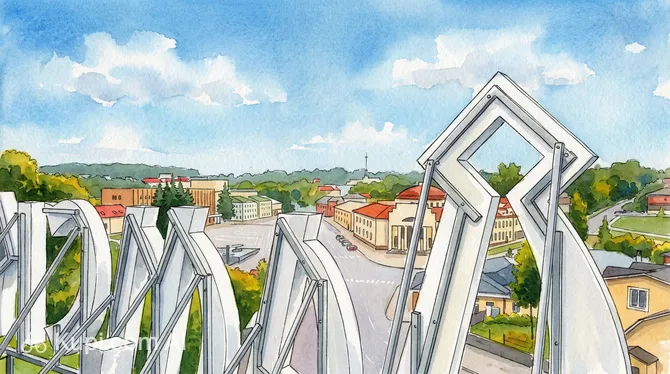
Volokolamsk. Illustration.
Source: Kupi.com AI

The main gem and architectural landmark is the Volokolamsk Kremlin, majestically rising on the town rampart. The Kremlin ensemble, with its ancient cathedrals and tiered bell tower, sets the tone for the entire historical center. Surrounding it are cozy quarters where you can admire monuments of civil architecture and relax in shady alleys, enjoying views of the picturesque surroundings.

Volokolamsk is an excellent choice for those looking for inspiration in the Russian heartland and wanting to rest their soul. Come here to enjoy the tranquility, explore unique attractions, and discover the charming corners of the Moscow region that have preserved their authenticity through the centuries.

Weather Overview

The climate of Volokolamsk is typical for the Moscow region—moderately continental, with mild summers and snowy winters. The weather here rarely presents extreme surprises, making the town convenient to visit at any time of year. Expect a warm summer with occasional rain and moderately frosty winters.

The summer season is the most popular time for visits. In July, the warmest month, the average temperature is about 18.4°C, and during the daytime, the air often warms up to a comfortable 22-23°C. However, keep in mind that summers here can be quite humid: on average, 12 to 15 days a month can have precipitation, so a light raincoat or umbrella will definitely come in handy.

Winter takes hold in November, and the coldest days occur in January and February. The average temperature during these months stays around -5...-6°C, dropping to -8°C at night. During this time, the town is covered in snow, which gives the ancient buildings a special charm. Before setting out, we recommend checking the current weather in Volokolamsk to choose the right clothing.

Spring and autumn here are quite long. May and September offer pleasant coolness with average temperatures from 11°C to 13°C, which is excellent for long walks. However, November and March are usually cooler and windier, requiring warm and waterproof gear.

Average monthly temperature

Average monthly precipitation

Interesting Facts

Beyond the main attractions, Volokolamsk holds many fascinating secrets and details that reveal themselves only to inquisitive travelers. Here are a few facts to help you get to know this ancient town better:

  • "Volok na Lame." Volokolamsk is officially recognized as the oldest town in the Moscow region: its first mention in the chronicles dates back to 1135. The town's name is a history lesson in two words: in ancient times, an important trade route passed here, where ships were dragged ("volok") over land between the Lama and Voloshnya rivers.

  • A Kremlin of Three Centuries. The Volokolamsk Kremlin is a true open-air architecture textbook. Its ensemble harmoniously combines buildings from completely different eras: a 15th-century white-stone cathedral, an 18th-century high bell tower, and a 19th-century red-brick cathedral. The bell tower's observation deck offers the best panoramic views of the town.

  • A Unique Collection. The town is home to the Bible Museum, a cultural institution that is quite rare in Russia. Here you can see antique editions and manuscripts, and gain a deeper understanding of this book's influence on national history and art.

  • Bambi Land Nature Corner. Near Volokolamsk, there is a deer farm where animals live in a natural environment. This spot is especially popular for family outings, as you can feed the graceful deer right from your hands.

How to Get There

Planning a trip to one of the oldest towns in the Moscow region begins with choosing a route. Thanks to its proximity to the capital, transport links here are well-developed. You can find all the ways to get to the city to choose the most convenient option, and below we look at the main air and rail gateways to the region.

There is no airport in the town of Volokolamsk itself, so travelers usually fly into Moscow airports and then continue by ground transport. The closest and most convenient option is Sheremetyevo International Airport (IATA: SVO). It is located in Moscow, approximately 91 km from the center of Volokolamsk. A taxi or transfer will take about 2–2.5 hours depending on traffic. This is one of the country's largest aviation hubs with a huge passenger flow, receiving flights from all over the world.

An alternative option is Vnukovo Airport (IATA: VKO), also located in Moscow. The distance to Volokolamsk is about 95 km, and the journey by car takes approximately 2.5 hours. This is also a major international airport with a developed infrastructure. The choice between these airports often depends on which side of the capital you are flying from and where there are fewer traffic jams heading out toward the region.

For clarity, here is a summary of the main airports used to reach the region:

AirportPassenger trafficDistance
Sheremetyevo36.3 mln91 km
Vnukovo16 mln95 km
Domodedovo15.6 mln140 km
Zhukovsky1.7 mln147 km
Grabtsevo100 000167 km

The railway is one of the most popular and reliable ways to reach the town, avoiding potential highway traffic jams. The main gateway is the Volokolamsk station, which is located within the town limits but at some distance from the historical center (about 4.5 km). From the station to the central attractions, you can get there by local bus or taxi in just 10–15 minutes.

If you are planning a complex route through the region, you might consider the Klin station in the town of Klin. It is located about 57 km from Volokolamsk. This is a major transport hub with an average passenger flow, from where you can reach your destination by intercity bus or taxi in about an hour.

Below is a table with the nearest railway stations:

StationPassenger trafficDistance
Volokolamsk Railway Station750 0004 km
Shakhovskaya Station450 00028 km
Klin Railway Station2.5 mln57 km
Mozhaysk Railway Station60 km
Zavidovo Station65 km
Pogoreloye Gorodishche Station30 00066 km
Povarovo I Station800 00069 km

Main Attractions

A visit to the town should begin with its historical heart—the Volokolamsk Kremlin. It is not just a fortress, but a unique museum and architectural complex standing on an ancient earthen rampart. Here, you can see the white-stone Resurrection Cathedral from the 15th century, which preserves the spirit of early architecture, and the red-brick St. Nicholas Cathedral from the 19th century. Tourists are particularly drawn to the opportunity to climb the tiered bell tower: its observation deck offers the best panorama of the town and the scenic surroundings, making it an ideal spot for memorable photos.

In the town's outskirts, in the village of Teryaevo, lies the majestic Joseph-Volokolamsk Monastery. Founded in 1479, it impresses with its architectural harmony, reflected in the waters of the surrounding ponds. This place attracts travelers not only with its spiritual history but also with its visual beauty: powerful fortress walls, towers decorated with "peacock's eye" tiles (izraztsy), and ancient churches create an atmosphere of complete peace. A walk through the monastery grounds allows you to disconnect from the rush and touch centuries-old traditions.

Fans of noble culture and unusual engineering solutions should definitely visit Yaropolets village. Here, two famous estates sit side by side—the Goncharov and Chernyshev estates. The Goncharov estate is closely linked to Alexander Pushkin, who visited his wife's relatives here. However, the most unexpected object here is the Yaropolets Hydroelectric Station—the first rural hydroelectric power plant in the country. Tourists come here to see the famous bowl-shaped spillway, which resembles a waterfall and looks very striking against the background of ancient architecture.

The famous Memorial to the Panfilov Heroes near the Dubosekovo railway siding also deserves attention. This grand sculptural complex, consisting of six 10-meter stone figures of warriors, rises right in the middle of an open field. The scale of the monument makes a strong impression on guests of the district, symbolizing indestructible resilience. A visit here allows one to appreciate the power of monumental art harmoniously integrated into the natural landscape.

Local Cuisine

The gastronomic map of Volokolamsk is a true journey to the roots of Russian culinary tradition, where every dish is steeped in local flavor. The town's establishments focus on authenticity and the use of local ingredients: mushrooms from the surrounding forests, fresh river fish, honey from Moscow-region apiaries, and natural dairy products. Here, "pure" taste and recipes passed down through generations are highly valued.

Among the main dishes that are definitely worth trying are rich shchi made with kvass—an ancient soup with a characteristic pleasant sourness. Fans of hearty pastries will enjoy hot rasstegai (open-faced pies) with fish and golden pies filled with wild berries or homemade cottage cheese. A special place on the table is held by hand-made dumplings (pelmeni), which are usually served here with thick farm sour cream, turning a simple lunch into a real gastronomic celebration.

The choice of drinks in Volokolamsk also reflects a commitment to tradition. In hot weather, tourists are refreshed by homemade bread kvass and rich mors (berry drinks) made from cranberries or cowberries. For those who want to warm up or appreciate local craftsmanship, many cafes offer signature infusions (nastoyka) made with fragrant herbs and berries according to family recipes.

The food culture here goes beyond ordinary restaurants. In summer, the town comes alive with farmers' markets where you can taste and buy natural products directly from producers. Autumn brings harvest festivals: the perfect time to stock up on homemade pickles and jams, as well as attend workshops on traditional baking, immersing yourself in the atmosphere of genuine Russian hospitality.

Travel Tips

Preparing for a trip to Volokolamsk is the key to a great weekend without unnecessary fuss. We have compiled a list of practical recommendations to help you plan a comfortable route through this ancient town and avoid minor organizational inconveniences.

  1. Clothing and Visiting Sacred Sites. Given the changeable climate of the Moscow region, dress in layers and be sure to bring a waterproof jacket or umbrella. For walking along the Kremlin's earthen ramparts and the grounds of estates, comfortable, sturdy shoes without heels are necessary. Since many attractions are active churches and monasteries, follow a modest dress code: women are advised to have a scarf and clothing that covers shoulders and knees, while men should avoid shorts.

  2. Transport Nuances. It is important to know that the railway station is about 5 km from the historical center and the Kremlin. Upon arrival, it is most convenient to use a taxi via popular Russian apps (such as Yandex Go), as town buses can run at long intervals. If you plan to visit the estates in Yaropolets or the monastery in Teryaevo, having a personal or rented car will save you significant time.

  3. Finances and Cash. The official currency is the Russian ruble. Museums, chain stores, and most cafes accept bank cards. However, in monastery shops, farmers' markets, or small souvenir kiosks, payment is often only possible in cash. We recommend withdrawing a small amount in advance, as ATMs are mainly concentrated in the town center.

  4. Health and Nature. Volokolamsk is a safe town, but remember that there are few 24-hour pharmacies, so it's better to bring a personal first-aid kit. If you travel in summer and plan walks to the memorial in Dubosekovo or through estate parks, be sure to use repellents: ticks may be present in tall grass.

  5. Communication and Navigation. Russian is the primary and only language used everywhere. Museum staff may know English, but you shouldn't rely on it on the street. The quality of mobile internet in town is good, but the signal may drop on the roads between attractions. We advise downloading offline maps of the region to your navigator in advance.

  6. Local Etiquette. Town residents value politeness and calm. Strict rules apply on the territory of the Joseph-Volokolamsk Monastery: maintain silence, turn off mobile phone sounds, and refrain from smoking. Photographing monks, clergy, and church interiors during services is only allowed with a blessing (permission).

  7. What to Avoid. Don't count on a late dinner without prior planning. Volokolamsk is a town with a relaxed pace of life, and many cafes and restaurants close quite early (around 9:00–10:00 PM). Also, do not try to climb the fortress ramparts along steep, unmaintained slopes—this is dangerous and damages the historical landscape.

  8. Gastronomic Tip. Don't leave without visiting the monastery bakery or shop. They often sell the freshest yeast-free bread, honey cakes, and locally produced dairy products. These are not only tasty snacks but also great gifts for loved ones.

Volokolamsk charms with its unhurried pace and depth of history, revealing itself to those ready to slow down. By following these simple tips, you can feel confident and fully immerse yourself in the atmosphere of Russian antiquity, enjoying every moment of your journey.

Entertainment & Nightlife

Entertainment and nightlife in Volokolamsk have their own special, relaxed rhythm that perfectly matches the spirit of this ancient town. You won't find noisy night clubs with neon signs or districts buzzing until morning like in major cities. Evening leisure in Volokolamsk primarily consists of cozy dinners, leisurely walks, and cultural events. Most activity winds down by 10:00–11:00 PM, so fans of late-night entertainment should plan their evening in advance.

The center of evening activity is traditionally the area around the Volokolamsk Kremlin and the central square, as well as adjacent streets like Revolyutsionnaya Street. It is here and within a few blocks that the main dining establishments are concentrated. The local "bar" format is most often restaurants or hotel cafes that switch to a lounge-zone mode in the evening. People come here for conversation, live music on weekends, and a quiet atmosphere rather than dancing until dawn. The crowd is mixed: from local families to tourists relaxing after excursions.

For those looking for cultural leisure in the evening, the Rodnik Center for Culture and Creativity or the local cinema are the main meeting spots. These are the primary venues for concerts, theatrical performances by touring troupes, and film screenings. If you want to spend the evening watching the latest movie releases, head to the Lama Sports Palace or entertainment centers within the town limits, which often house modern cinema halls and areas for bowling or billiards. The dress code in the town's establishments is casual: leisure wear is appropriate everywhere.

Daytime entertainment in Volokolamsk is more diverse and focused on educational recreation. Besides the historical monuments already mentioned, visitors can head to the City Park of Culture and Leisure—a great spot for walks in good weather. For families with children, visiting small private museums or nearby farms offering interactive programs is an interesting option. In winter, cross-country skiing in the forest park areas surrounding the town is popular.

Practical Tips and Safety:

  • Transport: Public transport stops running quite early. If you stay late in a cafe, a taxi is the only way to get to your hotel. It is recommended to use popular apps (such as Yandex Go) or find local dispatch numbers in advance.
  • Safety: Volokolamsk is a quiet and safe town. The center is well-lit, and evening walks here are comfortable. However, remote residential areas can be dark, so it is better for tourists to stick to the central streets.
  • Prices: The average bill in the town's evening establishments will pleasantly surprise visitors from the capital—dinner for two will cost significantly less than in Moscow, while the quality of products, especially local farm goods, remains high.

Parks & Museums

Volokolamsk harmoniously combines monumental architecture and picturesque natural landscapes, offering tourists not only an immersion into history but also the chance to relax in the silence of green alleys. The town's cultural life is concentrated in unique museum spaces where every exhibit tells of the heroic past and rich traditions of this land, while park zones allow one to enjoy the tranquility of the Russian provinces.

For leisurely strolls in the fresh air, the City Park of Culture and Leisure is ideal. This is the "green heart" of the town, located in the immediate vicinity of the historical ramparts. The park is well-maintained and cozy, featuring neat paths, ponds, and areas for relaxing with children. Tourists value this spot for the chance to catch their breath after excursions and enjoy views of the ancient architecture through the foliage of centuries-old trees.

Special attention should be paid to the Park of the Goncharov Estate in the village of Yaropolets, located near the town. This is a true monument of landscape art, where the historical layout and the spirit of the noble era have been preserved. The main point of interest here is the "Pushkin Alley"—it is believed that the great poet walked these paths when visiting his mother-in-law. A walk here transports you to the 19th-century atmosphere and provides a sense of peace.

Among cultural institutions, the Volokolamsk Kremlin Museum and Exhibition Complex plays a key role. The exposition is located directly in the historical buildings on the Kremlin grounds. Here you can see unique archaeological finds, models of the ancient town, and everyday objects spanning the period from the Vyatichi tribe to the present day. For tourists, this is the best opportunity to organize their knowledge of the town's history and understand its strategic importance for the country.

No less impressive is the Interactive Museum of the Panfilov Heroes in the village of Nelidovo. Unlike the monumental memorial in the field, this museum offers an intimate and deep look at the events of 1941. Modern multimedia technologies and authentic documents allow visitors to literally touch the history of the defense of Moscow. This place evokes strong emotions and is recommended for anyone interested in military history.

As an insider tip, we recommend visiting the area around the Yaropolets Hydroelectric Station. Although it is a technical structure, the dam's spillway forms a picturesque artificial waterfall known as the "Bowl." The sound of falling water and the view of the semi-circular dam surrounded by forest create a stunning backdrop for photos and meditative rest, which not all visitors to the town know about.

Getting Around

The transport system in Volokolamsk is simple and compact, as expected for a small historical town. There is no metro or trams; the main and only form of public transport is buses and route taxis (marshrutkas). The route network covers both the town itself and connects it with numerous settlements in the district where famous estates and monasteries are located.

For tourists, the most important route is the one connecting the railway station with the historical center ("Gorod" or "Center" stop). Since the station is quite far from the Kremlin (about 5 km), walking with luggage would be tiring. Buses on this route run regularly, and the travel time is 10–15 minutes. Note the schedule: in the evening, intervals between buses increase, and the wait for a ride can be long.

The fare payment system in the region is unified with Moscow region standards. The most convenient way for a guest is to pay by bank card or a smartphone with NFC directly at the validator or to the driver upon entry. The Strelka transport card and the Moscow Troika card (in "Wallet" mode) are also accepted. Cash payment is becoming less popular and can sometimes be difficult, so we recommend having a card with you. Fares paid by card are usually lower than cash payments.

If you plan to visit distant attractions, such as the estates in Yaropolets or the Joseph-Volokolamsk Monastery in Teryaevo, keep in mind that suburban buses run strictly on schedule, sometimes only a few times a day. In such cases, taxis become a reliable alternative. Popular apps work in the town (e.g., Yandex Go), as do local dispatch services. Trip prices within the town are affordable, and cars are usually dispatched quickly.

Car-sharing services are not based in the town (it's hard to rent a car locally), but some operators allow you to end a rental started in the capital (parking zones should be checked in the specific app). Bike rental is not developed as a formal city service, though bicycles can sometimes be rented privately at some hotels or holiday retreats. However, the historical center itself is so compact that it is best explored on foot, enjoying the atmosphere of the ancient streets.

Accommodation

The hotel sector in Volokolamsk is modest but homey and welcoming, fully matching the status of a small historical town. You won't find large international chain hotels or luxury five-star resorts here. The bulk of the accommodation consists of small town hotels, cozy mini-hotels, and guest houses. For nature lovers, holiday retreats and eco-hotels offering cottage stays in the fresh air are available in the surrounding district.

When choosing an area to stay, consider the purpose of your trip. If you plan to study the architecture in detail and walk a lot, it's best to stay in the historical center, within walking distance of the town rampart and the Kremlin. This will save travel time and allow you to enjoy views of the old town right from your window. Those traveling by car and seeking seclusion should consider options in the suburbs or nearby villages, which often offer sauna (banya), fishing, and barbecue facilities.

The price range in the town can be described as budget and mid-range. Accommodation costs here are significantly lower than in the capital or popular tourist centers of the Golden Ring. Most accommodation options offer a standard set of amenities: clean rooms, Wi-Fi, and breakfast. However, keep in mind that the level of service in the province can be unobtrusive and simple.

A vital planning tip: book your accommodation in advance. Since there are few high-quality hotels in the town and the flow of tourists from Moscow on weekends and holidays is consistently high, the best rooms sell out quickly. This is especially relevant for the summer season and the New Year holiday period. You can use popular Russian online aggregators for booking, though for some small guest houses, the most reliable method remains direct booking by phone.

Nearby Cities

For those wanting to explore the surroundings, Volokolamsk serves as an excellent starting point for day trips to several interesting nearby locations. The town's location makes it easy to reach other historical and cultural centers of the Moscow region, each with its own unique character.

One of the most popular destinations is Klin. This ancient merchant town is known worldwide for the P.I. Tchaikovsky House-Museum, where the great composer spent the last years of his life and created his famous masterpieces. Additionally, the unique "Klinskoye Podvorye" Christmas ornament museum is located here, offering a magical mood for both adults and children year-round.

Nature lovers and those seeking quiet rest by the water should look at Solnechnogorsk. The main gem of this place is Lake Senezh—one of the most beautiful and cleanest in the region. A well-maintained embankment, the chance to go fishing, or simply enjoy picturesque sunsets make a trip here a great option for a summer weekend.

Connoisseurs of palace and park architecture will find Krasnogorsk interesting. The famous Arkhangelskoye estate, often called the "Versailles of Moscow," is located nearby. The luxurious palace, terraced park with ancient statues, and a rich collection of paintings attract tourists wishing to touch the country's aristocratic past.

CityPopulationDistance
Ruza13 40339 km
Vysokovsk10 58649 km
Borodino15 83857 km
Klin79 16858 km
Istra32 60958 km

These nearby destinations provide a more complete picture of the region's diverse culture and landscapes, harmoniously complementing the impressions of visiting ancient Volokolamsk.

Shopping & Souvenirs

Shopping in Volokolamsk is more practical and souvenir-oriented than recreational. You won't find huge malls with luxury boutiques or global brand outlets typical of megapolises. The town's commercial sphere is focused on the daily needs of locals and the requirements of tourists looking for memorable gifts. The town is famous primarily for natural products from local farms and monastery households, as well as items related to the region's rich history.

The main shopping activity is concentrated in the historical center and adjacent streets, such as Revolyutsionnaya Street and Panfilovtsev Street. Walking here, you can find small clothing stores, bookstores, and cozy shops with home goods. These are not so much specialized shopping districts as convenient spots where you can buy essentials while walking between attractions.

Despite the town's modest size, there are several modern shopping centers providing a comfortable shopping experience. The most popular spot is TC Tsentr (Center), located in a busy part of town. It brings together electronics stores, cosmetics, chain supermarkets, and small clothing boutiques. Also worth noting are the shopping rows and passages near the bus station, where you can find various small items for the road.

For those who want to feel the true taste of local life, a visit to the City Market is a must. This is a place where you can always buy the freshest seasonal vegetables, fruits, wild mushrooms, and berries gathered in ecologically clean areas of the Moscow region. Farm dairy products are especially popular: the cottage cheese, sour cream, and homemade cheeses here are of high quality.

The selection of souvenirs in Volokolamsk is directly linked to its main symbols. Tourists often buy:

  • Monastery products. Shops at the Joseph-Volokolamsk Monastery sell delicious yeast-free bread, honey cakes (kovrizhki), herbal blends, and blessed honey.
  • Historical souvenirs. Magnets, books, and miniatures dedicated to the Volokolamsk Kremlin and the feat of the Panfilov heroes.
  • Craftsman products. Museum gift shops often feature works by local masters: ceramics, textile dolls, and wooden items.

Shops in the town usually operate from 09:00 or 10:00 AM to 08:00–09:00 PM. Large chain supermarkets stay open longer, often until 10:00 or 11:00 PM. Regarding payment, bank cards are accepted everywhere in shopping centers and supermarkets. However, if you plan to shop at the market, in small kiosks, or monastery stalls, it is highly recommended to have cash on hand, as terminals are not always available there.

The Tax Free system is generally not available in Volokolamsk, as it is typical for major tourist centers and high-end brand stores. Therefore, you should not count on VAT refunds for purchases here.

Reached the end of the page?

That means the route is fully explored