Zheleznogorsk, despite its industrial focus and special status, offers its guests and residents opportunities for outdoor relaxation and exploring cultural heritage. City parks, embankments, and squares serve as vital green oases, while cultural institutions help in better understanding its unique history and modern life.
The main green artery and a favorite holiday spot for citizens is undoubtedly the Kirov Park of Culture and Leisure. It is not just a landscaped area, but the true "green heart" of Zheleznogorsk, where you can hide from the summer heat under the shade of trees, enjoy walks along well-kept alleys, and in winter—immerse yourself in a snowy fairytale atmosphere. The park serves as a venue for city festivals and cultural events, offering rides for children and quiet corners for solitary relaxation. For a tourist, it is a great opportunity to observe the slow pace of local life and relax in nature.
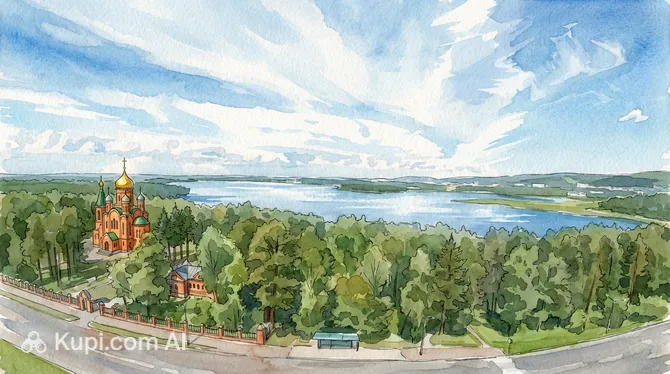
In addition to the central park, Zheleznogorsk offers other pleasant spots for outdoor recreation. The city lake embankment is particularly popular—a picturesque place for walks, contemplating the water, and relaxing on benches. Furthermore, well-maintained squares are scattered throughout the city, such as the Square of First Builders, which serve as small green oases, adding comfort to the urban landscape and providing places for short breaks.
The Museum and Exhibition Center (MVC) plays a key role in preserving and promoting the history of Zheleznogorsk. This modern institution invites visitors to dive into the unique history of the city's creation and its core enterprises, and to learn about the people who stood at the origins of the nuclear project. MVC exhibits often include interactive elements, archival photos, and documents, as well as exhibitions by local artists and craftsmen. Visiting the MVC is an excellent way to gain a deeper understanding of the specificity and significance of Zheleznogorsk.
Another important place for understanding the uniqueness of Zheleznogorsk is the Museum of the Mining and Chemical Combine History (subject to public availability). Exhibits in such a museum are typically dedicated to the stages of creation and development of this unique, strategically important enterprise, which is the foundation of Zheleznogorsk. Here you could learn about technological processes, scientific discoveries, and the people whose labor created the city's industrial power. Visiting such a museum is a chance to touch a previously closed history and appreciate the scale of engineering thought and human effort behind the city's growth.
Local Houses of Culture also play an important role in the city's cultural life. They often serve as centers of social and creative activity, hosting exhibitions, concerts, plays, and various events that showcase the work of local groups and masters. Visiting these centers can give an idea of the city's cultural life and traditions.
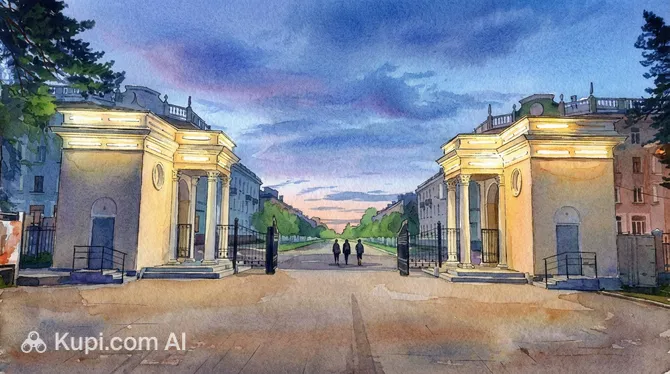
The architecture of Zheleznogorsk itself is also of significant interest, especially for those interested in the history of Soviet urban planning. The city has largely preserved the planned layout features of that era, with characteristic ensembles of streets, public buildings, and residential quarters. A careful study of the urban environment can tell a lot about the history of Zheleznogorsk's founding. Pay attention to the street planning and monumental elements in building designs.
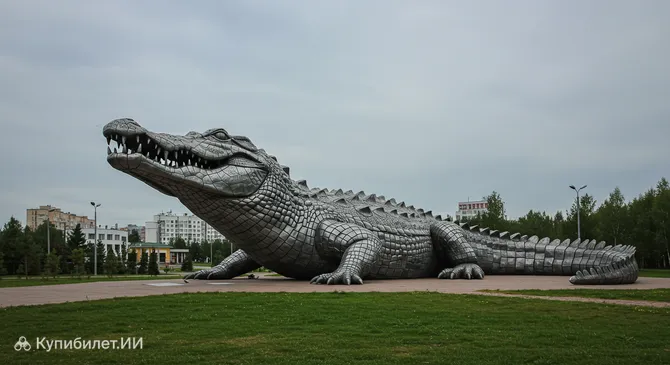
For an authentic experience, do not limit yourself only to the central sites. Sometimes a short walk through quiet residential blocks or observing the daily life of citizens can tell you more about Zheleznogorsk than official guides. Look out for small monuments, memorial plaques, or street art—they can reveal interesting details of the city's history and character.