Support

Kigali Genocide Memorial

About

The Kigali Genocide Memorial, also known as the Gisozi Genocide Memorial, is one of the most important and poignant sites to visit in the capital of Rwanda, Kigali. Located on Gisozi Hill, this memorial complex was opened in 1999 and serves not only as a resting place for more than 250,000 victims of the 1994 genocide but also as a center for education and remembrance of the tragic events that shook the country.
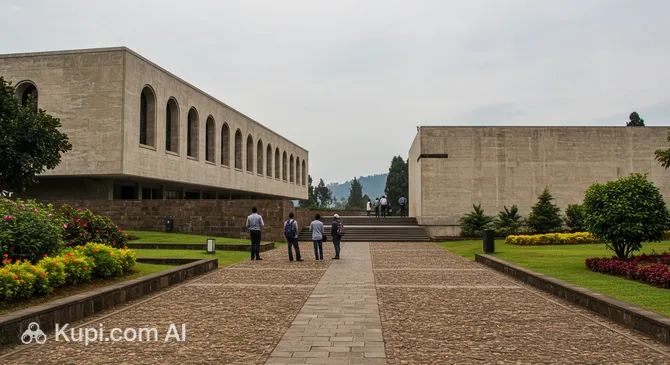
Kigali Genocide Memorial. Illustration.
Source: Kupi.com AI

Traveler photos:

The complex includes three permanent exhibitions. The most extensive of these documents the events of the 1994 genocide in detail, providing visitors with a profound understanding of this dark period in history. In addition to the exhibition halls, the memorial grounds contain mass graves, which are a sacred place of memory. The memorial plays a key role in the process of national reconciliation and education, telling the story of the past to help build a peaceful future.

The significance of the Kigali Genocide Memorial is highlighted by its inclusion, along with other memorial sites in Nyamata, Murambi, and Bisesero, in the UNESCO World Heritage list. These sites are symbols of memory and a reminder of the importance of preventing such tragedies in the future. A visit to the memorial leaves a deep impression and allows for a better understanding of the history and resilience of the people of Rwanda.

Contacts

To check the current opening hours of the Kigali Genocide Memorial, available tours, or other visit details, it is recommended to visit the official website of the memorial complex or contact tourist information centers in the city of Kigali. As the memorial is a significant historical site, the most accurate information is usually provided through official channels or directly on-site.

The memorial is located in the Gisozi district. Information on the most convenient way to reach it can also be found on official web resources or obtained from local tourist offices.

How to contactContact
AddressKG 14 Ave, Kigali, Rwanda
Phone number+250 784 651 051
Websitewww.kgm.rw

What to Do

At the Kigali Genocide Memorial, visitors can immerse themselves deeply in the history of the tragic events by exploring the permanent exhibitions. The primary way to experience the memorial is through a touchscreen audio tour, which lasts about an hour and a half and guides you sequentially through all the exhibition halls. The audio guide is available for an additional fee (approximately 15 USD), and all proceeds go toward the maintenance and development of the memorial complex.

The museum's exhibitions leave a powerful emotional impression. They feature photographs of the deceased, their personal belongings, and materials detailing the background of the tragedy and its devastating consequences for Rwanda and its people. One of the most moving and heartbreaking sections is the room dedicated to the children who perished. Large photographs of children are displayed here, with brief information beneath each: their name, age, favorite activities, and unfulfilled dreams.

In addition to viewing the indoor exhibits, visitors can pay their respects to the victims at the memorial burial sites located within the complex. These burial grounds are a place of mourning and remembrance. The memorial also serves as an important site for survivors and relatives of the victims, who come here to remember their loved ones, sometimes bringing photographs to keep their memory alive for future generations.

Getting There

The Kigali Genocide Memorial is located on Gisozi Hill in the capital of RwandaKigali. The most convenient and common way to reach the memorial is by taxi. Since it is one of the city's main landmarks, most taxi drivers know the way well, and you can easily get here from any part of Kigali.

If you prefer public transport, it is also possible to reach the memorial this way, though it is best to check specific routes and bus numbers locally with residents or at your hotel, as detailed information may not always be available in advance. Additionally, many tour companies offering excursions around Kigali include a visit to the Genocide Memorial in their programs. This can be a convenient option, as transfers are usually included in the tour price, saving you the hassle of handling logistics yourself.

Nearest city: Kigali

History & Facts

The Kigali Genocide Memorial was established in 1999 on Gisozi Hill, overlooking Rwanda's capital, Kigali. Its creation was a response to the tragic events of 1994, when the country lost a staggering number of its citizens in just 100 days. The memorial serves not only as a place of mourning and eternal remembrance but also as the final resting place for more than 250,000 victims whose remains lie in mass graves on its grounds. This site is intended to remind the world of the fragility of peace and the importance of preventing such tragedies in the future.

The significance of this memorial complex has been recognized internationally. In 2003, the UN General Assembly proclaimed April 7 as the International Day of Reflection on the 1994 Genocide in Rwanda, highlighting the global importance of these events. Furthermore, the Kigali Genocide Memorial, along with three other key memorial sites in the country — Nyamata, Murambi, and Bisesero — was included in the prestigious UNESCO World Heritage list. This decision was made due to their outstanding universal value as testimonies to the tragedy and symbols of national reconciliation.

Each of the UNESCO-listed memorials reflects different aspects of the tragedy. The memorial on Gisozi Hill in Kigali, in particular, is designed to convey the scale and horror of the events, serving as a central place of commemoration. While the memorial complexes in Nyamata and Murambi preserve direct and stark material evidence of what occurred, the memorial in Bisesero commemorates the courageous resistance of those who stood against their attackers for over two months. Together, these sites create a comprehensive picture of the events, serving as a vital lesson for humanity.

Time Needed

To fully experience the Kigali Genocide Memorial, it is recommended to set aside approximately 1.5-2 hours. This time is generally sufficient to view the main exhibits and soak in the atmosphere of this important place of remembrance. The primary way to explore the site is through a touchscreen audio tour, which guides you in detail through all the halls and exhibitions.

The audio tour itself lasts about an hour and a half. During this time, you can carefully study the materials, photographs, and personal stories on display, as well as visit the memorial gardens and burial sites for reflection and to pay your respects. Of course, some visitors may wish to spend more time here, especially for a deeper study of individual exhibits or for quiet contemplation of what they have seen.

Working Hours

The Kigali Genocide Memorial is generally open to visitors throughout the year. However, exact opening hours may vary, especially on national holidays or during special commemorative events. To ensure your visit goes smoothly, it is highly recommended to check the current schedule on the memorial's official website or contact tourist information centers in Kigali before your trip.

Regarding the need for advance ticket booking or tour registration, this information should also be checked beforehand through official sources. In certain periods or for group visits, prior arrangement may be required. Confirming these details in advance will help you plan your visit and avoid potential wait times or inconveniences on-site.

9:00 – 16:00

Nearby

Visiting the Kigali Genocide Memorial leaves a deep and lasting impression. To complement and somewhat balance the emotions from this significant site, it is worth spending time exploring other nearby attractions. This will allow you to see different facets of Kigali, get to know its culture, daily life, and other aspects of its history.

In the vicinity of the memorial, you will find several interesting sites that can enrich your stay in the capital of Rwanda. Below is a list of some of them, indicating the approximate distance from the Kigali Genocide Memorial.

NameDistance
M Peace Plaza1.8 km
Kandt House Museum1.9 km
Belgian Peacekeepers Memorial3 km
Kurry Kingdom3.6 km
Inema Arts Centre3.7 km
Biryogo Car-Free Food Street3.8 km
The Manor Hotel4.1 km

Things to see in nearby cities

Have you reached the end of the page?

So the route has been studied inside and out