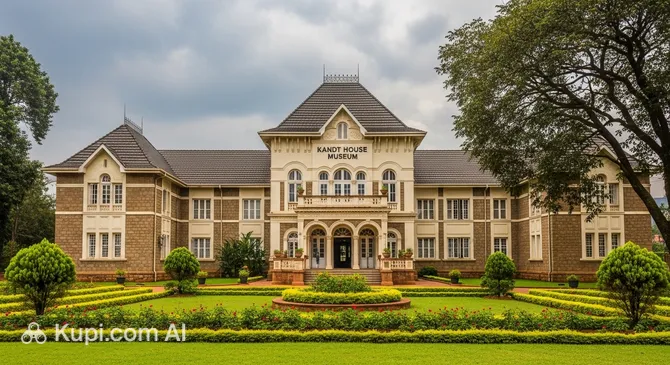
Located in the heart of Kigali, the Kandt House Museum is a unique blend of a historical monument and a scientific center. This site was once the home of Richard Kandt—a renowned German explorer and physician considered the founder of the capital. Today, the building has been transformed into a fascinating natural history museum, showcasing the rich heritage preserved within Rwanda.
Kandt House Museum. Illustration.
Source: Kupi.com AI
Traveller photos:
The museum's exhibitions are divided into several thematic zones covering the region's geology, flora, and fauna. Visitors can see rare minerals, learn about the country's unique landscape features, and get acquainted with the biodiversity of local forests and savannas. It is more than just a museum; it is a living chronicle of how Africa's wilderness coexists with the history of human discovery.
Despite its modest size, the Kandt House Museum is considered one of the city's most significant cultural attractions. Here, colonial-era history meets the study of natural heritage, creating a comprehensive picture of the region's development from the first expeditions to the present day.
Contacts
To plan your visit to the Kandt House Museum, it is helpful to have current contact information on hand. The museum is located in the central part of the capital, and you can always contact the administration for details regarding guided tours.
Inside the museum, visitors are treated to an exciting immersion into the world of African nature. One of the most popular sections is the local snake exhibition—where you can see rare and dangerous species native to the country’s forests in safe enclosures. This is a great opportunity to observe these creatures up close and learn about their role in the ecosystem.
History and geography enthusiasts will find the halls dedicated to mineral resources and topography particularly interesting. Informative tours in English, led by professional guides, will help you understand the nuances of the terrain of the "land of a thousand hills" and introduce you to the daily lives of the first explorers of these lands.
Don't forget to step into the courtyard and walk to the back of the building. From there, you can enjoy a magnificent panoramic view of the green hills surrounding Kigali. It is the perfect spot to take some beautiful photos and simply enjoy the peaceful atmosphere in the middle of the bustling capital.
Getting There
The museum is conveniently located in the central district of Kigali at KN 90 St. Due to its location, it is easily accessible for most tourists staying in the city center or visiting the main administrative quarters.
The most comfortable and reliable way to reach the site is by taxi or moto-taxi (locally known as "motos"), which are very popular in the capital. Many travelers also prefer to arrange a transfer directly through their hotel reception to avoid any difficulty finding the address.
Public transport is also available in the area, but for international guests, a taxi remains the most preferred option. It is worth noting that the museum is located just 1.7 km from another important city landmark, the Kigali Genocide Memorial, allowing you to combine a visit to both sites in a single day.
Nearest city: Kigali
History & Facts
The history of this site is inextricably linked to the birth of the modern capital. It was here, between 1907 and 1908, that German physician and explorer Richard Kandt founded Kigali, choosing it as the administrative center of German East Africa. His former residence now serves as the museum's walls, preserving the memory of those times.
Dr. Kandt himself was a remarkable individual. From 1897, he dedicated significant time and effort to scientific expeditions, attempting to discover the source of the great Nile River. His contributions to the study of the region's geography and nature became the foundation for many subsequent explorations across the African continent.
In 2008, the historic building was officially converted into the Natural History Museum. This transition allowed for the preservation of the unique colonial-era architecture while creating a space that tells the story not only of one man but also of the early development stages of the city as a major political and cultural hub.
Time Needed
To explore all the exhibitions at the Kandt House Museum at a relaxed pace, most visitors need between 1 and 2 hours. This is usually enough time to walk through all four galleries and listen to the guides' insights.
If your time in Kigali is very limited, the main exhibits dedicated to natural history and the colonial period can be seen in about 45 minutes. However, we recommend not rushing so you can enjoy the views from the museum terrace.
Working Hours
The museum welcomes guests daily, making it a convenient stop for any travel itinerary. The doors are open from Monday to Sunday, 09:00 to 17:00.
While the schedule is consistent, it is recommended to check the museum's official website or ask your guide before visiting, as opening hours may vary slightly during public holidays.
09:00–17:00
Nearby
Exploring the surroundings of the Kandt House Museum will allow you to dive deeper into the city's atmosphere and get a feel for its modern life. Nearby, you will find both historic streets and venues popular with locals and tourists alike.
Below are some interesting spots located within a few kilometers of the museum:
We use cookies and services to collect user information. This is essential for the functioning of the site and for marketing purposes. You can find out more in .
Other popular routes
Where travelers fly most — pick a route and check prices