Support

Sharurah

About

Sharurah is a captivating city situated in the southern reaches of the Najran Region in Saudi Arabia. Known affectionately as the "Bride of the Empty Quarter," this city serves as a vital gateway to one of the largest continuous sand deserts in the world. With a population of approximately 86,000 residents, it offers a unique blend of modern development and traditional desert culture, making it an intriguing stop for travelers exploring the kingdom's southern frontiers.
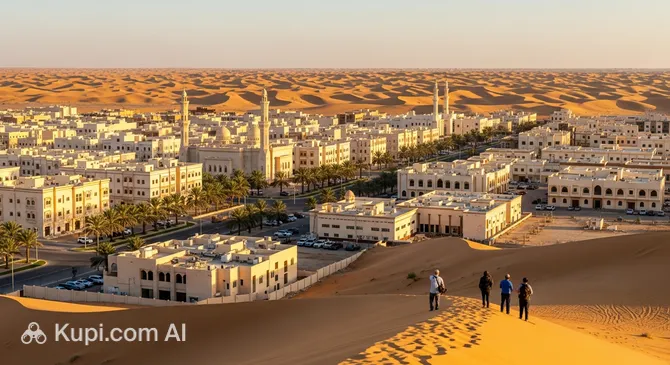
Sharurah. Source: Kupi.Binoculars

The city's strategic location near the border has significantly shaped its character and development. Visitors interested in the history of Sharurah will find that its heritage is closely tied to ancient trade routes and the resilient spirit of the Bedouin tribes who have thrived in this arid environment for generations. The climate here is typically desert-like, with hot summers and mild winters, creating a distinct atmosphere that highlights the raw and dramatic beauty of the surrounding landscape.

For those seeking adventure, Sharurah offers unparalleled access to the majestic dunes of the Rub' al Khali. It is a prime destination for desert camping, off-road driving, and witnessing breathtaking sunsets over the golden sands. Within the city, visitors can explore local markets that provide a glimpse into the daily life of the region, offering traditional crafts and hospitality that reflect the warmth of its people.

Whether you are a desert enthusiast or a traveler looking to experience a different side of the region, Sharurah welcomes you with open arms. Its unique position on the edge of the endless sands makes it a memorable destination for anyone willing to venture off the beaten path.
Weather Overview

Sharurah experiences a classic desert climate, defined by significant temperature variations between the seasons and arid conditions. The weather in Sharurah is consistently dry, with virtually no rainfall recorded throughout the year, ensuring clear blue skies for the vast majority of your visit.

Summers can be quite intense, particularly from June to August, when average temperatures rise to around 34°C and daytime highs often exceed 40°C. Winters, however, are much milder and more comfortable for exploration; in December and January, the average temperature settles near 18°C, with nights cooling down to approximately 11°C. Expect scorching hot summers with abundant sunshine and mild, dry winters perfect for desert adventures.

Interesting Facts

Beyond the golden dunes that define its horizon, Sharurah holds several intriguing aspects that are often overlooked by casual passersby. This desert outpost is not just a quiet town but a strategic and cultural hub with a unique identity shaped by its isolation.
  • Gateway for Expeditions: Due to its proximity to the heart of the Rub' al Khali, Sharurah frequently serves as the primary logistical base for scientific researchers and adventurers planning to penetrate the deep desert. It is the last stop for stocking up on fuel and water before expeditions search for meteorites or study the unique geological formations of the Empty Quarter.

  • A Vital Lifeline: The city is located just a short distance from the Al-Wadeah border crossing, which serves as the main land link between Saudi Arabia and Yemen. This strategic position makes the city a bustling transit point for trade and travelers moving between the two nations, adding a dynamic layer of cross-border culture to the local community.

  • An Artificial Oasis: Despite the extreme aridity of the region, the city has invested heavily in creating green spaces to combat the desert environment. Visitors are often surprised to find well-maintained public parks and tree-lined streets that stand in stark contrast to the endless yellow sands surrounding the urban area.

  • Camel Heritage: The region is home to some of the most prized camel breeds in the Arabian Peninsula, adapted specifically for the harsh conditions of the Empty Quarter. Local gatherings and informal auctions often revolve around these "ships of the desert," reflecting a tradition that has remained unchanged for centuries.

How to Get There

Planning a trip to the "Bride of the Empty Quarter" is the first step of your adventure. While the city is remote, it is well-connected by air, making it accessible for visitors. You can find more detailed options and routes on our dedicated page about how to get to Sharurah.

The most direct way to arrive is via Sharurah Airport (SHW), located just 2.1 km from the city center. This regional airport serves as the primary gateway for residents and tourists, offering connections to major Saudi cities. Due to its close proximity to the town, the transfer is very quick; a taxi ride to your hotel or the city center typically takes only about 5 minutes.

If direct flights are unavailable, you can fly into Najran Airport (EAM) in the city of Najran, which is approximately 287 km from Sharurah. This is a larger airport with higher passenger traffic and more frequent flight options. From Najran, you can rent a car or take a taxi for the journey across the desert highway, which generally takes around 3 to 4 hours.

For clarity, here is a summary of the main airports:

Airport Name City Passenger Traffic Km from City
Najran Airport Najran Large 286.7
Seiyun Airport Sayun Medium 245.0
Sharurah Airport Sharurah Small 2.1

Main Attractions

Sharurah offers a unique set of attractions that revolve primarily around its dramatic desert landscape and the vibrant local culture that thrives within it. While the city is small, it serves as the ultimate launchpad for desert adventures and provides a few modern comforts for travelers passing through the region.

The most prominent attraction is undoubtedly the Rub' al Khali (The Empty Quarter). As the city is known as the "Bride of the Empty Quarter," it is the ideal starting point for excursions into the world's largest continuous sand desert. Tourists flock here to witness the towering, reddish-gold sand dunes that stretch as far as the eye can see. It is a prime location for off-road driving, camel trekking, and camping under a pristine, star-filled sky, offering a profound sense of solitude and connection with nature.

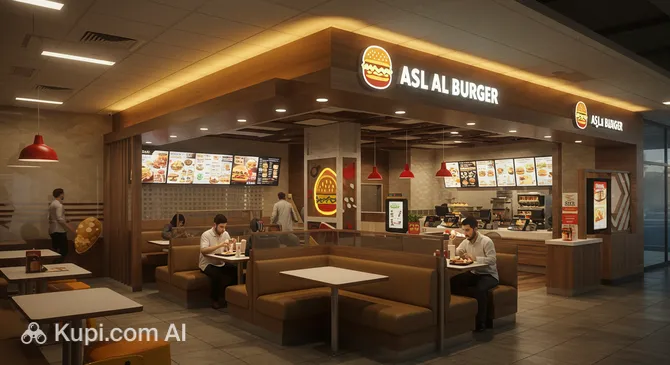
For a taste of the local modern lifestyle and a hearty meal after a day in the dunes, visitors can stop by Asl Al Burger. This dining spot is popular among locals and travelers alike, offering a relaxed atmosphere where you can refuel. It represents the growing development of the city, providing quality comfort food and a friendly environment to unwind.

Asl Al Burger. Source: Kupi.Binoculars

Another key aspect of the city is its local markets (Souqs). These bustling hubs allow tourists to experience the traditional side of Sharurah. Here, you can find authentic Bedouin handicrafts, local spices, and traditional fabrics. The markets are not just places for shopping but are social centers where the hospitality of the local people is on full display, offering a glimpse into the heritage of the southern tribes.

Finally, the city's public parks offer a refreshing contrast to the arid surroundings. Green spaces like King Abdulaziz Park serve as community gathering spots where families enjoy picnics and evening strolls. These well-maintained gardens are a testament to the city's efforts to bring life and color to the desert environment, providing a cool and relaxing setting for visitors to rest.

Local Cuisine

The culinary scene in Sharurah is a reflection of its deep Bedouin roots and its location in the Najran Region, offering hearty and flavorful dishes designed to sustain life in the desert. The local diet is heavily focused on meat, rice, and wheat, prepared with aromatic spices that define the taste of the southern Arabian Peninsula. Visitors will find that food here is not just about sustenance but is a central part of the warm hospitality for which the region is famous.

One dish you simply must try is Mandi or Haneeth. Given the city's proximity to Yemen and its southern heritage, these dishes are prepared with exceptional skill here. The meat, usually lamb or chicken, is slow-cooked in a tandoor (a clay oven often buried in the ground), resulting in incredibly tender textures and a smoky flavor. It is typically served over a bed of spiced basmati rice, often accompanied by spicy tomato salsa known as sahawiq. Another staple is Kabsa, the national dish of Saudi Arabia, which features mixed rice, meat, vegetables, and a blend of spices like cardamom, saffron, and black lime.

When it comes to beverages, the culture is dominated by traditional hot drinks. A meal or a guest's visit almost always begins with Arabic coffee (Gahwa), served in small cups and flavored with cardamom and sometimes saffron. It is traditionally paired with high-quality dates, which are abundant in the region. Tea is also very popular, often served black with mint or sweetened milk (Karak tea). As with the rest of Saudi Arabia, alcohol is strictly prohibited, so the "local drinks" are entirely non-alcoholic, including refreshing juices and yogurt-based drinks like Laban.

The dining culture in Sharurah ranges from traditional floor-seating restaurants, where meals are shared from a large communal platter, to growing modern options. For a quick and casual meal that highlights the city's modernizing palate, you can visit Asl Al Burger. Places like this are becoming increasingly popular among the younger generation and tourists looking for familiar comfort food amidst the traditional offerings. Whether you choose a roadside eatery or a modern restaurant, the portions are generous, reflecting the local spirit of generosity.

Travel Tips

Visiting Sharurah invites you to experience the authentic spirit of the Arabian desert, but the city's remote location and traditional character require a bit of preparation. These practical tips will help you navigate the local customs and harsh environment smoothly, ensuring your adventure in the "Bride of the Empty Quarter" is both respectful and enjoyable.

  1. Clothing and Gear: Given the extreme desert climate, lightweight, loose-fitting cotton clothing is essential to stay cool during the day. However, desert nights in winter can get surprisingly cold, so packing a warm jacket is smart. As Sharurah is a conservative city, modest dress is expected; men should wear long trousers, and while the strictness of dress codes has relaxed in the Kingdom, women are advised to wear loose clothing that covers the arms and legs (an abaya is respectful and common). Don't forget high-SPF sunscreen, sunglasses, and a hat to protect against the intense sun.
  2. Transportation: Public transport options like buses are virtually non-existent for tourists within the city. The most practical way to get around is by renting a car. If you plan to explore the surrounding desert or the Rub' al Khali, a 4x4 vehicle is absolutely mandatory. Taxis are available, and ride-hailing apps may work but can be less reliable than in major cities like Riyadh, so having your own vehicle gives you the most freedom.
  3. Finances: The local currency is the Saudi Riyal (SAR). While modern supermarkets and hotels accept credit cards, smaller shops, local souqs, and gas stations on the outskirts often prefer or require cash. ATMs are widely available throughout the city. Tipping is not mandatory but is appreciated; rounding up the bill or leaving 10-15% in restaurants is a kind gesture.
  4. Health and Safety: Sharurah is generally very safe, but the desert environment poses natural risks. Dehydration happens quickly, so carry water with you at all times. Pharmacies are easy to find in the city center for basic needs. Be cautious when driving near the dunes; never venture deep into the desert without an experienced guide and a convoy of vehicles, as getting stuck in the sand is a real danger.
  5. Communication: Arabic is the primary language, and English proficiency may be lower here than in major tourist hubs. Learning a few basic phrases like "Shukran" (Thank you) can go a long way. It is highly recommended to buy a local SIM card (STC, Mobily, or Zain) at the airport or in town, as reliable mobile data is crucial for navigation and translation apps.
  6. Local Etiquette: Hospitality is a cornerstone of life in Sharurah. If you are offered Arabic coffee (Gahwa) and dates, accept them graciously, as refusing can be seen as impolite. Greetings are important; a friendly "As-salamu alaykum" (Peace be upon you) is the standard way to say hello. Be mindful of gender segregation norms in some traditional restaurants or family sections.
  7. What to Avoid: strictly avoid taking photographs of local residents, especially women, without explicit permission. It is also important to respect the prayer times; during these short intervals (five times a day), shops and businesses may close briefly, so avoid banging on doors or demanding service during these pauses.
  8. Additional Tip: Since Sharurah is a border city, there are checkpoints in the region. Always carry your passport and visa documents with you when driving outside the city limits to ensure hassle-free travel through any security stops.

By keeping these practicalities in mind, you will be well-equipped to embrace the unique charm of Sharurah. A little preparation allows you to focus on the stunning landscapes and the incredible warmth of the people who call this desert frontier home.

Entertainment & Nightlife

In Sharurah, the concept of nightlife is deeply rooted in traditional Arabian culture and the rhythms of desert life. You will not find nightclubs, bars, or discos here, as alcohol is strictly prohibited throughout Saudi Arabia and the local atmosphere is conservative. Instead, the city comes alive after the sun sets and the temperatures drop, with "nightlife" centering on socializing in coffee shops, dining late into the night, and spending time with family and friends in public spaces.

The main hub of activity is often along the city's central thoroughfares, such as King Abdulaziz Street. Here, the streets bustle with energy as locals cruise in their cars, visit shops that stay open late, or gather at cafes to watch football matches and chat over cups of tea and Arabic coffee. The atmosphere is relaxed and communal, with venues typically remaining open well past midnight, especially on weekends. The dress code is modest; men usually wear thobes or long trousers, and women wear abayas.

For a taste of the local evening scene, you can visit Asl Al Burger. This spot has become a popular gathering place for young people and families looking for a casual dinner in a modern setting. It represents the shifting dynamics of the city, offering a lively environment where you can enjoy a meal while observing the local crowd. Another key venue for evening entertainment is King Abdulaziz Park. In the evenings, this green space fills with families enjoying picnics on the grass, children playing, and walkers enjoying the cool night breeze, making it a safe and pleasant area for a night walk.

Practical advice for enjoying your evenings here includes heading out after 8:00 PM, when the city is most active. Prices for dining and coffee are generally very affordable compared to larger cities. Taxis are available, but having your own car is the most convenient way to hop between cafes and parks. The city is extremely safe at night, with low crime rates, though visitors should always be respectful of local customs and privacy.

While the nights are for socializing, daytime entertainment in Sharurah is quieter due to the heat. During the day, entertainment is limited mostly to indoor shopping or preparing for desert excursions. There are no large amusement parks or major museums within the town itself; the primary daytime attraction remains the surrounding desert landscape, which is best explored in the early morning or late afternoon to avoid the midday sun.

Parks & Museums

While Sharurah is best known as the gateway to the vast Empty Quarter, the city offers a surprising number of green sanctuaries that stand in stark contrast to the surrounding golden dunes. These public spaces are not just recreational areas but are vital "green lungs" for the community, showcasing the region's determination to cultivate life in an arid environment.

King Abdulaziz Park is the city's premier outdoor destination and a testament to this greening effort. Far more than just a patch of grass, it serves as the beating heart of Sharurah's social life, particularly after sunset when the desert heat subsides. Locals flock here to enjoy the cooler evening temperatures, spreading out picnic mats on the well-maintained lawns while children run freely in the open spaces. With its paved walking paths and shaded areas, the park offers a refreshing visual break from the desert landscape, providing a serene environment where the community connects and unwinds.

Beyond the main central park, Sharurah is dotted with various neighborhood green spaces and smaller gardens designed to serve local families. These pockets of greenery often feature playgrounds and seating areas, acting as safe havens for children to play and for neighbors to socialize. These scattered oases contribute significantly to the city's livability, offering accessible spots for an evening stroll or a quiet cup of tea amidst the rustling leaves, right in the heart of the residential districts.

Although Sharurah does not boast large formal museums with glass cases and ticket counters, the city's culture is best experienced as a "living museum" in its traditional Souq (market). A walk through these bustling lanes offers a more authentic glimpse into local history than any static exhibit could. Here, you can find traditional Bedouin handicrafts, aromatic spices, and regional fabrics, all while observing the daily customs and warm hospitality that have defined this trade route stopover for generations.

Ultimately, the most impressive natural "park" is the city's immediate surroundings. The transition from the manicured gardens of the city center to the raw, untamed beauty of the Rub' al Khali desert is a unique spectacle. For nature lovers, this juxtaposition—where urban greenery meets the endless sands—defines the visual and cultural identity of Sharurah, offering an open-air gallery of geological wonders.

Getting Around

The public transport infrastructure in Sharurah is quite limited compared to major metropolitan hubs, reflecting the city's nature as a remote desert community rather than a bustling urban center. Tourists should be aware that there are no metro systems, trams, or extensive municipal bus networks operating within the city limits. The primary mode of getting around for locals and visitors alike is by private vehicle, making the transport landscape very car-centric.

For those without a personal vehicle, taxis serve as the main substitute for public transportation. You will see marked taxis, often white or green, circulating in the city center and near major landmarks like the airport or markets. While ride-hailing apps such as Uber and Careem are widely used in larger cities in the region, their availability in Sharurah can be sporadic. It is often more reliable to flag down a taxi on the street or ask your hotel reception to arrange a trusted driver for you.

Regarding payments, cash remains the most reliable method for settling fares in local taxis. While the digital payment infrastructure is growing, many independent taxi drivers in smaller towns still prefer or require cash (Saudi Riyals). If you manage to book a ride through an app, credit card payments are processed automatically, but for street-hailed cabs, it is essential to carry small denominations. Fares are generally reasonable, but it is always wise to confirm the price or ensure the meter is running before starting your journey.

Given the scarcity of public transit options, the most practical alternative—and arguably the best advice for any tourist—is to rent a car. This offers the freedom to explore the city and its surrounding desert landscapes at your own pace, without relying on the unpredictable availability of taxis. Rental agencies are available at the airport and in the town center. If you choose this option, ensure you have a valid international driving permit and are comfortable driving in a desert environment.

Walking or cycling is generally not considered a viable mode of transport due to the city's layout and the intense desert climate, particularly during the day. Distances between points of interest can be significant, and pedestrian infrastructure is limited outside of parks and the immediate souq areas. Therefore, planning your transport method in advance—whether securing a rental car or establishing a contact with a local taxi driver—is crucial for a smooth visit.

Accommodation

Where to Stay:

Accommodation in Sharurah reflects its status as a remote desert outpost and a transit hub rather than a luxury tourist destination. The options here are functional and modest, consisting primarily of mid-range hotels and furnished apartments (often referred to as "aparthotels"). You will not find sprawling international 5-star resorts or backpacker hostels; instead, the city caters largely to travelers crossing the border, business visitors, and desert explorers looking for a comfortable place to rest before or after their expeditions.

Most lodging options are conveniently clustered along the city's main arteries, particularly near King Abdulaziz Street. Staying in this central area is highly recommended as it keeps you close to local restaurants, supermarkets, and the commercial souq. The city is compact, so regardless of where you book, you will be within a short drive of the airport and the main roads leading out to the dunes of the Empty Quarter.

When planning your stay, it is helpful to know that prices in Sharurah are generally budget-friendly compared to major Saudi cities like Riyadh or Jeddah. The cost of a night's stay is usually quite reasonable, offering good value for money. While major online booking platforms list some of the larger hotels, many local furnished apartments operate offline or via direct phone reservations. For the best experience, it is advisable to book in advance, especially during public holidays or the cooler winter months when desert tourism peaks, as the limited number of high-quality rooms can fill up quickly.

Nearby Cities

Sharurah is located in one of the most remote parts of Saudi Arabia, deep within the Najran Region and on the edge of the vast Empty Quarter. Due to this unique geographical position, the city is quite isolated, and what are considered "nearby" cities are actually located at significant distances. Travelers planning to explore beyond Sharurah should be prepared for long journeys across the desert landscape to reach other major urban centers.

The following table lists some of the cities in the wider region, along with their population and distance from Sharurah:

City Population Distance (km)
Sabya 228,375 479
Abha 236,157 495
Al Mubarraz 298,562 534
Al Qunfudhah 300,516 664
Al Kharj 376,325 739

Among these, Abha and Sabya are the closest major destinations listed, located to the west in the mountainous Asir and coastal Jizan regions, respectively. Reaching them involves driving through some of the Kingdom's most dramatic scenery. Al Mubarraz lies to the northeast across the sands, while Al Kharj is situated far to the north near the capital, Riyadh.

Shopping & Souvenirs

Shopping in Sharurah offers a distinct experience that contrasts with the glitzy, high-end malls found in Saudi Arabia's larger metropolitan areas. Here, retail therapy is less about luxury fashion brands and more about immersing yourself in the local culture and daily life of a desert community. The city provides a mix of modern conveniences and traditional trade, allowing visitors to find everything from travel essentials to authentic regional goods.

The commercial heart of the city beats strongest along King Abdulaziz Street. This main thoroughfare serves as the primary shopping district, lined with a variety of small shops, electronics stores, and clothing boutiques. It is a bustling strip where locals go for their everyday needs, and for a tourist, it is an excellent place to observe the local pace of life. Walking down this street, you will find independent retailers selling traditional Saudi attire alongside modern accessories.

While Sharurah does not boast the massive mega-malls seen in Riyadh or Jeddah, it does feature several commercial centers and shopping plazas that offer a comfortable, air-conditioned environment. These smaller malls typically house supermarkets, family clothing stores, and perfumeries. They serve as community hubs where families gather, especially during the hot afternoon hours, providing a modern retail experience on a scale that fits the town's size.

For a more authentic glimpse into the region's heritage, the traditional Souqs (markets) are the most interesting places to visit. These markets are vibrant and aromatic, filled with the scents of exotic spices, oud, and incense (bukhoor). The souq is where the desert culture truly comes alive, offering stalls stacked with colorful fabrics, traditional sandals, and household goods used by the Bedouin tribes. It is a sensory experience that connects you directly to the history of this trade route stopover.

When looking for souvenirs, the best items to bring back from Sharurah are those that reflect its desert identity. High-quality dates are a staple of the region and make for a delicious gift. Additionally, traditional Arabic perfumes and oud wood are widely available and highly prized. For something more tangible, look for Bedouin handicrafts or a traditional dallah (coffee pot), which symbolizes the warm hospitality you will likely encounter during your stay.

Store opening hours in Sharurah generally follow the traditional split-shift pattern common across the Kingdom. Shops typically open from around 9:00 AM to 12:00 PM, close for the afternoon rest, and reopen from 4:00 PM until 11:00 PM or midnight. Large supermarkets may stay open throughout the day. regarding payment methods, while modern shopping centers and larger stores accept credit and debit cards, cash (Saudi Riyal) is still king in the smaller souqs and independent shops, so it is wise to carry some change.

Tourists visiting Saudi Arabia are eligible for a VAT refund on qualifying purchases. The standard Value Added Tax is 15%. While you likely won't find dedicated tax-refund desks within Sharurah's local shops, you should save your receipts if you plan to claim a refund at the designated points at major international airports upon your departure from the Kingdom.

Nearby cities

Reached the end of the page?

That means the route is fully explored