Support

Wadi ad-Dawasir

About

Wadi ad-Dawasir is a captivating destination that offers a unique glimpse into the heart of the Arabian Peninsula. Situated in the Riyadh Province, this city is more than just a settlement; it is a vital agricultural oasis and a gateway to the vast desert landscapes of Saudi Arabia. With a population of over 100,000 residents, it serves as a bustling hub where traditional Bedouin hospitality meets the rhythms of modern life.

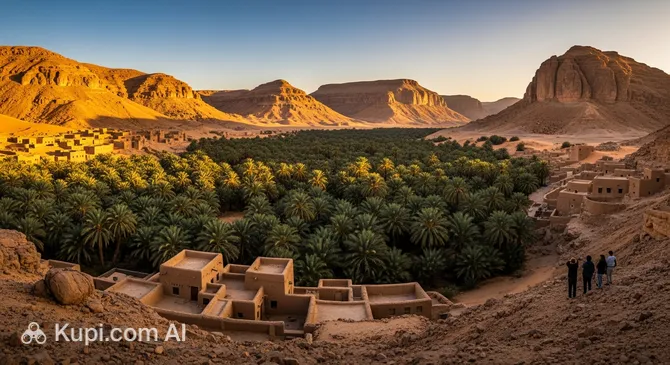
The region is steeped in tradition, with a legacy that dates back centuries. Visitors interested in the deep roots of the area can explore the fascinating history of Wadi ad-Dawasir, which reveals its former importance as a crucial stopping point on ancient trade routes. The city is named after the valley (wadi) and the Dawasir tribe, highlighting the enduring connection between the land and its people. Geographically, it sits on the edge of the famous Empty Quarter, offering dramatic sand dune scenery that contrasts beautifully with lush green farms.

Wadi ad-Dawasir. Source: Kupi.Binoculars

Travelers are often drawn to the area's archaeological richness and cultural landmarks. One of the key highlights is the historic King Abdulaziz Palace, a mud-brick structure that stands as a testament to the region's architectural heritage. Additionally, the city is a perfect starting point for desert adventures, including safaris into the mesmerizing Rub' al Khali. The local camel races are also a thrilling spectacle, showcasing a sport that is deeply embedded in the local culture.

Whether you are a history buff, a nature enthusiast, or simply looking to experience the authentic warmth of Saudi hospitality, Wadi ad-Dawasir welcomes you. It is a place where the golden sands meet green palms, inviting you to discover a side of the Kingdom that is both serene and historically profound.

Weather Overview

The local climate is defined by its desert setting, characterized by intense heat in the summer and mild, pleasant conditions during the winter. Rainfall is exceptionally rare in this region, ensuring that sunny skies are the norm for visitors throughout the year. To pack appropriately for your trip, it is beneficial to review the detailed trends for the weather in Wadi ad-Dawasir before you travel.

Summers, spanning from June to August, are sweltering, with average temperatures peaking at 36.0°C in July. Daytime highs frequently climb to around 43.2°C, while nights remain warm, typically staying above 26°C. This period is best suited for indoor activities or exploring during the cooler early morning and late evening hours.

Winter brings a welcome relief from the heat, particularly in December and January, when average temperatures settle comfortably between 17°C and 18°C. Nights can feel brisk, with lows dropping to around 10.7°C in January. Overall, you can expect scorching, arid summers and cool, dry winters with virtually no precipitation year-round.

Interesting Facts

Beyond its role as a desert crossroads, Wadi ad-Dawasir holds several intriguing secrets that surprise many visitors. Uncovering these hidden gems reveals a destination rich in ancient mysteries, unique agricultural feats, and distinct local traditions.

  • The city serves as the primary gateway to the legendary Qaryat Al-Faw, often referred to as the "Atlantis of the Sands." This archaeological site was once the thriving capital of the Kindah Kingdom and a wealthy trade hub, now offering a rare window into pre-Islamic civilization buried beneath the dunes.

  • Wadi ad-Dawasir is famous for its "Green Circles," a phenomenon best viewed from the sky. These massive, perfect geometric shapes are actually agricultural fields created by center-pivot irrigation systems, allowing the arid desert to produce significant amounts of wheat and fodder by tapping into deep underground aquifers.

  • The region is a prestigious center for breeding Majahim, or "black camels." These dark-coated camels are highly prized in the Arabian Peninsula and often command millions at local auctions and beauty pageants, distinguishing them from the more common light-colored breeds found elsewhere.

  • Just south of the city lies the Uruq Bani Ma'arid protected area, a sanctuary situated on the edge of the Empty Quarter. It is one of the few places in the world where the majestic Arabian Oryx and sand gazelles have been successfully reintroduced to roam freely in their natural, rugged habitat.

How to Get There

Planning a trip to this fascinating region begins with deciding how to arrive. While you can read more about how to get to Wadi ad-Dawasir on our detailed page, the most common and convenient option for visitors is air travel, given the vast distances involved in crossing the Arabian Peninsula.

The city is served by Wadi al-Dawasir Domestic Airport (IATA: WAE), which is located just outside the main urban area. This airport operates regular flights connecting to key Saudi hubs, primarily Riyadh and Jeddah. International tourists typically fly into King Khalid International Airport in Riyadh or King Abdulaziz International Airport in Jeddah first, and then transfer to a short domestic flight to reach the valley comfortably.

For those who prefer ground transport, Wadi ad-Dawasir is connected by a well-maintained highway system, though it does not have a passenger railway station. The city sits on the main route linking the capital, Riyadh, to the southern province of Najran. The drive from Riyadh takes approximately six to seven hours, offering a scenic journey through the desert. Intercity buses also operate on this route, providing an affordable alternative for travelers.

Main Attractions

Wadi ad-Dawasir offers a compelling mix of historical depth and natural splendor, making it a unique stop for travelers exploring the southern reaches of the Kingdom. From ancient trade hubs to vast desert sanctuaries, the city and its surroundings provide a window into both the heritage and the wild beauty of the Arabian Peninsula.

King Abdulaziz Palace stands as a proud symbol of the region's history and architectural identity. Also known as the Old Emirate Palace, this mud-brick structure was built in the early 20th century and served as a center of governance and a residence. Visitors are often struck by its traditional Najdi design, featuring high walls, defensive towers, and intricate wooden details. It offers a tangible connection to the era of the Kingdom's unification and provides excellent photo opportunities for those appreciating authentic desert architecture.

For history enthusiasts, the archaeological site of Qaryat Al-Faw is an absolute must-visit. Located just south of the city, this ancient capital of the Kindah Kingdom was once a thriving commercial hub on the incense trade route. Recently inscribed as a UNESCO World Heritage Site, it is often referred to as the "Atlantis of the Sands." Tourists can explore the remnants of palaces, temples, and markets that have been preserved by the desert sands for centuries, offering a rare glimpse into a pre-Islamic civilization that flourished in the heart of Arabia.

Nature lovers will find a haven at the 'Uruq Bani Ma'arid Reserve, situated on the western edge of the Empty Quarter (Rub' al Khali). This protected area is famous for its dramatic landscape of limestone escarpments meeting towering sand dunes. It is one of the few places where visitors can see the majestic Arabian Oryx and sand gazelles roaming freely in their natural habitat. The reserve offers an unforgettable desert experience, perfect for wildlife watching and witnessing the breathtaking silence of the world's largest sand desert.

To dive deeper into local culture, a visit to the Al-Sadriya Museum is highly recommended. This private museum houses a vast collection of artifacts, including rare coins, ancient manuscripts, and traditional weapons. It serves as a treasure trove of local heritage, allowing tourists to see the tools, clothing, and everyday items that defined life in the valley generations ago. The personal touch of the collection adds a layer of warmth and authenticity to the visitor experience.

Local Cuisine

The local cuisine of Wadi ad-Dawasir offers a flavorful journey that mirrors the region's agricultural abundance and deep Bedouin roots. As a major farming hub in the desert, the city is known for the freshness of its ingredients, particularly its high-quality dates, wheat, and locally raised livestock. Food here is hearty, aromatic, and traditionally served in generous portions that reflect the legendary hospitality of the Dawasir people.

Visitors should prioritize trying Kabsa, the quintessential Saudi dish comprising spiced long-grain rice served with tender chicken or lamb. However, given the region's fame for camel breeding, the true local delicacy is Hashi (young camel meat). Often prepared as a rich stew or served atop a bed of rice, camel meat is prized for its lean texture and distinct flavor. Another traditional favorite is Matazeez, a comforting stew made with vegetable broth and small pieces of whole-wheat dough, showcasing the wheat grown in the valley's circular fields.

When it comes to beverages, the culture revolves around warm hospitality and non-alcoholic refreshments, as alcohol is strictly prohibited throughout Saudi Arabia. The traditional welcome drink is Gahwa (Arabic coffee), a yellowish brew spiced with cardamom and saffron, always served with a side of sweet local dates. For a truly authentic experience, adventurous travelers can try fresh camel milk, which is widely available and considered a nutritious staple by the locals. Sweet mint tea and chilled Laban (fermented yogurt drink) are also popular choices to beat the desert heat.

The food culture in Wadi ad-Dawasir is communal and relaxed. While there are modern restaurants, the most authentic meals are often found in traditional eateries where diners sit on carpeted floors and share large communal platters. It is customary to eat with the right hand. Exploring the local fruit and vegetable markets is also a gastronomic treat, where you can taste the region's seasonal produce, including sweet watermelons and citrus fruits, straight from the nearby farms.

Travel Tips

Visiting Wadi ad-Dawasir offers a rewarding journey into the heart of the Arabian desert, but the region's remote nature and deep-rooted traditions require some thoughtful preparation. These practical tips are designed to help you navigate the local customs and environment smoothly, ensuring your adventure is both comfortable and respectful.

  1. Dress modestly and for the climate. As this is a traditional region of Saudi Arabia, conservative attire is essential. Men should wear long trousers, while women are advised to wear loose-fitting clothes that cover the arms and legs; wearing an abaya is a gesture of respect that is appreciated by locals. Since temperatures can soar during the day and drop sharply at night (especially in winter), pack breathable fabrics like cotton and linen, along with a warm layer for the evenings.

  2. Rent a car for freedom of movement. Public transport options like buses or taxis are very limited within the city and practically non-existent for reaching outlying attractions like the Uruq Bani Ma'arid reserve. Renting a vehicle is the most practical way to get around. If you plan to explore the desert landscapes or archaeological sites, a 4x4 vehicle is highly recommended to handle the sandy terrain.

  3. Keep cash handy. While credit cards are increasingly accepted in hotels and supermarkets, Wadi ad-Dawasir retains a traditional economy in many sectors. You will need the local currency, the Saudi Riyal (SAR), for small shops, gas stations on the outskirts, and especially at the local camel markets where electronic payments are rare. ATMs are available in the town center.

  4. Prioritize hydration and sun protection. The desert air is extremely dry, and dehydration can happen quickly without you noticing. Always carry more water than you think you need, especially on excursions. A high-quality sunscreen, sunglasses, and a wide-brimmed hat are indispensable accessories to protect yourself from the intense sun.

  5. Prepare for a language barrier. While hotel staff may speak English, it is less common among shopkeepers and in rural areas. Having a translation app on your phone is very useful. It is also a good idea to buy a local SIM card (STC, Mobily, or Zain) upon arrival in the Kingdom to ensure you have internet access for maps and communication.

  6. Observe local social etiquette. Greetings are important here; a simple "As-salamu alaykum" (Peace be upon you) goes a long way. Be mindful that social interactions can be more formal than in the West. Always use your right hand for eating or passing items to others, as the left hand is considered unclean.

  7. Be cautious with photography. Never take photos of people, especially women, without their explicit permission. It is considered a serious breach of privacy. Additionally, avoid pointing your camera at government buildings, police stations, or military installations to avoid any misunderstandings with authorities.

  8. Plan around the afternoon break. Life in Wadi ad-Dawasir often pauses during the hottest part of the day. Many shops and local businesses close in the afternoon (roughly from 1:00 PM to 4:00 PM) and reopen in the evening when the weather is cooler. Plan your outdoor activities for the early morning and your shopping or dining for the evening.

By keeping these tips in mind, you will be well-equipped to enjoy the serene beauty and rich heritage of Wadi ad-Dawasir. Embrace the slower pace of desert life, and you will find that the warmth of the local hospitality makes every mile of the journey worth it.

Entertainment & Nightlife

Nightlife in Wadi ad-Dawasir offers a distinct cultural experience that contrasts sharply with Western concepts of evening entertainment. Due to the strict laws of Saudi Arabia, you will not find nightclubs, bars, or discos here, and alcohol is prohibited. Instead, the "nightlife" is a vibrant, social affair centered around late-night dining, bustling coffee shops, and gathering in open spaces to enjoy the cooler evening temperatures. The atmosphere is family-oriented and relaxed, with locals staying out well past midnight, especially on weekends, to socialize over cups of aromatic Arabic coffee and sweet tea.

The primary hub for evening activity is the area along King Abdulaziz Road. This main artery comes alive after sunset, lined with brightly lit restaurants, fast-food joints, and modern cafes. It is common to see groups of friends and families cruising down this street or parking to pick up snacks and drinks. The crowd is a mix of locals in traditional thobes and visitors, all enjoying the slow-paced, welcoming vibe. For a taste of the local social scene, you can visit popular gathering spots like Alma Coffee Shop, Valley Cafe, or the familiar Dunkin', where the youth and professionals congregate to chat and relax in a modern setting.

For a more traditional evening, many visitors and locals head to the desert outskirts for a "Kashtah" (camping picnic). Setting up a carpet on the sand under the stars, lighting a fire, and preparing fresh tea or dinner is the quintessential nightlife experience in Wadi ad-Dawasir. It is safe, serene, and offers a connection to the Bedouin way of life that indoor venues cannot match. If you prefer staying in town, public parks such as the Wadi ad-Dawasir Public Park provide green spaces where families gather for picnics while children play, creating a lively community atmosphere until late hours.

From a practical standpoint, the best time to head out is after the Isha prayer (around 8:00 PM), and many places remain open until 1:00 AM or 2:00 AM. Prices are generally affordable, with a coffee or meal costing significantly less than in major cities like Riyadh. Dress modestly; men should wear long trousers, and women should wear loose-fitting clothing or an abaya. The city is very safe for night walks in populated areas, but it is advisable to use a car to get around due to the spread-out nature of the city. Ride-hailing apps may be available, but renting a car or arranging a private taxi is the most reliable method of transport.

While the nights are for socializing, daytime entertainment in Wadi ad-Dawasir offers its own charm. Before the sun sets, you can explore local heritage at the museum or visit the bustling camel markets, which are among the largest in the Kingdom. These daytime activities provide a perfect cultural prelude to the relaxed, hospitality-focused evenings that define this desert city.

Parks & Museums

While Wadi ad-Dawasir is primarily known for its vast agricultural landscapes and desert surroundings, the city and its vicinity offer a selection of green spaces and cultural institutions that provide deep insight into the region's heritage. Visitors will find that the area's "parks" are often defined by the natural beauty of the oasis and the dramatic desert dunes, while its museums serve as custodians of Bedouin history and ancient civilizations.

For those seeking immersion in nature, the 'Uruq Bani Ma'arid Reserve is the most significant natural area in the region. Located on the western edge of the Empty Quarter, this protected sanctuary offers a pristine environment where limestone formations meet endless sand dunes. It is a vital habitat for reintroduced wildlife, such as the Arabian Oryx and sand gazelles. Closer to the city center, local families frequent the Wadi ad-Dawasir Public Park. This municipal green space provides a welcome respite from the arid climate, featuring playgrounds, walking paths, and shaded areas perfect for evening picnics and social gatherings.

The cultural heart of the city is best experienced through its historical sites and museums. The King Abdulaziz Palace, often referred to as the Old Emirate Palace, is a standout architectural landmark. Built using traditional mud-brick techniques, this historic administrative center allows visitors to walk through the corridors of power from a bygone era, showcasing the classic Najdi style with its defensive towers and triangular windows. It stands as a living museum of the region's political and social history following the unification of Saudi Arabia.

Another essential stop for culture enthusiasts is the Al-Sadriya Museum. This private museum is a labor of love that preserves the folklore and daily life of the valley's ancestors. The collection includes a wide array of artifacts, from ancient coins and manuscripts to traditional Bedouin tools, weaponry, and clothing. It offers an intimate look at how the people of Wadi ad-Dawasir lived, worked, and thrived in this challenging environment centuries ago.

History buffs should not miss the archaeological site of Qaryat Al-Faw, located south of the city. As the former capital of the Kindah Kingdom, this open-air historical site reveals the remnants of a wealthy trade hub that once controlled the incense routes. Exploring the excavated market areas, temples, and residential quarters provides a fascinating perspective on pre-Islamic civilization in the Arabian Peninsula.

For a truly unique experience, consider visiting one of the local agricultural farms. While not a public park in the traditional sense, the massive circular wheat fields and palm groves offer a stunning visual contrast to the surrounding desert. Many local farmers are hospitable and may allow visitors to see the irrigation systems and date palms up close, offering a glimpse into the "Green Circles" phenomenon that sustains the region.

Getting Around

Navigating Wadi ad-Dawasir requires some planning, as the city is geographically spread out along the valley. Unlike the compact city centers found in other parts of Saudi Arabia, this area consists of a series of neighborhoods and agricultural zones stretching for dozens of kilometers. Consequently, public transportation options like buses are virtually non-existent within the town itself, and walking is often impractical due to the considerable distances and the desert heat.

For most travelers, renting a car is the most practical and convenient choice. Rental agencies can be found at the airport and in the main commercial areas of the city. Having a private vehicle allows you the freedom to travel between the historic palaces, the museum, and the outlying desert attractions such as the 'Uruq Bani Ma'arid Reserve. The road network is well-maintained, with King Abdulaziz Road serving as the primary artery connecting the various districts.

Local taxis are an alternative for those who prefer not to drive. However, visitors should be aware that these taxis typically do not use meters. It is essential to negotiate and agree on a fare with the driver before entering the vehicle. While ride-hailing apps are ubiquitous in major Saudi hubs, their service in Wadi ad-Dawasir may be limited or unreliable, so it is wise to have cash on hand for traditional taxis.

Driving in the region is generally relaxed due to low traffic volumes, but it comes with specific local precautions. When driving on the outskirts of the city or near the desert, always be vigilant for camels crossing the road, which is a common hazard in this area. It is highly recommended to avoid driving at high speeds at night when visibility is reduced, ensuring a safe journey through this scenic valley.

Accommodation

Accommodation in Wadi ad-Dawasir is primarily designed to cater to travelers passing through the region or visiting for business and family purposes. The city does not typically offer ultra-luxury resorts or high-end international chains. Instead, visitors will find a practical selection of mid-range hotels and numerous furnished apartment complexes (aparthotels). These furnished units are particularly popular in the region, offering spacious living areas and kitchenettes, making them an excellent choice for families or those planning a longer stay.

The layout of the city is linear, stretching along the valley, so the most convenient area to stay is along the main highway, King Abdulaziz Road. Choosing a hotel on or near this main artery ensures easy access to the Wadi al-Dawasir Domestic Airport, local restaurants, supermarkets, and the road leading to Riyadh or Najran. Staying centrally also makes it easier to navigate the city's spread-out nature, especially if you are relying on a rental car.

For booking, while some of the larger hotels and apartment suites are listed on major online travel platforms, many local establishments still operate primarily through direct phone bookings or walk-ins. It is generally advisable to book in advance if you are traveling during major national holidays or local camel festivals, as accommodation can fill up quickly with visitors from neighboring regions. Prices in Wadi ad-Dawasir are generally affordable to moderate, offering good value for money compared to the major metropolitan areas of Saudi Arabia.

Nearby Cities

For those looking to explore the surroundings, Wadi ad-Dawasir serves as an excellent base for day trips to several interesting nearby locations:

City Population Distance (km)
Al Qunfudhah 300516 421
Al Mubarraz 298562 283
Abha 236157 346
Sabya 228375 433
Bisha 205346 242

Among the most accessible destinations for a short visit is Bisha, located relatively close to Wadi ad-Dawasir. Known for its immense agricultural value, Bisha is home to the King Fahd Dam, one of the largest concrete dams in the region. Visitors can enjoy the lush scenery of its palm groves and explore the local souqs, which are famous for high-quality dates. It offers a pleasant change of scenery and a deeper look into the agricultural heart of the south.

For those willing to travel a bit further, Abha offers a completely different experience. Situated in the Asir Mountains, it is renowned for its mild climate, misty peaks, and vibrant heritage villages. As the capital of the Asir Province, Abha provides a stunning contrast to the desert plains of Wadi ad-Dawasir with its green parks, cable cars, and the historic Shada Palace. It is a perfect getaway for travelers seeking cooler weather and mountain views.

These nearby destinations offer a glimpse into the diverse culture and landscapes of the region.

Shopping & Souvenirs

Shopping in Wadi ad-Dawasir offers a distinct departure from the glitzy, high-end retail experiences found in major metropolitan hubs. Instead of sprawling luxury complexes, the city provides an authentic glimpse into the daily life and agricultural heritage of Saudi Arabia. The shopping scene here is practical and deeply rooted in local traditions, focusing on fresh produce, livestock, and handcrafted items that reflect the region's Bedouin identity. Visitors will find a relaxed atmosphere where modern necessities blend seamlessly with centuries-old commerce.

King Abdulaziz Road serves as the commercial backbone of the city. This bustling thoroughfare stretches across the valley and is lined with a variety of shops catering to every need, from clothing and electronics to perfumes and household goods. It is the best place to take a casual drive or walk, offering a mix of small local boutiques and recognizable regional chains. In the evenings, this street comes alive with locals running errands and socializing, making it a prime spot to observe the city's modern rhythm.

For those seeking a modern retail experience, the city relies on standalone major retailers rather than large enclosed malls. Reliable destinations such as Othaim Markets and Hyper Panda are the go-to spots for groceries, snacks, and daily essentials, ensuring travelers can easily restock supplies. For fashion and lifestyle needs, stores like City Max and Red Tag offer a familiar, air-conditioned shopping environment with a wide range of apparel. These establishments are conveniently located along the main commercial strips, providing a comfortable respite from the desert heat.

The true heart of commerce in Wadi ad-Dawasir beats in its traditional markets. The Camel Market is one of the most significant and vibrant markets of its kind in the Kingdom, reflecting the area's status as a premier camel-breeding region. Even if you aren't looking to buy livestock, witnessing the lively auctions and seeing the prized "black camels" (Majahim) is a unique cultural experience. Additionally, the local Dates Market is a must-visit, especially during the harvest season, where you can find mountains of fresh, high-quality dates sourced directly from the surrounding palm groves.

When searching for souvenirs, look for items that tell the story of the valley. The region is famous for Al Khous, the traditional art of weaving palm fronds into beautiful and functional baskets, mats, and food covers. These eco-friendly crafts make for meaningful gifts that directly support local artisans. Of course, bringing back a box of Rotana or Khalas dates is essential, as they are renowned for their sweetness and quality. You may also find locally produced camel leather goods or traditional Bedouin weavings (Sadu) in the smaller heritage shops.

Store opening hours in Wadi ad-Dawasir generally follow the traditional split-shift system common across the country. Small shops and independent boutiques typically open from 9:00 AM to 12:00 PM, close for an afternoon break, and reopen from 4:00 PM until 11:00 PM. Larger supermarkets like Othaim and Hyper Panda often remain open throughout the day. Cash is still widely used, especially in traditional markets and smaller stalls, though credit cards and digital payments are accepted in the major retailers.

Tourists visiting Saudi Arabia can benefit from the Tax-Free shopping system. The Value Added Tax (VAT) is currently set at 15%. While this refund service is mostly available at major national retailers and international brands, it is worth asking shopkeepers in larger stores if they participate in the tax refund scheme for tourists, which requires presenting your passport at the time of purchase.
Reached the end of the page?

That means the route is fully explored