Support

House of Slaves

About

The House of Slaves (Maison des Esclaves) is an iconic historical site and museum located on Gorée Island, near Dakar, the capital of Senegal. Built in the late 18th century, this building is one of the most poignant symbols of the transatlantic slave trade in West Africa, preserving the memory of tragic pages in human history.
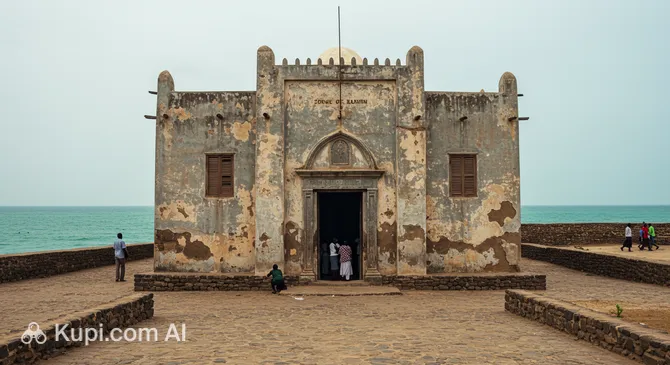
House of Slaves. Illustration.
Source: Kupi.com AI

Traveler photos:

The House of Slaves once served as the final dwelling place for thousands of African captives before their grueling voyage across the Atlantic Ocean to the Americas. The house's architecture clearly demonstrates a cruel contrast: the relatively comfortable upper floors where the slave traders lived, and the cramped, dark cells below intended for the prisoners. The famous "Door of No Return," opening directly to the ocean, has become a powerful symbol of loss and suffering.

Today, the House of Slaves functions as a memorial museum, attracting visitors from all over the world. Its exhibits tell the story of the inhumane conditions in which slaves were held, the scale of the slave trade, and its devastating consequences. Visiting this site is an opportunity not only to learn more about this dark period of history but also to honor the memory of millions of people whose lives were scarred by slavery. It is a deeply moving experience that makes one reflect on the value of freedom and human dignity.

Contacts

Since the House of Slaves is a significant historical site and museum, it is recommended to check official tourist portals of Dakar, websites dedicated to tourism in Senegal, or local tourist information centers for up-to-date information on opening hours, ticket prices, and visiting conditions. The museum itself is located on Gorée Island, which can be reached by ferry departing from Dakar, so be sure to check the ferry schedule.

How to contactContact
AddressDakar, Senegal
Phone number+221 77 649 38 24

What to Do

Visiting the House of Slaves is a deep immersion into a tragic history. You can walk through the original quarters where men, women, and children were held before being sent to the New World. Of particular note is the famous "Door of No Return"—an opening facing the ocean that became the symbol of the slaves' final step on African soil. This place leaves a lasting impression, prompting reflection on the scale of the human tragedy.

Inside the museum, you will see narrow, windowless cells without light where slaves were kept in inhumane conditions. The contrast with the relatively spacious rooms on the second floor, where the house owners lived, especially highlights the cruelty of that era. It is a vivid testimony to the segregation and lack of rights that prevailed here.

To gain a fuller understanding of the history of the House of Slaves, it is recommended to join a guided tour. Experienced storytellers share details about the lives of the captives, the functioning of the site, and its role in the transatlantic slave trade. Monuments and memorial plaques dedicated to the victims of slavery are placed on the grounds and near the museum, forming an important part of the visit.

In addition to the historical component, the grounds of the House of Slaves offer picturesque views of the ocean and the bay of Gorée Island. This creates a striking contrast between the beauty of nature and the somber memories held within these walls, encouraging reflection on the past and present.

Getting There

The House of Slaves is located on Gorée Island, which is approximately 3 kilometers off the coast of Dakar. The island is accessible exclusively by water. Regular ferry services depart from the pier at the port of Dakar. The ferry ride to Gorée Island typically takes 20 to 30 minutes, offering scenic sea views and a moment to anticipate the encounter with history.

Upon arrival on Gorée Island, you will easily find the House of Slaves. The island is small, and all its key attractions, including this memorial museum, are within walking distance of each other. You can take a pleasant stroll through the island's picturesque streets. Organized island tours are also available, which invariably include a visit to the House of Slaves and other historical sites, providing a convenient way to explore the island and its heritage.

Nearest city: Dakar

History & Facts

The House of Slaves, built in the late 18th century, is one of the most well-preserved testaments to the slave trade era on Gorée Island. Its walls hold the memory of thousands of Africans forcibly taken from their homelands. Notably, the building's architecture sharply highlighted the chasm between the oppressors and the oppressed: while slave traders and their families enjoyed relative luxury on the second floor, the basement and ground floor were turned into cramped, dark cells where captives were held in inhumane conditions, awaiting the agonizing journey across the Atlantic to the Americas.

Gorée Island, where the House of Slaves stands, was for many years one of the largest centers of the transatlantic slave trade in all of West Africa. This somber building was not just a place of confinement, but the final point on African soil for countless people before they were taken forever from their native shores. Every detail of the House of Slaves, from the narrow corridors to the famous "Door of No Return," tells a tragic story of lost lives and broken destinies.

The historical significance of the House of Slaves received due recognition when it was carefully restored and turned into a museum in 1962. This was done to preserve the memory of the tragic events of the past and serve as an eternal reminder to humanity. A major milestone was the inclusion of the entire Gorée Island, of which the House of Slaves is an integral part, in the UNESCO World Heritage List in 1978. Today, it is not just a historical monument but a powerful symbol of the struggle for freedom, dignity, and human rights, attracting visitors from all over the world to reflect on the lessons of history.

Time Needed

To fully experience the House of Slaves, a typical visitor is recommended to set aside 1 to 2 hours. This time is usually sufficient to immerse yourself in the atmosphere of this significant historical site and explore its key sections without rushing.

During this period, you will have time to walk through all the museum's exhibition halls, which present evidence of the tragic era of the slave trade. If a tour is available, it will also fit within this timeframe, providing a deeper understanding of the history of the House of Slaves and the lives connected to it. Additionally, you will have a little time to look around the surrounding area and soak in the unique atmosphere of Gorée Island, where the museum is located.

Working Hours

The exact opening hours of the House of Slaves may vary, so it is highly recommended to check for up-to-date information before your visit. Generally, such iconic memorial complexes are open to visitors year-round; however, there may be changes in the schedule due to the season, holidays, or special events. The most reliable way to find out current opening hours is to check the museum's official website (if available), tourist information centers in Dakar or on Gorée Island, or other official tourism sources in Senegal.

As for the need for advance ticket booking or tour registration, it is also best to clarify this in advance. For individual visitors, entry may be free or by tickets purchased on-site. However, if you plan to visit the House of Slaves as part of a group or are interested in a guided tour, advance reservation is often recommended or even mandatory. This will help ensure your place and make your visit more organized and informative.

DayOpening hours
MondayClosed
Tuesday10:30 – 12:00, 3:00 – 18:00
Wednesday10:30 – 12:00, 3:00 – 18:00
Thursday10:30 – 12:00, 3:00 – 18:00
Friday10:30 – 12:00, 3:00 – 18:00
Saturday10:30 – 12:00, 3:00 – 18:00
Sunday10:30 – 12:00, 3:00 – 18:00

Nearby

A visit to the House of Slaves is undoubtedly a deep and memorable experience. However, to make your journey to Dakar and Gorée Island even more rewarding, it is worth taking some time to explore the surroundings. Discovering other attractions will allow you to see different facets of this unique region, from its rich culture to modern life.

There are many interesting places near the House of Slaves and in Dakar itself that can complement your impressions. Some are very close, while others are a short distance away, easily reachable by ferry and taxi. Below is a list of nearby attractions with the distance from the House of Slaves:

NameDistance
Gorée Island0.2 km
IFAN Museum of African Arts0.4 km
Port Casino3.2 km
La Fourchette3.3 km
Le Kermel Restaurant3.4 km
Le Lagon 1 Restaurant3.4 km
Léopold Sédar Senghor French Institute4.1 km

Have you reached the end of the page?

So the route has been studied inside and out