Support

Hector Pieterson Memorial

About

The Hector Pieterson Memorial is a significant historical site and museum located in the Soweto district of Johannesburg, South Africa. It is dedicated to the memory of Hector Pieterson, one of the first students killed during the tragic unrest of June 16, 1976. This memorial has become a powerful symbol of the youth's struggle for the right to quality education and freedom in the country.
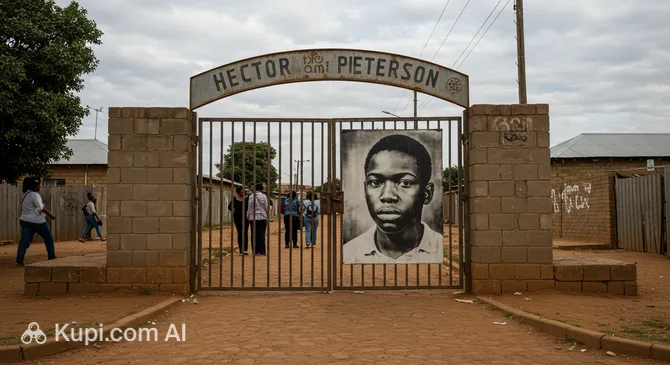
Hector Pieterson Memorial. Illustration.
Source: Kupi.com AI

Traveler photos:

The memorial complex includes not only the monument itself but also a modern museum. Inside the museum, visitors can explore moving exhibits that detail the events of that day, the causes of the student uprising, and its far-reaching consequences for South African history. These exhibitions help to provide a deeper understanding of the context of the era and the significance of what occurred, highlighting key moments in the fight against apartheid.

Today, the Hector Pieterson Memorial is one of Johannesburg's key landmarks and an iconic site for anyone seeking to understand the complex history of the struggle against racial segregation in South Africa. It attracts both locals and tourists from around the world interested in the history, culture, and social changes that shaped modern South Africa. A visit to the memorial leaves a profound impression and serves as a reminder of the price of freedom and equality.

Contacts

To obtain up-to-date information regarding opening hours, ticket prices, and available tours at the Hector Pieterson Memorial, it is recommended to visit the memorial's official website or contact the tourist information centers in Johannesburg. You can also find useful information on local travel portals.

How to contactContact
Address8287 Khumalo Rd, Orlando West, Johannesburg, 1804, South Africa
Phone number+27 11 536 0611
Websitewww.joburg.org.za

What to Do

When visiting the Hector Pieterson Memorial, you can immerse yourself in history and better understand the events of June 16, 1976. The main site for this is the museum, which features an impressive collection. Here, you will see photographs, official documents, personal items belonging to the participants of those events, and can watch audiovisual materials that help recreate the atmosphere of the time. The exhibition tells the story not only of Hector Pieterson's life but also the fates of other students who took part in the protests, highlighting their courage and role in fighting for their rights.

In addition to the museum, you can take a quiet walk through the memorial complex and view the Hector Pieterson monument itself. This area is conducive to reflection and allows you to pay tribute to everyone who died on that tragic day. For a deeper understanding of the events and their significance for modern South Africa, guided tours are available. Information boards are also installed on the grounds to provide additional details and context.

Many tourists combine a visit to the memorial with a broader exploration of the Soweto district. The Hector Pieterson Memorial is often included in sightseeing tours of this historically significant area of Johannesburg, along with other important sites that bear witness to the struggle against apartheid. This provides a more complete picture of the past and present of this unique place.

Getting There

The Hector Pieterson Memorial is located in the historic district of Soweto, which lies southwest of central Johannesburg. There are several ways to reach the memorial, depending on your preferences and budget.

The most convenient options for tourists are traveling by car (private or rental), taxi, or as part of an organized tour. Many tour companies in Johannesburg offer specialized tours of Soweto that include a visit to the Hector Pieterson Memorial. This is particularly convenient for international guests, as these tours often include guide services and hotel transfers.

While there is a public transport system in Soweto, it is recommended that tourists—especially first-time visitors—opt for taxis or the services of licensed guides. This ensures not only comfort but also greater safety while moving around the area. A taxi ride from the center of Johannesburg to the memorial will take some time, depending on traffic conditions.

The memorial's location in Soweto also makes it easy to combine your visit with other iconic sites in this historic district, such as Nelson Mandela's former home or Vilakazi Street. It is worth considering this when planning your visit to fully experience the history and culture of Soweto.

Nearest city: Johannesburg

History & Facts

The history of the Hector Pieterson Memorial is inextricably linked to the tragic events of June 16, 1976, known to history as the Soweto Uprising. On this day, thousands of students took to the streets of Johannesburg to protest the mandatory introduction of Afrikaans as a medium of instruction, which was perceived as the language of the oppressors and a symbol of the apartheid system. The peaceful youth demonstration was brutally suppressed by the police, and 13-year-old Hector Pieterson was one of the first to be killed. His death, captured in a famous photograph, was seen around the world, turning the boy into a symbol of the struggle against injustice and racial segregation in South Africa.

The events of June 16 triggered a wave of protests that spread to other cities across South Africa in the following months. According to official figures, 23 people died on the first day of the unrest alone, while the total death toll during the period of disturbances was significantly higher. The Soweto Uprising became a turning point in the struggle against apartheid, drawing broad international attention to the regime's brutality and strengthening the resolve of many to fight for freedom and equality. The memorial in Soweto was erected in memory of Hector Pieterson and all those who gave their lives during that period. It serves not only as a place of mourning but also as a powerful reminder of the price of freedom and the importance of protecting civil rights.

Today, the Hector Pieterson Memorial is more than just a monument; it is an important educational and cultural center. It tells visitors about the courage of the young people who stood up against the system and how their sacrifice contributed to the fall of apartheid. Every year, June 16 is celebrated in modern South Africa as Youth Day—a public holiday dedicated to the memory of the Soweto heroes. The memorial becomes a hub for commemorative events, educational programs, and discussions, highlighting its role in preserving historical memory and educating new generations in the spirit of respect for human rights and dignity.

Time Needed

To fully appreciate the Hector Pieterson Memorial and the adjacent museum, most visitors usually require 1 to 2 hours. This timeframe allows you to take your time exploring the exhibits and absorb the significance of this historical site.

During this time, you can carefully study the museum materials detailing the events of June 16, 1976, and walk through the memorial grounds. This is sufficient to cover the key aspects, examine the monument and photographs, and allow time for reflection and paying your respects.

Thus, when planning your visit to the Hector Pieterson Memorial in Johannesburg, you can use this interval as a guide. It ensures enough time for a meaningful visit, providing both information and space for personal reflection on South Africa's important historical legacy.

Working Hours

The Hector Pieterson Memorial is generally open to visitors year-round. However, exact opening hours may vary, so it is highly recommended to check for the latest information on the official memorial website or at tourist information centers in Johannesburg before your visit. This will help you plan your trip and avoid any potential inconvenience.

Regarding the need for advance ticket bookings or tour registrations, it is also best to clarify this information immediately before your trip. Entry is often free or tickets can be purchased on-site for individual visitors, but special conditions may apply for groups or during peak tourist seasons. Checking official sources in a timely manner will ensure you have the most comfortable and informative visit to this significant site.

DayOpening hours
MondayClosed
Tuesday10:00 – 17:00
Wednesday10:00 – 17:00
Thursday10:00 – 17:00
Friday10:00 – 17:00
Saturday10:00 – 17:00
Sunday10:00 – 17:00

Nearby

A visit to the Hector Pieterson Memorial is undoubtedly a profound and memorable experience. However, to make your trip to Johannesburg even more enriching, it is worth looking at the attractions located nearby. Exploring the surrounding area will not only expand your understanding of the city and its history but also allow you to see other facets of this multifaceted metropolis.

Near the memorial are other iconic sites, each telling the story of South Africa and its people in its own way. From historic homes to cultural centers and natural oases, the Soweto area and its outskirts offer a variety of options for the curious traveler. Below is a list of interesting sites that could complement your itinerary.

NameDistance
Mandela House0.4 km
Nasrec Gate 87.3 km
Apartheid Museum10 km
Gold Reef City Casino10.4 km
Gold Reef City Theme Park10.5 km
The Country Club Johannesburg, Auckland Park11.8 km
Karaoke Kong11.9 km

Have you reached the end of the page?

So the route has been studied inside and out