Support

Knysna

About

Knysna is a charming town, a true paradise for nature lovers and seekers of secluded getaways, nestled comfortably on the famous Garden Route on the southern coast of South Africa. The town stretches along the picturesque estuary of the river of the same name, which flows into the Indian Ocean, and is famous for its magnificent lagoon. This lagoon is framed by majestic limestone cliffs known as the Knysna Heads — the town's iconic landmark.

With a population of about 51,000, Knysna retains the atmosphere of a small but lively resort. It is one of the most attractive towns in the Western Cape Province, offering guests a well-developed tourist infrastructure including cozy streets, stylish restaurants, and a bustling harbor. A relaxed and friendly mood prevails here, perfect for a serene holiday.

Knysna. Illustration.
Source: Kupi.com AI

Key attractions, in addition to the already mentioned lagoon and the Heads, include the dense forests and protected areas surrounding the town, ideal for hiking, kayaking, and cycling tours. Knysna is also famous for its oyster farms and its annual oyster festival, which attracts foodies from all over the world. Art lovers will find plenty of galleries and craft shops here.

If you are looking for a place where you can fully enjoy the beauty of South African nature, get to know the local culture, taste the freshest seafood, and simply relax your soul, Knysna is the perfect choice for you. This town will give you unforgettable memories and a desire to return again.

You can find more interesting facts on the history of Knysna page.
Weather Overview

The climate in Knysna is mild throughout the year, making this town an attractive destination in any season. In summer, especially in January and February, it is warm, with average temperatures around 20-21°C and maximums reaching 24.5°C. Winters, with the coolest peak in July and August, are also quite comfortable, with average temperatures around 13°C, while minimums usually do not drop below 8.5°C. A characteristic feature of the weather is frequent but usually light rainfall distributed throughout the year; the number of rainy days varies from 6 to 10 per month. Expect a warm summer with regular but not heavy rain, and a mild, moderately humid winter. To find more details and see the current forecast, check the weather in Knysna page.

Average monthly temperature

Average monthly precipitation

Interesting Facts

Beyond its picturesque lagoons and dense forests, Knysna holds many surprising stories and features that make this town truly unique. Here are just a few interesting facts that will help you see Knysna from a new perspective:

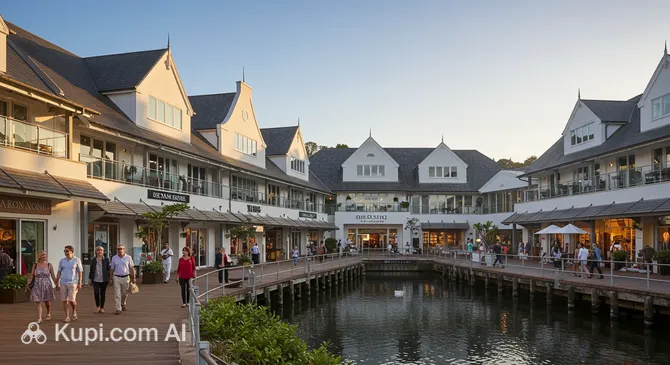
Knysna Waterfront. Illustration.
Source: Kupi.com AI

Traveler photos:

  • Knysna is world-famous for its oysters. Special varieties are cultivated here, and the local oyster industry is considered one of the oldest and most respected in South Africa. Every year, the town hosts the famous Oyster Festival, attracting thousands of foodies from all over the world.

  • The areas surrounding Knysna are home to ancient indigenous forests where, according to local legends, elusive forest elephants still roam. While sightings of wild elephants are extremely rare, the town features the unique Knysna Elephant Park, where visitors can get up close to these majestic animals and learn more about conservation programs.

  • Knysna is not just about natural wonders; it is also a vibrant cultural hub. Art exhibitions, craft fairs, and music festivals are held regularly. The Knysna Waterfront is especially lively, where you can often find street musicians, artists, and folk craftsmen offering their work.

  • The town's history is full of interesting turns: Knysna began as a small logging settlement, and its port was actively used to export valuable timber. Over time, thanks to its unique location and beauty, the town evolved into a popular holiday destination for the aristocracy, and today it is known as a center for yachting and ecotourism in South Africa.

How to Get There

Reaching the charming town of Knysna, the jewel of South Africa's famous Garden Route, can be done in several ways; however, the most popular option for tourists is flying to one of the nearest airports followed by a transfer or car rental.

While Knysna itself does not have its own major airport, travelers can use several conveniently located air hubs. The closest option is the small Plettenberg Bay Airport (PBZ), located in the town of the same name, just about 27 km east of Knysna. From here, you can reach central Knysna by taxi or rental car in approximately 45-60 minutes. This airport mainly handles regional flights.

A larger and more frequently used option is George Airport (GRJ), located in the city of George, about 62 km west of Knysna. This important regional airport receives a higher volume of flights, including connecting flights from Johannesburg and Cape Town. The trip from George Airport to Knysna by taxi, shuttle, or rental car usually takes about 1-1.5 hours.

For those looking for more international flight options, it is worth considering Chief Dawid Stuurman International Airport (PLZ), located in the city of Gqeberha (formerly Port Elizabeth). Although it is quite far away—about 238 km east of Knysna—it offers a wider choice of international and domestic flights. You can reach Knysna from this airport by rental car, which takes about 3-3.5 hours along a scenic road, or by using transfer services; a taxi ride can take significantly longer.

For convenience, here is summary information on the main airports serving the Knysna area:

AirportPassenger trafficDistance
Plettenberg Bay Airport30 00027 km
George Airport747 84862 km
Port Elizabeth International Airport1.2 mln238 km

In addition to air travel, Knysna is easily accessible by road. The town is a key point on the famous N2 National Highway, which passes through the scenic Garden Route. Renting a car is a very popular choice among tourists, as it allows for comfortable exploration of the region's many attractions at your own pace. From major cities like Cape Town or Port Elizabeth, high-quality paved roads with stunning views lead to Knysna.

There is currently no direct passenger rail service to Knysna, so the main ways to reach the town remain flying followed by a transfer or traveling by car.

Main Attractions

Knysna, a charming town on the famous Garden Route in South Africa, offers its guests a variety of attractions to suit all kinds of interests. From unique collections to lively spots for relaxation and shopping — there is something for everyone here.

For those who love shopping or are looking for souvenirs, the Knysna Mall is an excellent choice. It features a wide range of shops, from well-known brands to local boutiques offering unique handmade items and delicacies. It is a convenient place to find everything you need, relax in one of the cafes, or simply spend time window shopping.

Knysna Mall. Illustration.
Source: Kupi.com AI

Traveler photos:

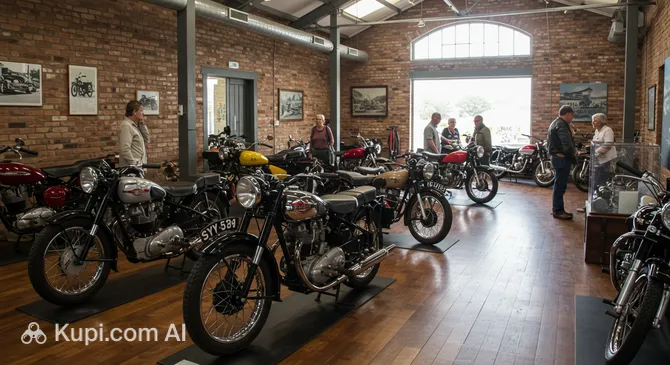
For fans of machinery and unusual exhibits, The Motorcycle Room is a must-visit. This is not just a museum, but a true treasure trove for lovers of two-wheeled transport. It houses an impressive collection of motorcycles from different eras and styles, each with its own unique story. A visit here allows you to immerse yourself in the world of speed, design, and engineering.

The Motorcycle Room. Illustration.
Source: Kupi.com AI

Traveler photos:

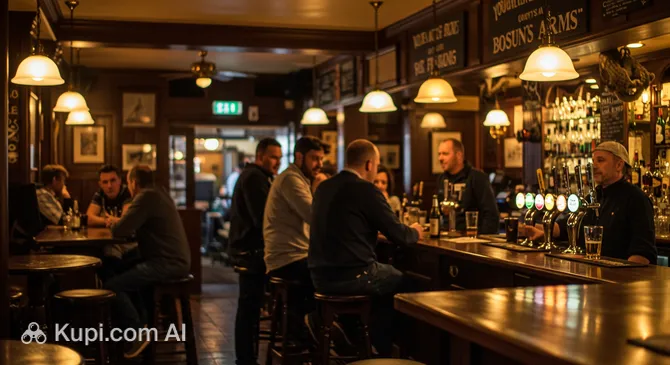
In the evening, or for a drink in an authentic setting, it's worth stopping by Bosun's Arms. This popular bar attracts both locals and tourists with its friendly atmosphere and good selection of drinks. It is a great place to feel the local flavor, socialize, and unwind after a busy day of exploring Knysna.

Bosun's Arms. Illustration.
Source: Kupi.com AI

Traveler photos:

Local Cuisine

The gastronomic scene in Knysna is a true treasure for foodies, and its crowning jewel is undoubtedly the fresh oysters. This delicacy is celebrated here in many forms: served raw with a slice of lemon, baked with aromatic herbs, grilled, and even used as an ingredient for gourmet soups. The history of the oyster industry in the region dates back to the 19th century, and today local restaurants are proud to offer guests dozens of varieties of this ocean gift.

Besides oysters, the culinary map of Knysna features other specialties. It is definitely worth trying the local Mitchell’s beer, brewed according to traditional recipes, which perfectly complements any meal or serves as a refreshing drink after a busy day. Street food in the town is an interesting mix of African and European culinary traditions—from appetizing skewers to savory fish cakes—offering a quick and tasty way to get to know local flavors.

The food culture in Knysna is diverse. Locals and tourists alike enjoy visiting numerous restaurants specializing in seafood, especially oysters. An excellent place for gastronomic discoveries is the Knysna Waterfront, where many cafes and restaurants for every taste are concentrated. Farmer's markets are also popular, where you can buy the freshest seafood, homemade cheeses, fragrant pastries, and exotic fruits. This is a great opportunity not only to try local products but also to experience the authentic atmosphere of the town.

Knysna Waterfront. Illustration.
Source: Kupi.com AI

Traveler photos:

The true highlight of the town's gastronomic life is the annual Knysna Oyster Festival, held in July. During this time, Knysna turns into a paradise for oyster and seafood lovers: tastings, culinary masterclasses, and lively festivities take place all along the banks of the picturesque lagoon. Overall, the gastronomic scene of Knysna is a vibrant combination of ocean bounty, local traditions, and a hospitable atmosphere that will not leave any traveler indifferent.

Travel Tips

Welcome to charming Knysna! To ensure your journey through this jewel of the Garden Route goes smoothly and leaves only pleasant impressions, we have prepared a few practical tips.

  1. Clothing and Essentials: What to Pack

    The climate in Knysna is temperate, with warm summers (December–February) and mild, sometimes rainy winters (June–August). We recommend bringing clothes that can be layered: light items for daytime walks, along with a sweater or jacket for cool evenings or the winter period. Comfortable shoes are essential, as you will likely want to explore not only the town itself but also the picturesque forests and lagoon shores. Don't forget sunscreen, a hat, and sunglasses — they will be useful at any time of year. For electrical appliances, you will need an adapter, as South Africa uses type M sockets.

  2. Transport: Getting Around Knysna

    Public transport in Knysna consists mainly of minibus taxis, but this might not be the most convenient option for tourists. The optimal choice is renting a car, especially if you plan to visit the surrounding areas and the famous Garden Route. Roads in the region are generally of good quality. Knysna's town center is quite compact and pleasant to explore on foot. Taxis and ride-hailing apps (like Uber or Bolt) may be available, but they are less common than in larger cities.

  3. Finances: Currency, Cards, and Tipping

    The official currency is the South African Rand (ZAR). Credit and debit cards (Visa, Mastercard) are widely accepted in most hotels, restaurants, and shops. ATMs are easy to find in town. You can exchange currency at banks or specialized exchange offices. In South Africa, it is customary to tip: usually 10-15% in restaurants if service is not included, as well as small amounts for hotel staff, porters, and guides.

  4. Health and Safety: Key Points

    There are pharmacies in Knysna, but it is worth checking their operating hours in advance as there may be few 24-hour options. Medical care for tourists is available, including private clinics. It is highly recommended to take out medical insurance before your trip. Knysna is considered a relatively safe town, but standard precautions should not be neglected: watch your belongings, especially in crowded places, avoid displaying valuables, and do not leave them unattended in your car. Tap water in urban areas is usually drinkable, but bottled water is also widely available.

  5. Communication: Language and Internet

    There are 11 official languages in South Africa, but in Knysna, you will have no trouble communicating in English — it is widely spoken, especially in the tourism industry. Afrikaans is also frequently heard. A local SIM card can be purchased at the airport upon arrival or at mobile stores in town (a passport is required for registration). Wi-Fi is available in most hotels, cafes, and restaurants.

  6. Local Etiquette: How to Behave

    South Africans are generally friendly and hospitable. A handshake is the standard greeting. Direct eye contact during conversation is considered the norm. Sometimes service may seem leisurely — this is part of the local rhythm of life known as "Africa time," so show a little patience. Showing respect to elders is highly valued.

  7. What to Avoid

    Do not feed the baboons if you encounter them around the town or in nature. This can be dangerous for both you and the animals, disrupting their natural behavior. It is also not recommended to go hiking on remote trails alone without informing someone of your route and expected return time.

  8. Knysna Specialties: Oysters and "The Heads"

    Knysna is famous for its oysters! Don't miss the chance to try this delicacy at one of the many waterfront restaurants or during the annual Knysna Oyster Festival, which usually takes place in July. And, of course, the main natural attraction is the "Knysna Heads" — two majestic sandstone cliffs framing the entrance to the lagoon. The best way to see them is to go on a boat tour.

We hope these tips help you better prepare for your trip and enjoy every moment of your stay in beautiful Knysna. We wish you an unforgettable experience!

Entertainment & Nightlife

Knysna, a charming town on the Garden Route coast in South Africa, offers its guests not only stunning daytime scenery but also a cozy, though not overly boisterous, nightlife. You won't find massive nightclubs open until dawn like in big cities here, but you can enjoy a pleasant atmosphere in numerous bars, restaurants, and pubs, many of which are concentrated in picturesque locations.

The main center for evening entertainment in Knysna is undoubtedly the Knysna Waterfront area. This is not just a shopping center, but a popular spot for dinner and evening drinks overlooking the famous lagoon. It houses many restaurants, cafes, and bars offering both local and international cuisine, as well as a wide selection of drinks. The atmosphere here is usually relaxed and friendly, with a mixed crowd of tourists and locals. In the evening, the quay comes alive, often with live music providing a pleasant backdrop for relaxation.

Bosun's Arms. Illustration.
Source: Kupi.com AI

Traveler photos:

One of the popular places to grab a drink and socialize is Bosun's Arms. This pub is known for its casual atmosphere and good selection of beers. Generally, establishments in Knysna stay open until late evening but not until the early morning. The best time to visit bars is after 8:00 PM, especially on weekends. The dress code in most places is casual, as comfort is highly valued here.

As for prices, they can vary but generally remain moderate. You can get to popular spots in the evening by taxi or, if you are staying near the center, on foot. It is best to use trusted services or ask for help at your hotel to call a taxi. Although Knysna is considered a relatively safe town, especially in tourist areas like the Waterfront, you should always take standard precautions: do not leave valuables unattended and avoid poorly lit or deserted streets late at night.

During the day, Knysna offers many other activities. You can explore the natural beauty of the lagoon, go on a boat trip, or visit local markets for souvenirs and handmade crafts. For fans of unusual exhibits, The Motorcycle Room might be interesting. The town is also surrounded by nature reserves and forests, ideal for hiking and birdwatching. Although Knysna lacks large theaters or traditional amusement parks, its natural charm and relaxed atmosphere more than make up for it.

Parks & Museums

Knysna is not just about a picturesque lagoon and the famous "Heads," but also a place where nature harmoniously blends with an interesting cultural heritage. The town offers visitors both extensive green zones for relaxation and exploration, as well as unique museums and galleries that tell its story and showcase local art.

The primary natural asset of Knysna is undoubtedly its vast lagoon. This is a unique ecosystem protected as part of the Garden Route National Park, offering opportunities for kayaking, sailing, birdwatching, and simply peaceful walks along the shore. No less impressive are the famous Knysna Heads — two massive sandstone cliffs guarding the entrance to the lagoon from the Indian Ocean. They offer breathtaking panoramic views, and at the foot of the Eastern Head, there are cozy beaches. The town's surroundings are also rich in indigenous forests, such as Diepwalle Forest or the Garden of Eden, where picturesque hiking trails allow you to enjoy the unique flora and fauna of the region, including ancient yellowwood trees.

Although Knysna is better known for its natural beauty, there are also interesting cultural sites. One such place is The Motorcycle Room, which will catch the eye of two-wheel enthusiasts with its collection. This unusual spot offers a look at the history of motorcycles and their role in culture.

To dive deeper into the town's history, it's worth visiting the Knysna Museum, located in the Old Gaol building complex. The museum's exhibits cover maritime history, the timber industry — which played a key role in the town's development — and the lives of early settlers. Knysna is also famous for its artistic community. Numerous art galleries are scattered throughout the town, presenting the work of local artists and craftsmen — from painting and sculpture to unique wooden items.

Beyond natural and museum sites, Knysna has other points of interest. For example, St. George's Anglican Church, built from local sandstone, is one of the town's oldest buildings and an interesting example of colonial architecture. A walk through the Knysna Waterfront will not only allow you to enjoy views of the lagoon and yachts but also to feel the atmosphere of this lively place with its shops and restaurants, many of which are housed in buildings styled after old port warehouses.

For a more authentic experience, check out local markets such as the Wild Oats Community Farmers' Market (if it's running during your visit) in nearby Sedgefield, where you can try local products and buy handmade goods. It's also worth exploring the Thesen Islands district, connected to the mainland by bridges, with its distinctive architecture and canals, offering a different perspective on waterfront living in Knysna.

Getting Around

Knysna is a charming town where the public transport system has its own characteristics, focused more on flexibility than on the extensive route networks typical of metropolises. Moving around the town and its picturesque surroundings can be done in several ways.

The main form of public transport, especially popular with the local population, is minibus taxis (often simply called "taxis"). These are minibuses that run along specific, though not always strictly fixed, routes. They usually do not have a set schedule; they depart as they fill up. Payment is made in cash directly to the driver, and the fare is very affordable. To stop such a taxi, simply signal to the driver with your hand. This is an economical way to get around, but it requires some adaptation and knowledge of the main directions.

For more comfortable and predictable travel, tourists often use metered taxis or book cars through mobile apps, if available in the region. The cost of a ride in such taxis is calculated by the meter or agreed upon in advance. This is a good option for traveling to specific points, especially if you are traveling with luggage or in the evening.

Many tourists who wish to explore Knysna and the famous Garden Route region at their own pace prefer to rent a car. There are offices of several rental companies in the town and at the nearby George Airport. Having your own transport gives you maximum freedom to move around the many natural attractions, beaches, and neighboring towns.

For short distances in the center of Knysna or along the waterfront, it is perfectly possible to get around on foot. Given the scenic nature of the area, walks can be very pleasant. Bicycle rental is also possible in some places, which is a great way to enjoy nature and stay fit.

Practical tips for tourists: If you plan to use minibus taxis, check with locals or at your hotel for the main directions and approximate costs. Always have small change on hand for payment. To order a regular taxi, it is better to use the phone or ask for help from hotel staff. If you rent a car, remember that traffic in South Africa is on the left side of the road.

Accommodation

Knysna offers tourists a wide range of accommodation options for every taste and budget. Here you will find cozy guest houses (B&Bs), self-catering apartments, boutique hotels with unique designs, as well as luxury lodges and resort complexes, many of which boast magnificent views of the famous lagoon or the surrounding forests.

When choosing a place to stay, consider several popular areas. The central part of town and the Knysna Waterfront area are convenient for their proximity to shops, restaurants, and main attractions. Thesen Islands offer a more exclusive stay with modern apartments and villas right by the water. For a quieter and more secluded holiday, consider the areas of Leisure Isle, Belvidere, or the coastal Brenton-on-Sea, which are located a bit away from the busy center.

To guarantee the best choice and prices, especially during the peak tourist season (summer months and during popular festivals like the Oyster Festival), it is recommended to book accommodation in advance. Most accommodation options can be found and booked through popular online platforms like Booking.com and Airbnb, or directly on the websites of hotels and guest houses.

The price range for accommodation in Knysna varies from budget options like hostels and inexpensive guesthouses to mid-range hotels and luxury offerings. This allows every traveler to find a suitable option according to their preferences and financial means.

Nearby Cities

For those looking to explore the surrounding areas, Knysna serves as an excellent starting point for day trips to several interesting nearby locations:

CityPopulationDistance
Plettenberg Bay31 80430 km
George157 39451 km
Mossel Bay59 03187 km
Oudtshoorn61 50792 km
Jeffreys Bay27 107173 km

These nearby destinations provide a glimpse into the diverse culture and landscapes of the region.

Shopping & Souvenirs

Knysna offers tourists a diverse range of shopping opportunities, combining modern shopping centers with charming local shops and markets. The town is particularly famous for its handmade crafts, art, and unique souvenirs that reflect the culture of the Garden Route region.

The main shopping areas in Knysna are the central part of town, especially along Main Street, and the picturesque waterfront. Here you will find many boutiques, art galleries, clothing stores, and souvenir shops. A walk through these areas is a pleasure in itself, allowing you to combine shopping with sightseeing.

For those who prefer shopping in larger complexes, Knysna has several shopping centers. One of the most popular is the Knysna Waterfront, which offers not only shops but also restaurants and cafes with beautiful views of the lagoon. Another significant shopping complex is the Knysna Mall, where a wide range of goods is presented, from clothing and accessories to electronics and groceries.

While there are no massive traditional markets in Knysna, you can find small local markets, especially on weekends, where farmers and craftsmen sell their products. This is a great place to buy fresh produce, homemade delicacies, and original handmade items. Look out for markets in the vicinity, such as the popular Wild Oats Community Farmers' Market in nearby Sedgefield.

As souvenirs from Knysna, tourists often choose items made from local wood species, such as yellowwood and stinkwood, which are famous for their beauty and durability. African art, ceramics, textiles with ethnic motifs, jewelry featuring semi-precious stones, and, of course, products from ostrich farms (such as painted eggs) are also popular. Don't forget about local wines from the Cape region.

Shops in Knysna typically operate from Monday to Friday from approximately 9:00 AM to 5:00 PM or 6:00 PM, and on Saturdays until 1:00 PM or 3:00 PM. Large shopping centers may have longer working hours, including on Sundays. Credit cards (Visa, MasterCard) are accepted almost everywhere, but cash may be needed at small markets or in tiny shops.

International tourists making purchases in South Africa may be eligible for a VAT refund on goods over a certain value. To do this, you must obtain a special tax invoice from the shop at the time of purchase and present it along with the goods at customs at the airport when leaving the country. It is recommended to check the details and keep all receipts.

Reached the end of the page?

That means the route is fully explored