Support

Robertson

About

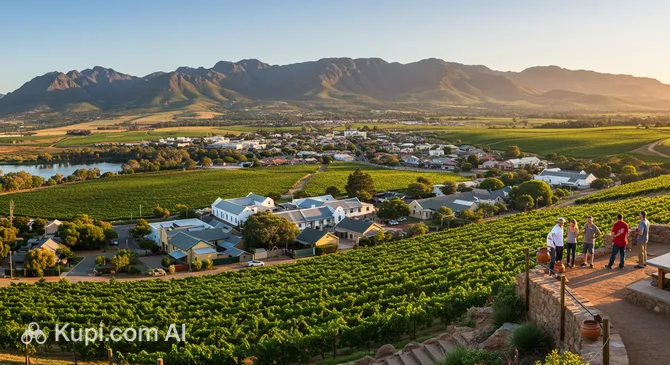
Robertson is a charming town in the Western Cape province, often referred to as the "Valley of Wine and Roses." Located in the heart of the fertile Breede River Valley at the foot of the majestic Langeberg Mountains, it attracts travelers with its picturesque landscapes and welcoming atmosphere. A trip to South Africa would be incomplete without a visit to this cozy corner, where time seems to slow down.

The town is famous for its architecture: wide streets are decorated with purple jacaranda flowers and lined with ancient oaks, among which well-kept Victorian-style buildings are hidden. The rich history of Robertson spans over a century and a half, and this heritage is carefully preserved by locals, creating a unique atmosphere of a bygone era.

Robertson. Illustration.
Source: Kupi.com AI

Robertson is known as one of the key stops on the famous Route 62 tourist trail. Winemaking flourishes here, and tourists can visit dozens of world-class estates to taste excellent wines, from Shiraz to Chardonnay. Furthermore, the town fully lives up to its floral nickname: local gardens and parks are fragrant with the scent of thousands of roses, making walks here particularly pleasant.

It is an ideal destination for those seeking a peaceful holiday away from the noise of major cities. Whether it’s discovering local delicacies, walking through nature reserves, or simply gazing at mountain sunsets, Robertson is sure to give you warm and vivid memories.

Weather Overview

The climate in Robertson can be described as moderate and favorable for travel almost all year round. Summer lasts from December to February and is characterized by hot weather: during the day, the thermometer often rises to 29.2°C, while average figures stay around 22°C. This is a wonderful time to visit local wineries, though you should take care of sun protection.

The winter months, from June to August, bring freshness and coolness. During the day, the air warms up to an average of 16–17°C, which is comfortable for walking, but nights become noticeably colder, with temperatures dropping to 4.8°C in July. Spring and autumn are mild transitional seasons when daytime temperatures range from 20°C to 26°C, creating ideal conditions for exploring natural attractions.

Precipitation in the region is low, although each month records from 5 to 8 days with possible humidity or light rain. Expect warm summers with occasional cloud cover and cool, fairly dry winters. To choose the best dates for your trip and prepare a suitable wardrobe, we recommend checking the detailed weather in Robertson before departure.

Average monthly temperature

Average monthly precipitation

Interesting Facts

  • South Africa's "Kentucky." Robertson is famous not only for wine but also for elite racehorses. Thanks to the lime-rich soil, horses here develop particularly strong bones. This has made the region a center for horse breeding in South Africa, where true racing champions are raised.

  • Roses as vineyard guardians. The name "Valley of Wine and Roses" didn't arise just from aesthetics. Originally, farmers planted rose bushes at the beginning of vineyard rows as a biological indicator: these flowers succumb to powdery mildew and pest attacks earlier than the vines, giving winemakers time to save the harvest.

  • Home of legendary brandy. The town is home to the famous brand Klipdrift. The local distillery has been operating since 1938, and according to legend, it was here that the culture of drinking brandy and coke originated, becoming an unofficial national drink in some regions of the country.

  • Ancient succulent collection. Not far from the town is the Sheilam Cactus Garden farm, founded in 1954. It is considered one of the best collections of succulents and cacti in the world, where you can see rare plants whose ancestors existed on earth millions of years ago.

How to Get There

When planning a trip to the heart of the Western Cape's wine region, it's worth thinking about your route in advance. You can find more details on how to get to Robertson to choose the best mode of transport. Most often, tourists arrive in the country by plane, using airports in nearby major cities, and then continue their journey by road.

The town of Robertson itself does not have its own civilian airport, so the main air gateway for travelers is Cape Town International Airport (CPT). It is located in Cape Town, approximately 121 km from Robertson. This is the region's largest transport hub, receiving flights from all over the world. The journey from here to your destination by taxi or rental car takes roughly 2 hours, passing through scenic mountain passes, including the famous Huguenot Tunnel.

Another possible option is George Airport (GRJ), located in the city of George. It is much further away, about 230 km from Robertson. This airport is convenient if your trip includes the famous Garden Route. The journey by land transport from here will take about 3–3.5 hours, allowing you to enjoy the region's changing landscapes.

For convenience, here is a summary of the main airports:

AirportPassenger trafficDistance
Cape Town International Airport10.4 mln121 km
George Airport747 848230 km

As rail links in the area are not the primary mode of travel for tourists, the easiest way to reach Robertson is by car. The town is conveniently located on the popular Route 62—the longest wine route in the world. Many travelers rent a car at their arrival airport to enjoy freedom of movement. There are also regular bus services and private transfers connecting Robertson with Cape Town and other towns in the province.

Main Attractions

Robertson offers travelers more than just beautiful landscapes. It is a place where winemaking culture intertwines with outdoor activities and unique natural sites. Although the valley is famous for its vineyards, the list of must-visit places includes a variety of locations that can surprise even seasoned tourists.

One of the town's calling cards is the legendary Klipdrift Distillery. This is not just a brandy production plant, but a true cultural center. Tourists come here to learn the secrets of distillation passed down through generations and to visit the famous tasting room. Here, you can sample various premium brandies paired with snacks, immersing yourself in the warm and friendly atmosphere that the brand is famous for.

For those who want to enjoy the beauty of the Breede River, river cruises at Viljoensdrift are an ideal choice. This unique experience allows you to combine wine tasting with a leisurely flat-bottomed boat trip. Guests can assemble their own picnic basket in the local deli, choosing fresh bread, cheeses, and pâtés, and then set sail to enjoy views of the mountains and vineyards from the water.

Nature lovers should head to the Vrolijkheid Nature Reserve, located just a few kilometers from the town. It is a rugged yet beautiful landscape with red rocks and semi-desert vegetation. The reserve is popular with hikers and mountain bikers due to its scenic trails. Additionally, it is an excellent place for birdwatching, home to many species including the majestic black eagles.

If you are looking for a quiet cultural activity, stop by the Robertson Art Gallery. Housed in a historical building, it features an extensive collection of works by South African artists. The gallery is known for its welcoming policy: visitors are always welcome to simply admire the art without an obligation to purchase, making it a pleasant place to explore local creativity.

Local Cuisine

Robertson's gastronomic scene is inextricably linked to its status as one of the leading wine regions. Local cuisine is based on fresh farm products: excellent olives are grown here, craft cheeses are produced, and a rich harvest of fruit is gathered. Travelers should start their discovery of culinary traditions by visiting the numerous "padstals" (roadside farm stalls). They sell homemade baked goods, jams, and the famous biltong—dried meat with spices, which is the main snack in South Africa.

Hearty food lovers must try the traditional braai (barbecue). In Robertson, meat is cooked with great skill, often served with roosterkoek—crispy bread rolls grilled directly over the coals. Also frequently found on local restaurant menus is bobotie—a spiced meat bake with raisins and a golden topping made from an egg and milk mixture. This dish is considered a Cape Malay classic and features a surprising balance of sweet and spicy flavors.

As for drinks, Robertson is a true kingdom of wine. The valley is famous for its full-bodied red wines, especially Shiraz and Cabernet Sauvignon, as well as exquisite Chardonnay, which can be tasted directly at the producers' estates. However, no less iconic here is the local brandy. Residents of the region often enjoy it mixed with cola, a combination that has become a unique cultural phenomenon. For those who prefer non-alcoholic drinks, fresh juices and homemade lemonades made from local citrus fruits are excellent choices.

The food culture in town is characterized by relaxation and closeness to nature. There aren't many pretentious restaurants with strict dress codes; instead, outdoor dining is hugely popular. Tourists and locals often have picnics on the banks of the Breede River or lunch on winery terraces overlooking the Langeberg Mountains. This is an ideal place for "slow food" tourism, where food is meant to be enjoyed slowly in the company of friends and family.

Travel Tips

Preparing for a trip to Robertson is the key to ensuring your holiday in the heart of the wine region goes perfectly. We have compiled a list of practical recommendations to help you easily navigate local realities, avoid common tourist mistakes, and feel confident in any situation.

  1. Clothing and essentials. The climate here has its peculiarities: in summer (December to February) it can be very hot, so be sure to bring hats, sunglasses, and sunscreen with high SPF. However, temperature fluctuations are noticeable, so even in summer, bring a light windbreaker for the evenings. In winter, you will need warm clothes and a jacket. Since South Africa uses unique Type M sockets (with three large round pins), you will definitely need a special adapter, which is best purchased in advance or at the airport upon arrival.

  2. Transport and movement. Robertson lacks the public transport familiar to Europeans. Taxi services (e.g., Uber) may operate inconsistently or with long waits due to the town's small size. The optimal option is renting a car. This will give you freedom of movement along Route 62 and allow you to comfortably visit remote wineries. Roads here are of good quality, and traffic is left-handed.

  3. Finances and payment. The official currency is the South African Rand (ZAR). Most restaurants, hotels, and shops accept Visa and Mastercard without issues. However, cash is necessary for paying at farmers' markets, tipping petrol station attendants, and "car guards" (parking attendants). It is customary to tip waiters 10–15% of the bill, as this often forms the basis of their earnings.

  4. Health and safety. Robertson is a quiet and safe town, especially compared to major cities, but you should not lose your vigilance. Avoid walking alone in poorly lit areas at night. Pharmacies (e.g., Clicks chain or private ones) are well-stocked but usually open until 17:00–18:00; there may not be 24-hour options. Tap water in the region is of high quality and safe to drink, but if you have a sensitive stomach, opt for bottled water.

  5. Communication and connectivity. The main languages spoken here are Afrikaans and English. Almost all staff in the tourism sector speak English. For stable internet, we recommend buying a local SIM card (Vodacom or MTN provide the best coverage) immediately upon arrival at the airport or at local supermarkets. Free Wi-Fi is available in many cafes and guesthouses, but speeds may vary.

  6. Local etiquette. The people of Robertson are famous for their friendliness and hospitality. It is customary to greet shopkeepers, waiters, and even passers-by on quiet streets. A simple "Hello" or "Howzit" (a local informal greeting) will set a positive tone. Life here flows at a steady pace, so do not rush service staff—relaxation is part of the local culture.

  7. What to avoid. Categorically do not drive after consuming alcohol. Even though this is a wine region, the laws are very strict and police often set up roadblocks. If you plan a tasting, arrange a transfer in advance or choose a designated driver. Also, never leave valuables, bags, or phones in plain sight in the car, even if you are leaving for just a minute.

  8. Additional tip: Working hours. Keep in mind that life in small South African towns winds down early. Many shops close as early as 17:00 on weekdays and 13:00 on Saturdays, and may not open at all on Sundays. Plan your grocery and essential shopping in advance so you don't find yourself in front of closed doors on the weekend.

Robertson is a place where you can truly relax your soul, enjoying great wines and the beauty of nature. By following these simple tips, you can avoid everyday troubles and focus on the main thing—creating warm memories of your trip to this cozy corner of the Western Cape.

Entertainment & Nightlife

Entertainment in Robertson is not about noisy nightclubs and endless parties, but rather the art of enjoying life in "slow living" style. The town offers a relaxed atmosphere where the main event of the evening is a dinner in good company, local wine tasting, and heartfelt conversations. In South Africa, there is even a special word for this pastime—"kuier"—and Robertson is perfect for it.

The social epicenter of the town is rightfully considered to be Four Cousins Restaurant. This is not just a restaurant, but a true landmark of the region. Here, you can try the full range of the brand's famous wines, as well as Boet Beer craft beer brewed on-site. A spacious terrace, stylish interior, and an extensive menu make this place a must-visit for any tourist. In the evenings, it has a lively yet cozy atmosphere, perfect for a long, relaxing stay.

If you are looking for a place with a more informal atmosphere, check out Bourbon Street. This establishment is called the social heart of Robertson: local residents and travelers mix here, enjoying hearty food and drinks. For lovers of elegance and signature cocktails, The EM Bar at The Robertson Small Hotel is an excellent choice. This is an intimate space with exquisite decor, where it is pleasant to end the day with a glass of wine or a classic cocktail.

Daytime entertainment in Robertson flows seamlessly into the evening. One of the unique attractions is the Breede River. Many wineries, such as Viljoensdrift, offer river cruises on flat-bottomed boats. You can pack your own picnic basket with delicacies at the local shop and set off on a leisurely voyage down the river surrounded by vineyards and mountains—an experience that will be remembered for a long time.

When planning your evening leisure, it is important to remember the logistics. Taxi services like Uber may be unavailable in Robertson or operate with long intervals, especially late at night. Since entertainment often involves alcohol tasting, it is strongly recommended to arrange a transfer with your hotel or restaurant in advance, or designate a "sober driver" in your group. From a safety perspective, the town is calm, but as elsewhere in the country, walking alone on empty streets at night is not recommended.

Parks & Museums

While Robertson is primarily associated with vineyards and river trips, the town and its surroundings offer travelers surprising green oases and cultural spaces. A journey to South Africa provides the opportunity to see not only wild nature but also manicured gardens with rare plants, as well as museums that carefully preserve the history of the first settlers.

The main natural gem of the region is the Vrolijkheid Nature Reserve. This park is located in a picturesque area with a landscape characteristic of the Karoo region: red rocks, low-growing shrubs, and breathtaking expanses. Tourists come here for hiking trails, such as the popular Heron Trail, and bird watching—over 175 species of birds can be found here. It is an ideal place for those who want to enjoy the silence and rugged beauty of African nature.

A completely different experience is offered by the Sheilam Cactus and Succulent Garden. This is not just a nursery, but a true open-air botanical museum founded over half a century ago. It houses one of the most impressive collections of succulents in the world, including rare and endangered species. A walk among giant cacti and ancient plants transports visitors into a surreal world that is especially beautiful during the flowering season.

You can dive into the town's past at the Robertson Museum. It occupies the historical Druids Lodge building, constructed in Victorian style at the end of the 19th century. The museum's exhibition tells the story of the lives of early farmers and the town's development. Of particular interest is the collection of antique lace, which is considered one of the best in the country. This atmospheric place allows you to understand how people lived in this valley over a hundred years ago.

Art lovers should spend some time at the Robertson Art Gallery. It is the town's cultural center, exhibiting works by talented South African artists—from painting and sculpture to ceramics. The gallery is known for its democratic atmosphere: every guest is welcome, and the staff are happy to talk about the artists and their works, helping to better understand the region's contemporary art.

Insider Tip: If you are looking for mountain seclusion, head to the Dassieshoek Nature Reserve, which is little-known among mass tourists and located at the very foot of the Langeberg Mountains. A scenic route to a waterfall begins here, which flows strongly after winter rains, and the old forester's cottage is a great spot for a picnic surrounded by wild nature.

Getting Around

The public transport system in Robertson differs significantly from the infrastructure typical of major cities. As it is a small town with a population of just over 20,000, there is no metro, tram system, or regular municipal buses with schedules. Getting around the town and its surroundings has its own peculiarities, and it is important for tourists to plan their logistics in advance to avoid being left to chance.

The main form of public transport used by locals is the "minibus taxi." These are white vans that run along main streets, connecting the center with residential areas. They do not have a fixed schedule: they depart once the vehicle is full. Fare is paid exclusively in cash to the driver upon boarding; the price is fixed and low, but tickets are not issued. For an unprepared tourist, this method may seem chaotic, so it should be used with caution.

The most convenient and reliable option for travelers remains renting a car. This gives you complete freedom of movement through the picturesque valley and allows you to comfortably visit remote wineries. There are no parking problems in town: it is available almost everywhere and is most often free. The roads in the region are in good condition, and navigation is intuitive.

Common ride-hailing apps like Uber or Bolt work inconsistently in Robertson due to the small number of drivers on the line. Waiting times can be very long, or a car may not be found at all. As an alternative, it is recommended to use the services of local private taxi companies or book a transfer through your hotel reception. It is better to agree on the cost of the trip with private drivers in advance, as taximeters are rarely used.

Given the town's status as a winemaking hub, specialized tourist transport is well-developed. The Wine Valley Safari service is very popular—this is an open-top bus-truck that runs between wine farms on a "hop-on hop-off" basis. This is a safe and fun way to taste wines without getting behind the wheel. Additionally, due to the flat landscape, bicycle rentals are very popular in Robertson and are offered by many guesthouses and tourist centers.

Accommodation

The choice of accommodation in Robertson will pleasantly surprise travelers with its variety and special rural charm. There are practically no faceless multi-story hotel complexes here. Instead, the region is famous for cozy guesthouses, boutique hotels located in carefully restored Victorian mansions, and atmospheric farm cottages. Tourists can choose an option for every taste: from budget camping sites to luxurious estates with five-star service.

Geographically, accommodation options can be divided into two main categories. The first is the town center and its historical streets. Staying here, you will be within walking distance of restaurants, shops, and museums, enjoying the peace of shady avenues. The second and perhaps most popular category is out-of-town accommodation, located directly on wine farms or along the banks of the Breede River. Staying here allows you to fully immerse yourself in nature, waking up to views of vineyards and the Langeberg Mountains while being only a 5–10 minute drive from civilization.

A special "feature" of Robertson is the opportunity to stay on working wine estates. Many farmers have converted old barns and outbuildings into stylish self-catering apartments. This is an ideal choice for those who value privacy and want to feel like part of local life, enjoying a barbecue under the starry sky.

Booking tip: Robertson is a popular destination for weddings and wine festivals. During the high season (December to February), as well as during major events like the "Wacky Wine Weekend," the demand for accommodation increases sharply. We strongly recommend booking your preferred options 2–3 months before your trip to guarantee the best spot.

The price range in the town is quite affordable compared to Cape Town. Excellent mid-range options can be found here at reasonable prices, although exclusive luxury offers are also available. Booking is easily done through popular international online platforms, but many small guesthouses and farms welcome direct booking through their own websites, where special seasonal offers can sometimes be found.

Nearby Cities

For those who want to explore the surroundings, Robertson serves as an excellent base for day trips to several interesting nearby places. Its location in a picturesque valley makes it easy to reach other significant towns in the Western Cape, each with its own unique character.

One of the most popular destinations is the historical town of Paarl, located less than an hour and a half's drive away. It is often called the "Pearl of the Cape" due to the huge granite rock towering over the area. Paarl attracts tourists with its historic wine estates, Cape Dutch architecture, and the famous Afrikaans Language Monument, which offers breathtaking panoramic views of the valley.

If you are up for a slightly longer journey, it is worth heading to majestic Cape Town. The drive takes about two hours, but the chance to see the legendary Table Mountain, walk along the lively Victoria & Alfred Waterfront, or relax on ocean beaches is definitely worth it. It’s an ideal way to swap the steady rural peace for the dynamic rhythm of a metropolis for a day.

CityPopulationDistance
Montagu15 17621 km
Worcester97 09848 km
Swellendam17 53756 km
Villiersdorp10 00459 km
Caledon13 02063 km

These nearby destinations provide insight into the diverse culture and landscapes of the region.

Shopping & Souvenirs

Shopping in Robertson is not a chase for high fashion or luxury brands, but rather a slow immersion into the local way of life. The town offers a relaxed atmosphere where shopping is often combined with tastings and strolls. The main value here is authentic goods: from high-quality farm products to unique craft items. Tourists come here to take home a piece of the "Valley of Wine and Roses," be it a bottle of a rare vintage or a painting by a local artist.

The center of the town's commercial life is the main street—Voortrekker Road. Most shops, pharmacies, and banks are concentrated here. Strolling along this street, you will find both chain supermarkets and small family-run shops selling clothes, books, and household goods. The architecture of the buildings along the road adds charm to the walk, turning an ordinary shopping trip into a small tour of the historical center.

For those accustomed to modern comfort, Robertson Mall operates in the town. This is a relatively new and convenient complex that houses popular South African retailers. Here you can find quality clothing, electronics, cosmetics, and food. The mall has become an important attraction for locals and tourists, offering cool respite on hot summer days and a wide range of goods in one place.

Markets and farm stalls hold a special place in the local consumer culture. Be sure to visit the Robertson Farmers Market, which usually takes place on Saturdays. This is a meeting place for farmers and townspeople, where stalls are bursting with fresh vegetables, homemade pastries, jams, and cheeses. Also worth a visit is the famous farm shop Affie Plaas, located on the outskirts of town. It is a true gourmet paradise where you can buy everything from traditional pies to handmade souvenirs in an atmosphere of old rural charm.

The choice of souvenirs in Robertson is inextricably linked to its agricultural wealth. The main gift people take from here is, of course, wine and the famous local brandy. Many wineries offer beautiful gift packaging. Besides alcohol, look out for locally produced olive oil (there are excellent olive farms in the region), lavender-based cosmetics, and, of course, biltong. Art lovers should take a look at the ceramics and paintings in local galleries.

Shops in Robertson operate on a traditional schedule for small towns. On weekdays, business usually runs from 09:00 to 17:00. On Saturday, many private shops close as early as 13:00, although large supermarkets and the mall stay open longer. Sunday is a quiet day, with only large chain grocery stores open. Bank cards (Visa, Mastercard) are accepted almost everywhere, but it is better to have some cash Rands for visiting markets and buying small souvenirs.

Tourists visiting South Africa can take advantage of the Tax Free system (VAT refund). If you have purchased goods totaling more than 250 Rands on one receipt and plan to take them out of the country, keep the tax invoices. A 15% tax refund can be processed at special desks in the international airport before departure by presenting the goods and documents, though this rule usually does not apply to food and goods consumed on-site.
Reached the end of the page?

That means the route is fully explored