Support

Saldanha Bay

About

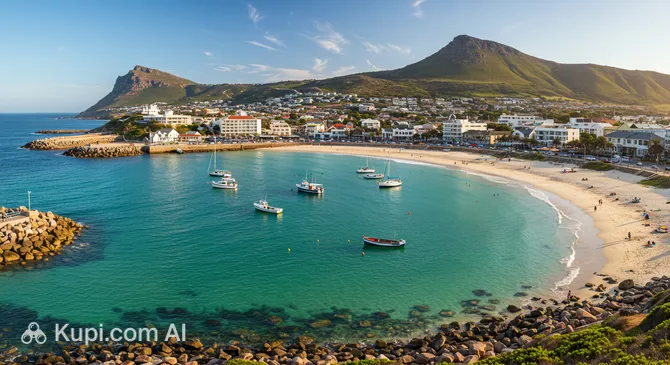
Saldanha Bay is a true gem of the Western Cape, nestled on the picturesque coast of the Atlantic Ocean. Located in South Africa, this town is famous for its magnificent natural harbor, azure waters, and endless white sandy beaches. Its geographical location makes it a true paradise for those seeking harmony between the beauty of wild nature and the comfort of a developed settlement.

Saldanha Bay. Illustration.
Source: Kupi.com AI

With a population of around 108,000, Saldanha Bay combines the status of an important port and industrial center with the relaxed atmosphere of a resort. There is always a fresh sea breeze, and life flows at a steady pace, allowing guests to escape the hustle and bustle of the city. The fascinating history of Saldanha Bay, inextricably linked to the sea and fishing traditions, adds a special flavor that can be felt while strolling along the waterfront.

Tourists come here for active recreation and to connect with nature. The bay and lagoon are ideal for water sports, and the surrounding areas are rich in unique flora and fauna, attracting ecotourism enthusiasts. Saldanha Bay is worth visiting for its stunning ocean sunsets, gastronomic discoveries, and warm hospitality that makes this corner of the West Coast unforgettable.

Weather Overview

The climate of this region is characterized by its mildness and comfort, making it an attractive destination almost year-round. If you are planning a trip, it is useful to check the weather in Saldanha Bay in advance to choose the right wardrobe for walks by the ocean.

The summer months, from December to February, are pleasantly warm: the average temperature stays around 20°C, with daytime temperatures often reaching 24°C. This is the driest time of year when rain is almost non-existent, making it ideal for a beach holiday. Expect a sunny, pleasant summer and a cool winter with moderate temperatures that rarely drop below 10°C.

The winter period, from June to August, brings a refreshing change. Average temperatures drop to 13–14°C, and nights can be brisk — around 10°C. Although the number of days with potential precipitation increases during this time (up to 9 days in June), the total volume remains very low, so prolonged downpours are a rarity here.

Average monthly temperature

Average monthly precipitation

Interesting Facts

Beyond its main attractions, Saldanha Bay holds many fascinating secrets and unique features that reveal themselves to curious travelers. Here are a few facts to help you see this city from a new perspective.

  • Historic Maritime Heritage. The town is named after the Portuguese explorer António de Saldanha. It was in this bay in the 16th century that Europeans first landed on the west coast of South Africa, marking a turning point in the history of geographical discoveries in the region.

  • Record Depth. Saldanha Bay holds the title of the largest and deepest natural harbor in all of South Africa. This unique natural factor allowed for the creation of one of the country's most important ports, serving as the main gateway for the export of iron ore mined in the heart of the continent.

  • A Window into the Prehistoric World. Just a few minutes' drive from the city is the famous West Coast Fossil Park. This site is world-renowned for its fossil finds dating back over 5 million years, attracting scientists and tourists who want to touch the ancient history of the Earth.

  • Culture and the Sea. The life of the city is inextricably linked to the ocean, which is reflected in local traditions. Saldanha Bay is famous for its vibrant festivals dedicated to fishing and seafood, as well as its rich creative atmosphere fostered by local artists and craftsmen in their galleries.

How to Get There

When planning a trip to the West Coast, it is important to think through your logistics in advance, as there is no civilian airport in the town itself. You can find more about how to get to Saldanha Bay to choose the most convenient route. Most tourists arrive via major transport hubs in neighboring cities and then continue their journey along scenic roads.

The main air gateway for travelers heading here is Cape Town International Airport (IATA: CPT). Note that it is located in Cape Town, approximately 111.6 km from Saldanha Bay. This is a major international airport receiving flights from all over the world. The journey from the terminal to your destination by taxi or transfer will take approximately 1.5–2 hours. The road runs along the coast, offering beautiful views of the Western Cape.

For your convenience, here is a summary of the nearest airport:

AirportPassenger trafficDistance
Cape Town International Airport10.4 mln112 km

Regarding rail transport, there are no direct passenger trains to Saldanha Bay, as the local line is used primarily for industrial iron ore transport. Tourists are recommended to rent a car in Cape Town and take the R27 (West Coast Road). This is the most popular and comfortable way to reach the resort, allowing you to make stops at picturesque spots along the way.

Main Attractions

Saldanha Bay offers travelers a unique blend of natural beauty and historical sites. Although the town is primarily known as a port, there are several iconic places that allow you to touch the ancient history of the region and enjoy breathtaking panoramas of the Atlantic Ocean.

One of the most popular locations for viewing the surroundings is Hoedjieskop Hill. This elevation, located right within the town limits, serves as a natural lookout point. After climbing up, tourists can enjoy a magnificent view of the bay, the port, and the endless expanse of the ocean. It is an ideal spot for photo sessions, especially at sunset, when the sun paints the water and surrounding landscapes in golden hues. Additionally, old cottages have been preserved on the hill, adding historical charm to the place.

For those interested in Earth's history, the West Coast Fossil Park is a must-visit. Located in close proximity to the town, this world-class site transports visitors 5 million years back in time. Here you can see the well-preserved remains of extinct animals, including sabre-toothed cats and short-necked giraffes. The park offers fascinating guided tours, a museum, and a cafe, making it an excellent place for a family visit.

The heart of the town's tourist life remains Saldanha Bay Beach. Thanks to the bay's protection from strong waves, the water here is calm and relatively warm, attracting fans of swimming and water sports. The beach is popular with kitesurfers and sailing enthusiasts, and the shoreline is a pleasant place for a walk while watching seabirds and fishing boats. This spot is perfect for a relaxed holiday and outdoor picnics.

Local Cuisine

The gastronomic scene in Saldanha Bay is inextricably linked to the ocean, and seafood is rightfully considered the culinary heart of the city. Local menus are based on the freshest catches, which reach the table just hours after being harvested. The main delicacy of the region that every visitor must try is the famous Langebaan lagoon oysters. They are renowned for their delicate, slightly salty taste and are considered some of the best on the entire west coast of Africa.

Besides oysters, local restaurants and taverns offer excellent dishes made from mussels, calamari, and various fish. Fishing traditions are carefully preserved here: fish is often cooked over an open fire or served with aromatic spicy sauces, giving the food a unique character. For those looking for a quick snack, the popular street food — hearty fish pies and seafood pasties, as well as freshly baked bread with coarse sea salt — is worth trying. For gourmets seeking something exotic, dishes made from local seaweed and rare types of shellfish will be an interesting discovery.

Meals in Saldanha Bay are traditionally accompanied by excellent drinks. Wine lists prominently feature famous South African wines that perfectly complement the taste of seafood. Beer enthusiasts should definitely explore the local craft culture. Beer from the Black Eagle Brewing Company is particularly popular and has already become a legend among locals and visitors alike due to its quality.

The dining culture here is characterized by its casual and relaxed atmosphere. Locals often buy fish directly at morning markets and spend evenings in cozy pubs overlooking the harbor. Throughout the year, Saldanha Bay comes alive with food festivals. This is the best time not only to taste the main dishes of the West Coast but also to attend culinary masterclasses and immerse yourself in a true celebration of flavor.

Travel Tips

Preparing for a trip to Saldanha Bay is the key to a calm and fulfilling holiday in this picturesque corner of the West Coast. To help you feel confident and enjoy every moment, we have compiled a list of proven recommendations to help you navigate local peculiarities.

  1. Clothing and Equipment. The climate here is changeable even in the warm season. Due to the proximity of the cold Atlantic Ocean and the winds, a quality windbreaker or fleece jacket is a must-have, even in summer. During the day, you will need sunglasses and a hat (the sun is very intense), and for walking on nature trails, comfortable closed shoes.
  2. Transport Matters. Public transport in the town is limited and mainly serves local workers (minibus taxis). For comfortable movement, it is strongly recommended to rent a car. This will give you the freedom to visit remote beaches and neighboring towns. Taxi apps (like Uber) may work, but wait times are often long, especially in the off-season.
  3. Finances and Tipping. The local currency is the South African Rand (ZAR). Visa and Mastercard are accepted almost everywhere, from supermarkets to restaurants. However, always carry some cash for small expenses. In South Africa, there is a tipping culture: restaurants usually expect 10–15% of the bill, and it is also customary to give a few coins (2–5 Rand) to "car guards" who watch over your car in street parking lots.
  4. Health and Safety. Saldanha Bay is a relatively quiet town, but general safety rules should be followed: do not leave valuables in plain sight in your car and avoid unlit areas at night. Pharmacies here are well-stocked, but there may not be 24-hour ones, so it’s best to pack a personal first-aid kit in advance. Tap water is generally safe to drink, but bottled water is recommended for tourists with sensitive stomachs.
  5. Communication and Language. The main languages in the region are English and Afrikaans. Most locals speak English fluently, so communication will not be an issue. For mobile internet, it is best to buy a local SIM card (Vodacom or MTN) at the airport or a shopping mall (a passport is required). Wi-Fi is available in most cafes and hotels, but speeds can vary.
  6. Local Etiquette. Residents of the West Coast are known for their hospitality and relaxed attitude toward life. It is customary to greet shopkeepers and service staff and ask "how are you?". Don’t be surprised if service in cafes is a bit slower than in a metropolis — it’s part of the local relaxed rhythm ("Africa time").
  7. What to Avoid. Do not underestimate the ocean temperature. Even on a hot day, the Atlantic water remains very cold (about 12–15°C). Swimming without a wetsuit can be uncomfortable and even dangerous due to the risk of hypothermia, so enter the water with caution.
  8. Useful Tip. Consider the "wind factor." In the summer months, a strong wind often picks up in the afternoon. Plan your beach time and water activities for the morning, and leave your evenings for cozy dinners in restaurants protected from the breeze.

We hope these tips help you organize the perfect trip. Saldanha Bay is a place where nature dictates its own rules, and if you follow them, your holiday will be filled with only positive emotions and bright discoveries!

Entertainment & Nightlife

Nightlife in Saldanha Bay, like the town itself, is characterized by a calm and measured character. You won't find noisy metropolitan clubs open until dawn or neon-lit districts here. Instead, evening leisure consists of cozy gatherings in pubs overlooking the harbor, delicious seafood dinners, and lively conversations with locals over a glass of South African wine or local craft beer.

Most activity is concentrated along Main Road and the waterfront area. The atmosphere in local venues is casual and friendly. The crowd is diverse, ranging from local fishermen and port workers to tourists and surfers. There is practically no dress code anywhere — casual style is appropriate in any bar or restaurant in town. Most places close around midnight, so it is better to start your evening early to catch the sunset.

If you want to experience the local flavor, be sure to visit the Captain’s Cabin. This legendary establishment, located in a historical building, is extremely popular. Here you can not only have a hearty dinner of famous mussels but also spend the evening in the bar, where rugby matches are often broadcast and the lively atmosphere of a real port pub prevails.

For a more elegant evening, the bar at the Saldanha Bay Hotel is a great choice. This venue attracts guests with its terrace offering panoramic views of the bay. People come here for cocktails and a quiet setting conducive to conversation. If you are looking for excitement and dancing until morning, many tourists head to the nearby town of Langebaan (just 15–20 minutes by car), home to the Club Mykonos resort complex with a casino and a more active club scene.

Practical tips for evening outings:

  • Transport: Taxi services at night may operate at long intervals. The best option is a rental car with a designated driver or pre-booking a transfer through your hotel.
  • Safety: Central tourist areas and hotel grounds are safe; however, walking alone on remote or poorly lit streets, or near the industrial port at night, is not recommended.
  • Prices: The cost of food and drinks here is lower than in Cape Town, making a night out quite affordable.

Daytime entertainment in Saldanha Bay also deserves attention. While the town does not abound in theaters, it offers interesting opportunities for cultural and active leisure. History and ethnography buffs should visit the Saldanha Bay Cultural Village & Hoedjieskop Museum. This site allows you to dive into the region's past, see traditional dwellings, and learn more about the everyday life of local residents. Additionally, boat cruises around the bay and walks along nature trails are popular during the day, providing a great way to recharge before a cozy evening by the ocean.

Parks & Museums

Saldanha Bay opens up an amazing world for travelers, where the rugged beauty of the Atlantic coast harmoniously intertwines with carefully preserved historical heritage. The town and its surroundings offer tourists not only walks by the water but also the opportunity to get acquainted with the region's unique flora and learn about its rich maritime past through museum exhibits.

Nature plays the leading role here, and the town's green zones allow you to fully enjoy the biodiversity of the Western Cape. One of the key spots for ecotourism is the SAS Saldanha Nature Reserve. This territory, under the patronage of the naval forces, is accessible to civilians and famous for its hiking trails. The reserve is particularly beautiful in the spring (August and September), when the dry lands are covered with a carpet of wildflowers — the famous "fynbos." Here you can spot small antelope and many species of birds living in the coastal scrub.

Although the West Coast National Park technically borders the town, it is impossible not to mention it as the region's primary natural attraction. Just a few minutes' drive from the center of Saldanha Bay, this vast protected oasis surrounding the Langebaan lagoon begins. Tourists come here for birdwatching on the salt marshes and picnics overlooking the turquoise waters, which create a striking contrast with the wild dunes.

The cultural life of the town centers around its history as a fishing settlement and military outpost. The main site worth noting is the Saldanha Cultural Village. This open-air ethnographic museum features reconstructed traditional dwellings of indigenous peoples and early settlers. The exhibit allows you to immerse yourself in the life of fishermen from past centuries and learn about the crafts and traditions that shaped life on this shore.

Directly linked to the town's history is the Hoedjieskop Museum. Located in an old building on the hillside, it offers visitors a collection of photographs and artifacts telling the story of the port's development, famous shipwrecks, and the town's role during World War II. This place is interesting not only for its exhibits but also for its atmosphere, steeped in the spirit of maritime adventure.

Among the architectural monuments, St. Andrew’s Church is noteworthy. Built in the early 20th century, this building is a fine example of colonial architecture and serves as a reminder of European influence in the region. The simple yet elegant lines of the facade and the peaceful atmosphere inside make it an interesting stop during a walk around town.

For those seeking authentic experiences, we suggest visiting the North Head Lighthouse area. Although access to the lighthouse itself may be limited, a walk along the surrounding cliffs offers spectacular views of the bay entrance that rarely make it into standard guidebooks. It is the perfect place to feel the power of the ocean in solitude, away from the main tourist groups.

Getting Around

The public transport system in Saldanha Bay is significantly different from what tourists are used to in major European cities. There are no metros, trams, or trolleybuses, and the municipal bus network is limited and primarily oriented toward transporting local residents to workplaces in industrial zones. The town is stretched out along the coast, so distances can be significant, and relying solely on public transport for sightseeing can be challenging.

The most common and authentic form of transport is the minibus taxi. These white minibuses run on specific routes, connecting the town center, residential areas (like Vredenburg), and the surrounding districts. They do not have a set schedule: they depart once the vehicle is full. For a tourist, this can be an interesting cultural experience, but keep in mind that driving styles can be quite aggressive and comfort is minimal.

The payment system in minibuses is very simple and traditional: only cash is accepted. There are no transport cards, passes, or mobile apps for payment. The fare is fixed and depends on the distance, and it is usually quite low. Money is passed to the driver or their assistant upon boarding or while moving. It is strongly recommended to carry small bills and coins, as the driver may not have change for large banknotes.

If you decide to use a minibus, it’s important to know a few nuances. Stops are often not marked by signs: to catch one, you need to raise your hand while standing on the side of the road in the direction of travel. To get off, you must loudly inform the driver of your intention in advance. Minibus taxis operate actively during the day starting early in the morning, but their numbers drop sharply after sunset, making this form of transport unreliable in the evening.

For a more comfortable alternative, you can use classic taxi services. Generally, cars are not hailed on the street but called by phone. International ride-hailing services like Uber or Bolt also operate in the region, though wait times may be significantly longer than in Cape Town due to fewer drivers on the line. It is recommended to book a car in advance, especially if you need to get to the airport or an important meeting.

Given the local infrastructure, the most convenient way for travelers to get around remains renting a car. This provides full freedom of movement and allows you to easily reach remote beaches and nature parks. The roads in and around the town are in good condition, traffic jams are rare, and parking is rarely an issue: most shopping centers and attractions have free or inexpensive parking lots.

For those who prefer an active lifestyle, bike rentals are available, often offered by guest houses and hotels. A bicycle is great for riding along the scenic waterfront and visiting nearby beaches, but using it as your primary means of transport between districts can be tiring due to the distances and the wind. Walking is comfortable only within the central part of the town and tourist zones near the water.

Accommodation

Accommodation in Saldanha Bay is diverse and will meet the needs of most travelers, although you won't find an abundance of large chain resorts typical of major cities. The town offers a cozy atmosphere where Guest Houses, Bed & Breakfasts (B&Bs), and self-catering apartments predominate. This is an ideal option for those who value home comfort and the flexibility to plan their own schedule while traveling through South Africa.

As for neighborhoods, the choice depends on the purpose of your visit. Tourists wanting to be in the heart of the action should consider staying along the Main Road and near the waterfront. This is where the main restaurants are located, offering views of the active port life. For a more secluded and relaxed stay, the Bluewater Bay area is perfect. This is a quiet coastal zone with beautiful beach houses, ideal for morning walks along the ocean.

Among the classic accommodation options, the Saldanha Bay Hotel stands out, located right at the water's edge. It offers a full range of services and panoramic views of the bay, making it a popular choice for those accustomed to hotel service. Additionally, there are campsites and caravan parks in the vicinity, which are in demand among road trippers and nature lovers.

Booking Tip: Since Saldanha Bay is a popular destination for summer holidays (December–January) and for visiting during the wildflower season (August–September), it is strongly recommended to book accommodation in advance. During peak periods, the best sea-view options are often booked months before the trip.

The price range in the town can be described as moderate, especially compared to Cape Town. It is easy to find both budget rooms and more expensive luxury apartments with a view. Booking is available through all major international online platforms, though many owners of small private guest houses also welcome direct bookings.

Nearby Cities

For those looking to explore further afield, Saldanha Bay serves as an excellent starting point for day trips to several interesting nearby locations.

The undisputed favorite for a short trip is Cape Town. This world-famous metropolis, located just an hour and a half away, offers an incredible variety of experiences: from climbing the legendary Table Mountain to strolling along the vibrant Victoria & Alfred Waterfront. It is the perfect choice for those who want to combine cultural leisure with shopping and gastronomic discoveries.

History and winemaking enthusiasts should head to Paarl. This is one of the oldest towns in the country, part of the famous Cape Winelands route. Here you can enjoy wine tastings at historic estates, admire unique architecture, and visit the famous Afrikaans Language Monument perched on the mountainside.

If you are drawn to mountain landscapes and nature, consider Worcester. Nestled in the picturesque Breede River Valley, this town is surrounded by majestic mountain ranges. The main attraction here is the Karoo Desert National Botanical Garden, which houses a unique collection of succulents and plants from arid regions, making a trip here both educational and beautiful.

CityPopulationDistance
Saldanha68 28425 km
Velddrif11 01728 km
Saint Helena Bay11 52934 km
Darling10 42043 km
Moorreesburg12 87747 km

These nearby destinations offer a glimpse into the diverse culture and landscapes of the region, making your West Coast holiday even more fulfilling.

Shopping & Souvenirs

General Overview. Shopping in Saldanha Bay cannot be described as large-scale in the traditional sense: you won't find districts with luxury boutiques or endless rows of fashion outlets. The town's commercial sphere is oriented more toward practicality and convenience, offering guests everything needed for a comfortable stay by the ocean. For major purchases and well-known brands, locals and tourists usually head to the neighboring town of Vredenburg, considered the commercial hub of the entire region, while Saldanha Bay itself is dominated by shops selling essentials and local products.

Main Shopping Areas. Within the town, shopping life is mainly concentrated along the central street — Main Road. Here, a calm atmosphere prevails, with small private shops, pharmacies, supermarkets, and specialty stores for fishing and water sports gear. It is a convenient place to buy beach supplies, souvenirs, or just take a stroll. For more serious shopping, it's better to drive about 15 kilometers inland to Vredenburg.

Shopping Centers. The most popular shopping destination in the immediate vicinity is the West Coast Mall in Vredenburg. This modern and spacious complex features major South African retailers (such as Woolworths, Checkers, and Cape Union Mart), clothing and electronics stores, as well as restaurants and a cinema. In Saldanha Bay itself, the Saldanha Shopping Centre operates — a more compact mall perfect for daily grocery runs and household needs without leaving the resort area.

Markets. Since the town is famous for its fishing industry, the main "markets" here can be considered the seafood outlets. Tourists should definitely visit specialized fish shops near the harbor or local shellfish farms. Here, you can buy the freshest mussels and oysters directly from producers at prices significantly lower than in restaurants. Occasional weekend craft markets are also organized, where home-baked goods and handmade items are sold.

Souvenirs. As a memento of the trip, travelers primarily bring home gastronomic specialties from Saldanha Bay. Traditional South African biltong (cured meat) and droëwors (dried sausages) make excellent gifts. You should also look for wines from the Swartland and West Coast regions. Maritime-themed souvenirs are popular: shell and wood decor, as well as natural cosmetics and tea made from the famous South African rooibos shrub.

Opening Hours and Payment. Most shops are open Monday through Friday from 09:00 to 17:00 or 18:00. On Saturdays, the working day often ends at 13:00, and on Sundays, only large shopping centers and grocery supermarkets are open (usually until 14:00 or 15:00). International bank cards are accepted almost everywhere, though it is recommended to carry cash for market purchases or tips for car guards.

Tax Free. Foreign tourists in South Africa can claim a Value Added Tax (VAT) refund, which is 15%. A refund is possible for purchases over 250 Rand on a single receipt. To do this, you must request a special Tax Invoice at the shop and present it along with the goods and your passport at the tax refund desk at the departure airport (e.g., in Cape Town) before checking in for your flight.
Reached the end of the page?

That means the route is fully explored