Support

Stellenbosch

About

Stellenbosch is a true gem of the South African wine region, nestled in a picturesque valley just 50 kilometers east of Cape Town. Surrounded by lush vineyards and blooming gardens, this city is famous for its unique atmosphere, where history harmoniously intertwines with modernity. Stellenbosch is the heart of the Western Cape's wine country, and the air here is literally infused with the aromas of ripe grapes, freshly brewed coffee, and warm bread.

As the country's second-oldest city, founded back in 1679, Stellenbosch today is not only an important administrative and cultural center but also home to the renowned Stellenbosch University. With a population of about 22,000, it retains the charm of a small European town with its measured and hospitable way of life. The students at the university bring energy and a distinct intellectual aura to city life.

Stellenbosch. Illustration.
Source: Kupi.com AI

Strolling through Stellenbosch is like stepping back in time: narrow cobbled streets, shady oak alleys, and beautifully preserved Cape Dutch-style buildings create a sense of historical immersion. The city is famous for its wineries, many of which offer fascinating tours and tastings of superb local wines. Additionally, there are many cozy cafes and restaurants where you can enjoy local cuisine.

Stellenbosch is the ideal destination for those seeking beautiful landscapes, quality wines, and authentic South African hospitality. A visit to this charming city will undoubtedly leave you with the warmest and most vivid impressions.

You can find more interesting facts on the history of Stellenbosch page.
Weather Overview

The weather in Stellenbosch is characterized by warm, predominantly dry summers and mild, wetter winters. In the summer months, such as January and February, the average temperature hovers around 22-23°C, with maximums reaching 28-29°C. Precipitation is minimal during this time of year, with few rainy days.

In winter, especially in June and July, the average temperature drops to 11-12°C, with night minimums reaching 6-7°C. This period is also the wettest, with the highest amount of rainfall and rainy days. Overall, expect comfortably warm summers with little rain and cool, wetter winters. For more detailed information, you can study the Stellenbosch climate on our dedicated page.

Average monthly temperature

Average monthly precipitation

Interesting Facts

Beyond its world-famous vineyards and stunning landscapes, Stellenbosch holds many surprising stories and little-known details that make it truly unique. Here are just a few interesting facts that will help you look at this charming city from a new perspective:

Stellenbosch University Botanical Garden. Illustration.
Source: Kupi.com AI

Traveler photos:

  • Dorp Street — The Historical Heart: Stellenbosch boasts one of the longest streets in South Africa with continuous historical architecture — Dorp Street. A walk along it is comparable to a journey through time, as many of the beautifully preserved houses here were built in the 18th and 19th centuries.

  • University Spirit and Cultural Center: The city is home to one of Africa's leading universities — Stellenbosch University. Thanks to this, Stellenbosch is not just a historical site but also a vibrant cultural hub with numerous theaters, exhibitions, festivals, and youth events. The university also houses the famous Botanical Garden, which is a true oasis of peace and beauty.

  • Time Travel at The Village Museum: Stellenbosch features a unique open-air museum — The Village Museum. It consists of several restored historical houses, each representing a specific period in the city's history, allowing visitors to literally immerse themselves in the daily life of the early European settlers.

  • South Africa's Unofficial Wine Capital: While many know of the region's winemaking traditions, not everyone knows that Stellenbosch proudly holds the unofficial title of the "wine capital" of South Africa. Annual wine festivals gather the best producers here, and local wines regularly win prestigious international awards, confirming the high quality of the products.

How to Get There

The most convenient way to reach the picturesque town of Stellenbosch, the heart of South Africa's wine region, is by air, landing in nearby Cape Town. The main arrival point for most tourists is Cape Town International Airport (CPT). This large and modern airport is located in Cape Town, approximately 24 km from Stellenbosch. From here, Stellenbosch can be easily reached by taxi, rental car, or shuttle service; the trip usually takes about 30-45 minutes, depending on traffic conditions.

For your convenience, here is a summary of the main airport serving Stellenbosch:

AirportPassenger trafficDistance
Cape Town International Airport10.4 mln24 km

In addition to flying into Cape Town and transferring, Stellenbosch is well-connected by road to Cape Town and other cities in the region. Traveling by car from Cape Town is a popular option, allowing you to enjoy the views along the way. Direct rail links to Stellenbosch for long-distance travel are less common; the primary focus is on road transport to reach the town from major transport hubs like Cape Town Airport.

Main Attractions

Stellenbosch, lush with greenery and rich in history, offers its guests many interesting sites. This charming city in the heart of South Africa's wine region is famous not only for its wines but also for its cultural and natural attractions.

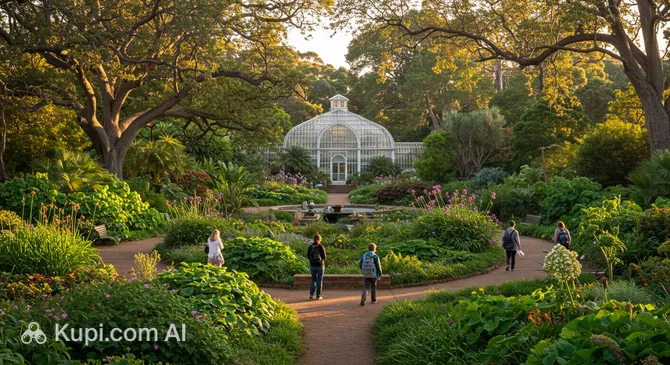
One of the city's gems is the Stellenbosch University Botanical Garden. This is the oldest university botanical garden in South Africa, housing an impressive collection of plants from around the world, including rare and endemic species, within a compact area. The garden is perfect for leisurely strolls, studying flora, and relaxing in the shade of trees. Here you can see themed gardens, greenhouses with tropical plants, and ponds with water lilies.

Stellenbosch University Botanical Garden. Illustration.
Source: Kupi.com AI

Traveler photos:

Art lovers should definitely visit the Rupert Museum. Its exhibition features a significant collection of 20th-century South African art, including works by masters such as Irma Stern, Jacob Hendrik Pierneef, and Maggie Laubser. The museum is located in a beautiful building and offers a deep dive into the cultural heritage of the region. It is an excellent place to get acquainted with the work of South Africa's leading artists.

Rupert Museum. Illustration.
Source: Kupi.com AI

Traveler photos:

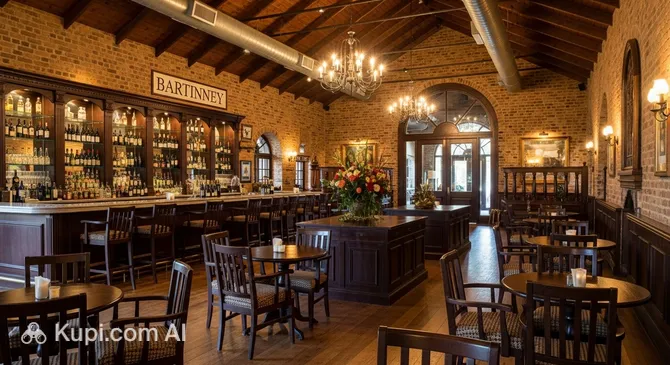
For those who wish to appreciate the famous local wines in a stylish setting, the Bartinney Wine & Champagne Bar is an excellent choice. Located in the city center, this bar offers a wide selection of wines from its own production as well as other local wineries. The cozy atmosphere and quality drinks make it a popular spot for both tourists and locals looking to enjoy an evening in good company.

Bartinney Wine & Champagne Bar. Illustration.
Source: Kupi.com AI

Traveler photos:

If you are looking for shopping or want to immerse yourself in the daily life of the city, check out the Eikestad Mall. Here you will find a variety of shops, from well-known brands to local boutiques, as well as cafes and restaurants. It is a convenient place to buy souvenirs, essentials, or simply spend time observing the city's hustle and bustle.

Eikestad Mall. Illustration.
Source: Kupi.com AI

Traveler photos:

Local Cuisine

The culinary scene in Stellenbosch is a true feast for the senses, where exquisite flavors meet magnificent wines. The city's cuisine is a harmonious blend of European culinary traditions and African accents, making every dish unique. If you appreciate quality food and drink, Stellenbosch will undoubtedly become one of your favorite destinations.

Among the dishes you must try in Stellenbosch is bobotie – a fragrant meat bake with spices, dried fruits, and a characteristic egg-and-milk topping. Another local delicacy is biltong, cured meat that serves as the perfect snack with a glass of local red wine. Fresh seafood dishes, game such as wild boar, and various handmade cheeses are also popular.

When speaking of beverages, it is impossible not to mention that Stellenbosch is the heart of South Africa's wine region. Local wines, especially red varieties like Pinotage and whites like Sauvignon Blanc, are world-renowned. Numerous wine estates, such as Waterford Estate, Spier, and Delaire Graff, invite you for tastings where you can not only enjoy the wine but also learn about its creation. Besides wine, you can find craft beer and refreshing drinks based on local fruits.

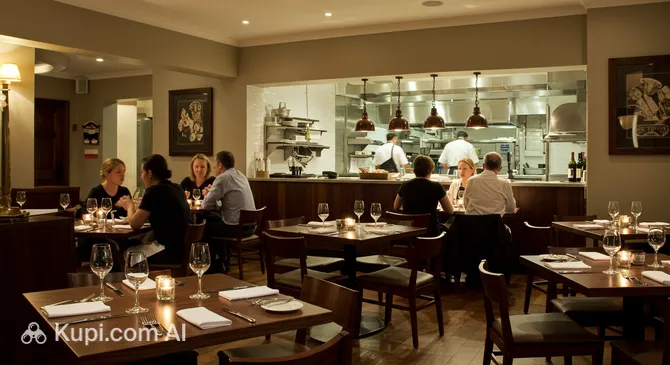
The food culture in Stellenbosch is diverse. Locals and tourists love dining at elegant restaurants on wine estates, which offer gastronomic sets overlooking the vineyards. In the city itself, there are also many restaurants for every taste, from cozy bistros to fine dining establishments like The Fat Butcher, known for its meat dishes. Farmer's markets are another popular spot where you can buy the freshest products: homemade pies, artisanal bread, cheeses, and, of course, wines from small producers.

The Fat Butcher. Illustration.
Source: Kupi.com AI

Traveler photos:

Street food in Stellenbosch also deserves attention. Here you can try aromatic samosas (pastries with spicy fillings) or sweet koeksisters – braided donuts soaked in syrup. This is a great way to have a quick and delicious snack while experiencing the local flavor.

Overall, the Stellenbosch food scene is characterized by high quality, an emphasis on fresh local ingredients, and, certainly, a close connection to wine culture. The city regularly hosts various food festivals, including the famous Stellenbosch Wine Festival, making it a true paradise for gourmets and wine connoisseurs.

Travel Tips

Welcome to Stellenbosch, a charming city in the heart of South Africa's wine region! To make your trip as comfortable and memorable as possible, we have prepared some practical tips to help you find your way and enjoy every moment of your stay.

  1. What to Bring: Clothing and Essentials.

    The climate in Stellenbosch is Mediterranean: summers (November-March) are hot and dry, and winters (June-August) are mild and rainy. In summer, you will need light clothing, a hat, sunglasses, and sunscreen. In winter, it's worth bringing warm clothes, a sweater, and a waterproof jacket. Comfortable shoes are a must at any time of year, as you will be doing a lot of walking through vineyards and the historic city center. Don't forget a power adapter (South Africa uses Type M). There is no special dress code for most places, but smart-casual attire may be appropriate for dinner at some estate restaurants.

  2. Getting Around: Transport Options.

    The center of Stellenbosch is quite compact and easy to explore on foot. However, to explore the wine estates scattered around the outskirts, it is best to rent a car. Driving in South Africa is on the left. Taxi services and popular ride-hailing apps like Uber or Bolt are also available. Public transport in the form of minibus taxis exists but may not be very convenient for tourists unfamiliar with local routes.

  3. Financial Matters: Currency, Cards, and Tipping.

    The local currency is the South African Rand (ZAR). You can exchange money at banks, exchange offices, or withdraw it from ATMs, which are widely available. Credit and debit cards (Visa, Mastercard) are accepted almost everywhere. It is recommended to notify your bank of your trip. Tipping in South Africa is a common practice: in restaurants, it is customary to leave 10-15% of the bill if service is not included. It is also customary to give small tips to car guards, porters, and petrol station attendants. An approximate daily budget could be 800-1500 ZAR per person (excluding accommodation), depending on your plans for tastings and dining.

  4. Health and Safety: Stay Mindful.

    Stellenbosch has pharmacies and good medical facilities, including Mediclinic Stellenbosch. It is highly recommended to take out travel medical insurance before your trip. The city is considered relatively safe, especially tourist areas and wineries during the day. However, as with anywhere, basic precautions should be taken: do not leave valuables unattended or in plain sight in a car, and avoid walking alone in poorly lit or deserted areas after dark. Stay vigilant and watch your belongings.

  5. Communication: Language, Connectivity, and Internet.

    There are 11 official languages in South Africa. In Stellenbosch and the Western Cape, Afrikaans and English are most common. English is widely used in the tourism sector, so communication should not be a problem. Nevertheless, a few phrases in Afrikaans, such as "Goeie môre" (Good morning) or "Dankie" (Thank you), will be welcomed with a smile by locals. A local SIM card can be purchased at the airport or in town (a passport is required for registration). Wi-Fi is available in most hotels, cafes, and restaurants.

  6. Local Etiquette: Respect and Friendliness.

    South Africans are generally very friendly and hospitable. A greeting usually includes a handshake and a smile. Polite and respectful behavior is valued in public places. When visiting wineries, don't hesitate to ask questions – the staff is usually happy to share their knowledge. Patience and openness will help you connect with the locals.

  7. What to Avoid: Important Points.

    Try not to openly display expensive jewelry or large amounts of cash to avoid attracting unnecessary attention. Also, while South Africans are sociable, it is better to avoid pushing discussions on sensitive political or historical topics unless your companions initiate them and you feel well-informed enough for a respectful dialogue.

  8. Additional Tip: Plan Your Winery Visits.

    Stellenbosch is primarily about wine. Many wineries offer tastings, tours, and excellent restaurants. It is recommended to book popular spots in advance, especially during the peak season (December-February). Don't try to visit too many wineries in one day – it's better to take your time and enjoy the atmosphere and quality of each one. Many estates also offer non-alcoholic options and picturesque picnic spots.

We hope these tips help you plan an unforgettable trip to Stellenbosch! This city is sure to charm you with its beauty, hospitality, and, of course, its magnificent wines. Enjoy your trip!

Entertainment & Nightlife

Stellenbosch, known for its wineries and university, offers a vibrant nightlife that is particularly attractive to young people and students. As evening falls, the city transforms, and its streets fill with energy and fun. The main concentration of nightlife venues is in the city center, especially on the streets around the historical core and the university campus.

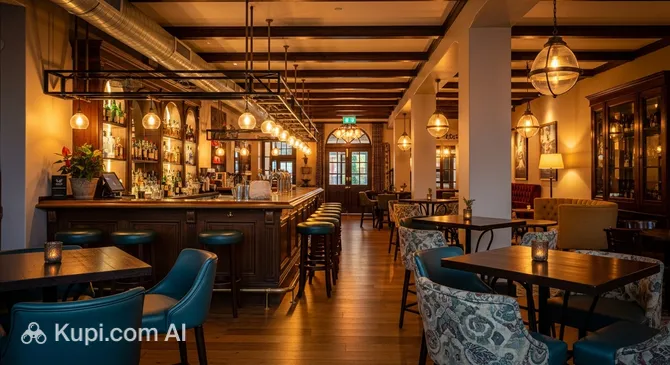
The atmosphere in most Stellenbosch bars and pubs is quite casual and friendly. You can meet both locals and students from all over the world here. The dress code is usually casual, although some more refined wine bars may suggest a more elegant style. Most venues start coming to life after 8:00–9:00 PM and stay open until late at night, especially on weekends. If you are looking for something specific, the Coopmanhuijs Bar offers a cozy setting and a good selection of drinks. Another popular spot is the Bartinney Wine & Champagne Bar, where you can enjoy the region's exquisite wines in a stylish atmosphere.

Coopmanhuijs Bar. Illustration.
Source: Kupi.com AI

Traveler photos:

In addition to bars, Stellenbosch has several restaurants that stay open late and offer not just dinner, but also a pleasant environment to enjoy drinks. For example, The Fat Butcher is known for its meat dishes and lively evening atmosphere. While there are not as many classic nightclubs as in major metropolises, some bars host dance parties or invite DJs.

Practical tips for nightlife in Stellenbosch:

The best time to visit bars is Friday and Saturday evenings when the city is most lively. Average drink prices are quite affordable, especially in student-oriented venues. Walking through the city center at night is generally safe, particularly in busy areas. However, if you live far from the center or simply prefer comfort, it is better to use a taxi or popular ride-sharing apps. It is recommended to book taxis through official services or apps to avoid any issues.

During the day, Stellenbosch also offers many interesting activities. You can visit the Rupert Museum with its impressive collection of South African art or stroll through the picturesque Stellenbosch University Botanical Garden. For shopping enthusiasts, the doors of the Eikestad Mall are open. Thus, Stellenbosch offers diverse entertainment both day and night, making it an attractive destination for tourists with various interests.

Parks & Museums

Stellenbosch, a charming city in the heart of South Africa's wine region, offers its guests not only exquisite wines but also rich opportunities to connect with nature and culture. Here, well-kept green spaces and significant historical and artistic sites harmoniously combine to satisfy the interests of diverse travelers.

One of the city's main "green" treasures is the Stellenbosch University Botanical Garden. This is the oldest university botanical garden in South Africa, where you can spend hours walking among diverse plant collections, including local fynbos species, exotic flowers, and themed gardens such as the bonsai garden and the medicinal herb garden. It is an ideal place for a quiet rest, an educational walk, and enjoying the beauty of nature.

For lovers of active recreation and impressive landscapes, the outskirts of Stellenbosch offer the Jonkershoek Nature Reserve. Nestled among majestic mountains, it is famous for its numerous hiking and cycling trails, waterfalls, and unique fynbos vegetation. This is a wonderful opportunity to enjoy nature and take unforgettable photos.

Stellenbosch's cultural life is equally vibrant. Art connoisseurs are strongly recommended to visit the Rupert Museum. Its collection features significant works of South African art covering the period from 1940 to the 1970s, including works by famous masters such as Irma Stern and Jean Welz. The exhibition is housed in a modern building and provides an excellent overview of the development of artistic thought in the country.

To dive deeper into the history of the city and learn about the daily life of its first settlers, be sure to stop by the Stellenbosch Village Museum. This unique museum complex consists of four restored historical houses, each representing a specific era in the city's development, starting from the end of the 17th century. Walking through these houses, furnished with authentic furniture and household items, allows you to literally feel the spirit of the time and imagine life in past centuries.

Stellenbosch itself is a kind of open-air museum, especially its historical center. Stroll along Dorp Street, one of the oldest and best-preserved streets in South Africa, to admire the many Cape Dutch-style buildings with their characteristic white gables, thatched roofs, and ancient oaks. Many of these buildings are national monuments and hold centuries of history.

Tip for the curious: Don't limit yourself to just the well-known attractions. Peek into small art galleries and craft shops often hidden on the quiet side streets of Stellenbosch – there you can find unique handmade souvenirs and get acquainted with the work of contemporary local artisans. It is also worth taking a leisurely walk through the picturesque Stellenbosch University campus, which itself is an interesting architectural ensemble with beautiful green areas and historical buildings.

Getting Around

Getting around Stellenbosch is quite simple, given its compact size. Many central areas and the university campus are perfectly accessible on foot. However, for longer trips or if you want to save time, there are several public transport options and alternative ways to get around.

The main types of public transport in Stellenbosch are minibus taxis (often called simply "taxis" or "minibus taxis") and, to a lesser extent, formal bus routes if they serve the town. Minibus taxis are a very common way to travel throughout South Africa. They follow specific, though not always clearly marked, routes and stop at the request of passengers. Formal buses, if available, will have a more structured schedule and stops.

The payment system for public transport in Stellenbosch is generally straightforward. In minibus taxis, payment is made in cash directly to the driver or conductor upon boarding or exiting. The cost of a trip depends on the distance and is usually very affordable. It is recommended to carry small bills. For formal buses, if they are running, tickets may also be sold for cash by the driver, or there may be local transit cards, though this is less likely for a smaller town.

Tourists planning to use public transport should keep a few things in mind. To catch a minibus taxi, simply signal with your hand to the driver on the side of the road along their route. To get off, inform the driver in advance. Schedules for minibus taxis usually don't exist; they run as they fill up. Information about formal bus routes (if any) can be sought online or at bus stops. Public transport hours may be limited in the evenings and on weekends.

In addition to public transport, other convenient ways to get around are available in Stellenbosch. Private taxis and popular ride-sharing services (such as Uber or Bolt) are widespread and offer a more comfortable and predictable travel option, especially in the evening. Given the pleasant climate and picturesque surroundings, renting a bicycle is a great way to explore the town itself and the nearby wineries. For traveling throughout the wine region or for greater independence, renting a car is worth considering.

Accommodation

Stellenbosch, the heart of the South African wine region, offers tourists a wide range of accommodation options to suit every taste and budget. Here you will find everything from cozy guesthouses and self-catering apartments to boutique hotels, luxury lodges on wine estates, and more budget-friendly options.

For those who prefer to be in the center of the action, hotels and guesthouses in the historical center of Stellenbosch are an excellent choice. This location provides easy access to numerous restaurants, cafes, shops, and attractions, such as the Stellenbosch University Botanical Garden or the Rupert Museum. Many wineries surrounding the city also offer unique accommodation opportunities, combining comfort with stunning views of the vineyards and mountains. This is an ideal option for those seeking tranquility and immersion in the winemaking atmosphere.

While specific hotels are not listed in the attractions, Stellenbosch abounds with lodging options. The price range varies from affordable guesthouses to exclusive offers on wine estates. You can book accommodation through popular online platforms, travel agencies, or by contacting the chosen hotel or guesthouse directly.

Booking Tip: Especially during the peak tourist season (usually from November to March) and during major festivals, it is recommended to book your accommodation in Stellenbosch in advance. This will allow you to choose the best option in terms of price and quality and avoid a lack of availability.

Nearby Cities

For those who want to explore the surrounding area, Stellenbosch serves as an excellent starting point for day trips to several interesting nearby locations:

Among the nearest notable places is Cape Town, located just 40 km from Stellenbosch, which offers the world-famous Table Mountain, the vibrant Victoria & Alfred Waterfront, picturesque beaches, and a rich cultural life. Also worth visiting is Paarl, located about 24 km away, known for its wineries, historical architecture, and the impressive Paarl Rock granite outcrop. These and other destinations are easily accessible for day trips and are presented in the table below.

CityPopulationDistance
Kuils River46 68616 km
Khayelitsha391 74920 km
Paarl112 04524 km
Mitchells Plain310 48527 km
Cape Town433 68840 km

These nearby destinations provide a glimpse into the diverse culture and landscapes of the South African region, complementing the experience of staying in Stellenbosch.

Shopping & Souvenirs

Stellenbosch, known for its wineries and historical architecture, also offers pleasant shopping opportunities. The city is famous not only for excellent wines, which can be purchased almost everywhere, but also for unique products by local artisans, works of art, and designer boutiques. Here you will find both modern shopping centers and charming little shops scattered along the picturesque streets.

The city's main shopping arteries are Dorp Street and Church Street. Strolling along these historical streets, you will find numerous boutiques, art galleries, souvenir shops, and stores offering jewelry, clothing from local designers, and antiques. It is an ideal place for leisurely shopping in an old-town atmosphere.

If you prefer a more concentrated shopping experience, it is worth visiting the Eikestad Mall. This is one of the main shopping complexes in Stellenbosch, where various clothing, electronics, and home goods stores, as well as supermarkets and cafes, are gathered under one roof. Here you can find both well-known brands and local labels.

Various markets are regularly held in Stellenbosch and its surroundings, especially on weekends. These can be farmers' markets with fresh local produce, cheeses, and pastries, as well as craft fairs where you can buy unique handmade souvenirs, ceramics, textiles, and jewelry. Visiting such a market is a great way to experience the local culture and buy something special as a keepsake.

As for souvenirs, the ultimate "must-have" from Stellenbosch is, of course, wine. Many wineries offer tastings and sales of their products. Besides wine, look for works by local artists and artisans – these could be paintings, sculptures, ceramics, leather goods, or woodwork. Souvenirs featuring the protea – the national flower of South Africa – are also popular, as are traditional African jewelry and textiles.

Most shops in Stellenbosch are open Monday through Friday from approximately 9:00 AM to 5:00 PM or 6:00 PM, and on Saturdays until 1:00 PM or 3:00 PM. Some major shopping centers and shops in tourist areas may have longer hours and also open on Sundays. Credit cards from international payment systems (Visa, MasterCard) are accepted almost everywhere. Cash is also widely used, especially at markets and in small shops.

For tourists shopping in South Africa, there is a VAT Refund system. If you spend a certain amount in shops participating in the Tax Free program, you can claim a tax refund upon leaving the country. To do this, you must keep your receipts and fill out special forms at the airport. Check the details with sellers when making large purchases.

Reached the end of the page?

That means the route is fully explored