Support

Donglong Temple

About

Donglong Temple, located in the coastal city of Donggang, is one of the most important religious centers in southern Taiwan. It is the oldest and primary temple dedicated to the Wang Ye tradition—patron deities believed to protect against disease and misfortune. For locals and pilgrims, it is not just a place of worship but the heart of centuries-old cultural traditions passed down through generations.
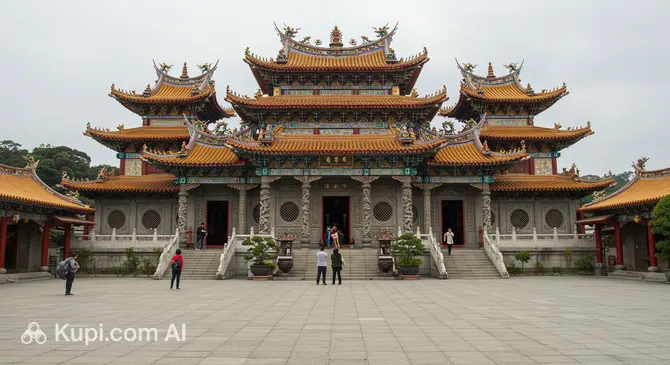
Donglong Temple. Illustration.
Source: Kupi.com AI

Traveller photos:

The temple's architecture is a striking example of the traditional style characteristic of Southern China and Taiwan. Visitors are greeted by ornate, sweeping roofs adorned with dragon figures, exquisite wood and stone carvings, and numerous statues of deities and mythical creatures. Every detail here is filled with deep symbolic meaning, reflecting local beliefs and customs, making the temple a true work of art.

Although Donglong Temple is best known for its grand King Boat Burning Festival held every three years, it attracts visitors year-round. On ordinary days, an atmosphere of peace and tranquility prevails, allowing you to escape the hustle and bustle and immerse yourself in local culture. It is a wonderful place for those wishing to discover the authentic spiritual life of Taiwan.

Contacts

To get the most up-to-date information regarding opening hours and available tours at Donglong Temple, it is recommended to check the official tourism portals for the city of Donggang or inquire locally. The temple is a major landmark, so finding it is easy by following signs or asking residents for assistance.

How to contactContact
AddressNo. 21-1號, Donglong St, Donggang Township, Pingtung County, Taiwan 928
Phone+886 8 832 2961
Websitewww.66.org.tw

What to Do

Visiting Donglong Temple is a unique opportunity to experience the ancient rituals and beliefs of Taiwan. The main draw for visitors is learning about the Wang Ye cult—powerful protector spirits believed to ward off illness and misfortune. You can observe traditional rites and ceremonies performed with great reverence by the locals.

Of particular interest is the famous festival culminating in the spectacular Boat Burning ritual. This colorful and deeply symbolic event concludes a multi-day religious holiday and attracts spectators from all over the country. If your trip coincides with this event, you will have an unforgettable experience watching one of the most vibrant traditional celebrations in Donggang.

Even on a regular day, the temple offers plenty to see. You can leisurely explore the numerous altar halls, admire the intricately crafted statues of deities and relics, and learn more about local traditions by watching worshippers make offerings and pray. This place is also ideal for quiet walks and photography, allowing you to fully feel the peaceful atmosphere and cultural richness of this ancient site.

Getting There

Donglong Temple is located in the city of Donggang, in southern Taiwan. You can reach it independently or as part of a guided tour. First, you need to get to the city of Donggang itself. Regular trains and intercity buses depart from major transport hubs such as Kaohsiung or Taipei. A trip from Kaohsiung, the nearest large city, takes about 1–1.5 hours by car or bus, making the temple a convenient spot for a day trip.

After arriving in Donggang, there are several ways to reach the temple directly. The fastest and most comfortable option is taking a taxi, which will take you right to the gates of the complex. For more budget-conscious travelers, local public transport is available. It is worth checking city bus routes in advance to find the one that stops closest to the site.

If you prefer not to spend time planning the route, you can use the services of local travel agencies. Many companies, especially in Kaohsiung, offer pre-arranged tours that include a visit to Donglong Temple. This is an excellent way to see the shrine and learn more from a professional guide without worrying about logistics.

Nearest city: Donggang

History & Facts

Donglong Temple in Donggang is more than just a beautiful structure; it is one of the most significant spiritual centers in Taiwan. Its history dates back to 1706, when it was founded and quickly became the primary place of worship for the patron deities known as Wang Ye. Historians believe this tradition was brought to the island by settlers from China's Fujian province in the 17th and 18th centuries, making the temple a living witness to the region's cultural ties.

An interesting fact about the origin of the cult is its "portability." The first deity figures brought by travelers and migrants were quite small, allowing them to be easily transported to establish new places of worship. Over time, as the community in Donggang took root, the temple grew and developed into the majestic complex seen today.

By the 19th century, Donglong Temple had finalized its most famous and spectacular tradition—the King Boat Burning Festival. This grand event, concluding days of religious ceremonies, symbolizes the expulsion of evil spirits and diseases. A lavishly decorated, life-sized boat is paraded through the city streets and then burned on the shore, sending the patron deities back to their celestial realms.

Although the Wang Ye cult began to fade in some regions during the 20th century, Donglong Temple and its unique traditions not only survived but received a new impetus for development, including during the period of Japanese rule. Thanks to this, thousands of pilgrims and tourists today can experience this distinctive part of Taiwanese culture, preserved in all its splendor.

Time Needed

To fully enjoy the atmosphere and explore Donglong Temple, most travelers will need about 1 to 2 hours. This is usually enough time to leisurely admire the impressive architecture of the temple complex, appreciate the intricate carvings and vibrant decorative elements, and feel its spiritual significance for local residents.

If you are short on time, a quick walk-through of the main buildings takes about 45 minutes. However, to truly immerse yourself in the ambiance, it is worth setting aside more time. You will be able to not only take magnificent photos but perhaps also witness one of the traditional ceremonies. For those interested in the religious traditions and culture of Taiwan, a visit to the temple in Donggang may take more than two hours, offering a deep and memorable experience.

Working Hours

Donglong Temple in Donggang, like most temples in Taiwan, is generally open to visitors daily throughout the year. The temple doors are usually open from early morning until late evening, allowing tourists and worshippers to visit at their convenience. For a standard sightseeing visit, no advance booking or ticket purchase is required.

Despite its general accessibility, exact opening hours may vary, especially during major festivals or religious ceremonies. To avoid inconvenience, it is highly recommended to check current information on the temple's official website or tourism portals dedicated to Donggang before your trip. This ensures you can plan your visit effectively.

5:00 – 23:00

Nearby

Visiting such a significant landmark as Donglong Temple is a highlight in itself. However, to truly experience the atmosphere of Donggang, it is worth venturing beyond a single site. Exploring the surroundings allows you to see how historical and cultural sites are woven into everyday life and discover hidden gems that don't always make it into standard guidebooks.

A walk nearby can lead you to cozy parks, authentic markets, or other points of interest. This is a great opportunity to dive deeper into local culture, try traditional cuisine, and make your journey through Taiwan even more rich and memorable. Below is a list of places located within walking distance.

NameDistance
Dapeng Bay Hotel0.4 km
H-khùn Bar Donggang0.5 km
Donggang Donglong Temple0.7 km
Donggang Tuna Sashimi & Sushi Restaurant0.8 km
Huaqiao Fish Market0.8 km
Zhenhai Park0.8 km
Jialian Community Wetland Park0.8 km

Reached the bottom of the page?

Looks like you know this route inside out