Support

Chachoengsao

About

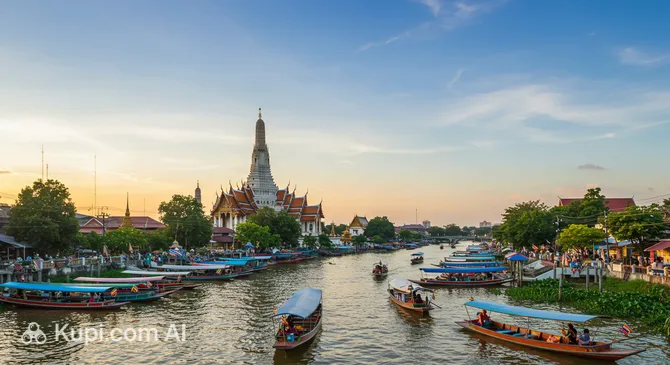
Chachoengsao is a charming city located in the heart of the fertile Bang Pakong River valley, just 50 kilometers east of Bangkok. Thanks to its favorable location, it is easily accessible for travelers wishing to see the authentic Thailand away from the capital's hustle and bustle. The city is surrounded by picturesque landscapes: endless rice fields, lush tropical forests, and famous fruit orchards where some of the country's best mangoes are grown.

Chachoengsao. Illustration.
Source: Kupi.com AI

With a population of around 40,000, Chachoengsao maintains a measured and calm pace of life while remaining an important cultural center for the region. Here, the past and present combine in a fascinating way. The captivating history of Chachoengsao is reflected in the architecture and daily life of its residents: majestic ancient temples stand alongside bustling modern markets, creating a unique atmosphere of authenticity.

The city attracts guests with its hospitality and the opportunity to experience traditional culture. Sunset walks along the promenade, exploring local shrines, and tasting incredibly delicious street food make a trip here unforgettable. Chachoengsao is the perfect place for those seeking a soulful getaway and wanting to take home warm memories of the non-touristy side of the "Land of Smiles."

Weather Overview

The climate in Chachoengsao is typical for central Thailand: it is warm year-round, and seasons are defined by the amount of rainfall rather than sharp temperature drops. Expect hot weather with high humidity and frequent rains from May to October, and drier, more comfortable conditions in the winter months. The average air temperature varies from 25.9°C in cool December to 30.3°C in hot April.

The most favorable time to visit is considered the period from November to February. During this time, rains are practically non-existent (December and January record 0 to 3 rainy days), and night temperatures can drop to a pleasant 21–23°C. The hot season starts in March, when daytime air warms up to 34–35°C. The summer months and early autumn bring the rainy season: in July and August, the number of rainy days reaches its peak—about 28 days a month—so an umbrella becomes a necessary accessory.

When planning your trip, be sure to check the forecast to choose the optimal time for excursions. Current weather in Chachoengsao will help you decide whether to bring a raincoat or if light clothing and sunscreen will suffice.

Average monthly temperature

Average monthly precipitation

Interesting Facts

In addition to its main attractions, Chachoengsao holds many fascinating secrets and legends that make this city truly special. Here are a few facts that offer a new perspective on life in the province:

  • The City of "Eight Fish Strips." Locals often call Chachoengsao by its ancient name, "Paet Rio." This translates to "eight strips": according to legend, the catfish in the Bang Pakong River were once so giant that a single fish had to be divided into eight parts to feed an entire village. This story has become a symbol of the natural abundance and generosity of the residents.

  • Pink Ganesha and Pop Culture. Wat Saman Rattanaram is famous not only for its giant bright pink Ganesha statue, which is considered one of the largest in Thailand. Surprisingly, traditional figures on the grounds of this shrine stand alongside characters from popular Japanese anime and American comics, creating a unique, fairytale-like atmosphere.

  • The Legend of the Floating Buddha. The city's oldest temple, Wat Sothon Wararam Worawihan, is a pilgrimage site thanks to the Luang Pho Sothon statue. Tradition holds that this image of the Buddha was miraculously found floating down the river. Since then, the statue has been considered the city's protector and is believed to have the power to grant wishes.

  • The Cult of Mangoes and the River. Chachoengsao is famous for its colorful festivals related to harvest and water. The city is known as one of the best regions for growing mangoes, in whose honor festivals are held. Equally spectacular are the traditional boat races, which emphasize the close connection of the locals with the Bang Pakong River.

How to Get There

Thanks to its proximity to the capital, getting to the city is quite easy. Chachoengsao is very conveniently located for travelers arriving at the country's main aviation hubs. You can explore all available options and plan the perfect route by following the link for more details on how to get to Chachoengsao.

There is no airport in Chachoengsao itself, but you can fly into one of Bangkok's airports, which serve most international flights. The main gateway for tourists is Suvarnabhumi (IATA: BKK) in Bangkok. It is located about 95 km from Chachoengsao. Depending on traffic, the travel time by taxi or bus is approximately 2 hours and 40 minutes. This is the most popular choice due to the huge number of flights and developed infrastructure.

An alternative option is Don Mueang International Airport (IATA: DMK), also located in Bangkok, at a distance of about 116 km. Low-cost carriers and domestic flights often arrive here. The trip from this hub to Chachoengsao takes about 3 hours and 15 minutes. You can also consider flying into U-Tapao Airport (IATA: UTP) in Pattaya if your itinerary includes visiting the coast.

For convenience, here is a summary of the main airports for reaching the city:

AirportPassenger trafficDistance
Suvarnabhumi Airport62.2 mln95 km
Don Mueang International Airport30.5 mln116 km
Utapao Airport370 210117 km
Trat Airport80 987160 km
Hua Hin Airport74 242207 km

In addition to air travel, Chachoengsao has excellent ground connections with neighboring regions. Rail transport is a classic and very atmospheric way to reach the city. Trains depart regularly from Bangkok's main stations (Hua Lamphong and Bang Sue). A train ride allows you to enjoy scenic views of the Thai countryside and avoid traffic jams. Chachoengsao station is an important hub on Thailand's eastern railway line.

Numerous buses and minivans also run between Bangkok and Chachoengsao, departing from the Ekkamai Eastern Bus Terminal and the Mo Chit Northern Bus Terminal. This is often faster than the train and cheaper than a taxi. The roads in this direction are in good condition, making a rental car another convenient option for independent travelers.

Main Attractions

Chachoengsao is a true treasure trove for lovers of temple architecture and authentic Thai markets. Although the city is very close to Bangkok, its attractions have a unique flavor that draws pilgrims and tourists from all over the country. Here is a list of places you should definitely include in your travel itinerary.

Wat Sothon Wararam Worawihan
This is undoubtedly the main spiritual landmark of the province and one of the most revered temples in all of Thailand. People come here to pay their respects to the Luang Pho Sothon Buddha statue, which is believed to possess healing powers and bring good luck. The modern temple building is striking in its scale and elegance: it is designed in a style reminiscent of Rattanakosin-era palaces, with its central spire rising 84 meters high. Inside, a solemn atmosphere prevails, and the walls are decorated with murals telling the story of the Buddha's life. A visit to this place allows you to feel the strength of the Thai people's faith.

Wat Saman Rattanaram
This temple complex is world-famous for its giant statue of the Pink Ganesha—the Hindu deity of wisdom and prosperity. The reclining figure, 16 meters high and 22 meters long, looks incredibly impressive and is a popular spot for photos. Tourists come here not only for bright pictures but also to perform a special ritual: you must whisper your cherished wish into the ear of one of the mouse statues surrounding Ganesha so that it can pass the request to the deity. The complex is located on an island in the middle of the river, which adds to its scenic beauty.

Wat Pak Nam Jolo
This temple stands out from the rest due to its incredible color—it is entirely golden. Unlike many other shrines where only certain elements are covered in gold, here the entire building, both inside and out, is painted in this precious color. The temple's architecture dates back to the Ayutthaya period, and a walk under its vaults creates the feeling of being in a fairy-tale palace. This place is ideal for those who appreciate aesthetics and are looking for unusual visual experiences.

Bang Khla Floating Market
To get a taste of local life, head to this colorful market, which operates on weekends. It is less crowded with tourists than Bangkok's famous markets and preserves the atmosphere of traditional Thai trade. Here you can try fresh seafood prepared right on the boats and, of course, the famous mangoes of Chachoengsao. The market also serves as a starting point for boat excursions along the Bang Pakong River, during which you can see the surroundings from the water.

Khlong Suan 100 Year Old Market
This is a living open-air museum located on the border of two provinces. Wooden shop rows built over a century ago transport guests into the past. Here, time seems to have stood still: ancient shops sell vintage toys, traditional coffee, and sweets made according to traditional recipes. A walk across the creaky wooden planks along the canal provides a sense of nostalgia and peace, and the friendliness of local vendors makes the visit particularly warm.

Local Cuisine

Local cuisine in Chachoengsao is a true paradise for foodies seeking to discover authentic flavors away from well-trodden tourist paths. The city's gastronomic life is closely linked to the Bang Pakong River and fertile agricultural lands, so the menu is based on the freshest fish and farm products. The region's signature dish is "pla too" (mackerel), which is masterfully steamed with aromatic herbs to preserve its delicate texture and natural taste.

Soup lovers should definitely try the local variation of the famous "tom yum." In Chachoengsao, it is traditionally prepared not with shrimp, but with large river fish, which gives the broth a special richness and depth. The perfect accompaniment to such a meal is fluffy jasmine rice grown in the surrounding fields, which has a unique aroma.

Special mention should be made of mangoes, which hold a place of honor in the province's culinary culture. During the harvest season, you can taste what are arguably the best fruit desserts here. Mango Sticky Rice, delicate mousses, puddings, and simply slices of ripe fruit literally melt in your mouth. For those looking for a cool down, freshly squeezed juices, fruit shakes, and traditional iced milk tea are offered on every corner.

The dining culture in the city is centered around colorful markets and street stalls. Locals and guests often head to the Ban Mai Market to immerse themselves in the atmosphere of old Thailand and grab a snack on the go. A huge selection of street snacks is available here, from fried bananas and coconut pancakes to spicy green papaya salad. The city is also famous for its gastronomic festivals, where chefs compete in the art of preparing fish and mango dishes, showcasing rare family recipes.

Travel Tips

Preparing for a trip to Chachoengsao won't take much time, but knowing local nuances will make your journey truly carefree. This city, which has preserved its provincial charm, lives by its own rules, different from bustling Bangkok, so a few practical recommendations will help you feel confident.

  1. Clothing and Dress Code. Given the hot and humid climate, opt for lightweight clothing made from natural fabrics (cotton, linen). Since the main points of attraction here are temples (especially Wat Sothon), strictly observe the rules of modesty: shoulders and knees should be covered for both men and women. It is recommended to wear shoes that are easy to remove (e.g., sandals or flip-flops), as taking them off before entering any shrine is mandatory.
  2. City Transport. There is no metro in Chachoengsao. The most popular public transport is the songthaew (pickups with benches in the back), which run along fixed routes between the station, markets, and temples. For more comfortable movement, you can use motorized rickshaws (tuk-tuks) or moto-taxis. Ride-hailing apps (Grab or Bolt) work here, but waiting for a car may take longer than in the capital.
  3. Finances and Cash. The official currency is the Thai Baht (THB). Unlike resort areas, cards in Chachoengsao are mainly accepted only in large supermarkets (like Robinson) and hotel chains. In famous markets, street cafes, and souvenir shops, payment is cash-only. ATMs and exchange offices are available in the city center and shopping malls, but it's better to take care of currency exchange in advance.
  4. Health and Safety. The city is safe for tourists; however, given the proximity to the Bang Pakong River and the abundance of greenery, there are many mosquitoes, especially in the evening. Be sure to bring repellent. Pharmacies are common, and many pharmacists understand basic English. Drink only bottled water.
  5. Communication and Connection. English is less common in Chachoengsao than in popular tourist centers. Locals are very friendly and will try to help, but for complex communication, it's better to download an offline translator (like Google Translate) with a Thai package in advance. An internet SIM card can be purchased at any 7-Eleven convenience store, which are plenty in the city.
  6. Local Etiquette. Thais value politeness. Greet people with the traditional wai gesture (palms together at the chest) or a nod and a smile. Never point your foot at people or objects, especially Buddha images—this is considered a grave insult. In public places, try to behave in a restrained and quiet manner.
  7. What to Avoid. Categorically avoid expressing anger or raising your voice in public. In the culture of Thailand, "losing face" (a public scandal) is perceived very negatively and will not help solve the problem. Also, do not climb on statues or religious structures for a photo, even in the Pink Ganesha park where the atmosphere seems more relaxed.
  8. Planning Tip. If your goal is gastronomic tourism and colorful markets (like Bang Khla or Khlong Suan), plan your trip for a Saturday or Sunday. On weekdays, many stalls at the markets may be closed, and the city looks much sleepier.

Chachoengsao is a place where sincere smiles are more common than pushy service. By following these simple tips, you can easily find common ground with the locals and enjoy the peaceful pace of life in this amazing city.

Entertainment & Nightlife

Nightlife in Chachoengsao is significantly different from the noisy parties of Pattaya or Bangkok. Here, you won't find massive nightclubs with world-class DJs or red-light districts. Evening leisure in this city is primarily about "sabai" (Thai comfort and peace of mind), delicious food, and live music in the company of friends. Most activity is concentrated along the Bang Pakong River and on the main city streets, where locals gather after sunset to enjoy the cool air and socialize.

The center of attraction in the evening is the waterfront and Maruphong Road. This is where the most popular open-air bars and restaurants are located. The atmosphere in these establishments is very democratic and relaxed: wooden terraces, views of the dark river water, and strings of light bulbs create a cozy feel. The musical repertoire usually consists of Thai pop-rock or acoustic covers of international hits. There is no dress code—shorts and a T-shirt are perfectly appropriate, though local youth often dress up for evening outings.

If you are looking for specific places, look for establishments by the water, such as The River Barn or Eak Khek. These are not just restaurants but full-fledged entertainment venues where you can not only dine on fresh seafood but also listen to live performances by local bands. The crowd here is mixed, ranging from large Thai families to groups of students and occasional tourists. The prices will pleasantly surprise you: the average bill for dinner with drinks is significantly lower than in the capital.

Another important element of nightlife is the Chachoengsao Night Market, located near the city administration building. Life here is in full swing from approximately 5:00 PM to 10:00 PM. It is not just a place for shopping but a kind of open-air club where you can try hundreds of types of snacks, buy inexpensive clothes, and observe city life. Safety in the city is high, and night walks do not cause concern; however, streets can be dark, so stick to well-lit areas.

Practical Tips for Night Owls:

  • Most bars and restaurants close by midnight or 1:00 AM.
  • Public transport (songthaews) stops running early in the evening (around 6:00 PM – 7:00 PM). If you plan to stay out late, install a ride-hailing app in advance or arrange a ride with a tuk-tuk driver, as catching a vehicle on the street at night can be problematic.
  • Alcohol in shops is sold strictly during specific hours (5:00 PM to midnight), but bars have fewer restrictions.

While Chachoengsao quietens down at night, during the day the city offers peaceful cultural entertainment. If you are tired of temples, you can visit small local museums telling the story of the region's daily life or stroll through city parks like Suan Somdet Phra Srinagarindra, which often host daytime fairs and festivals. This is a great way to pass the time before the city sinks back into its cozy twilight.

Parks & Museums

Although Chachoengsao is primarily known for its majestic temples and religious shrines, the city and its surroundings offer travelers wonderful opportunities for peaceful relaxation in nature and deep immersion into local history. Here, you can escape the hustle and bustle by strolling through well-kept gardens or learn how the province's unique culture was formed at modern educational centers.

Suan Somdet Phra Srinagarindra Park
This is the city's main "green lung," located near the center, opposite the city hall. The park is a vast area with a large picturesque lake in the middle, surrounded by paths for jogging and leisurely walks. Locals come here in the mornings and evenings to do aerobics or simply sit in the shade of sprawling trees. For tourists, it is the perfect place to catch their breath after temple excursions and observe the measured daily life of the Thai people.

Suan Palm Farm Nok (Bird and Palm Park)
Nature lovers should definitely visit this unique complex located outside the city. It is not just a garden, but a true sanctuary specializing in the preservation of rare parrot species. Here, among alleys of various palm species, live thousands of vibrant birds—from majestic macaws to cockatoos. Visitors can not only admire the feathered residents but also feed them in special zones. The atmosphere here is very friendly, making the park an excellent spot for family outings.

Chachoengsao City Museum
To understand the soul of this region, head to the city museum located near the Bang Pakong River. This is a modern building with interactive exhibits that tell the history of the province from ancient times to the present day. Here you will learn about the origin of the city's name, the legend of the "eight fish strips," and how the river influenced the development of trade and agriculture. The museum also highlights the region's ethnic diversity, showing the daily life of Thai and Chinese communities.

Mini Murrah Farm
Although this place is positioned as an agro-tourism farm, it also serves an educational function. It is the only Murrah buffalo dairy farm in Thailand open to tourists. Here you can see how the animals are cared for and learn about the process of producing organic dairy products. Guests are invited to participate in workshops on making pizza or ice cream from buffalo milk, which becomes a fascinating gastronomic and cultural experience.

Insider Tip: If you want to see something less touristy, take an evening walk to the old City Wall and fortress located on Maruphong Road. Nearby is a small but cozy promenade with a beautiful view of the sunset over the river, and the cannons installed on the walls serve as a reminder of the times when the city protected the eastern approaches to the capital.

Getting Around

The public transport system in Chachoengsao is noticeably different from the capital's and is much simpler. You won't find a metro, light rail, or complex bus networks with electronic displays here. The city moves at a measured pace, and the main methods of transportation for locals and tourists remain ground-based modes that possess their own unique flavor.

The most popular and affordable means of transportation are songthaews—converted pickup trucks with two benches in the back and a roof. They run along fixed routes, connecting key points of the city: the railway station, bus station, major markets, and Wat Sothon. Routes are usually distinguished by the color of the vehicle (e.g., blue, white, or yellow). Songthaews are the local equivalent of shared taxis, but with open windows and natural ventilation.

For faster and more individual trips, it is convenient to use moto-taxis (Win Motosai). Drivers are easily recognized by their bright vests (usually orange). This is the ideal option for short distances or trips during peak hours, as bikes can easily maneuver through traffic. Classic tuk-tuks—three-wheeled motorized rickshaws—also operate in the city. They are better suited for traveling with luggage or market purchases, but the fare should be negotiated in advance, as they do not have meters.

The payment system for public transport in Chachoengsao is cash-only. Transport cards like the Rabbit Card or contactless phone payments do not work here.

  • In songthaews, payment is made at the end of the trip: you exit the vehicle, walk to the driver's cabin, and hand over the money personally. The fare within the city is fixed and very affordable (usually around 8–10 baht).
  • In moto-taxis and tuk-tuks, the price must be agreed upon before boarding. For short trips, it's usually 20–40 baht; for longer distances, 50 baht and up.
  • Always carry small bills and coins, as drivers often do not have change for large banknotes.

Tourists should know a few rules for using local transport. Songthaews do not have strict stops: to catch one, simply wave your hand from the roadside as it approaches. To get off, press the bell button located on the ceiling of the vehicle. Be mindful of the schedule: public transport in the province stops running quite early, usually around 6:00 PM – 7:00 PM. After this time, you will have to rely exclusively on taxis.

Alternatively, you can use mobile ride-hailing apps such as Grab or Bolt. They work in Chachoengsao, but the wait time for a car may be longer than in major tourist centers. If you plan to travel extensively around the area and visit remote parks, it may make sense to consider renting a car or scooter, but only do so if you have confident driving skills and an international license of the appropriate category.

Accommodation

The choice of accommodation in Chachoengsao will pleasantly surprise travelers with its variety and affordability, although you won't find the massive hotel chain skyscrapers common in Bangkok. The city's hospitality sector focuses on coziness and authenticity. The main range of offers varies from budget city hotels and guesthouses to charming mid-range boutique resorts located in picturesque green areas. Apartment rentals and "homestay" style accommodations are also gaining popularity for full immersion into local life.

When choosing an area to stay, you should consider the goals of your visit. The banks of the Bang Pakong River are undoubtedly the most scenic and popular location among tourists. Hotels here often have their own terraces overlooking the water, gardens, and restaurants, creating the perfect atmosphere for relaxed rest after excursions. If logistics and savings are more important to you, look at the city center (near the railway station and bus station). Staying here will allow you to quickly reach transport and night markets, though the views from the window will be more urban.

Pricing policy in Chachoengsao is significantly more democratic than in the country's popular resort zones. Most accommodation options fall into the budget and mid-range segments. A room in a comfortable hotel with air conditioning and breakfast will cost a very reasonable amount. It is most convenient to book accommodation through popular international online platforms, where most local properties are listed. Direct booking at the reception desk is also possible, but the online option often guarantees a better price.

An important planning tip: while there are usually no problems with availability during the week, the situation changes drastically on weekends and holidays. Chachoengsao is a popular destination for domestic tourism, and many capital residents come here for the weekend to visit the temples. Therefore, if your trip falls on a Saturday, Sunday, or during religious festivals, it is highly recommended to book your hotel in advance to guarantee comfortable accommodation.

Nearby Cities

For those looking to explore the surrounding area, Chachoengsao serves as an excellent starting point for day trips to several interesting nearby locations:

Just an hour's drive away is Ban Suan—a lively city in Chonburi province. This destination attracts travelers due to its proximity to the coast and the opportunity to visit the famous Bang Saen Beach, a favorite spot for locals. Here you can enjoy the fresh sea breeze and try street food along the promenade.

A bit further away is Rayong, known for its fruit orchards and peaceful beaches. This is an ideal choice for those seeking seclusion and wanting to try the most delicious durians and mangosteens in the region. The city is also famous for its restaurants serving the freshest seafood.

It is also worth mentioning Laem Chabang. As an important port hub, it provides access to the tourist areas of Pattaya and the islands of the Gulf of Thailand. This place is interesting for its dynamic rhythm and the combination of industrial power with developed tourist infrastructure nearby.

CityPopulationDistance
Phanom Sarakham37 km
Bang Khla9 31148 km
Phanat Nikhom11 03248 km
Chonburi29 96155 km
Sa Kaeo17 86457 km

These nearby destinations provide insight into the diverse culture and landscapes of the region.

Shopping & Souvenirs

Shopping in Chachoengsao is significantly different from the polished experience offered by Bangkok's shopping centers. Here, the process of buying is inextricably linked with local culture, gastronomy, and traditions. The city is not famous for high-fashion boutiques but is a true paradise for those looking for the freshest farm products, unique sweets, and handicrafts. Chachoengsao is often called the "city of mangoes," so gastronomic souvenirs take center stage here.

The main commercial life of the city bustles around its primary shrine—Wat Sothon. The streets leading to the temple complex are one large, lively bazaar. You can find literally everything here: from religious amulets and flowers for offerings to clothing and local delicacies. This is the best place to buy inexpensive souvenirs and immerse yourself in the noisy atmosphere of Thai provincial trade.

For those who prefer comfortable shopping in air-conditioned premises, the large Robinson Lifestyle Chachoengsao shopping complex operates in the city. This is a modern mall featuring popular international and Thai brands of clothing, electronics, and cosmetics. It also houses a large food court, a Tops Market supermarket, and a cinema. It is a hub for local youth and families, where you can escape the heat and buy everything you need for your trip according to familiar standards.

However, the true heart of Chachoengsao's trade beats in its markets. The most colorful spot is the Bang Khla Floating Market. Unlike many tourist attractions, this market maintains its authenticity: vendors sell goods directly from boats moored at the riverbank. Another gem is the Khlong Suan 100 Year Old Market, where vintage items, traditional toys, and rare sweets, whose recipes are passed down through generations, can be found in ancient wooden shops.

The main souvenir worth bringing back from a trip to Chachoengsao is, of course, mangoes and mango products. Local varieties are considered some of the best in Thailand. Tourists often buy dried mango, mango paste, or mango sticky rice. Also, look out for "Khanom Chak"—a sweet treat made of glutinous flour, coconut, and sugar, grilled inside palm leaves. Dried fish, for which the Bang Pakong River region is famous, is also a popular gift.

The operating hours of retail outlets vary. Large shopping centers like Robinson are open daily from 10:00 AM to 9:00 PM (until 10:00 PM on weekends). Street markets and shops around temples start early in the morning, but many close by 4:00 PM – 5:00 PM. Floating markets usually only operate on weekends and holidays. Regarding payment, bank cards are accepted without issues in shopping centers, but cash is king at markets, souvenir shops, and street cafes. Make sure you have a supply of small bills.

The VAT Refund system (Tax Free) is available in large stores within the Robinson shopping center, provided a purchase of a certain amount (usually starting from 2,000 baht) is made and a passport is presented. This service is not provided in markets and private shops.
Nearby cities

Reached the end of the page?

That means the route is fully explored