Support

Nakhon Nayok

About

Nakhon Nayok is a charming city and a true oasis of serenity, located just an hour and a half's drive from bustling Bangkok. Nestled at the foot of scenic mountains and surrounded by dense jungle, it serves as the perfect gateway for exploring the nature of central Thailand. Thanks to its location in the north of the province of the same name, Nakhon Nayok is often called the "green gateway" to adventure and outdoor recreation.
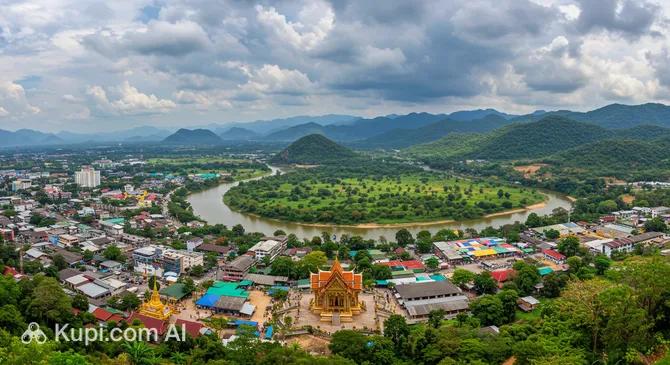
Nakhon Nayok. Illustration.
Source: Kupi.com AI

With a population of about 16,000 people, the city retains the unique charm of provincial Thailand: there is no metropolitan bustle here, and the atmosphere is permeated with tranquility and genuine hospitality. Despite its modest size, Nakhon Nayok is an important administrative center of a province famous for its national parks, picturesque waterfalls, and fruit orchards.

The city attracts visitors with its relaxed atmosphere, where everyone will find something to their liking. Among the main highlights is the opportunity to enjoy magnificent national parks, such as Khao Yai (partially located in the province), explore numerous waterfalls like Sarika or Nang Rong, or simply relax among lush fruit orchards. On weekends and holidays, both Thais and foreign tourists flock here to recharge, breathe clean air, and enjoy unique natural beauty.

Nakhon Nayok is the ideal place for those who want to experience the real Thailand without the excessive tourist crowds. It harmoniously combines traditional culture, natural wealth, and the warmth of local residents, making the city an excellent choice for travelers seeking authentic experiences and an unforgettable vacation.

You can find more interesting facts on the Nakhon Nayok city history page.
Weather Overview

The climate in Nakhon Nayok is tropical, with a clear distinction between the wet and dry seasons. The city enjoys warm weather year-round. Expect a hot and humid rainy season, which usually lasts from May to October, with frequent downpours and an average air temperature of about 27-29°C (maximum values can reach 33-34°C). Most precipitation falls during this period, particularly intensely from July to September. A drier period arrives from November to April; winter months (December-February) are characterized as the driest and relatively cool, with average temperatures of 25-27°C and nightly minimums around 20-22°C. In December and January, there is practically no precipitation.

For more detailed information about the weather by month, including the number of rainy days and exact temperature indicators, you can visit the Nakhon Nayok Climate page.

Average monthly temperature

Average monthly precipitation

Interesting Facts

Nakhon Nayok, snugly situated in the Thai province of the same name, is not just about picturesque landscapes and a peaceful atmosphere. The city holds several curious details that not all travelers know about.

  • The history of the name Nakhon Nayok is rooted in antiquity. It is believed to come from ancient Thai words meaning "city on the edge of the field." Since ancient times, these lands were an important transit point between lowland and mountain areas, and the local residents became famous as skilled farmers.

  • Nakhon Nayok is home to the famous Khao Yai National Park—the first and one of the largest in Thailand. This park, part of the UNESCO World Heritage list, is known for its rich flora and fauna, impressive waterfalls, and even the chance to encounter wild elephants on hiking trails.

  • The city and its surroundings often host large-scale festivals dedicated to fruit, especially longan and tangerines. There are even unusual parades of boats decorated with exotic fruits, and at the markets, you can try the freshest fruits just picked from the trees.

How to Get There

The most convenient way to reach Nakhon Nayok is by air via the international airports of Bangkok, the capital of Thailand. Nakhon Nayok itself does not have its own airport, so travelers should aim for the nearest major aviation hubs located in neighboring cities.

The main and most popular option is Suvarnabhumi Airport (BKK), Bangkok's primary airport. It is located approximately 76.5 km from Nakhon Nayok. As one of Southeast Asia's largest aviation hubs, Suvarnabhumi receives many international flights. A trip from Suvarnabhumi Airport to Nakhon Nayok by taxi or bus usually takes 2 to 2.5 hours, depending on traffic conditions.

Another major airport serving Bangkok is Don Mueang International Airport (DMK). It is located about 74.3 km from Nakhon Nayok. This airport is often used by budget airlines and for domestic flights within the country. Travel time from Don Mueang to Nakhon Nayok is also approximately 2 to 2.5 hours.

Although it is located significantly further away, at a distance of about 170 km, it is also worth considering U-Tapao Airport (UTP), which serves the popular resort of Pattaya. This option may be convenient if your itinerary includes visiting the eastern coast of Thailand. However, keep in mind that the journey from U-Tapao to Nakhon Nayok will take longer—roughly 4-4.5 hours.

After arriving at one of Bangkok's airports, Nakhon Nayok can be reached by taxi, rental car, or public transport, such as a bus from one of the capital's bus stations. A car or bus ride from Bangkok usually takes about 1.5 to 2 hours.

For clarity, here is a summary of the main airports through which you can reach Nakhon Nayok:

AirportPassenger trafficDistance
Don Mueang International Airport30.5 mln74 km
Suvarnabhumi Airport62.2 mln77 km
Utapao Airport370 210170 km
Hua Hin Airport74 242222 km
Trat Airport80 987244 km

Main Attractions

Nakhon Nayok, snugly located in the Thai province of the same name, primarily attracts travelers with its natural beauty. This region is a true paradise for lovers of waterfalls, mountains, and lush tropical greenery. Here, you can find peace away from the urban hustle and enjoy active outdoor recreation.

One of the most impressive attractions is the Khun Dan Prakan Chon Dam. This monumental structure, the longest roller-compacted concrete dam in the world built under a royal project, not only plays a vital role in irrigation and flood prevention but also offers tourists breathtaking views of the vast reservoir and surrounding mountains. You can take a boat trip across the reservoir to reach hidden waterfalls and enjoy the silence and beauty of nature.

Waterfall enthusiasts should definitely visit Sarika Waterfall (Namtok Sarika). This is one of the largest and most famous waterfalls in the province. The water here cascades down a nine-tiered rock cliff, looking particularly impressive in its power during the rainy season. At the base of the waterfall, there are natural pools where you can refresh yourself, and the surrounding area is equipped for picnics.

Another picturesque natural site is Nang Rong Waterfall (Namtok Nang Rong). It is a series of low but wide rapids where water flows among dense vegetation. This is a popular spot for relaxation for both locals and tourists, offering a peaceful atmosphere and the chance to swim in cool waters.

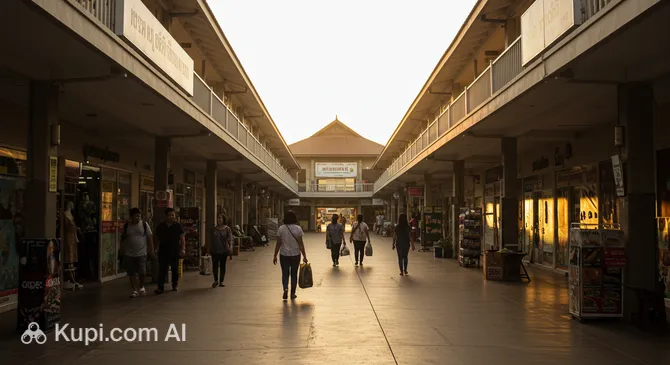
For those looking for shopping variety or needing a break from nature exploration, the city has the Nakhon Nayok Shopping Center. Here you can find various goods, from souvenirs to essentials, as well as spend time in cafes or simply relax in the air-conditioned interior.

Nakhon Nayok Shopping Mall. Illustration.
Source: Kupi.com AI

Traveler photos:

Additionally, it is worth paying attention to Wang Ta Krai Park, which stretches at the foot of the mountains and offers well-kept landscapes, streams, and small waterfalls. It is a great place for family vacations, picnics, and leisurely nature walks.

Local Cuisine

The gastronomic scene in Nakhon Nayok is a true discovery for connoisseurs of authentic Thai cuisine, where special attention is paid to the freshness of products sourced from local farms. Here you can enjoy juicy fruits, aromatic herbs, and vegetables grown in the fertile valleys at the foot of the mountains. The city's culinary life offers travelers a unique experience that combines traditional recipes and vibrant flavors.

One of the region's iconic dishes that you should definitely try is "Khao Lam"—sticky rice roasted in bamboo. This delicacy is prepared according to ancient recipes, and serving it directly in bamboo stalks adds a special atmosphere to the meal. Nakhon Nayok's gastronomy is also famous for its fish and river bounty dishes. Local markets abound with fresh shrimp, snails, and various fish. Be sure to try "Pla Pao"—salt-crusted fish grilled over charcoal, emitting an incredible aroma, and, of course, the famous spicy green papaya salad "Som Tam", which is prepared here with extra juiciness and piquancy.

Street food in Nakhon Nayok is an integral part of the local culture and a real adventure for foodies. As evening falls, the markets come alive, where you can find everything from exotic skewers and unusual delicacies like fried insects to sweet coconut-based desserts. This is a great opportunity to immerse yourself in local life and try many dishes at affordable prices. Locals and tourists alike enjoy dining at these markets, relishing the variety of flavors and the lively atmosphere.

As for drinks, Nakhon Nayok offers a wide selection of refreshing options. Freshly squeezed juices from local fruits such as longan and mango, as well as various smoothies, are particularly popular. Don't miss the chance to try traditional Thai herbal and fruit drinks, which perfectly quench thirst on a hot day. While specific local alcoholic beverages are not as widely known as in other regions of Thailand, restaurants and bars always offer a standard selection of beer and other spirits.

For those who want to dive deeper into Nakhon Nayok's culinary world, it's worth paying attention to the gastronomic festivals held here every summer. These are vibrant events where local chefs demonstrate their skill in preparing national dishes. Tourists can not only enjoy culinary delights but also participate in masterclasses to learn how to cook some Thai treats and take home a piece of the unforgettable taste of this amazing corner of Thailand.

Travel Tips

Planning a trip to charming Nakhon Nayok? Wonderful! To ensure your journey through this scenic corner of Thailand goes smoothly and leaves only pleasant impressions, we have prepared some practical tips.

  1. Clothing and Essentials: In Nakhon Nayok, as in all of Thailand, a tropical climate prevails—hot and humid all year round. Bring light, breathable clothing made from natural fabrics (cotton, linen). In the rainy season (roughly from May to October), a light raincoat or umbrella won't hurt. Be sure to take comfortable walking shoes, especially if you plan to explore natural beauty. Don't forget sunscreen, a hat, insect repellent, and a universal power adapter. When visiting temples, it's important to follow the dress code: shoulders and knees must be covered. A light scarf or pareo can be very useful.
  2. Transport: Nakhon Nayok is a small city, and the public transport system may not be as developed as in metropolises. The main type of local transport is songtheaws (pickups with benches). Taxis and motorbike taxis are available, but it's better to agree on the price in advance. Taxi apps like Grab may function, but their availability here is lower than in major tourist centers. Renting a scooter or car can be a good option for exploring the surroundings and national parks, but remember left-hand traffic and the need to have an International Driving Permit.
  3. Finances: The local currency is the Thai Baht (THB). It's best to change money at banks or official exchange offices; the rate at the airport is usually less favorable. Credit cards are accepted in large hotels and some shops, but for markets, small cafes, and street food, always have cash on you. ATMs are quite common, but a fee may be charged for cash withdrawals from foreign cards. An approximate daily budget is 1,000–2,000 Baht per person (excluding expensive accommodation and long tours). Tipping is not mandatory in Thailand but is welcomed for good service (usually 5–10% in restaurants, small amounts for hotel staff).
  4. Health and Safety: There are pharmacies in Nakhon Nayok, but 24-hour ones may be rare; basic medicines are available. Be sure to take out travel medical insurance before your trip. If medical assistance is needed, there are local clinics and a hospital in the city. Nakhon Nayok is considered a relatively safe place. Nevertheless, follow standard precautions: keep an eye on your belongings, don't leave values unattended, especially in crowded places, and drink only bottled water.
  5. Communication: The official language is Thai. In tourist areas, staff may speak basic English, but outside of them, English proficiency is limited. Learn a few simple phrases in Thai: "Sawatdee kap/ka" (Hello/Goodbye—male/female form), "Khop khun kap/ka" (Thank you—male/female), "Tao rai?" (How much?). A local SIM card with internet access is easy to buy at the airport or convenience stores (like 7-Eleven). Wi-Fi is available in most hotels and many cafes. Apps like Google Maps and a translator can be very helpful.
  6. Local Etiquette: Thais highly value politeness and respect. The traditional greeting is the "wai" (palms pressed together at chest or face level). Smile—it's a universal language. It's important to remember: don't touch Thais' heads (they are considered sacred) and don't point your feet at people or images of the Buddha. Remove your shoes before entering temples and private homes. Speak calmly, avoiding loud outbursts and displays of anger.
  7. What to Avoid: Strictly avoid any disrespectful comments or actions regarding the Royal Family of Thailand and Buddhist shrines—this can lead to serious consequences. Also, try not to show public anger or irritation, as Thai culture highly values the ability to "save face."
  8. Additional Tip: Nakhon Nayok is famous for its magnificent nature. Be sure to set aside time to visit the famous waterfalls like Sarika or Nang Rong, or go rafting on the Nakhon Nayok River. The province is also known for its fruit orchards—don't miss the chance to try the freshest local fruits straight from the plantations.

We hope these tips help you better prepare for your trip and fully enjoy the hospitality and natural beauty of Nakhon Nayok. We wish you an unforgettable journey!

Entertainment & Nightlife

Nakhon Nayok, known for its natural beauty, offers a quiet and authentic evening life more focused on locals and tourists seeking a relaxed getaway rather than loud night parties. You won't find neon-lit districts and thumping music characteristic of major tourist hubs in Thailand. Instead, the city offers a cozy and original atmosphere for evening pastimes.

There are practically no specialized nightclubs or lively bar streets in Nakhon Nayok, which emphasizes its peaceful character. Evening entertainment here is concentrated around more tranquil formats. Here are several popular options for evening leisure:

  • Local Restaurants: Many of them offer not only delicious Thai cuisine but also live music in the evenings. It is especially pleasant to spend time in establishments located by the river or in other scenic parts of the city, enjoying dinner in the fresh air.
  • Night Markets: This is perhaps one of the main points of evening attraction. Here you can dive into true local flavor, try a variety of street food, and buy fresh fruits, local delicacies, and souvenirs. The atmosphere at the markets is usually lively and friendly.
  • Small Bars: You can find cozy bars in the city where locals and tourists gather for a drink in a quiet setting. This is a great option for those who want to relax after a busy day.

While the Nakhon Nayok Shopping Center is not a center of nightlife in the traditional sense, you can also find restaurants and cafes operating in the evening there, as well as make necessary purchases.

The atmosphere in most of Nakhon Nayok's evening establishments is casual, without a strict dress code. The crowd is mixed—local families and tourists exploring the province. Most restaurants and markets are active until late evening, usually until 10:00-11:00 PM. Some bars may stay open longer, especially on weekends. To fully feel the local flavor, it's best to go for a walk or dinner after sunset when the daytime heat subsides. Prices for food and drinks in Nakhon Nayok are generally lower than in major tourist cities, making evening relaxation quite affordable.

For getting around the city in the evening, you can use local taxis or tuk-tuks. It is recommended to always agree on the fare in advance, before boarding. Regarding safety, Nakhon Nayok is considered a relatively peaceful city. Nevertheless, you should observe standard precautions, especially after dark: avoid poorly lit and deserted places and keep an eye on your belongings. If you plan to return to your hotel late, it is more reliable to use a taxi ordered through your hotel or a known service.

During the day, Nakhon Nayok offers completely different types of leisure. The city and its surroundings are famous for magnificent natural parks like Khao Yai, numerous waterfalls (such as Nang Rong and Sarika), and opportunities for active recreation, including rafting and hiking. Although there might not be major theaters or world-class museums here, cultural impressions can be gained by visiting local temples and getting to know the life and traditions of the residents of this picturesque province.

Parks & Museums

Nakhon Nayok, nestled among the picturesque nature of Thailand, offers its guests not only a peaceful getaway but also the opportunity to touch the local culture. The city and its surroundings are famous for their natural beauty, while the cultural heritage is represented more modestly but is no less interesting.

The main treasure of Nakhon Nayok is its stunning natural parks and recreation zones. It is definitely worth visiting the part of the famous Khao Yai National Park that extends into the province's territory. Here, dense tropical forests, rich fauna, and scenic waterfalls await you. No less popular are the Sarika and Nang Rong waterfalls, where you can refresh yourself in the cool water and enjoy the beauty of the cascades. Another iconic place is Wang Ta Krai Park, which is a botanical garden with streams and waterfalls, an ideal place for picnics and leisurely walks. The huge Khun Dan Prakan Chon Dam reservoir not only performs important irrigation functions but is also a popular spot for boat trips and admiring panoramic views.

As for museums, Nakhon Nayok is more focused on nature tourism. However, to better understand the history and culture of the region, you can visit the Chulachomklao Royal Military Academy Museum, which displays exhibits related to Thailand's military history and the role of the academy. Although there are few large art galleries in the city, the spirit of local art can be felt at the markets and in small craft shops.

Among historical and architectural landmarks, the San Lak Muang city pillar stands out—a sacred site for local residents. It is also worth noting local temples like Wat Phrammani, which reflect traditional Thai architecture and religious traditions.

For authentic experiences, head to one of the local markets, such as Tha Nam Market, where you can try fresh fruits, local delicacies, and observe the daily life of the townspeople. Also, for a less explored experience, consider exploring the small trails around the Khun Dan Prakan Chon Dam, which offer breathtaking views known to few tourists.

Getting Around

Public transport in Nakhon Nayok, as in many small Thai cities, has its own peculiarities. You won't find a metro or trams here, but there are convenient ways to get around the city and its scenic surroundings.

The main type of public transport is songtheaws—these are essentially shared taxis, which are pickup trucks equipped with two benches in the back. Songtheaws run along specific routes but can also function as private taxis, especially for trips to popular tourist sites outside the center. There may also be local buses connecting Nakhon Nayok with neighboring settlements and provincial attractions.

For short trips directly within the city, motorbike taxis (locals call them "win motosai") are very popular. Drivers in bright, usually orange or green, vests are easily spotted at busy intersections, markets, and bus stops. This is a fast and agile way to get to your destination, especially if you are traveling alone.

The fare payment system in Nakhon Nayok is predominantly cash-based. The cost of a songtheaw ride along a fixed route is usually low and paid directly to the driver upon exiting or, less commonly, upon boarding. If you arrange an individual route with a songtheaw, the price should be discussed in advance. For motorbike taxi rides, also always agree on the price before the trip starts. As a rule, there are no specialized transit cards or mobile apps for public transport payment in the city.

To use a songtheaw, simply wave your hand to the driver as they pass by. To get off, you usually need to press a special buzzer button in the cabin (if there is one) or just tell the driver of your intention to stop. Public transport usually starts early in the morning and runs until evening, but the frequency of trips may decrease during off-peak hours and after sunset. Keep in mind that knowing a few basic phrases in Thai or having your destination address written in Thai can significantly facilitate communication with drivers.

As an alternative to public transport in Nakhon Nayok, you can consider taxis. There may not be as many as in large tourist hubs, but you can sometimes order a car through mobile apps like Grab if they are available in the region. For more independent exploration of the scenic Nakhon Nayok province, many tourists prefer to rent a motorbike or car. Some guesthouses or tourist points may also offer bicycle rentals, which is great for leisurely rides around the city and the immediate vicinity.

Accommodation

When planning a trip to Nakhon Nayok, you will find a variety of accommodation options to suit different preferences and budgets. The city and its surroundings offer everything from modest guesthouses and budget hotels to more comfortable resorts and cozy bungalows, which are particularly popular among those coming to enjoy the region's nature.

The choice of area to stay in Nakhon Nayok often depends on your plans. If you aim to be closer to natural attractions such as waterfalls or national parks, it's worth considering options outside the city itself, where numerous resorts and guesthouses are located. For those who prefer easy access to local infrastructure, hotels and guesthouses in the central part of the city are more suitable. Although specific hotel examples are not listed among the attractions, rest assured that Nakhon Nayok offers various types of housing, from small family-run hotels to resort complexes with pools and other amenities.

Regarding the price range, Nakhon Nayok offers accommodation for every wallet: from budget options to mid-range offers and more comfortable resorts. You can book accommodation through popular online platforms or by contacting hotels and guesthouses directly. It is especially recommended to book in advance if your trip falls on a weekend, public holiday, or the peak tourist season, as Nakhon Nayok is a popular destination for short trips among residents of Bangkok and other regions of Thailand.

Nearby Cities

For those who want to explore the surrounding area, Nakhon Nayok serves as an excellent starting point for day trips to several interesting nearby locations:

Among them, Ayutthaya and Saraburi particularly stand out. Ayutthaya, the former capital of Siam, captures the imagination with its majestic ruins of ancient temples and palaces, recognized as a UNESCO World Heritage site, and offers a unique opportunity to dive into Thailand's rich history. Saraburi attracts pilgrims and tourists thanks to the famous Wat Phra Phutthabat temple, where, according to legend, a footprint of the Buddha is located, as well as picturesque natural landscapes in the vicinity.

CityPopulationDistance
Prachin Buri17 76844 km
Nong Khae12 33644 km
Ban Thap Kwang19 42548 km
Kaeng Khoi12 75249 km
Saraburi61 75049 km

These nearby destinations provide an insight into the region's diverse culture and landscapes. Each trip promises new discoveries and impressions, complementing your holiday in Nakhon Nayok.

Shopping & Souvenirs

Shopping in Nakhon Nayok offers tourists the chance to purchase essential goods, local products, and souvenirs reflecting the culture of this region of Thailand. The city is not a major shopping center with an abundance of luxury brands, but here you can find authentic items and enjoy the atmosphere of local markets.

Main shopping spots in Nakhon Nayok are usually concentrated along the main streets and in the central part of the city. Here you will find small shops, stalls, and pharmacies. There are no specialized shopping streets like in large metropolises, but as you walk through the city, you will easily discover places to shop.

For more comprehensive shopping, you can visit local shopping malls. One such place is the Nakhon Nayok Shopping Center, which brings together various stores under one roof offering clothing, electronics, home goods, and a food court. This is a convenient place for those who prefer air-conditioned environments and a diverse selection.

Markets occupy a special place in the Nakhon Nayok shopping scene. Be sure to visit local morning markets, where they sell fresh fruits, vegetables, seafood, and ready-made Thai dishes. This is a great opportunity not only to make purchases but also to dive into the everyday life of the townspeople. You may also come across evening or weekend markets offering souvenirs, clothing, and street food.

As souvenirs from Nakhon Nayok, it is worth paying attention to the products of local craftsmen if they are represented at the markets. Popular Thai souvenirs also include natural cosmetics, silk products, spices, dried fruits, and various handicrafts. Nakhon Nayok province is known for its fruits, so fresh or processed local fruits (such as pickled fruits or jams) can make excellent gastronomic gifts.

Most shops in Nakhon Nayok typically operate from 9:00-10:00 AM until 6:00-8:00 PM. Large shopping centers may have longer hours, including weekends. Markets, especially morning ones, start their work very early. Regarding payment, cash (Thai Baht) is preferred in small shops and markets. Shopping centers and some large stores accept credit cards.

Tourists shopping in Thailand may be eligible for a VAT Refund for Tourists. This system applies to goods purchased in shops participating in the program (look for the "VAT Refund" sign). Usually, you must make a purchase of a certain amount in one shop on one day and complete a special form. Check the details with the sellers when making large purchases.

Reached the end of the page?

That means the route is fully explored