Support

Saraburi

About

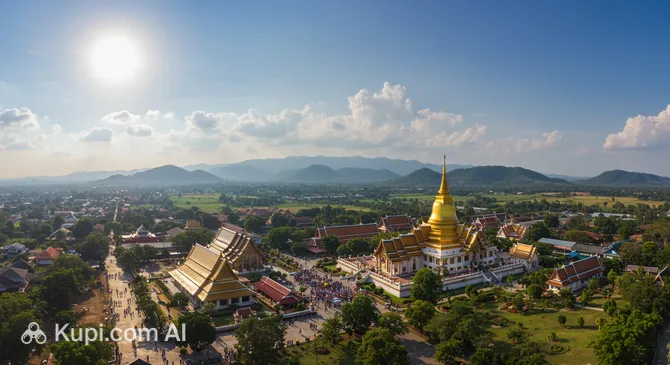
Saraburi is a cozy and authentic city located in the central part of the country, just an hour and a half's drive from Bangkok. This is a place where you can see the real Thailand without the usual bustle of large metropolises. The city is nestled on a picturesque plain surrounded by low hills and emerald rice fields, creating a peaceful atmosphere for every traveler.

Saraburi. Illustration.
Source: Kupi.com AI

As the administrative center of the province of the same name with a population of about 61,750 people, the city serves as an important transport hub and a kind of gateway to the country's northeastern regions. Despite its significance, Saraburi maintains a friendly and measured pace of life, attracting guests with its sincere hospitality and authenticity.

The region's rich cultural heritage deserves special attention. The unique history of Saraburi is reflected in its majestic temples, which serve as the city's spiritual heart. In addition to architectural monuments, the surrounding areas are famous for magnificent national parks with picturesque waterfalls and mysterious caves, as well as colorful markets where you can sample local cuisine.

Visiting Saraburi is an excellent choice for those seeking tranquility and wanting to experience the traditional Thai way of life away from crowded tourist routes. It is an ideal destination to enjoy nature and discover new, unexpected facets of Asian culture.

Weather Overview

The climate in Saraburi is tropical, which guarantees warmth throughout the year. The most comfortable period for a visit is considered to be the winter months, especially December and January, when the average temperature stays around 26–27°C, and nights bring a pleasant freshness (down to 21°C). This is an ideal time for long walks, as there is practically no rainfall during this season.

In the spring, the air heats up rapidly, and April becomes the hottest month with an average temperature of about 30.9°C. From May to October, the rainy season dominates the region: humidity rises, and the number of rainy days varies from 20 to 27 per month. Despite frequent precipitation, the rains are usually short-lived and refresh nature, making the rice fields around the city particularly picturesque.

Expect hot weather for most of the year with frequent rainfall in the summer-autumn period and dry, comfortable winters. To choose the best dates for your trip and prepare for the whims of nature, study the detailed weather in Saraburi before you depart.

Average monthly temperature

Average monthly precipitation

Interesting Facts

In addition to its famous monuments, Saraburi holds many amazing stories and traditions that make a trip here truly memorable. Here are a few facts that reveal the unique character of this place and its surroundings:

  • The Sacred Footprint. The city is famous for the Wat Phra Buddha Bat temple, which houses one of the country's main Buddhist relics — the "Buddha's footprint." According to local beliefs, this place possesses special energy, and annual ceremonies honoring the relic gather thousands of pilgrims from across the kingdom.

  • Legend of the Seven Beauties. Nearby is the Namtok Chet Sao Noi National Park with its picturesque waterfall. Its name is often interpreted as the "Waterfall of Seven Girls" or "Seven Beauties." Tradition says that each level of the cascade is associated with one of the legendary heroines who once saved their village from trouble.

  • Floral Center. Saraburi is considered one of the key locations for growing flowers in the region. Every year, a vibrant festival takes place here when the streets are filled with the scents of jasmine, orchids, and lotuses. This event turns the city into a true find for photographers and nature lovers.

  • Coconut Crafts. Locals take pride in their skills at turning simple materials into art. In the city and on farms, you can find workshops where unique items are created from wood and coconut shells. Travelers are often invited not just to buy a souvenir, but also to participate in a masterclass on making traditional ornaments.

How to Get There

Saraburi is an important transportation hub connecting the central region with the northeast of the country, so getting here is quite easy. Most often, travelers arrive at the capital's airports and then continue their journey by land. You can find out more about how to get to Saraburi by studying all available routes and modes of transport.

Since Saraburi itself does not have its own airport, the nearest air gateway is Don Mueang International Airport (IATA: DMK), located in Bangkok. It is approximately 75 km from the center of Saraburi. This is a convenient option for those flying on domestic flights or low-cost carriers from neighboring Asian countries. The journey by taxi or bus from here will take about 2 hours and 15 minutes.

Another popular option is the country's main aviation hub, Suvarnabhumi Airport (IATA: BKK), also located in Bangkok, at a distance of 94.1 km. Most international long-haul flights arrive here. The trip from this airport to Saraburi by road will last approximately 2 hours and 40 minutes.

For clarity, here is a summary of the main airports through which you can reach the region:

AirportPassenger trafficDistance
Don Mueang International Airport30.5 mln76 km
Suvarnabhumi Airport62.2 mln94 km
Utapao Airport370 210205 km
Hua Hin Airport74 242234 km
Phitsanulok Airport689 392258 km

In addition to taxis and rental cars, you can reach Saraburi by public transport. Comfortable buses and trains depart regularly from Bangkok (from the Mo Chit Northern Bus Terminal or Krung Thep Aphiwat Central Terminal). The railway service here is excellent, as the city sits on the main line leading to the northeast, and a train journey is a budget-friendly and colorful way to see the country.

Main Attractions

Saraburi offers travelers a harmonious blend of spiritual sanctuaries and natural beauty. The city and its surroundings are famous for ancient temples steeped in legend and picturesque parks where one can escape the tropical heat. Here are several places that are definitely worth including in your itinerary to feel the atmosphere of this region.

Wat Phra Buddha Bat is perhaps the most famous and revered attraction in the province. This magnificent temple complex was built in the 17th century after a depression resembling a giant human footprint was discovered on a rock. Believers consider it to be a genuine footprint of the Buddha, and every year thousands of pilgrims come here to make offerings. The temple's architecture, with its multi-tiered roofs and golden decor, is a beautiful example of Thai craftsmanship from the Ayutthaya period.

For lovers of panoramic views and mysticism, Wat Phra Phuthachai is a must-visit. Located at the foot of a limestone mountain, this temple is famous for a rock carving revered as the "Buddha's Shadow." Legend has it that the Buddha left his shadow on the rock at the request of the Naga King. By climbing the stairs to the sanctuary, you can not only see the relic but also enjoy breathtaking views of the surrounding plains and forests.

For outdoor relaxation, Namtok Chet Sao Noi National Park is ideal. Its main gem is a picturesque waterfall whose name translates to "Seven Little Girls Waterfall." It consists of seven small cascades with emerald-green water where it is safe to swim. This is a popular spot for family picnics, where the sound of the water and the shade of the trees provide much-needed coolness.

During the winter season, especially from November to January, Saraburi is transformed by its sunflower fields. The region is considered one of the centers for growing these flowers in Thailand. The endless yellow fields stretching to the horizon against a backdrop of hills create incredibly photogenic landscapes. A trip here during the blooming period will provide bright impressions and great shots for your photo album.

Local Cuisine

The culinary traditions of Saraburi are a fascinating mix of classic Thai flavors and unique local discoveries. The gastronomic calling card of the region is undoubtedly fresh mango, which is traditionally eaten here with a savory anchovy sauce or fish sauce. For an unprepared tourist, this combination might seem unexpected, but local gourmets insist that the fruit's natural sweetness and the sauce's saltiness create a surprisingly harmonious and memorable taste.

A special place in the food culture is held by OTOP eco-farms, where getting to know the food turns into a real adventure. Here, travelers are invited not just to taste, but to experiment: for example, to mix their own fruit cocktail by adding lime, lemongrass, pepper, and even green onions. The menus at such farms often differ from those in the capital: it's worth ordering papaya salad with mint and spicy dressings or crispy fried snacks made from rice and vegetables.

Street food in Saraburi is a separate world full of aromas and colors. At local markets and in small stalls, you can always find fresh spring rolls and fragrant chicken or pork skewers grilled over charcoal right in front of you. Those with a sweet tooth will enjoy traditional desserts based on coconut milk and tapioca, as well as a huge selection of freshly squeezed juices that are perfectly refreshing in the tropical heat.

The city's gastronomic life is in full swing: food festivals are regularly held here, where you can appreciate the full variety of local cuisine in one place. Such events often feature culinary masterclasses where experienced chefs teach guests how to prepare authentic dishes. This is a great opportunity not only to eat well but also to take home a piece of Thailand's culinary skill.

Travel Tips

A trip to Saraburi is an opportunity to see a non-touristic, sincere Thailand, but such a journey requires a bit of preparation. To make your holiday as comfortable as possible and free from surprises, we have compiled a list of useful recommendations to help you navigate local realities easily.

  1. Clothing and Dress Code. Given the hot tropical climate, choose light clothing made from natural breathable fabrics (cotton, linen). However, remember that Saraburi is an important religious center. When visiting temples, especially the famous Wat Phra Buddha Bat, modest clothing is strictly required: shoulders and knees must be covered for both men and women. It's better to choose shoes that are easy to take off, as you must remove your shoes when entering sanctuaries.

  2. Transport and Getting Around. There is no subway or complex bus system in the city. The main public transport consists of songthaews (pickups with benches in the back) and motorcycle taxis. Ride-hailing apps (like Grab) work, but there may be fewer cars than in Bangkok. For trips to waterfalls and sunflower fields outside the city, it is most convenient to rent a car or motorbike, but only do so if you have an international license of category A or B.

  3. Financial Matters. The country's currency is the Thai Baht (THB). In Saraburi, cards are accepted in large supermarkets, hotels, and chain restaurants, but cash is used at night markets, street cafes, and souvenir shops. ATMs are available everywhere, especially near 7-Eleven stores. Tipping is not mandatory, but rounding up the bill or leaving 20–50 baht for good service will be appreciated.

  4. Health and Hygiene. Medical care in the country is of a high standard; there are large hospitals and many pharmacies in the city where pharmacists often understand basic English. The main rule is never to drink tap water; buy only bottled water. If you plan a trip to national parks, be sure to bring mosquito repellent to protect against dengue fever.

  5. Language and Connectivity. Unlike resort areas like Pattaya or Phuket, not all locals in Saraburi know English. We recommend installing an offline translator on your smartphone (like Google Translate) — it will greatly facilitate communication. A SIM card with fast internet can be bought immediately upon arrival at the airport or at any convenience store (7-Eleven) in the city; a passport is required for registration.

  6. Etiquette Rules. Thais are very polite and value calmness. The "Wai" greeting (palms pressed together at chest height) is a universal gesture of respect. Never raise your voice or show anger publicly — here it is considered "losing face." Always remove your shoes when entering a private home, massage parlor, or temple.

  7. What to Avoid. It is categorically forbidden to point at people or objects with your foot — the lower part of the body is considered "dirty." Also, refrain from touching Thais' heads (even children), as the head is considered the most sacred part of the body. And, of course, show maximum respect to images of the Buddha and the Royal Family.

  8. Delicious Tip. Saraburi is famous for its signature pastries — Curry Puffs (Kari Pap). These are a local culinary pride sold everywhere, especially in the Muak Lek district. Don't miss the chance to try them with different fillings (chicken, beans, taro) and buy a box as a tasty souvenir, as they are made better here than anywhere else in the country.

Saraburi is a friendly and safe city where a smile opens any door. By following these simple tips, you can avoid awkward situations and fully immerse yourself in studying the culture and nature of this amazing region.

Entertainment & Nightlife

Nightlife in Saraburi is drastically different from the noisy parties of tourist metropolises. Here, you won't find neon red-light districts or massive dance clubs with world-class DJs. Evening leisure in this city is an authentic immersion into the culture of Thailand, where the main components are delicious food, live music, and friendly gatherings. Establishments are primarily oriented toward locals, which guarantees reasonable prices and a relaxed atmosphere.

The center of attraction after sunset is the area around the railway station, where the famous Saraburi Night Market unfolds. As dusk falls, the streets fill with the aromas of Pad Thai noodles and grilled seafood. This is the best place for an inexpensive dinner and to observe the life of the city's residents. The market is open daily but is most lively on weekends.

For those looking for more organized leisure, the following formats are popular in the city:

  • "Pub & Restaurant" Format. This is perhaps the most common type of evening entertainment in the province. These establishments are open-air restaurants or places with spacious verandas where you can have a delicious dinner and listen to live music. The repertoire of local bands usually consists of popular Thai pop-rock or soulful songs in the "Phuea Chiwit" (songs for life) genre. A relaxed atmosphere prevails here, ideal for getting to know the local flavor without tourist pretension.

  • Modern Leisure. If you prefer comfort and air-conditioned spaces, head to the Robinson Lifestyle Saraburi shopping and entertainment complex. In the evening, it is the main meeting place for young people, where you can not only go shopping but also visit a cinema showing world premieres (often films are shown in English with Thai subtitles).

It is important to remember logistics and safety. Saraburi is a quiet city, but after dark, public transport (songthaews) stops running quite early, around 7:00–8:00 PM. If you plan to stay out late, arrange for a tuk-tuk driver in advance or find contacts for a local motorcycle taxi. Also, when walking through unlit alleys, be more attentive due to stray dogs, which often become active at night.

Parks & Museums

The green zones and cultural sites of Saraburi are a harmonious intertwining of tropical nature and deep spiritual traditions. Unlike cities with classic museum quarters, history and art here live under the open sky: in majestic temple complexes, on agro-farms, and in the dense forests of national parks. This destination is ideal for those who want to combine educational tourism with relaxation in nature.

One of the main natural gems of the region is Namtok Sam Lan National Park. This park is a true find for hiking and trekking enthusiasts. The territory is crisscrossed with picturesque trails leading to several waterfalls, which are especially beautiful during the rainy season (from July to October). In addition to natural beauty, the park preserves traces of history: you can find remains of structures from the Second World War left by the Japanese army, which adds a special research interest to the walk.

Another popular spot for relaxation is Namtok Chet Sao Noi National Park. Although it is primarily known for its seven-tiered waterfall, the park territory itself deserves separate attention. This is a well-maintained green area with shaded alleys, ideal for picnics and quiet rest. The water here has a unique emerald hue, and the gentle banks allow even children to swim safely. On weekends, a lively atmosphere prevails here as the park is beloved by locals.

As for museums, in Saraburi, their role is often played by religious and educational centers. The main repository of history and art is the Wat Phra Buddha Bat complex. Although it is an active temple, it functions as a museum of traditional Thai architecture and decorative arts. Pay attention to the exquisite wood carvings, mother-of-pearl inlays on the doors, and ancient frescoes depicting Buddhist cosmology. On the grounds, there is also a small museum where royal gifts and ancient artifacts found in the region are displayed.

A unique cultural and educational site is the Thai-Danish Dairy Farm in the Muak Lek district. This place is a living museum of agriculture, telling the history of dairy farming in the Kingdom of Thailand. Tourists can go on an excursion to learn how King Rama IX introduced modern agricultural technologies, feed the animals, and see the milk production process. This is a great example of how agriculture becomes an important part of the tourist experience.

Lovers of unusual architecture and sculpture should visit Wat Tham Krabok. This monastery is known not only for its rehabilitation program but also for its monumental Buddha statues made from dark stone and lava. The open-air gallery of giant sculptures makes a strong impression and is radically different from the usual golden glow of traditional Thai temples.

Insider Tip: If you want to see an impressive natural show, head to the bat cave near the Wat Phra Phuthachai temple at sunset. Every day around 6:00 PM, millions of bats fly out of the cave for their nightly hunt, forming a living, writhing ribbon in the sky that stretches for kilometers. This spectacle is absolutely free and leaves an unforgettable impression.

Getting Around

The transport system of Saraburi is significantly different from large metropolises: you won't find subways, light rails, or complex transfer schemes here. The city lives at a measured pace, and public transport is represented by simple but effective means of travel that allow you to experience the local flavor.

The primary way of getting around for locals and tourists is the songthaew. These are modified pickup trucks with a covered bed and two benches along the sides. In Saraburi, they run on fixed routes connecting the city center, markets, bus station, and residential areas. You can determine the route by the color of the vehicle or a sign on the windshield (often in Thai, so it's best to confirm the direction with the driver or passengers before boarding).

For quick trips over short distances, motorcycle taxis are ideal. Their stands can be found at intersections, near shopping centers, and by important landmarks. Drivers are easy to spot by their bright vests (usually orange). This is the most maneuverable type of transport, helping to avoid traffic jams during peak hours; however, the price of the trip must be agreed upon in advance, before you get on the bike.

Classic three-wheeled tuk-tuks serve as private taxis here. Unlike Bangkok, where they are often a tourist attraction with inflated prices, in Saraburi they are a standard means of transport. There are no meters in them, so the cost of the trip depends on your bargaining skills and the distance. You may also encounter cycle rickshaws (samlors), which are suitable for leisurely rides through the historical center.

The payment system for public transport in Saraburi is very simple and based on cash. There are no unified travel cards or contactless payments inside the vehicles. In a songthaew, the fare is paid to the driver (or conductor, if there is one) after getting out. The fare for a city trip is fixed and very affordable, usually ranging from 10 to 20 local currency units. Try to have small bills and coins with you, as the driver may not have change for a large banknote.

To use a songthaew, simply wave your hand at a passing vehicle — there are many request stops. To get out, press one of the buzzers located on the ceiling of the bed. Transport runs regularly during daylight hours, but be careful: after 6:00–7:00 PM, the frequency of service drops sharply, and getting anywhere becomes more difficult.

As an alternative to public transport, you can use mobile ride-hailing apps like Grab or Bolt. This is the most comfortable option for tourists as the price is fixed in the app and there is no language barrier. However, keep in mind that the number of cars in the province is smaller than in the capital, and waiting times may be longer.

For those planning to explore the surroundings, such as sunflower fields or waterfalls, the best solution is vehicle rental. There are motorbike and car rental points in the city. This gives you complete freedom of movement and doesn't tie you to the songthaew schedule. For rental, an international driving permit of the appropriate category and a deposit (passport or cash) are required.
Accommodation

The choice of accommodation in Saraburi will pleasantly surprise travelers with its diversity and affordability. Since the city is not a mass international resort, there is no overabundance of expensive luxury brands. Instead, tourists are offered stays in solid mid-range hotels, cozy budget hostels, city apartments, or "agrotourism" style stays on one of the local farms.

The geography of accommodation is clearly divided into two main zones. Those planning to explore ancient temples and actively use public transport prefer to stay in the city center (Mueang district). This is convenient due to its proximity to the bus station, night markets, and shops. Another popular location is the Muak Lek district. It is closer to national parks and waterfalls. Here you can find picturesque resorts with bungalows by the river and views of green hills, ideal for a relaxed holiday in nature.

If you are planning a trip during the high season, especially during the sunflower blooming period (November to January), we strongly recommend booking accommodation in advance. At this time, as well as during long public holidays, residents of Bangkok flock to the province, and free rooms in the best spots run out very quickly.

Pricing policy in the region remains very democratic. Most options fall into the budget and mid-range price segments, allowing for a comfortable stay without significant expense. Rooms can be booked through popular international online platforms; however, it's worth noting that some authentic guesthouses and small eco-farms may only accept bookings directly by phone or through local social networks.

Nearby Cities

For those who want to explore the surrounding area, Saraburi serves as an excellent starting point for day trips to several interesting nearby locations:

Just a few dozen kilometers away lies the legendary Ayutthaya — the ancient capital of Siam and a UNESCO World Heritage site. It is a true treasure trove for history and archaeology buffs. You can spend an entire day here walking among majestic temple ruins, ancient stupas, and Buddha statues that silently preserve the memory of the kingdom's past greatness.

If you are looking for cool air and natural beauty, head towards the city of Pak Chong. This city is often called the gateway to the famous Khao Yai National Park. The surroundings of Pak Chong are famous for their agritourism farms, vineyards, and theme parks. It's the perfect place to breathe fresh air, enjoy mountain landscapes, and try local steaks or fresh milk.

Very close by is Phra Phutthabat, which is an important pilgrimage center. The main goal of a visit here is the namesake temple, where the revered Buddha's footprint is kept. The town is interesting for its calm, spiritual atmosphere and traditional architecture, making it a great option for a short but culturally rich trip.

CityPopulationDistance
Kaeng Khoi12 75211 km
Nong Khae12 33617 km
Ban Thap Kwang19 42520 km
Phra Phutthabat34 32226 km
Ayutthaya52 95239 km

These nearby destinations provide an insight into the diverse culture and landscapes of the region.

Shopping & Souvenirs

Shopping in Saraburi is not so much a hunt for high fashion as it is an opportunity to touch the everyday life of a Thai province and find unique local products. Here you won't encounter endless rows of luxury boutiques like in Bangkok, but the city offers a great balance between modern comfort and authenticity. Travelers can visit air-conditioned shopping centers with familiar brands as well as colorful street stalls where the prices are pleasantly affordable.

The main artery of the city's commercial life is the area around the railway station and the central streets adjacent to Phahonyothin Road. This is where the bulk of the shops are concentrated: from small family-run stores selling clothes and gold jewelry to modern supermarkets. A walk through these blocks will allow you to find everything you need for your journey and feel the rhythm of the city.

Among the major shopping venues, Robinson Lifestyle Saraburi is the undisputed leader. This is a modern mall where you can spend several hours escaping the midday heat. Inside, there is a wide range of clothing stores (both international and Thai brands), electronics, cosmetics, and sporting goods. There is also a large Tops supermarket, a food court with diverse food options, and a cinema. For those looking for more budget-friendly shopping, the city's oldest shopping center, Taweekit Complex, is suitable, where prices are often lower and the atmosphere is simpler and more "homely."

The true spirit of trade reigns in the local markets. The most popular place for an evening promenade is the Saraburi Night Market near the railway station. Towards sunset, hundreds of tents open here, offering inexpensive clothes, shoes, accessories, and, of course, a huge amount of street food. This is a great place to buy light cotton clothes for hot weather or inexpensive handmade souvenirs.

Speaking of souvenirs, you cannot leave Saraburi without the famous Curry Puffs (Kari Pap). This is the culinary symbol of the province — crispy pastries with various fillings (chicken, beans, taro, mushrooms). The best puffs are sold in specialized shops along the main roads and in the Muak Lek district. The region is also famous for its dairy industry: be sure to buy local milk tablets or natural yogurts from the Thai-Denmark brand. Textile products produced under the OTOP ("One Tambon One Product") program, which supports local artisans, also make good gifts.

Most shops in shopping centers are open daily from 10:00 AM to 9:00 PM or 10:00 PM. Street markets come alive after 5:00 PM and close around 10:00 PM. Credit cards (Visa, Mastercard) are accepted without problems in large malls and supermarkets; however, cash is king in markets and small shops. Also, payment via QR codes from banking apps is widespread in Thailand, but this method is not always available for tourists.

In large shopping centers like Robinson, tourists can take advantage of the VAT Refund service. If you make purchases in stores with a "VAT Refund for Tourists" sign and the total on the receipt exceeds 2,000 baht (in one day in one store), don't forget to ask the salesperson to issue a special yellow form (P.P.10) and present your passport. This will allow you to claim a 7% tax refund when flying out of the country's international airports.

Reached the end of the page?

That means the route is fully explored