Support

Samut Songkhram

About

Samut Songkhram is a wonderfully charming town nestled on the shores of the Gulf of Thailand, just an hour's drive from bustling Bangkok. It stretches across the mouth of the Mae Klong River, amidst dense mangroves and picturesque canals where boats glide slowly by. The geography of this place seems designed for slow, mindful travel, where it is easy to lose yourself in the labyrinth of waterways and forget about time while observing the authentic life of the locals.

With a population of about 28,500 people, Samut Songkhram remains remarkably intimate and soulful. The city is the administrative center of the province of the same name, but an atmosphere of coziness and leisure prevails here, where everything around breathes history and tradition. It is an ideal place for those looking for the authentic Thailand without the influx of tourists, wanting to feel the true spirit of the country and get acquainted with its unique culture.
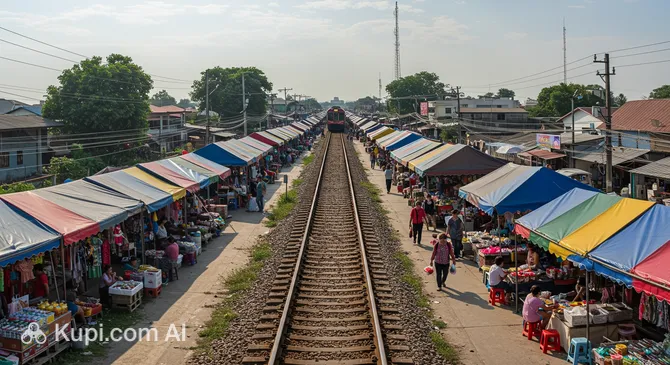
Samut Songkhram. Illustration.
Source: Kupi.com AI

Samut Songkhram attracts travelers with its unique features. Among them, the famous floating markets stand out, where life teems right on the water, offering fresh produce and local delicacies. The city is also famous for its extensive mangrove forests, ideal for peaceful walks and nature observation, and ancient Buddhist temples that hold centuries-old secrets and offer immersion into a spiritual atmosphere. This city impresses with the harmony between nature and the traditional way of life.

Visiting Samut Songkhram is a wonderful opportunity to dive into the atmosphere of traditional Thai life, enjoy the beauty of nature, and discover those small wonders that often remain hidden from the eyes of most travelers. This is a place where you can truly rest your soul and gain unforgettable impressions.

You can find more interesting facts on the Samut Songkhram city history page.
Weather Overview

In Samut Songkhram, you can expect hot weather year-round, with a pronounced wet season from May to October and a drier period from December to February. The average monthly temperature ranges from 25.9°C in December to 30.7°C in April, which is the hottest month. Maximum temperatures in April can reach 35.1°C. The highest amount of rainfall occurs from May to October, with September and October being the rainiest months (up to 7 mm of precipitation and up to 25 rainy days). December and January are the driest, with virtually no precipitation. To plan your trip in the best way, check out the detailed weather forecast in Samut Songkhram.

Average monthly temperature

Average monthly precipitation

Interesting Facts

Samut Songkhram, known for its colorful floating markets and serene canals, hides many intriguing details and lesser-known stories behind its charming facade. Here are just a few that will add a special touch to your understanding of this amazing corner of Thailand:

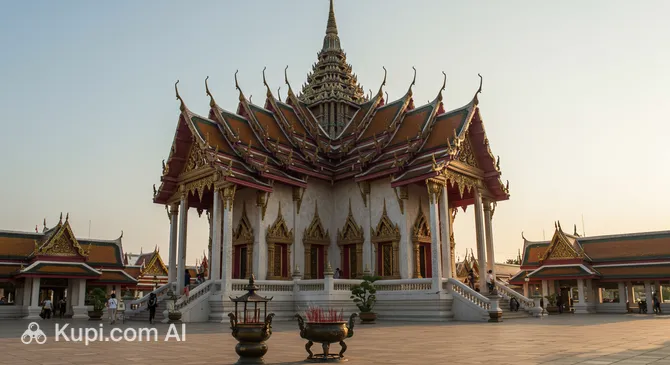
Wat Phummarin Kudithong. Illustration.
Source: Kupi.com AI

Traveler photos:

  • It was here, in Samut Songkhram province, that Chang and Eng Bunker were born—the world's most famous Siamese twins. Their unusual fate in the 19th century became a real sensation, and today there is a monument in their honor in the city, reminding us of this incredible story.

  • The region is famous for the unique Wat Satthatham temple, whose interior captures the imagination with its skillful finish of golden teak wood, mother-of-pearl inlays, and even pearls. This is not just a place of worship, but a true treasury of Thai art.

  • In addition to the famous daytime Amphawa Floating Market, Samut Songkhram offers a unique nocturnal spectacle—firefly watching tours. Thousands of tiny lights flickering in the dark along the banks of the canals create a truly magical and romantic atmosphere.

  • In Samut Songkhram, the traditions of ancient crafts are still alive. Local masters skillfully carve traditional Thai musical instruments called "saw," which resemble a fiddle, from wood. Seeing the process of their creation or hearing their sound means touching the living culture of the region.

How to Get There

There are several ways to reach Samut Songkhram, a charming city in Thailand known for its floating markets and authentic atmosphere. The most common option for international travelers is to fly into one of Bangkok's major airports and then continue the journey by ground transport.

The main international aviation hub is Suvarnabhumi Airport (IATA: BKK), located in Bangkok. This large, modern airport is about 93 km east of Samut Songkhram. A trip by taxi or a pre-booked transfer from the airport to the city will take approximately 2.5–3 hours, depending on traffic conditions.

Another significant option is Don Mueang International Airport (IATA: DMK), also located in Bangkok. It serves many international and especially domestic flights, including those by budget airlines. The distance from Don Mueang to Samut Songkhram is about 92 km, and the travel time by car is comparable to the trip from Suvarnabhumi, around 2.5–3 hours.

For those already in the southern part of Thailand or arriving on regional flights, Hua Hin Airport (IATA: HHQ) might be convenient. It is located in the city of Hua Hin, about 84 km south of Samut Songkhram. This is a small airport serving mainly domestic destinations. The drive from Hua Hin Airport to Samut Songkhram by taxi will take about 2–2.5 hours.

For clarity, here is a summary of the main airports through which you can reach Samut Songkhram:

AirportPassenger trafficDistance
Hua Hin Airport74 24284 km
Don Mueang International Airport30.5 mln92 km
Suvarnabhumi Airport62.2 mln93 km
Utapao Airport370 210139 km
Myeik Airport178 km

In addition to flights followed by a transfer, Samut Songkhram can be easily reached by bus from Bangkok. Regular buses and minibuses depart from Bangkok's Southern Bus Terminal (Sai Tai Mai). The trip usually takes about 1.5–2 hours. You can also consider renting a car, which will provide more freedom to explore the surroundings of Samut Songkhram and neighboring provinces.

Main Attractions

Samut Songkhram, a colorful city in Thailand, attracts travelers with its authentic atmosphere and unique sights. In addition to the world-famous floating markets and the railway track market, there are many other interesting places worth exploring here.

One of the key cultural attractions is Wat Phummarin Kuditong. This ancient Buddhist temple impresses with its traditional architecture and is an important spiritual center for local residents. Visitors can immerse themselves in an atmosphere of peace, admire the skillful work of craftsmen, and learn more about the religious traditions of the region. This place is a must-visit for those interested in the history and culture of Thailand.

For those seeking harmony with nature and comfortable relaxation, Asita Eco Resort Amphawa offers a unique experience. Located in a picturesque area, it allows guests to relax in a calm environment while enjoying amenities created with respect for the environment. The eco-tourism concept makes it attractive to travelers who value a sustainable approach and want to take a break from the city bustle.

Gastronomic experiences are an integral part of traveling through Thailand, and in Samut Songkhram, it is worth paying attention to local culinary gems. The Pomelo Amphawa restaurant, cozily located in the popular Amphawa district, invites guests to taste authentic Thai cuisine. A visit here will be an excellent addition to a walk along the colorful canals of Amphawa, known for its traditional way of life.

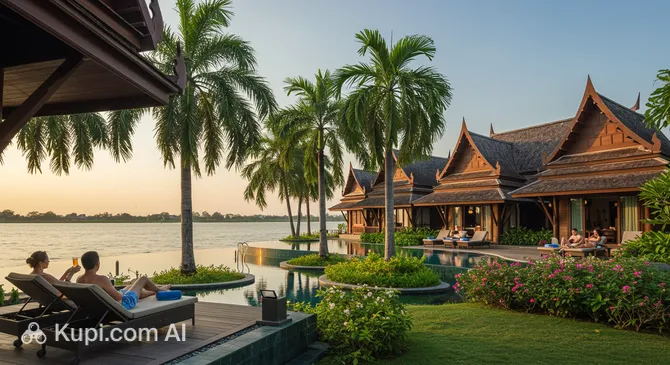
A wonderful option for accommodation and relaxation is Baan Amphawa Resort and Spa. This resort hotel is famous for its hospitality, comfortable rooms, and a wide range of spa services. Guests can enjoy beautiful views and complete relaxation, making it an ideal choice for those who want to combine cultural exploration of the region with high-quality rest.

Baan Amphawa Resort & Spa. Illustration.
Source: Kupi.com AI

Traveler photos:

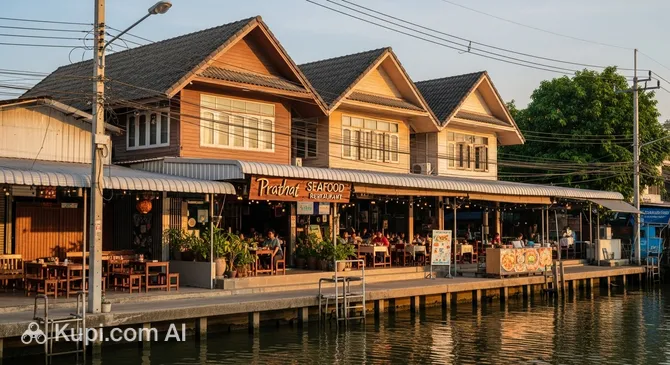
Lovers of Thai cuisine and fresh seafood should visit Pratath Seafood Restaurant. This establishment is known for its delicious dishes prepared from local ingredients. Here you can enjoy the authentic flavors of the region in a pleasant atmosphere, which will be a great gastronomic addition to your trip through Samut Songkhram.

Prathat Seafood Restaurant. Illustration.
Source: Kupi.com AI

Traveler photos:

Exploring Samut Songkhram, you will discover not only the famous markets but also charming temples, cozy resorts, and excellent local cuisine. Each of these attractions contributes to the unique character of this corner of Thailand.

Local Cuisine

The culinary scene of Samut Songkhram is a true feast for connoisseurs of authentic Thai cuisine, where the main role is played by the freshest seafood. Thanks to its location at the mouth of the Mae Klong River, freshly caught shrimp, squid, crabs, and a variety of fish reach the tables of local residents and city guests. One of the signature dishes that is certainly worth trying is spicy shrimp in tamarind sauce, often served with fragrant jasmine rice—a flavor that remains in your memory for a long time.

Besides seafood, Samut Songkhram is famous for its delicious desserts. Be sure to taste the coconut sweets prepared right at the famous floating markets. The secret of their delicate taste lies in the combination of fresh coconut milk, palm sugar, and juicy local fruits. Street food here also deserves special attention: try fried bananas, mini-pancakes with coconut filling, spicy green mango salads, and, of course, the famous fish balls.

Food in Samut Songkhram is not just about satisfying hunger, but an important part of local culture and a reason for socializing. Locals and tourists enjoy meals both in cozy restaurants and right on the busy streets or colorful markets. The city is known for its farmers' markets, where you can buy exotic fruits, fresh vegetables, and unique local salt harvested in coastal areas. If you want to taste excellent seafood dishes in an authentic atmosphere, check out Pratath Seafood Restaurant.

As for drinks, on a hot day, you will be refreshed by freshly squeezed exotic fruit juices, sweet coconut water straight from the nut, or traditional Thai iced tea. Those who prefer something stronger can try popular local beers like Singha or Chang, or traditional Thai rum and rice whiskey, such as Mekhong or SangSom, which are often served with ice and soda. The gastronomic face of Samut Songkhram is complemented by regular food and seafood festivals, where you can sample the best local delicacies and dive into the holiday atmosphere. This is a place where everyone will find a dish to their liking, enjoying the freshness of the products and the hospitality of the locals.

Travel Tips

Welcome to Samut Songkhram, a charming city in Thailand known for its unique markets and authentic atmosphere! To make your trip as comfortable and memorable as possible, we have prepared some practical tips.

  1. Clothing and Essentials:

    In Samut Songkhram, as in all of Thailand, a tropical climate prevails—hot and humid year-round. Bring light, breathable clothing made of natural fabrics (cotton, linen). Don't forget sunscreen, a hat, sunglasses, and insect repellent. For visiting temples, modest clothing covering shoulders and knees is required. Be sure to bring comfortable shoes for walking around the markets and surroundings, as well as a universal adapter for electronics.

  2. Getting Around Town:

    The main modes of transport in Samut Songkhram are local buses and songthaews (route pickup trucks). Motorbike taxis are popular for short trips. Standard taxis are less common than in big cities; you can try using the Grab app. Car rental is possible, but for immersion into local life and navigating narrow streets and markets, public transport or renting a scooter (with experience) might be more convenient.

  3. Finances:

    The local currency is the Thai Baht (THB). You can exchange money at banks or exchange offices. Credit and debit cards are mainly accepted in hotels and some large restaurants, but cash is preferred at markets and in small shops. ATMs are quite common, but a fee may be charged for cash withdrawals from foreign cards. Tipping is not strictly mandatory but is always welcomed for good service (usually a small amount is sufficient).

  4. Health and Safety:

    Samut Songkhram is generally a safe place. Follow standard precautions: keep an eye on your belongings, especially in crowded places, and drink only bottled water. Pharmacies are easy to find, but not all are open 24/7. Basic medications are available. For serious medical assistance, it is better to contact clinics or hospitals; having travel insurance is highly recommended.

  5. Communication:

    The official language is Thai. English is common in tourist areas, but knowing a few basic phrases in Thai (e.g., "Sawatdee" – hello/goodbye, "Khop Khun" – thank you) will be very helpful and appreciated by the locals. You can purchase a local SIM card for mobile internet at the airport or at 7-Eleven stores. Wi-Fi is available in most hotels and many cafes.

  6. Local Etiquette:

    Thais are very respectful of their culture, king, and religion. It is customary to remove your shoes when entering temples and private homes. Do not point your feet at people or sacred images, as feet are considered the "lowest" part of the body. Conversely, the head is considered sacred—avoid touching the heads of local residents. The traditional greeting is the "Wai" (palms pressed together at chest or face level with a slight bow). Try to stay calm and smile during interactions.

  7. What to Avoid:

    Categorically avoid any negative statements or disrespectful actions towards the royal family or Buddhist shrines—this can lead to serious consequences. You should also avoid shouting loudly or publicly expressing anger, as this is considered extremely impolite.

  8. Unique Feature of Samut Songkhram:

    Be sure to visit the famous Maeklong Railway Market and the Amphawa Floating Market, especially if it's open during your visit (often on weekends). These are unique places where you can not only buy fresh produce and souvenirs but also observe the amazing local way of life. Arrive early to avoid large crowds.

We hope these tips help you better prepare for your trip and get the most out of your stay in amazing Samut Songkhram. We wish you an unforgettable experience!

Entertainment & Nightlife

Evening in Samut Songkhram offers tourists a very special experience, far from the noisy nightclubs of big metropolises. Here, nightlife is rather imbued with the charm of local traditions, a calm atmosphere, and unique markets. Instead of loud parties, cozy gatherings by the river and the flickering of lights on the water await you.

The main center of evening entertainment is undoubtedly the famous Amphawa Floating Market. It comes to life in the afternoon and continues until late evening, especially on weekends. Here you can not only buy souvenirs and local delicacies but also enjoy dinner right from a boat, watching the slow life on the canals. The atmosphere here is very colorful: the laughter of vendors, the aromas of Thai cuisine, and the soft light of lanterns create unforgettable impressions. It is best to come here closer to sunset to catch the market in its full glory.

The Pomelo Amphawa. Illustration.
Source: Kupi.com AI

Traveler photos:

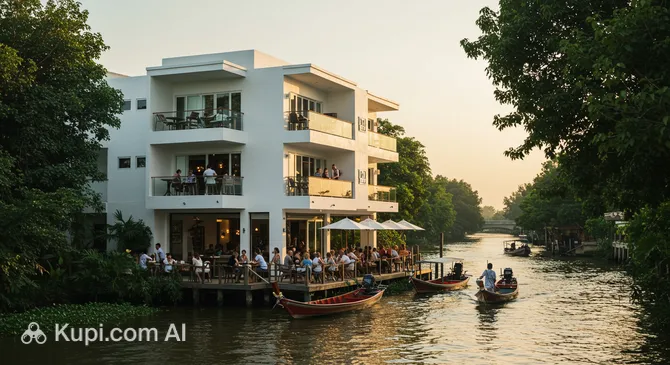
For dinner in a more traditional setting, Samut Songkhram has several wonderful restaurants, many of which are located by the water. For example, you can visit The Pomelo Amphawa, known for its pleasant atmosphere and delicious cuisine, or try the freshest seafood at Pratath Seafood Restaurant. Such establishments usually operate until 9:00 PM – 10:00 PM, offering local and Thai dishes. The dress code is generally casual, and the crowd is mixed — from local residents to tourists.

As for bars and clubs in the conventional sense, there are few of them in Samut Songkhram. Nightlife here is centered around markets and restaurants. However, you can find small local bars or cafes at guesthouses where you can have a beer or a cocktail in a calm environment. The atmosphere in such places is usually very relaxed and friendly.

Practical tips: When planning your evening, keep in mind that many establishments and the Amphawa market start to close around 9:00 PM – 10:00 PM. Food and drink prices at the Amphawa market and in local restaurants are generally affordable and moderate, allowing you to enjoy a variety of Thai cuisine without significant expense. For transportation at night, it is better to arrange transport in advance or use the services of local tuk-tuks, as finding a taxi late in the evening can be difficult. Samut Songkhram is generally a safe city, but standard precautions, especially in the market area and when walking along the canals after dark, won't hurt.

During the day, Samut Songkhram offers other types of leisure. Guests can explore numerous temples, such as Wat Phummarin Kuditong, visit small local museums telling the history and culture of the region, or simply enjoy leisurely walks through the picturesque surroundings, getting acquainted with the local way of life.

Parks & Museums

Samut Songkhram, snugly located in the Mae Klong River delta, offers travelers a unique combination of natural beauty and rich cultural heritage. The city and its surroundings are famous not so much for traditional urban parks as for picturesque waterways, mangrove thickets, and historical sites reflecting the authentic Thai way of life.

Among the green zones and natural attractions of Samut Songkhram, several unique places stand out. The King Rama II Memorial Park in Amphawa is not just a park but a cultural oasis. It is dedicated to King Rama II, a famous poet and artist. On the park grounds are traditional Thai houses, a museum with artifacts from the Rattanakosin period, and a botanical garden. It is a wonderful place to get acquainted with Thai culture and enjoy peaceful rest. Another iconic natural area is the Don Hoi Lot coastal sandbar at the mouth of the Mae Klong River. It is famous for its biodiversity, especially the "hoi lot" (razor clams). Tourists come here to see traditional clam harvesting and enjoy the freshest seafood. Finally, the canals (klongs) of Amphawa and its surroundings are a living ecosystem and the main "green artery" of the region. A boat trip along them allows you to see traditional stilt houses, fruit orchards, and coconut plantations, immersing you in the leisurely rhythm of local life.

The cultural heritage of Samut Songkhram is represented by interesting museums and historical sites. The Museum at the King Rama II Memorial Park offers an exhibition dedicated to the life and work of the monarch, as well as 19th-century Thai art and culture. Here you can see household items, musical instruments, and ancient manuscripts. Many temples in the province, such as Wat Phummarin Kuditong, are not only active religious centers but also a kind of open-air museum. They house ancient murals, Buddha sculptures, and architectural elements that tell the story of the region. Wat Phummarin Kuditong, in particular, attracts with its rich history and beautiful temple architecture. The famous Amphawa Floating Market cannot be omitted either. Although it is primarily a place of trade, it also functions as a living museum of Thai life and traditional water-based commerce, offering a unique cultural experience.

Wat Phummarin Kudithong. Illustration.
Source: Kupi.com AI

Traveler photos:

For a deeper immersion into the local culture of Samut Songkhram, we recommend turning off the beaten tourist paths. Explore small, lesser-known canals in a rented boat or visit one of the local fruit orchards, where you can taste fresh seasonal fruits straight from the tree and learn more about the traditional agriculture of this amazing region.

Getting Around

Getting around Samut Songkhram and its surroundings can be done in several ways typical for small Thai towns. The basis of public transport here consists of songthaews (pickup trucks with a covered bed and benches) and motorbike taxis. For a more authentic experience or to visit the floating markets, boats are actively used.

Songthaews run on specific routes, connecting different parts of the city and nearby settlements, such as the Maeklong market or Amphawa. They usually do not have a strict schedule; they depart as they fill up or at certain intervals. Payment is made in cash directly to the driver upon exiting; the fare is low and usually fixed for a specific route. It is best to clarify the route and fare before boarding. City buses in the usual sense are less common here; their role is performed by the same songthaews or buses going to other provinces.

Motorbike taxis (motosai) are a quick way to reach your destination, especially for short distances or through narrow streets. Drivers are easily recognizable by their bright vests. You should agree on the price in advance, as they do not have meters. Tuk-tuks are also found, especially in tourist areas, offering a more colorful but often more expensive ride; preliminary bargaining is also necessary here.

Given the city's location on the Mae Klong River and the presence of many canals, boats are not only a tourist attraction but also an important mode of transport. Long-tail boats (ruea hang yao) are used for canal tours, visiting floating markets like Amphawa or Tha Kha, and simply for moving between points along the water. The cost of a boat trip varies depending on the route, duration, and type of boat (private rental or a seat in a group boat).

The payment system for public transport in Samut Songkhram is predominantly cash-based. It is recommended to have small bills and coins with you. Tickets as such are not required for songthaews or motorbike taxis—payment is direct. Public transport usually operates from early morning until evening, but the frequency of service may decrease in the late hours. To stop a songthaew, simply wave your hand. Navigating songthaew routes can be challenging without knowledge of the Thai language, but locals are usually willing to help.

As an alternative to public transport, you can consider renting a bicycle—it's a great way to leisurely explore the city and its picturesque surroundings. Taxis in the classical sense (with a taximeter) are not as common here as in large cities; their function is partially performed by drivers with private cars, with whom you need to agree on a price, or you can try using taxi-hailing apps like Grab if the service is available in the region. Walking is also pleasant, especially in the central part of the city and along the embankments.

Accommodation

In the city of Samut Songkhram and its surroundings, tourists will find a variety of accommodation options to suit different preferences and budgets. Here you can stay in inexpensive guesthouses and traditional Thai houses (homestays), as well as in more comfortable middle-class hotels and cozy resort complexes. Accommodation options located along the canals, offering a unique living experience, are especially popular.

The most convenient areas for tourists to stay are those near the famous Amphawa Floating Market, as well as close to the Maeklong Railway Market. Staying in these zones provides easy access to the main attractions and allows for deeper immersion into the region's authentic atmosphere. Many hotels and guesthouses here offer picturesque views and a peaceful environment.

Asita Eco Resort Amphawa. Illustration.
Source: Kupi.com AI

Traveler photos:

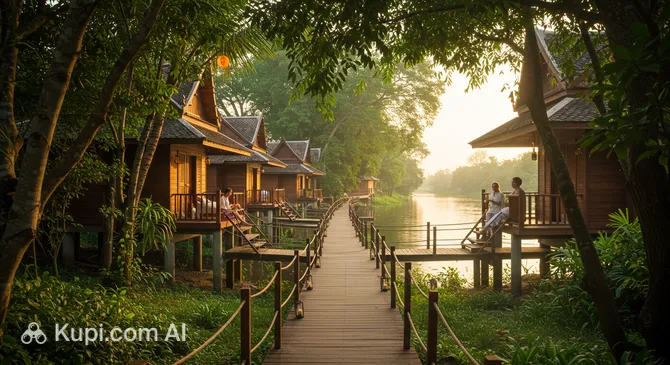
Among the available options, several resort hotels stand out. For example, Asita Eco Resort Amphawa offers guests comfortable accommodation in harmony with nature. Another popular choice is Baan Amphawa Resort and Spa, known for its hospitality and quality service. These places are often chosen for their location and the amenities they provide.

When planning a trip to Samut Songkhram, especially during the peak tourist season or on weekends when many local tourists visit, it is recommended to book accommodation in advance. The price range varies from budget options to mid-range and high-end offers. You can book your stay through popular online platforms or, in some cases, by contacting the hotel or guesthouse directly.

Nearby Cities

For those who want to explore the surroundings, Samut Songkhram serves as an excellent starting point for day trips to several interesting nearby locations. Below is a table with some of them:

CityPopulationDistance
Ban Bang Phlap9 4346 km
Ban Wat Lak Hok41 88418 km
Ban Huai So Nuea12 23922 km
Ban Laem12 54122 km
Khao Yoi15 41624 km

Among these cities, several are particularly noteworthy:

Nakhon Pathom: This city is famous for its majestic Phra Pathom Chedi stupa, which is considered one of the tallest Buddhist stupas in the world. A trip here will allow you to touch the ancient history and spiritual culture of Thailand. The city is also known for its fruit orchards and markets.

Samut Sakhon: Located on the coast, this bustling port city is known as "Mahachai." It attracts tourists with its colorful fresh seafood markets, where you can not only buy the gifts of the sea but also observe the authentic life of local fishermen.

Ratchaburi: This city and the province of the same name offer a variety of attractions. Although the famous Damnoen Saduak Floating Market is located in Ratchaburi province, the city serves as a convenient starting point for visiting it. Additionally, the region is interesting for its caves, such as Khao Bin, and the Khao Ngu Stone Park with its impressive rock formations.

These and other nearby destinations allow for a deeper acquaintance with the diverse culture, history, and landscapes of Thailand, making your trip from Samut Songkhram even more fulfilling.

Shopping & Souvenirs

Shopping in Samut Songkhram is an immersion into an authentic Thai atmosphere, far from the glitter of modern shopping centers. The city and its surroundings are famous for their unique markets, where you can find the freshest local products, seafood, and original handmade items. It is more of an experience of cultural exchange and searching for unusual things than a hunt for global brands.

Instead of the usual shopping streets with boutiques, commercial life in Samut Songkhram is centered around its lively markets. You will find the main shopping points near the Mae Klong River and the numerous canals that permeate the region, especially where the markets are located.

You won't find large modern shopping centers in Samut Songkhram. The charm of local shopping lies precisely in traditional markets and small family shops. For a mall experience, tourists usually have to head to larger cities in Thailand.

Markets are the heart and soul of shopping in Samut Songkhram. Be sure to visit:

  • Maeklong Railway Market (Talad Rom Hup), also known as the "market on the rails." This is perhaps one of the most unusual markets in the world. The trading rows here are located right on active railway tracks. Vendors of fresh seafood, fruits, vegetables, and spices instantly retract their awnings and goods when a train approaches. This sight attracts many tourists.
  • Amphawa Floating Market is the quintessence of Thai color. It comes to life in the late afternoon and evening, especially on weekends (Friday to Sunday). Wooden boats loaded with food, snacks, and souvenirs ply the canals. It is a great place to try local delicacies, buy handicrafts, and enjoy the unique atmosphere.
  • Many other small local markets operate daily, offering fresh produce and a chance to observe the daily life of the region.

As souvenirs from Samut Songkhram, it is worth bringing back items that reflect local culture and production:

  • Palm sugar (namtan maphrao): the region is famous for its high-quality palm sugar.
  • Coconut products: various items made from coconut, from oil and chips to handicrafts.
  • Dried seafood and shrimp paste (kapi): thanks to the proximity to the sea and developed fishing industry.
  • Local sweets and snacks: these can often be found at the markets.
  • Handmade crafts: small wooden figurines, textiles, or souvenirs sold at the floating market.

Regarding operating hours and payment: fresh markets like Maeklong usually open early in the morning and may close by the end of the day. Amphawa Floating Market typically operates from Friday to Sunday, from about 2:00 PM to 8:00 PM or 9:00 PM. Small local shops usually adhere to standard daytime hours. The primary means of payment, especially in markets and small establishments, is cash (Thai Baht). While some tourist-oriented shops or guesthouses may accept credit cards, it is always wise to have enough cash with you. ATMs are available within the city limits.

In Thailand, there is a VAT Refund for Tourists system for purchases made in shops with the appropriate sign. To qualify, the total value of goods purchased in one shop on one day must be at least 2,000 Baht. You will need to obtain a special P.P.10 form from the seller and present it along with your purchases at customs at the airport before your flight. While such a scheme exists, finding participating shops in small towns like Samut Songkhram is harder than in large tourist centers and big shopping malls. It is always better to clarify the possibility of a tax refund directly at the place of purchase.

Nearby cities

Reached the end of the page?

That means the route is fully explored