Support

Nuku'alofa

About

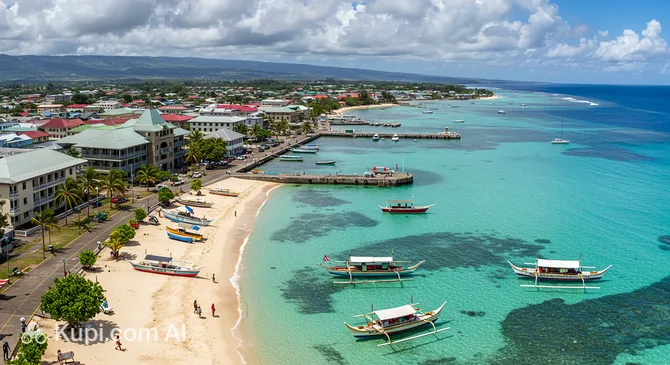
Welcome to Nuku'alofa, the charming capital of the Kingdom of Tonga. Situated on the northern coast of the island of Tongatapu, this city serves as the vibrant heart of the nation, blending traditional Polynesian culture with modern island life. With a population of approximately 23,000 residents, it offers a laid-back atmosphere that is distinct from busier metropolitan hubs, making it a perfect introduction to the South Pacific.

Nuku'alofa. Source: Kupi.Binoculars

The city is not only the seat of government but also the home of the Tongan Royal Family. Visitors interested in the rich history of Nuku'alofa will find the Royal Palace particularly captivating. Although the palace grounds are private, the striking white Victorian architecture creates a stunning backdrop along the waterfront. The city's location ensures a warm, tropical climate year-round, ideal for strolling along the scenic Vuna Road or enjoying the ocean breeze.

For a taste of local life, the Talamahu Market is a must-visit destination. It is the main hub for fresh tropical fruits, vegetables, and authentic Tongan handicrafts, offering a colorful and aromatic experience. Whether you are looking to explore nearby coral reefs or simply wish to enjoy the genuine hospitality of the locals, Nuku'alofa provides a welcoming gateway to the rest of the archipelago.

Weather Overview

Travelers visiting the capital can expect a warm and comfortable climate year-round, though there are distinct seasonal variations. The warmest period typically occurs between January and March, with average temperatures reaching up to 26.7°C in February. During these months, rain is more frequent, with approximately 20 wet days recorded per month, making it the lusher time of the year.

The cooler season, spanning from June to September, offers a refreshing change with average temperatures dipping to around 22.6°C in August. This period is generally drier, particularly in August which typically sees the lowest precipitation levels. To help plan your trip around these patterns, you can view more detailed information about the weather in Nuku'alofa before you pack.

Interesting Facts

Beyond the main attractions, Nuku'alofa holds many fascinating secrets that reveal the city's unique blend of deep-rooted tradition and island charm. From its poetic name to its unusual urban rhythm, the capital offers a travel experience unlike any other in the Pacific.

  • The Abode of Love: The name Nuku'alofa is beautifully derived from two Tongan words: "Nuku," meaning abode or home, and "'alofa," meaning love. It is often poetically translated as the "Abode of Love," a moniker that reflects the welcoming and peaceful nature of its inhabitants.

  • A Capital Without Traffic Lights: Nuku'alofa is one of the few national capitals in the world that operates without a single traffic light. Drivers navigate the city's streets using a polite system of roundabouts and mutual courtesy, contributing to the laid-back pace of life in Tonga.

  • A Prefabricated Palace: The iconic Royal Palace, a Victorian-style wooden structure built in 1867, was not originally constructed on the island. It was prefabricated in New Zealand from Kauri wood, shipped across the ocean in crates, and then assembled on its current waterfront site.

  • The Sunday Shutdown: The city observes one of the strictest Sabbath laws in the world. On Sundays, Nuku'alofa comes to a complete standstill; commerce is prohibited, sports are forbidden, and the streets are nearly empty as locals attend church and spend time with family, creating a surreal and peaceful atmosphere for visitors.

  • Sacred Ground in the City Center: In the heart of the city lies the Mala'ekula, or "Red Ground," the royal burial tombs. Unlike many other capitals where such sites are tucked away, these sacred grounds occupy a prominent central green space, serving as a constant, respectful reminder of the nation's royal lineage amidst daily urban life.

How to Get There

Reaching this island capital is an exciting part of the journey, with air travel being the primary method for international visitors. For a comprehensive overview of all travel options and logistics, you can read more about how to get to Nuku'alofa to help plan your trip effectively.

The most significant gateway to the city is Fua'amotu International Airport (TBU), which handles the majority of international and domestic traffic. Conveniently located just 13 km from the city center, it serves as the main hub for arrivals. The journey from the airport to downtown Nuku'alofa typically takes around 40 minutes by taxi or shuttle bus, allowing you to quickly settle into your island accommodation.

Another facility listed in the region is Salote Pilolevu (HPA), although it is important to note that this airport is located in the city of Pangai, approximately 175 km away from Nuku'alofa. Situated on a different island group, it primarily serves domestic connections rather than direct international arrivals for the capital. Travelers usually fly between these airports to explore the wider archipelago.

For clarity, here is a summary of the main airports:

Airport Name City Passenger Traffic Km from City
Fua'amotu International Airport Nuku'alofa Medium 13.0
Salote Pilolevu Pangai Small 174.9

Main Attractions

Nuku'alofa may be a relaxed and compact capital, but it offers a variety of cultural and historical sites that provide deep insight into the Kingdom of Tonga. Most key landmarks are located close to the waterfront and can be easily explored on foot, allowing visitors to soak in the peaceful atmosphere of the city while sightseeing.

The Royal Palace is undoubtedly the city's most iconic structure. Standing majestically on the waterfront, this Victorian-style building with its distinctive white timber walls and red roof is a symbol of the Tongan monarchy. While the palace grounds are private and closed to the public, the best views can be enjoyed from the promenade along Vuna Road. It is a favorite spot for photographers, especially in the late afternoon when the setting sun illuminates the historic architecture against the backdrop of the Pacific Ocean.

For a perfect escape from the town center, Pangaimotu Island is a top attraction for tourists staying in the capital. Located just a 10-minute boat ride from the main wharf, this small island offers a slice of paradise with its sandy beaches and clear blue waters. It is particularly famous for a half-sunken ship hull nearby, which creates an exciting environment for snorkeling and swimming. The island is an ideal spot for a day trip, offering a relaxed lunch setting and a chance to unwind on the sand.

Religious devotion is a cornerstone of local life, and the Centenary Church (Saione) is a magnificent architectural landmark worth visiting. As the Royal venue for worship, the church features a grand design with a vaulted ceiling and impressive stained glass. Visitors are often welcomed to attend Sunday services, where the harmonious and powerful choral singing provides a moving and authentic cultural experience that resonates long after the visit.

To discover the artistic side of the islands, a trip to the Talamahu Market is essential. While it serves as the main source of fresh produce for locals, it is also a treasure trove for authentic Tongan handicrafts. Tourists can explore stalls filled with intricate wood carvings, handmade jewelry, and traditional tapa cloth and fine woven mats. It is the best place in the city to engage with local artisans and find unique, high-quality souvenirs to take home.

Local Cuisine

The culinary landscape of Nuku'alofa is a delightful journey into the heart of the South Pacific, heavily reliant on the ocean's bounty and the fertile soil of the islands. Food here is hearty, fresh, and often prepared with generous amounts of coconut cream, known locally as lolo. For visitors, dining in the capital is an opportunity to taste traditional Polynesian flavors that have remained largely unchanged for generations.

One dish that you simply must try is 'Ota 'ika, often considered the national dish of Tonga. It consists of fresh raw fish marinated in lemon or lime juice and then mixed with coconut cream and diced vegetables like cucumber, tomato, and onion. It is similar to ceviche but with a distinct creamy richness. Another favorite is Lu, a meal where meat—often corned beef (Lu Pulu) or lamb (Lu Sipi)—is wrapped in taro leaves, drenched in coconut cream, and baked until tender. These dishes are typically served with boiled root crops such as taro, yams, or cassava, which act as the staple starch.

When it comes to beverages, the local refreshment of choice is 'Otai. This non-alcoholic fruit drink is a perfect remedy for the tropical heat, usually made from a blend of shredded watermelon or mango, coconut milk, and a squeeze of lime. For those interested in cultural traditions, you might encounter Kava, a sedative drink made from the crushed root of the pepper plant. While it has an acquired earthy taste and is often consumed in social or ceremonial settings, it is an integral part of the local lifestyle.

The dining scene in Nuku'alofa is relaxed and unpretentious. You will find a variety of eateries ranging from casual waterfront cafes serving fresh catch-of-the-day to small local spots offering hearty plates of island food. While street food is not as pervasive as in some Asian capitals, the local markets offer fresh coconuts and seasonal fruits. It is also worth noting that Sunday meals are traditionally significant feasts, often prepared in an earth oven called an 'umu, bringing families together over slow-cooked delicacies.

Travel Tips

Preparing for a trip to Nuku'alofa is less about strict itineraries and more about embracing the relaxed "island time" of the South Pacific. To help you navigate the unique customs and logistics of the Tongan capital with ease, here are some practical tips for a smooth and respectful journey.

  1. Clothing and Modesty: While the climate calls for light, breathable fabrics, it is crucial to respect local conservative standards. Tonga is a deeply religious nation, and modesty is expected in public areas. Both men and women should keep their shoulders and knees covered when walking around the city. Save your swimwear for the beach resorts or island day trips; wearing it in town is considered disrespectful.

  2. Getting Around: Public transport in Nuku'alofa consists of buses, which are colorful and affordable but run without a fixed timetable. For a more reliable option, look for taxis with a "T" on their license plate. Since taxis often do not use meters, it is essential to agree on the fare with the driver before starting your journey. Renting a car is possible, but remember to obtain a local temporary driving permit from the police station.

  3. Money Matters: The local currency is the Tongan Pa'anga (TOP). While major hotels and some restaurants in the capital accept credit cards, cash is still king for everyday transactions, especially at markets and small shops. ATMs are available in Nuku'alofa, but it is wise to carry enough cash for the day. Tipping is not a traditional custom, though rounding up the fare or leaving small change is appreciated for good service.

  4. Health and Safety: Nuku'alofa is generally a very safe city for tourists, but petty theft can occur, so keep valuables secure. Tap water is not recommended for drinking; stick to bottled or filtered water. Also, be sure to pack strong insect repellent, as mosquitoes can be active, particularly during the wet season. Pharmacies are available in the town center but may have limited stock of specific prescription medications.

  5. Staying Connected: English is widely spoken and is one of the official languages, so you will have no trouble communicating. However, learning a few Tongan phrases like Malo e lelei (Hello) and Malo (Thank you) goes a long way with locals. Wi-Fi can be slow and expensive, so purchasing a local SIM card from providers like Digicel or TCC upon arrival is the most cost-effective way to stay online.

  6. Respecting the Sabbath: Sunday in Nuku'alofa is strictly observed as a day of rest and worship. Almost all businesses, shops, and even the airport close down. It is illegal to work, play sports, or engage in loud activities on this day. Plan to spend your Sunday relaxing at your resort, visiting a church to hear the incredible singing, or taking a quiet walk, but avoid expecting any commercial services to be open.

  7. What to Avoid: Avoid rushing or showing impatience. Service in restaurants and shops operates on "island time," which is significantly slower than in Western cities. Getting frustrated will not speed things up and may be seen as rude. Additionally, avoid public displays of affection, which are frowned upon in Tongan culture.

  8. Market Tip: If you plan to visit the Talamahu Market, try to go on Saturday morning. This is when the market is at its liveliest, brimming with fresh produce and locals stocking up for the Sunday shutdown. It is the perfect time to experience the community atmosphere and buy the freshest tropical fruits.

By keeping these tips in mind, you will be well-equipped to enjoy the warmth and hospitality of Nuku'alofa without any surprises. Pack your sense of adventure and get ready to experience the genuine "Abode of Love" at its own peaceful pace.

Entertainment & Nightlife

Entertainment in Nuku'alofa reflects the laid-back and friendly spirit of the islands. While you will not find the neon-lit intensity of major global capitals, the city offers a genuine and warm nightlife scene where locals and visitors mingle effortlessly. The atmosphere is casual and unpretentious, centered around socializing, live music, and enjoying the cool ocean breeze after a sunny day.

The nightlife is primarily concentrated in two main areas: the waterfront along Vuna Road and the central business district along Taufa'ahau Road. Vuna Road is perfect for those who prefer an open-air setting with views of the harbor, while the town center offers a slightly more energetic vibe with venues tucked into the main commercial streets. The dress code is generally smart-casual; while shorts and t-shirts are acceptable, swimwear is strictly for the beach, and a tidy appearance is appreciated in the evenings.

For a classic Nuku'alofa experience, Billfish Bar and Restaurant on Vuna Road is arguably the most iconic spot in town. It is a favorite haunt for expats, tourists, and locals alike, known for its rustic, open-air structure and lively atmosphere. Depending on the night, you might encounter a live band playing reggae or island hits, a karaoke session, or a sports game on the big screen. It is an excellent place to start your evening with a cold local beer and a burger while watching the sunset over the water.

If you are looking for something more upbeat in the center of town, Reload Bar on Taufa'ahau Road is a popular choice. It tends to attract a younger crowd and is known for its dance floor and pool tables. The venue often features DJs mixing international tracks with Tongan contemporary music, creating a fun environment for those who want to stay out a bit later. For a more sophisticated evening with a view, The TOP Restaurant and Lounge offers an elevated perspective of the city, making it an ideal spot for a sunset cocktail before dinner.

When planning a night out, it is crucial to remember the strict Sabbath laws of Tonga. Public entertainment and commerce cease promptly at midnight on Saturday to usher in the holy day of Sunday. This means bars and clubs will close their doors right on time, and the streets will clear out quickly. It is best to start your Saturday evening early to make the most of the night.

Regarding safety and logistics, Nuku'alofa is generally safe, but it is advisable to take a taxi at night rather than walking, especially if you are venturing outside the well-lit main streets. Streetlights can be sporadic, and roaming dogs are common after dark. Taxis are affordable and easy to find; however, they often do not use meters, so it is standard practice to agree on a fare with the driver before you get in.

During the daylight hours, entertainment shifts towards cultural and relaxing activities. While the city does not have large amusement parks, the Talamahu Market provides a vibrant sensory experience with its rows of fresh produce and handicrafts. For a quick island getaway, many visitors take a day trip to the nearby Pangaimotu Island to enjoy the beach and snorkeling, returning to the capital in the late afternoon to freshen up for the evening's activities.

Parks & Museums

While Nuku'alofa may not feature vast urban parklands in the traditional sense, the city is woven with lush greenery and scenic promenades that reflect the island's deep connection to nature. The capital's cultural landscape is equally inviting, with a select number of galleries and centers dedicated to preserving the rich history and artistic heritage of the Kingdom of Tonga.

The most prominent recreational area in the city is the Vuna Road Waterfront. Recently redeveloped, this scenic promenade stretches along the harbor and serves as the city's primary outdoor gathering space. It is perfect for a leisurely stroll or a morning jog, offering uninterrupted views of the Pacific Ocean and the offshore islands. Locals and visitors alike flock here in the evenings to catch the cooling sea breeze and watch the sunset paint the sky behind the historic Royal Palace.

In the heart of the city lies Mala'ekula, the Royal Tombs. Although the grounds themselves are sacred and restricted to the public, this expansive, manicured green lawn dominates the central district and provides a visual oasis of calm amidst the town's activity. The white stone statues and the grand layout of the tombs are visible from the perimeter fence, making it a significant historical landmark that doubles as a peaceful green anchor for the capital.

For those interested in the artistic traditions of the islands, the Langifonua Gallery & Handicrafts Centre is a cultural gem. Established to empower local women and preserve traditional skills, this gallery showcases some of the finest examples of Tongan craftsmanship. Visitors can admire and purchase intricate tapa cloths, woven mats, and jewelry. It serves as both an exhibition space and a shop, offering a deeper look into the meticulous artistry that defines Tongan culture.

To step back in time, a visit to Ancient Tonga provides an immersive cultural experience that functions much like a living museum. Located just a short distance from the city center, this venue offers guided tours that explain the traditional Tongan way of life, including ancient clothing, food preparation, and communication methods. It is an educational stop that brings the history of the archipelago to life through interactive demonstrations rather than static exhibits.

A lesser-known spot for a quiet moment is the small garden area surrounding the Fa'onelua Convention Centre. While often busy with events, the grounds feature tropical plants and sculptures that highlight modern Tongan design. For a truly authentic experience, keep an eye out for temporary pop-up art displays often held during local festivals, where contemporary artists merge Polynesian motifs with modern mediums.

Getting Around

The public transport system in Nuku'alofa is simple, informal, and full of local character. Unlike large metropolitan cities, there are no subways, trams, or trains here. The primary mode of public transportation is the bus network, which consists of privately owned vehicles that are often brightly painted and decorated. These buses are a quintessential part of the island experience, offering an open-air ride with the windows down, often accompanied by local music playing over the sound system.

For tourists, the main hub for all bus services is the central bus station located on Vuna Road, conveniently situated near the Talamahu Market. Buses do not follow a strict timetable or have designated stops with signage throughout the city. Instead, they operate on a "wave and ride" system. If you see a bus approaching and want to get on, simply wave your hand to flag it down. To get off, pull the cord or politely alert the driver. This flexibility makes getting around easy, though it requires a bit of patience as schedules often run on "island time."

Payment on public transport is strictly a cash-only affair. There are no travel cards, mobile apps, or electronic ticketing systems in Tonga. Fares are very affordable, typically costing just a few Pa'anga for a trip within the city or to nearby villages. You simply pay the driver directly when you board or exit the bus. It is highly recommended to carry small denominations and coins, as drivers may not always have ample change for large bills.

Operating hours are limited compared to international standards. Buses generally run from early morning until roughly 5:00 PM or 6:00 PM on weekdays and Saturdays. It is crucial for visitors to remember that public transport shuts down completely on Sundays in observance of the Sabbath. On this day, you will not find any buses running, and the city streets are remarkably quiet. If you need to travel on a Sunday, you must arrange private transport in advance.

Taxis are a reliable alternative, especially in the evenings after bus services cease. Licensed taxis are easily identifiable by the letter "T" at the beginning of their license plate. Most taxis in the capital do not use meters, so it is standard practice to negotiate and agree on the fare with the driver before you enter the vehicle. Short trips within the city center usually have a standard fixed rate, but clarifying the price beforehand prevents any misunderstandings.

For those who prefer more independence, renting a car or a bicycle is a popular option. The city is flat, making it conducive to cycling, though you should be mindful of the traffic and occasional roaming dogs. If you choose to rent a car, be aware that you will need to obtain a local temporary driving permit from the police station, in addition to your valid home license. This allows you to explore the wider island of Tongatapu at your own pace, free from the constraints of the bus schedule.

Accommodation

Accommodation in Nuku'alofa reflects the city's unhurried pace and welcoming nature. Unlike bustling tourist hubs filled with high-rise chains, the capital of Tonga offers a more intimate selection of places to stay. Visitors can choose from a range of options that includes cozy family-run guesthouses, budget-friendly hostels for backpackers, and a handful of mid-range to upscale hotels that provide modern amenities. The focus here is often on hospitality and comfort rather than opulent luxury, allowing travelers to feel at home in the "Abode of Love."

The most popular area for tourists to base themselves is along the waterfront on Vuna Road. Staying here offers the distinct advantage of waking up to ocean views and cooling sea breezes. This location is ideal for those who want to be within walking distance of the Royal Palace and the main dining precinct while enjoying a scenic setting. Alternatively, accommodation in the Central Business District (CBD) places you right in the heart of the action, just steps away from the Talamahu Market and the main bus station, making it a convenient choice for travelers who plan to explore the island by public transport.

While the city does not host major international hotel franchises, it boasts several well-regarded establishments that have become local landmarks. The most prominent is the historic Tanoa International Dateline Hotel, located strategically near the harbor. It is a hub for business travelers and tourists alike, offering a resort-style pool and reliable services. Smaller boutique options, such as Seaview Lodge, are celebrated for their personalized service and colonial-style charm, often featuring excellent on-site restaurants that overlook the Pacific.

When planning your stay, it is important to consider the size of the market. Nuku'alofa has a limited number of rooms compared to larger destinations, so it is highly recommended to book in advance, especially if you are visiting during the peak season (June to October) or during major cultural events like the Heilala Festival. Arriving without a reservation can be risky, particularly on Sundays when many businesses are closed and finding last-minute assistance can be difficult.

In terms of cost, accommodation in the capital is generally reasonable. Budget travelers can find affordable beds in hostels or guesthouses, while mid-range options offer excellent value with air-conditioning and en-suite facilities. Booking can be done through major online platforms for the larger hotels, but many smaller guesthouses still prefer direct communication via email or phone. Regardless of where you choose to stay, you will likely be greeted with the warm, friendly service that the islands are famous for.

Nearby Cities

For those looking to explore the surroundings, Nuku'alofa serves as an excellent base for day trips to several interesting nearby locations:

City Population Distance (km)
Neiafu 13000 303
Pangai 1500 171
Niuatoputapu 1200 592

Although separated by the Pacific Ocean, Neiafu is the second-largest urban hub in the kingdom and a favorite destination for a short visit from the capital. Located in the Vava'u archipelago, it is renowned as a sailor's paradise and a premier location for whale watching. The town surrounds the stunning Port of Refuge, offering a distinctively different atmosphere from Nuku'alofa with its focus on aquatic adventures and yachting culture.

Closer to the main island lies Pangai, the administrative center of the Ha'apai group. This small town offers a serene escape into traditional island life, where the pace is slower and the beaches are pristine. Visitors often travel here to explore the rich history of the region or simply to unwind on the uninhabited sandy islets that dot the surrounding waters, making it a perfect spot for a tranquil getaway.

These nearby destinations offer a glimpse into the diverse culture and landscapes of the region.

Shopping & Souvenirs

Shopping in Nuku'alofa offers a delightful change of pace from the frantic commercialism of larger global cities. Instead of sprawling mega-malls and international luxury chains, visitors will find a relaxed atmosphere focused on authentic local craftsmanship and essential island goods. The experience is less about high-end retail therapy and more about discovering unique cultural treasures, engaging with friendly local vendors, and supporting the community's artisans.

The primary hub for retail activity is located along Taufa'ahau Road, the city's main thoroughfare. This bustling street runs through the center of town and is lined with a variety of shops selling everything from clothing and electronics to books and homewares. Strolling down this road allows tourists to browse small boutiques and general stores while soaking in the daily rhythm of the capital. Adjacent streets near the waterfront also feature several duty-free shops and souvenir outlets catering specifically to visitors.

While Nuku'alofa does not possess large-scale Western-style shopping malls, there are several smaller shopping complexes and department stores that serve the local population. These establishments provide a convenient one-stop destination for groceries, household items, and basic apparel. Travelers looking for imported goods or specific travel supplies will likely find them here, though the selection is generally modest compared to mainland standards.

The undisputed highlight of the shopping scene is the Talamahu Market. As the Kingdom's main fresh produce and handicraft hub, it is a vibrant explosion of color and culture. Here, rows of stalls display pyramids of tropical fruits, root vegetables, and woven baskets. For tourists, the upper level is particularly interesting, as it is dedicated to high-quality Tongan arts and crafts. It is the perfect place to meet the artisans themselves and watch them at work, ensuring that your purchases are authentic.

When it comes to souvenirs, Tonga is renowned for its exceptional traditional handicrafts. The most prized items include tapa cloth (made from mulberry bark and hand-painted with intricate designs) and finely woven mats, which hold significant cultural value. Other popular keepsakes include intricate wood carvings, jewelry made from coconut shell or bone, and bottles of infused Tongan coconut oil, which is famous for its skincare properties.

Business hours in the capital generally run from 8:30 AM to 5:00 PM, Monday through Friday. Saturday is a busy trading day, particularly in the morning, but most shops close by early afternoon (around 1:00 PM or 2:00 PM). It is strictly observed that on Sundays, almost all commercial activity ceases. Shops, markets, and businesses are closed in observance of the Sabbath, so tourists should plan their shopping needs accordingly.

Regarding payment, cash is king in Nuku'alofa. While some larger hotels, duty-free stores, and upscale tourist shops accept major credit cards, the vast majority of smaller vendors, especially at the market, deal exclusively in the Tongan Pa'anga (TOP). ATMs are available in the town center, and it is advisable to carry sufficient small change for everyday purchases. Tax-free shopping schemes for tourists are not a standard feature in the city, so visitors should not expect VAT refunds at the airport.
Nearby cities

Reached the end of the page?

That means the route is fully explored