Support

Pangai

About

Welcome to Pangai, the administrative capital of the Haʻapai island group and a charming settlement located on the western shore of Lifuka Island. As the beating heart of this central region in Tonga, the town offers a perfect blend of administrative importance and the laid-back charm of a traditional island village. It serves as the main hub for travelers exploring the pristine beauty of the surrounding archipelago.

With a population of approximately 1,500 residents, Pangai feels more like a friendly, close-knit community than a bustling city. The atmosphere here is incredibly peaceful and unhurried, making it an ideal destination for those seeking to escape the crowds and immerse themselves in the authentic rhythm of Pacific island life. The climate is tropical and pleasant, inviting visitors to explore the dusty streets and colorful local houses at a leisurely pace.
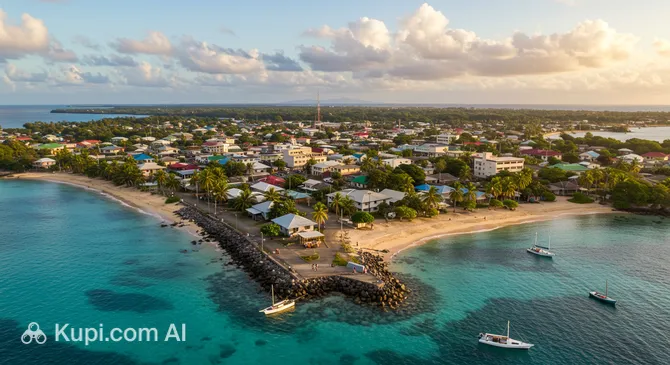
Pangai. Source: Kupi.Binoculars

Despite its modest size, the town holds significant stories from the past. Visitors interested in the history of Pangai will find the grave of Shirley Waldemar Baker, a pivotal figure who served as the first Prime Minister of the kingdom, located in the local cemetery. The town is also known for its beautiful churches, which stand as landmarks reflecting the deep spiritual roots and community spirit of the locals.

Pangai is also a fantastic gateway to natural wonders. It is a prime location for whale watching during the migration season, and the nearby beaches offer soft sands and crystal-clear waters perfect for swimming and snorkeling. The harbor area is a hub of activity where you can watch local boats and ferries, providing a genuine glimpse into the maritime culture of the region.

Whether you are here to explore the rich cultural heritage or simply to unwind by the ocean, Pangai welcomes you with open arms. It is a place where time seems to slow down, allowing you to truly appreciate the warm hospitality for which the "Friendly Islands" are renowned.

Weather Overview

Pangai enjoys a pleasant tropical climate with consistent warmth throughout the year, making it an inviting destination for travelers. The weather in Pangai generally stays within a comfortable range, with average temperatures fluctuating between 23.5°C and 26.9°C. While the island does experience distinct wet and dry periods, the thermometer rarely drops significantly, ensuring a warm atmosphere regardless of the season.

The warmest time of the year typically spans from January to April, where average temperatures hover around 26°C to 27°C. This period is also characterized by more frequent rainfall; for instance, March can see up to 23 wet days, so packing a raincoat is advisable. In contrast, the months from June to September are slightly cooler and drier. August is usually the coolest month with an average of 23.5°C, while September stands out as the driest time, offering the best conditions for exploring with only about 8 wet days on average.

Interesting Facts

Beyond its serene atmosphere and administrative buildings, Pangai holds fascinating secrets that have shaped the history of the entire Pacific region. The town and its surroundings are steeped in legends of explorers, ancient warriors, and pivotal moments that defined the nation.

  • The Irony of the "Friendly Islands": The nickname for Tonga was coined by Captain James Cook right here on Lifuka Island. While he was charmed by the hospitality he received during the 'Inasi festival in 1777, he was completely unaware that the local chiefs had allegedly plotted to assassinate him during the feast. The plan was only abandoned because they could not agree on how to carry it out, leaving Cook to sail away with fond memories of his "friendly" hosts.

  • Birthplace of a Kingdom: Pangai was a crucial stronghold for the unification of the archipelago. It served as the base for Taufa'ahau, the powerful chief of Haʻapai who eventually conquered the other islands and became King George Tupou I. His legacy as the founder of modern Tonga is deeply rooted in the soil of this modest town.

  • Connection to the Bounty Mutiny: As the administrative capital of the Haʻapai group, Pangai overlooks waters that witnessed one of the most famous maritime events in history. The nearby volcanic island of Tofua is where Captain William Bligh and his loyalists first landed in search of supplies immediately after the infamous Mutiny on the Bounty in 1789.

  • Ancient Fortifications: Just a short distance from the town center, adventurous visitors can find the remains of the Velata Mound. This site was once a significant fortress, offering a rare glimpse into the complex social structures and warrior culture that thrived in the region long before European influence arrived.

How to Get There

Reaching this serene island destination typically involves a combination of air and sea travel, as it is located in the central Haʻapai group of the Tongan archipelago. Most international visitors first arrive on the main island of Tongatapu before transferring to a domestic connection. For a detailed breakdown of routes and travel tips, you can read more about how to get to Pangai.

The most convenient way to arrive directly is via Salote Pilolevu (IATA: HPA), which serves the Haʻapai region. Located just outside the town, this small regional airport handles domestic flights connecting the islands. The airport is situated very close to the settlement, with a distance of only 3.9 km to the center. A trip by taxi or hotel transfer usually takes approximately 5 to 10 minutes, allowing you to start your vacation almost immediately upon landing.

Since the local airport does not handle international traffic, travelers from abroad must fly into Fua'amotu International Airport (IATA: TBU) first. This major hub is located in the city of Nuku'alofa, about 179 km from Pangai. As the primary gateway to the kingdom, it welcomes the majority of international flights. From there, visitors can catch a connecting domestic flight to Haʻapai or opt for an inter-island ferry service to reach their final destination.

For clarity, here is a summary of the main airports:

Airport Name City Passenger Traffic Km from City
Fua'amotu International Airport Nuku'alofa Medium 178.9
Lupepau'u Airport Neiafu Small 141.7
Salote Pilolevu Pangai Small 3.9

Main Attractions

Shirley Baker's Monument is a prominent historical site located in the town cemetery, dedicated to the memory of the first Prime Minister of Tonga. Shirley Waldemar Baker was a pivotal figure who helped shape the modern kingdom and authored its constitution. Visiting his grave offers tourists a chance to delve into the fascinating political history of the islands and understand the legacy of this influential advisor.

A short distance from the center lies the Velata Mound, an archaeological treasure that reveals the island's ancient past. This site was once a substantial fortress, and today, visitors can observe the earthworks that served as a defense system during the era of tribal conflicts. It is an intriguing spot for those who wish to imagine the island's landscape and warrior culture before the arrival of European influence.

The Free Wesleyan Church is an architectural centerpiece of Pangai, reflecting the deep Christian faith that permeates Tongan culture. The building is not only a place of worship but also a gathering point for the community. Travelers are often welcomed to witness the vibrant Sunday services, where the powerful and harmonious choral singing creates an unforgettable spiritual atmosphere.

Overlooking the waterfront is the Tau'akipulu Palace, the official royal residence for the monarch when staying in the Haʻapai group. Although the interior is closed to the public, the colonial-style structure with its traditional design makes for a picturesque landmark. It stands as a quiet symbol of the monarchy's enduring connection to this part of the archipelago and offers a glimpse into royal life in the outer islands.

Huluipaongo, also known as the Captain Cook Landing Site, marks the location where the renowned explorer arrived in 1777. It was here that the name "Friendly Islands" was coined, masking a more complex historical reality. A visit to this coastal spot allows tourists to stand on the ground where significant cultural exchanges took place, offering a tangible link to the age of exploration.

Local Cuisine

The culinary experience in Pangai is a true reflection of island life: fresh, organic, and deeply connected to the ocean and the land. While you won't find fine dining establishments here, you will discover authentic flavors prepared with generosity and tradition. The local diet relies heavily on root vegetables like yams, taro, and cassava, which are often served alongside freshly caught seafood and rich coconut cream.

One dish that every visitor must try is Ota Ika, a Polynesian-style ceviche. It consists of raw fish marinated in citrus juice and mixed with coconut milk and diced vegetables like tomatoes, onions, and cucumbers. It is incredibly refreshing and serves as a perfect light meal in the tropical heat. Another favorite is Lu Pulu, a hearty dish made from corned beef and onions wrapped in taro leaves, drenched in coconut cream, and baked until tender. For a more traditional meat option, you might find Lu Sipi, which uses lamb instead of beef.

When it comes to beverages, the locals have a fondness for Otai, a delightful fruit drink usually made from shredded watermelon or mango blended with coconut milk and a hint of lime. It is the perfect way to cool down on a warm afternoon. For those interested in cultural traditions, Kava is the most significant drink. Made from the powdered root of a pepper plant, it has a mild sedative effect and is central to social and ceremonial gatherings throughout the Haʻapai region.

The food scene in Pangai is casual and intimate. Most dining options are found within guesthouses or small, family-run cafes where the menu often depends on the catch of the day. The local market near the wharf is a great place to buy fresh bananas, papayas, and drinking coconuts directly from farmers. On Sundays, the town quiets down, and many families prepare an Umu, an earth oven feast, which remains a quintessential part of the local food culture.

Travel Tips

Visiting Pangai offers a rare opportunity to experience the authentic, unhurried pace of the South Pacific, but this remote charm comes with its own set of rules and logistical quirks. To ensure your stay in the Haʻapai administrative capital is as smooth and enjoyable as possible, here are some practical travel tips to keep in mind.

  1. Clothing and Gear: The climate is warm and humid, so pack lightweight, breathable fabrics like cotton or linen. However, Tongan culture is conservative; you should dress modestly when outside your resort. Both men and women should avoid wearing swimwear in town and ensure their shorts or skirts cover the knees. If you plan to attend a church service—which is highly recommended—bring formal attire: a collared shirt and trousers for men, and a dress or skirt that covers the shoulders and knees for women. Don't forget reef shoes for exploring the coral coastlines.

  2. Transportation: Pangai is small enough to navigate comfortably on foot, as most guesthouses, shops, and the wharf are within walking distance of each other. For exploring the rest of Lifuka Island or crossing the causeway to Foa, renting a bicycle is the best option and is often available through local accommodations. There is no public bus system, and while a few taxis exist, they are informal; ask your host to arrange a ride if you need to travel with heavy luggage.

  3. Finances: The local currency is the Tongan Paʻanga (TOP). While a few larger guesthouses may accept credit cards, cash is king in Pangai. There is a bank with an ATM in the town center, but it can occasionally run out of cash or experience technical issues. It is wise to withdraw sufficient funds in Nukuʻalofa before flying to Haʻapai. Tipping is not a traditional custom, but small gratuities for excellent service are appreciated.

  4. Health and Safety: Pangai is a very safe town with a low crime rate, but standard precautions like locking your room should still be taken. The local hospital provides basic medical care, but supplies can be limited, so bring a personal kit with essentials like painkillers, antiseptics, and any prescription medications. Tap water is generally not recommended for drinking; stick to bottled water or rainwater stored in tanks at your accommodation. Be diligent with insect repellent to protect against mosquitoes.

  5. Communication: English is widely spoken in Pangai, especially in shops and tourism-related businesses, though learning a few words of Tongan like Malo e lelei (Hello) and Malo (Thank you) will warm the hearts of locals. Wi-Fi is available at most guesthouses but can be slow or intermittent. For a reliable connection, purchase a local SIM card from the TCC or Digicel stores in town, which offer decent 4G coverage.

  6. Local Etiquette: The Sabbath (Sunday) is strictly observed in Tonga, and nowhere is this more apparent than in Pangai. On Sundays, all commerce stops, flights are grounded, and recreational activities like swimming near the town or loud noise are prohibited by law. Use this day to relax, attend a church service to hear the incredible singing, and enjoy a quiet walk. Always ask for permission before taking photos of people or their private homes.

  7. What to Avoid: Avoid rushing or showing impatience. Life in Pangai moves on "island time," and service in shops or cafes may be slower than what you are used to. Getting frustrated is considered rude and counterproductive. Also, avoid public displays of affection, which are frowned upon in this conservative society.

  8. Shopping Logistics: Be aware that shops in Pangai often close for a siesta in the early afternoon and shut their doors early in the evening, usually around 5:00 PM. Supplies can be irregular since they depend on the arrival of the weekly ferry from the main island. If you see a specific snack or essential item you need, buy it immediately rather than waiting for later.

By respecting these local customs and preparing for the island's remote nature, you will find yourself quickly embraced by the community. Relax, disconnect from the rush of the outside world, and let the peaceful spirit of Pangai make your trip truly unforgettable.

Entertainment & Nightlife

Nightlife in Pangai is a tranquil and intimate affair, reflecting the sleepy, laid-back rhythm of the Haʻapai islands. Travelers expecting thumping bass, neon-lit nightclubs, or 24-hour party districts will be surprised to find that the evening entertainment here is defined by starlit skies, the sound of the ocean, and quiet conversations. The town shuts down early, and the social scene revolves almost exclusively around guesthouses, small local eateries, and the traditional kava circles that form the backbone of Tongan male social life.

The "hub" of evening activity, if it can be called that, is concentrated near the main wharf and the few streets radiating from it. This is where locals and visitors cross paths as the sun goes down. The atmosphere is incredibly casual; shorts and t-shirts are the norm, though it is respectful to dress modestly—men should wear shirts, and women should avoid revealing clothing even in the evening. Most venues close by 9:00 PM or 10:00 PM, so "nightlife" is effectively an "evening-life" experience.

For a drink and a meal, the options are limited but welcoming. Mariner's Café is often considered the social center for tourists and expatriates. Located near the harbor, it is the place to swap stories with yachties, enjoy a cold beer, and catch up on local gossip. Another popular spot is the dining area at the Tiger Inn, where you can experience a mix of local hospitality and hearty food. If you are willing to travel a short distance across the causeway to Foa Island, the bar and restaurant at Matafonua Lodge offer a more resort-style atmosphere with stunning sunset views, making it a favorite for a relaxed evening cocktail.

A unique cultural experience available at night is the Kava Club (or kalapu). While not a bar in the western sense, these gatherings are where local men meet to drink kava—a mild sedative beverage made from the pepper plant root—and sing traditional songs. Visitors are sometimes invited to join these circles. It is a privilege to be asked, and participating offers a rare and authentic window into the community spirit of Haʻapai. If invited, bring a small donation or a gift of kava root as a token of appreciation.

Practicalities are important when heading out at night. Street lighting is minimal to non-existent away from the main road, so carrying a torch or headlamp is essential for avoiding potholes and navigating your way back to your accommodation. Public transport stops running in the late afternoon, so you will need to rely on walking, a rented bicycle, or a pre-arranged taxi. Safety is generally not a concern regarding crime, but roaming dogs can be territorial at night, so it is often better to carry a stick or walk in a group.

Before the sun sets, entertainment in Pangai is all about nature and history. During the day, visitors can explore the underwater wonders by snorkeling off the nearby reefs or organize a whale-watching tour if visiting between July and October. For a drier activity, a bicycle ride to the northern tip of Foa Island offers beautiful coastal scenery and a chance to see the local village life in full swing.

Parks & Museums

In the modest town of Pangai, located in the heart of Tonga's Haʻapai group, you will not find manicured city gardens or air-conditioned museum halls. Instead, the entire settlement and its surrounding coastline serve as a living, breathing open-air gallery. The "parks" here are the pristine beaches and historical grounds, while the "museums" are the ancient archaeological sites and colonial landmarks scattered throughout the village. Visitors come here to experience culture and nature in their rawest, most authentic forms.

While there are no formal botanical gardens, the Huluipaongo area, known as Captain Cook's Landing Site, functions as a significant historical park. Located on the waterfront, this grassy expanse marks the spot where the famous explorer first came ashore in 1777. It is a peaceful place for a stroll, offering uninterrupted views of the harbor and the neighboring islands. The site is marked by a simple monument, allowing visitors to stand on the very ground where European history in the region began, surrounded by the natural beauty of the Pacific.

For those seeking a more rugged natural experience, the Eastern Coast of Lifuka offers a dramatic contrast to the calm waters of Pangai. A short walk or bike ride across the island reveals a wilder landscape of wind-swept beaches and crashing waves. Unlike the swimming beaches on the western side, this area is perfect for beachcombing, observing the power of the ocean, and exploring the rocky outcrops. It serves as a natural sanctuary where you can find solitude and connect with the island's untamed environment.

As for cultural institutions, Pangai does not possess a dedicated building labeled as a museum. However, the Velata Mound stands as a remarkable archaeological testament to the island's warrior past. Located just a short distance from the town center, this ancient fortress site allows travelers to trace the earthworks of a bygone era. It offers a fascinating glimpse into the complex social structures and defensive strategies of early Tongan society, effectively serving as an outdoor museum of pre-colonial history.

Another site that fulfills the role of a historical gallery is the Shirley Baker Memorial within the town cemetery. The elaborate grave of the kingdom's first Prime Minister is more than just a monument; it is a focal point for understanding the 19th-century political transformation of the nation. The site is well-maintained and provides a tangible connection to the stories of missionaries, advisors, and monarchs who shaped modern history, making it an essential stop for enthusiasts.

For a truly authentic cultural experience, simply walking the streets of Pangai reveals a wealth of "living history." The town features several well-preserved examples of colonial wooden architecture and traditional Tongan fale. An insider tip for visitors is to rent a bicycle and ride across the causeway to the neighboring island of Foa. This journey offers not only spectacular turquoise vistas but also a chance to see petroglyphs and untouched village life, effectively extending your cultural tour beyond the town limits.

Getting Around

Navigating the transport system in Pangai is a unique experience that reflects the town's small size and relaxed island atmosphere. Unlike bustling metropolises, there is no formal public transportation network here; you will not find subways, trams, or scheduled municipal buses patrolling the streets. Instead, the local "system" is informal and relies heavily on personal interaction, making getting around a simple yet charming part of your travel adventure.

The most common motorized option for visitors is the local taxi service, though it operates quite differently from what you might expect in larger cities. Taxis are often unmarked private vehicles, and there are no designated taxi stands. Drivers do not use meters, so fares are fixed based on the destination. It is standard practice to agree on the price before you start your journey to avoid any misunderstandings later. These drivers are generally friendly and can often be hired for a half-day or full-day island tour if you wish to explore beyond the town limits.

Payment for all transport services is exclusively in cash. There are no travel cards, mobile apps, or electronic ticket machines available. You must carry local currency in small denominations, as drivers often do not have much change. Prices are reasonable, with short trips around the town or to the nearby airport costing a modest amount. Since there are no official tickets to validate, the transaction is simply a direct payment to the driver at the end of the ride.

For many tourists, the best alternative to motorized transport is renting a bicycle. The terrain around the settlement and the wider island is predominantly flat, making cycling an effortless and enjoyable way to see the sights. Many guesthouses and resorts offer bike rentals to their guests for a daily fee. This mode of transport allows you to cross the causeway to the neighboring island at your own pace, stopping whenever you please to take photos or enjoy the ocean breeze.

Walking is also a highly practical option, especially if you are staying within the main settlement. The town is compact enough that the wharf, market, shops, and most accommodations are all within a comfortable walking distance of one another. However, if you plan to walk at night, be sure to carry a flashlight, as street lighting can be sparse or non-existent in certain areas.

Car rentals are available but limited and usually need to be arranged through your accommodation or a local operator in advance. You will need to obtain a local visitor's driving license from the police station in town, which involves a small fee and presenting your valid home license. Operating hours for transport are flexible but generally follow the sun; finding a taxi late at night can be difficult, so it is wise to pre-arrange your evening return if you plan to dine out away from your lodging.

Accommodation

Accommodation in Pangai reflects the town's unhurried and authentic character. You will not find high-rise luxury hotel chains or sprawling all-inclusive complexes here. Instead, the lodging landscape is dominated by intimate, family-run guesthouses, small inns, and eco-friendly lodges that offer a genuine slice of island life. These establishments prioritize warm hospitality and a personal touch, often giving visitors the feeling of staying with friends rather than checking into a commercial hotel.

For those who value convenience and immersing themselves in the local community, staying within the town of Pangai itself is the best option. Accommodation here is typically simple but comfortable, placing you within easy walking distance of the wharf, the local market, and historical sites like the Shirley Baker Memorial. This area is perfect for travelers who want to be close to the few shops and services available, or who plan to take the ferry to other islands in the Haʻapai group.

If you are looking for a more resort-style experience with direct access to sandy beaches and snorkeling spots, you should consider the options located just north of the town or across the causeway on the neighboring Foa Island. This area is home to boutique lodges that offer a higher level of comfort and tranquility, often featuring traditional fale-style bungalows nestled in tropical gardens or overlooking the ocean. These spots are particularly popular among leisure travelers and those visiting specifically for water activities.

Prices in and around Pangai generally fall into the budget to mid-range categories. While you can find affordable rooms in simple guesthouses, the more upscale lodges on Foa command higher rates, especially those offering full amenities and tour services. Booking methods vary; while the larger lodges are listed on major online platforms, many smaller guesthouses still rely on direct inquiries via email or phone. It is highly recommended to book well in advance, particularly if you are visiting during the peak whale-watching season (July to October), when the limited number of rooms can sell out months ahead.

Nearby Cities

Pangai is situated in the central Haʻapai group, acting as a geographic midpoint in the Tongan archipelago. It lies between the nation's main island of Tongatapu to the south and the popular sailing destination of Vavaʻu to the north. This central location makes it a quiet but strategic stop for travelers exploring the different regions of the kingdom.

The closest major town is Neiafu, the administrative center of the Vavaʻu group, known for its deep-water harbor. To the south lies the capital, Nuku'alofa, which serves as the primary gateway for international visitors. Far to the north is the remote island settlement of Niuatoputapu, offering a glimpse into the most isolated parts of the country.

The following table provides details on these nearby cities, including their population and distance from Pangai:

City Population Distance (km)
Neiafu 13,000 134
Nuku'alofa 23,221 171
Niuatoputapu 1,200 431

Shopping & Souvenirs

Shopping in Pangai is a refreshingly simple and authentic experience, far removed from the commercial bustle of large cities or tourist-heavy resort towns. Visitors should not expect sprawling shopping malls, designer boutiques, or duty-free complexes. Instead, commerce here is functional and community-focused, centered around small family-run general stores and the local market. For tourists, this offers a chance to engage directly with locals and purchase goods that are essential to island life, from fresh tropical fruit to basic supplies.

The main hub of commercial activity is concentrated along the waterfront and the few streets immediately surrounding the Pangai Wharf. This area serves as the town's "high street," where you will find a cluster of general merchants, often referred to by locals as "Chinese stores" or trading posts. These shops sell a bit of everything, ranging from canned foods and bottled water to colorful fabrics and hardware. A stroll through this district is quick but offers a glimpse into the daily necessities of the Haʻapai people.

There are no shopping malls in Pangai or anywhere in the Haʻapai group. The closest equivalent to a department store would be the larger general trading stores, such as the Morris Hedstrom (if still operating under that name locally) or similar cooperative branches, which stock a wider variety of groceries and household items. Travelers should come prepared with any specialized gear, cosmetics, or electronics they might need, as these items are rarely available on the island.

The most vibrant shopping experience is undoubtedly the Pangai Market, located conveniently near the harbor. This open-air market is the beating heart of the community, especially on Saturday mornings when it is most active. Here, farmers from Lifuka and neighboring islands sell their fresh produce, including taro, yams, cassava, and drinking coconuts. Fishermen often sell their catch of the day directly from their boats or coolers nearby. It is the perfect place to pick up healthy snacks or ingredients if you are self-catering.

For souvenirs, Pangai offers authentic Tongan handicrafts, though you often have to ask around to find them as there are few dedicated souvenir shops. The region is famous for its high-quality hand-woven mats and tapa cloth (ngatu), made from the bark of the mulberry tree. You might also find intricate wood carvings, jewelry made from shells or whale bone, and locally produced coconut oil. Purchasing these items often involves buying directly from the artisans at the market or from their homes, ensuring your money goes straight to the local community.

Business hours in Pangai are generally from 8:30 AM to 5:00 PM on weekdays, with many smaller shops closing for a "siesta" or lunch break between 1:00 PM and 2:00 PM. On Saturdays, shops typically close early, around 1:00 PM. It is critical to remember that everything closes on Sundays in observance of the Sabbath, including all shops and markets. Planning your purchases ahead of the weekend is essential to avoid being caught without supplies.

Cash is the primary method of payment throughout the town. While a few larger guesthouses might accept credit cards, almost all shops, market stalls, and small businesses deal exclusively in the Tongan Paʻanga (TOP). There is an ATM in town, but it can be unreliable or run out of cash, so it is highly advisable to bring sufficient cash with you from the main island of Tongatapu. Tax-free shopping is not available in Pangai.

Nearby cities

Reached the end of the page?

That means the route is fully explored