Support

Neiafu

About

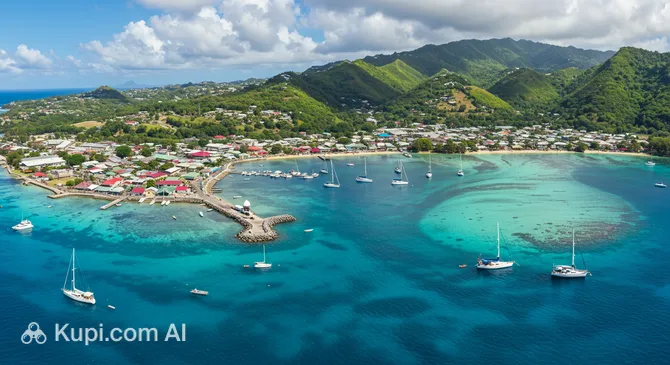
Neiafu is the charming capital of the Vava'u archipelago and the second-largest town in Tonga. Situated on the southern coast of the main island, this vibrant settlement serves as the administrative and economic hub for the region. With a population of approximately 13,000 people in the area, Neiafu offers a lively yet laid-back atmosphere that perfectly captures the warm and welcoming essence of island life.

Neiafu. Source: Kupi.Binoculars

The town is celebrated for its stunning location along the Port of Refuge, a deep-water harbor widely considered one of the most beautiful and protected anchorages in the Pacific. This geographical feature makes the city a premier destination for sailors and yacht enthusiasts from around the globe. Travelers interested in the history of Neiafu will appreciate the town's unique character, reflected in its colonial-style architecture and the iconic St. Joseph's Cathedral, which stands as a prominent landmark overlooking the bay.

Nature lovers and adventure seekers will find plenty to explore in and around the city. A hike up to the flat-topped Mount Talau provides breathtaking panoramic views of the harbor and the scattered islands beyond. Furthermore, Neiafu is a world-renowned base for whale watching, particularly between June and October when majestic humpback whales migrate to these warm waters to nurse their young. Whether you are browsing the local produce market, enjoying fresh seafood, or simply soaking up the tropical sun, Neiafu promises an unforgettable travel experience.

Weather Overview

Neiafu enjoys a consistently warm tropical climate, making it a pleasant destination to visit at almost any time of the year. The temperatures are remarkably stable, generally fluctuating between 24°C and 27°C. The warmest months are typically January and February, where average highs reach around 27.8°C, while the period from July to September offers slightly cooler conditions with averages dipping to approximately 24.4°C.

Rainfall is a regular occurrence in this lush region, with a high number of wet days recorded throughout the calendar. To help plan your activities, it is helpful to review the current weather in Neiafu. October and the summer months often see the most frequent showers, with up to 23 wet days, whereas November tends to be the driest month with fewer rainy days. Despite the frequency of rain, showers are often brief, leaving plenty of time to enjoy the island's natural beauty.

Interesting Facts

Beyond the scenic harbor and sailing adventures, Neiafu holds fascinating secrets and historical tales that add depth to its tropical charm.

  • The Legend of Mount Talau: Local folklore offers a mythical explanation for the distinct flat top of Mount Talau, which towers over the town. It is said that mischievous spirits from Samoa attempted to steal the mountain's peak to take back home, but they dropped it in panic when the morning sun caught them, creating the nearby island of Lotuma.

  • A Historic Treaty Site: Neiafu holds a significant place in Pacific diplomatic history as the location where the Treaty of Friendship between Tonga and Germany was signed in 1876. This agreement was pivotal as it was one of the first to recognize the kingdom's sovereignty on the global stage and granted rights for a coaling station in the harbor.

  • The "Oil" of the Harbor: The Port of Refuge is traditionally known as Lolo-’a-Halaevalu, which translates to "The Oil of Halaevalu." This poetic name refers to the waters being so calm and protected by the surrounding cliffs that they resemble the smoothness of oil, a description attributed to a high-ranking chiefess named Halaevalu.

  • Vanilla Capital: Neiafu is the processing heart of the Vava'u group, which is famous for producing some of the world's finest vanilla. During the curing season, visitors walking through the town can often smell the rich, sweet aroma of drying vanilla beans wafting through the streets from local warehouses.

How to Get There

Reaching the beautiful town of Neiafu is an exciting part of the adventure, offering travelers a glimpse of Tonga's stunning scattered islands from above. Most visitors arrive by air, connecting from the main island of Tongatapu to the Vava'u archipelago. For those currently organizing their itinerary, you can read more about how to get to Neiafu to ensure a smooth journey.

The primary gateway to the city is Lupepau'u Airport (VAV), located directly in Neiafu. This international airport is the most convenient option, situated just 7.2 km from the town center. Upon arrival, travelers can easily catch a taxi or a shuttle bus to their accommodation. The drive is short and scenic, typically taking about 30 minutes to reach the heart of the town and the harbor. With an annual passenger traffic of approximately 53,000, it is a bustling regional hub that welcomes flights regularly.

Another transport hub in the wider region is Salote Pilolevu (HPA), located in the city of Pangai. It is important to note that this airport is situated in the Ha'apai island group, approximately 130 km away from Neiafu. Due to the ocean separation, arriving here would require a subsequent inter-island flight or a sea voyage to reach Vava'u. While less direct for visiting Neiafu specifically, it serves as a key connecting point for those exploring multiple island groups in the kingdom.

For clarity, here is a summary of the main airports:

Airport Name City Passenger Traffic Km from City
Lupepau'u Airport Neiafu Medium 7.2
Salote Pilolevu Pangai Small 130.6

Main Attractions

Neiafu serves as the perfect gateway to the wonders of Vava'u, but the town itself and its immediate surroundings boast several captivating sights that reflect the island's history, culture, and natural beauty. While many visitors use the port as a base for water activities, taking the time to explore the local landmarks provides a deeper connection to the Tongan way of life.

Standing proudly over the harbor is St. Joseph's Cathedral, arguably the most iconic structure in the city. With its striking white walls and red roof, this Catholic church dominates the skyline and serves as an excellent reference point for navigating the town. Visitors are often drawn to its colonial-influenced architecture and the peaceful atmosphere inside. It is not just a religious center but a symbol of the community, offering a glimpse into the deeply spiritual nature of the local population.

For those willing to stretch their legs, Mount Talau National Park offers a rewarding adventure just a short distance from the town center. The trek to the summit of this flat-topped mountain is relatively easy and takes travelers through lush native forest, home to the rare Tongan whistler bird. The real prize, however, is the viewing platforms at the top, which provide spectacular panoramic vistas of the Port of Refuge, the intricate waterways, and the scattering of green islands across the deep blue Pacific.

To experience the vibrant pulse of daily life, a visit to the Utukalongalu Market is essential. Located near the wharf, this bustling marketplace is where farmers and artisans gather to sell their goods. Tourists can wander through stalls piled high with tropical fruits like papaya and coconuts, or browse for authentic handicrafts. It is the best place to find hand-woven mats, tapa cloth, and intricate jewelry, making it a treasure trove for souvenirs and a great spot to interact with friendly locals.

Just a short drive from Neiafu lies the Ene'io Botanical Garden, the first and only botanical garden in the kingdom. This lush sanctuary showcases a vast collection of exotic and indigenous plants, offering an educational journey through the island's flora. Visitors can enjoy guided tours that explain the traditional uses of various plants, sample local delicacies, and even watch cultural demonstrations, making it a comprehensive cultural and ecological experience.

Local Cuisine

Neiafu offers a delightful culinary journey that revolves heavily around the ocean's bounty and the fertile soil of the Vava'u islands. The local cuisine is characterized by its freshness, with a strong emphasis on seafood, root vegetables, and the ubiquitous coconut, which adds a rich, creamy texture to many traditional recipes. Visitors will find that food here is not just about sustenance but is a central part of the community's social life and hospitality.

One of the absolute must-try dishes in Neiafu is 'Ota 'ika, often considered the national dish of Tonga. It consists of raw fish, usually freshly caught tuna or snapper, cured in lemon or lime juice and then marinated in fresh coconut cream with diced vegetables like cucumber, tomato, and onion. Another savory favorite is Lu Pulu, a hearty meal made from corned beef and onions wrapped in taro leaves, drenched in coconut cream, and baked to perfection. For a true taste of the islands, look for dishes cooked in an umu (earth oven), where pork, yams, and taro are slow-roasted over hot stones, imparting a unique smoky flavor.

When it comes to beverages, the cultural significance of Kava cannot be overstated. Made from the powdered root of the pepper plant, this slightly numbing, non-alcoholic drink is central to ceremonial and social gatherings in Neiafu. While it has an acquired earthy taste, sharing a cup is a profound way to connect with local traditions. For something sweeter and more refreshing, try 'Otai, a chilled drink made from blended watermelon or mango mixed with shredded coconut and milk, perfect for cooling down on a warm tropical afternoon.

The dining scene in Neiafu is a mix of casual eateries and vibrant markets. The waterfront area along the Port of Refuge is lined with several restaurants and cafes that cater to both locals and the visiting yachting community, offering fresh lobster, grilled fish, and international options with a view of the harbor. For a more authentic experience, the local market is the best place to buy fresh tropical fruits like papaya and pineapple, or to grab inexpensive snacks wrapped in banana leaves. Tourists are also encouraged to attend a traditional Tongan feast, often held at local resorts or community halls, where long tables are laden with an abundance of food, accompanied by music and dance.

Travel Tips

Welcome to the relaxed and friendly hub of Vava'u; to ensure your adventure in Neiafu is as smooth as the waters of the Port of Refuge, a little local know-how is essential. These practical tips will help you navigate island life with ease, respecting local customs while making the most of your tropical getaway.

  1. Clothing and Modesty: Tonga is a deeply religious and conservative nation, so dressing appropriately is crucial. While lightweight, breathable cotton fabrics are best for the tropical heat, you must ensure your knees and shoulders are covered when in town or public villages. Reserve swimwear strictly for the beach or resort pool. Men should never walk around the town center shirtless, and women should avoid sheer or revealing clothing. Bringing a pair of sturdy reef shoes is also highly recommended for protecting your feet from coral.
  2. Getting Around: Public transport in the form of scheduled buses is virtually non-existent in Neiafu. Taxis are the most common and convenient way to travel; they are affordable and easy to flag down, often identified by the letter "T" on their license plate. For those wanting to explore the main island of Vava'u independently, renting a car or a scooter is a great option, though you will need to obtain a temporary local driver's license from the police station in town.
  3. Managing Finances: The local currency is the Tongan Pa'anga (TOP). While major resorts and tourist-focused restaurants in Neiafu accept credit cards (often with a surcharge), cash is absolute king for local markets, small shops, and taxis. There are ATMs available in the town center (ANZ and BSP), but they can occasionally run out of cash, so it is wise to withdraw what you need early. Tipping is not a traditional custom, but rounding up the bill or leaving a small amount for excellent service is appreciated.
  4. Health and Safety: Neiafu is generally very safe, but standard travel precautions regarding valuables apply. For medical needs, the Prince Ngu Hospital is located in town, and there are pharmacies for basic supplies, though stock can be limited. It is advisable to drink bottled or filtered water rather than tap water. Also, pack plenty of insect repellent, as mosquitoes can be active, especially at dusk and dawn.
  5. Staying Connected: English is widely spoken in Neiafu, particularly in the tourism and service sectors, so communication is rarely an issue. However, learning a few words of Tongan, such as Malo e lelei (Hello) and Malo (Thank you), will go a long way with the locals. Wi-Fi is available in most hotels and cafes but can be slow; for reliable internet, purchase a local SIM card from Digicel or TCC upon arrival.
  6. Local Etiquette: Tongans are incredibly hospitable and polite. When greeting people, a smile and a nod are common. It is important to remain calm and patient; "island time" is real here, and things may happen at a slower pace than you are used to. If you are invited into a home, remember to remove your shoes before entering.
  7. What to Avoid: Do not ignore the strict Sunday Sabbath observance. On Sundays, almost all commerce ceases, and loud activities, sports, or working are prohibited by law and custom. Avoid planning shopping trips or noisy excursions on this day. Additionally, public displays of affection are frowned upon and should be avoided to prevent offending local sensibilities.
  8. Sunday Survival Tip: Since Sunday is a day of rest and prayer, most restaurants and shops in Neiafu will be closed. Plan your meals ahead of time or book a lunch at one of the few resorts that remain open for tourists. It is the perfect day to relax, attend a moving church service to hear the beautiful choral singing, or simply enjoy the quiet atmosphere of the harbor.

By keeping these simple guidelines in mind, you will find it easy to slip into the laid-back rhythm of Neiafu. The locals are warm and welcoming, and showing respect for their culture will ensure your stay in this beautiful Pacific paradise is truly unforgettable.

Entertainment & Nightlife

Entertainment in Neiafu is inextricably linked to its identity as a sailing hub, creating a nightlife scene that is distinctively social, relaxed, and centered around the stunning Port of Refuge. Unlike the high-energy clubbing scenes found in major metropolitan cities, the evening atmosphere here is characterized by open-air decks, live acoustic music, and the mingling of international yacht crews with friendly locals. The nightlife district is compact, essentially consisting of the main waterfront road where most establishments are located, making it easy to hop from one venue to another on foot.

The vibe in Neiafu is casually sophisticated yet unpretentious. The dress code is almost universally "island casual," meaning shorts, t-shirts, and sandals are acceptable everywhere, though a tidy appearance is appreciated. Evenings typically begin with "sundowners" around 5:00 PM to watch the sunset over the harbor, transitioning into dinner and drinks that can last until midnight or slightly later on weekends. The crowd is a diverse mix of sailors, expatriates, and Tongan residents, fostering a welcoming environment where stories are shared across tables.

For those seeking a lively night out, Mango Cafe is a staple of the Neiafu waterfront. Known for its spacious deck extending over the water, it is a prime spot for enjoying cold beverages while listening to local string bands or participating in their popular quiz nights. Another bustling venue is The Refuge, which offers a vibrant social setting with a mix of dining and bar culture, often attracting a crowd looking to unwind after a day at sea. While dedicated nightclubs are rare, these waterfront establishments often turn up the music and clear space for dancing as the night progresses, particularly on Fridays and Saturdays.

Practicalities are important for a smooth night out. Most bars and restaurants in Neiafu are reasonably priced, though imported alcohol can be slightly more expensive than local options. Cash is the preferred method of payment, as card machines can be temperamental. Regarding transport, taxis are not always readily available late at night on the street. It is highly advisable to arrange a ride in advance or ask the venue staff to call a taxi for you. Walking along the main waterfront road is generally safe, but the side streets can be poorly lit, so sticking to well-populated areas is recommended.

Daytime entertainment in Neiafu leans away from commercial amusement parks or large theaters and focuses instead on cultural and natural experiences. There are no multiplex cinemas or grand museums in the traditional sense. Instead, visitors can explore small art galleries showcasing local carvings and tapa cloth, or attend cultural shows that often take place in community halls or resorts, featuring traditional Tongan dance and music. The town serves as a living museum of island life, where the entertainment is found in the bustling market, the church choirs on Sundays, and the vibrant community events that welcome visitors with open arms.

Parks & Museums

While Neiafu is not a city of sprawling urban parks or massive museum complexes, it offers a distinct kind of cultural and natural immersion where the landscape itself serves as a gallery and the forests act as living museums. The town's green spaces are untamed and lush, protecting unique island biodiversity, while its cultural venues are intimate spaces dedicated to preserving the ancient heritage of Vava'u.

Mount Talau National Park is the premier natural reserve in the area, protecting one of the few remaining patches of native tropical forest on the island. Established to safeguard the habitat of the Hengahenga (Tongan Whistler), a bird found nowhere else on earth, the park offers more than just a hiking trail. Walking through the reserve, visitors can observe a variety of indigenous tree species and intricate ecosystems that have thrived for centuries. The summit provides a flat, park-like plateau with several viewing platforms, allowing for a peaceful appreciation of the archipelago's geography.

Another significant ecological site is the Ene'io Botanical Garden, located a short distance from the town center. As the only botanical garden in Tonga, it functions as a sanctuary for over 500 different plant species, ranging from rare ornamental flowers to crops vital for Tongan survival. The garden is meticulously landscaped, offering visitors a structured yet wild environment to wander through. It serves an important educational role, labeling plants with their traditional medicinal and practical uses, effectively bridging the gap between a recreational park and a natural history museum.

In terms of museums, the Ene'io Ancient Tongan Cultural Centre, situated within the botanical garden grounds, is the closest experience to a traditional museum in Neiafu. This venue houses a collection of historical artifacts, including ancient stone tools, weapons, and fishing implements used by early Polynesians. Unlike static glass-case displays, the center often brings history to life through live demonstrations of tapa cloth making (ngatu) and mat weaving, offering a tactile understanding of the island's artistic heritage.

For art lovers, the town does not rely on formal galleries but rather on Handicraft Cooperatives and small local studios often found near the waterfront or the market. These spaces display the finest examples of Vava'u's renowned craftsmanship, particularly intricate wood carvings and jewelry made from whale bone or black coral. These venues act as cultural galleries where the artists are often present, happy to explain the stories and symbolism behind the geometric patterns found on their tapa cloths and woven wares.

For a truly authentic experience, seek out the small, often unmarked Vanilla Plantations on the outskirts of Neiafu. While not official parks, these green spaces are integral to the local culture and economy. Some farmers welcome visitors to walk among the orchid vines, explaining the labor-intensive pollination process that makes Vava'u vanilla famous worldwide, providing a fascinating glimpse into the agricultural "culture" of the island.

Getting Around

The public transport system in Neiafu is reflective of its status as a relaxed, small island hub rather than a bustling metropolis. Visitors should be aware that there are no metros, trams, trains, or large municipal bus networks operating in the city. The transport infrastructure is informal and relies heavily on road vehicles and maritime connections, perfectly suiting the laid-back pace of life in the Vava'u archipelago.

While there is no scheduled public bus service in the Western sense, privately owned minibuses and vans do operate, primarily connecting the outlying villages to the center of Neiafu. These vehicles serve the local population, transporting workers and students in the mornings and returning in the afternoons. For a tourist, using these buses can be an authentic cultural experience, but they are not a reliable method for time-critical sightseeing, as they often lack fixed timetables and depart only when the driver decides they are full.

The most practical and popular mode of transport for visitors is the taxi. Taxis in Neiafu are plentiful, affordable, and easy to identify by the letter "T" at the beginning of their license plates. They function as the primary way to get around the town and to nearby attractions. Payment is exclusively in cash using the local currency, and there are no digital apps, travel cards, or electronic ticketing systems. Fares are generally fixed for standard trips within town, but for longer journeys to remote beaches or viewpoints, it is advisable to agree on the price with the driver before setting off.

For those seeking independence, renting a vehicle is an excellent alternative. Several local agencies offer rental cars, but scooters and bicycles are particularly popular given the compact size of the area and the scenic nature of the roads. To drive a motorized vehicle, tourists must obtain a temporary local driver's license, which can be easily purchased at the local police station upon presentation of a valid overseas license. This allows for the freedom to explore the island's lush interior at your own pace.

Given Neiafu's location on the edge of the Port of Refuge, water transport is a unique and essential feature of the local "commute." Water taxis and small boats act as the archipelago's equivalent of a suburban rail network, ferrying passengers between the main town and the smaller outer islands. These can be arranged at the wharf, and prices vary depending on the distance and the number of passengers. Additionally, the town center itself is quite small and walkable, allowing visitors to easily access markets, shops, and restaurants on foot without the need for any vehicle at all.

Accommodation

Accommodation in Neiafu is as relaxed and welcoming as the town itself, catering primarily to adventure travelers, sailors, and those seeking an authentic island experience. Rather than sprawling luxury resorts or high-rise international chains, visitors will find a charming selection of locally run lodgings. The options typically range from budget-friendly hostels and cozy guesthouses to comfortable mid-range hotels and boutique waterfront lodges. This ensures that whether you are a backpacker watching your budget or a couple seeking a romantic getaway, there is a suitable place to rest your head.

The most popular area to stay is undoubtedly along the edge of the Port of Refuge. Accommodations here offer the distinct advantage of convenience, placing tourists within walking distance of the main wharf, dive shops, restaurants, and the local market. Waking up to the view of yachts bobbing in the calm harbor is a highlight for many. Alternatively, some travelers prefer the establishments perched on the hillsides overlooking the town. These locations often provide spectacular panoramic views of the bay and cooler breezes, though they may require a short taxi ride or a walk up from the center.

For those planning a trip, it is important to note that Neiafu is a seasonal destination. The peak tourist period coincides with the humpback whale migration, which runs from June to October. During these months, the town buzzes with activity, and rooms can fill up remarkably fast. It is highly recommended to book your accommodation several months in advance if you intend to visit during this window to secure your preferred location.

In terms of pricing, Neiafu is generally affordable compared to other Pacific resort destinations. Most properties fall into the budget to mid-range price bracket, offering excellent value for money. While the larger hotels and lodges can usually be booked via major online travel platforms, many smaller guesthouses and family-run rentals still rely on direct booking through email or their own websites. It is also worth noting that while some places accept credit cards, having cash on hand is useful for settling smaller bills or deposits.

Nearby Cities

For those looking to explore beyond the immediate archipelago, Neiafu serves as a starting point for reaching several interesting nearby destinations and regional connections:

City Population Distance (km)
Nuku'alofa 23221 303
Pangai 1500 134
Niuatoputapu 1200 299

While some of these locations require a short flight or sea voyage due to the geography of the islands, they are well worth the journey for travelers wishing to experience the diverse character of the kingdom.

Nuku'alofa is the bustling capital of the Kingdom of Tonga, located on the island of Tongatapu. As the seat of government and the home of the Royal Family, it offers a distinct contrast to the laid-back vibe of Neiafu. Visitors can explore the grounds of the Royal Palace, wander through the vibrant Talamahu Market to see fresh produce and handicrafts, or stroll along the waterfront promenade. It is the primary hub for understanding the modern and traditional blend of Tongan culture.

Situated in the Ha'apai island group, Pangai offers a serene and historically rich experience. This small town is famous for the legacy of Shirley Baker, a missionary and premier whose monument stands in the town, as well as its proximity to the site of the Mutiny on the Bounty. It is an ideal spot for those seeking pristine, uncrowded beaches and a slower pace of life, perfect for relaxing and enjoying the tranquility of the central island group.

For the truly adventurous, Niuatoputapu presents an opportunity to see one of the most remote and traditional parts of the country. Known as "The Sacred Island," it features stunning volcanic landscapes and a community that has preserved many ancient customs due to its isolation. A visit here offers a rare glimpse into a way of life that has remained largely unchanged, set against a backdrop of lush vegetation and crystal-clear waters.

These regional connections offer a glimpse into the diverse culture and landscapes that make up the wider nation.

Shopping & Souvenirs

Shopping:

Neiafu offers a shopping experience that is refreshing in its simplicity, focusing on local craftsmanship and fresh produce rather than high-end fashion or sprawling retail complexes. Visitors will not find designer brands or luxury boutiques here; instead, the town provides an authentic glimpse into island life, where trade is centered around essential goods and unique handmade treasures. The shopping scene is intimate and relaxed, perfectly mirroring the laid-back atmosphere of the Vava'u archipelago.

The primary commercial activity is concentrated along the main waterfront road and the streets immediately branching off from the Port of Refuge. This compact area allows tourists to easily explore the available shops on foot. Here, travelers can find a variety of small convenience stores, often referred to as general merchants, which stock everything from groceries and toiletries to basic clothing and hardware. There are also a few specialized gift shops and boutiques catering specifically to the yachting community and tourists, offering books, postcards, and island-style apparel.

Travelers should be aware that there are no shopping malls or department stores in Neiafu. The retail landscape is dominated by small, independent businesses and family-run establishments. For those needing to stock up on supplies for a sailing trip or self-catering accommodation, several larger supermarkets and wholesale stores are available in the town center, but they function more as utilitarian grocery stops than leisure shopping destinations.

The heartbeat of Neiafu's commerce is undoubtedly the Utukalongalu Market, located right next to the wharf. This bustling open-air hub is an essential stop for any visitor. One section is dedicated to fresh produce, where tables are piled high with seasonal tropical fruits like pineapples, papayas, and bananas, as well as root vegetables. The adjacent section is the center for handicrafts, where local women sell their intricate creations. It is the best place to interact with artisans and see the vibrant colors of Tongan culture on full display.

Vava'u is renowned for the high quality of its handicrafts, making it an excellent place to find meaningful souvenirs. The region is particularly famous for its woven mats and baskets made from pandanus leaves, often featuring distinct and intricate patterns. Tapa cloth (ngatu), made from beaten mulberry bark and hand-painted with traditional brown and black designs, is another prized item. Additionally, Vava'u is the vanilla capital of Tonga, so purchasing locally grown vanilla beans or extract is a must for foodies. Other popular keepsakes include jewelry carved from whale bone or black coral, and bottles of fragrant coconut oil.

Business hours in Neiafu are generally from 8:00 AM to 5:00 PM, Monday through Friday. On Saturdays, many shops and the market operate on a reduced schedule, typically closing around 12:00 PM or 1:00 PM. It is crucial to remember that on Sundays, strictly observed as a day of rest, almost all shops and markets are closed. Regarding payment, cash is the preferred method for most transactions, especially at the market and smaller stores. While some larger tourist-oriented businesses and supermarkets may accept credit cards, they often charge a transaction fee, so carrying sufficient Tongan Pa'anga is highly recommended.

There is no formal tax-free shopping refund scheme for tourists operating within the local shops of Neiafu. Prices displayed on goods are generally final and inclusive of any local taxes. Travelers looking for duty-free items will typically only find these at the international airport upon arrival or departure.
Nearby cities

Reached the end of the page?

That means the route is fully explored