Support

Arnavutkoy

About

Arnavutköy is a unique and dynamically developing district of Istanbul, located in the European part of Turkey. The city's name, which translates to "Albanian village," dates back to the 15th century when Albanian settlers established themselves here. Today, this district, adjacent to the Black Sea coast, harmoniously combines the charm of an old province with the power of a modern logistics hub.

Geographically, the city occupies a vast area in the northwest of the metropolis, characterized by flat terrain and pleasant proximity to the sea. The district's population is around 270,000 and continues to grow. Its centuries-old history has played a vital role in its development, transforming former agricultural lands into a strategically important territory of modern Istanbul.
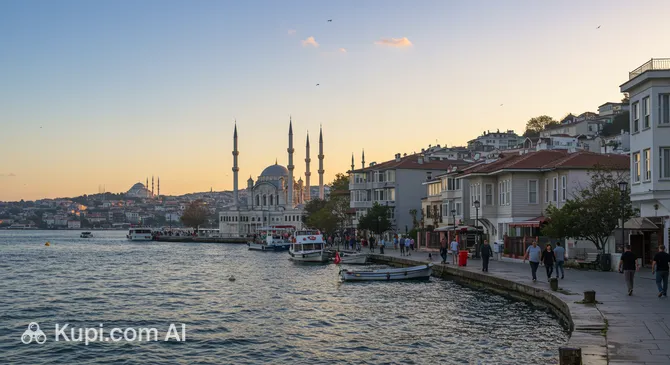
Arnavutkoy. Illustration.
Source: Kupi.com AI

For travelers, Arnavutköy is primarily interesting for its extensive 22-kilometer coastline lined with cozy cafes and fish restaurants. Although the city has become a major industrial center, one can still find quiet corners with 19th-century wooden houses and cobbled streets that preserve the atmosphere of old Istanbul. It is an ideal destination for those who want to see a "different" Turkey — business-oriented and modern, yet retaining its historical charm.

We recommend visiting Arnavutköy as a starting point for your journey or as a peaceful spot for seaside walks away from the hustle and bustle of the central tourist quarters.
Weather Overview

The climate in Arnavutköy is largely determined by its proximity to the Black Sea and the Bosphorus strait, providing the city with a moderate continental character and pronounced humidity. Summer here is moderately hot: in July and August, the average temperature ranges between +25–28°C. This is the best time for walks along the embankment, as the sea breeze softens the heat.

Winter in the district is mild but quite humid and windy. In January, the temperature usually stays around +5–10°C, and frosts are rare. Nevertheless, tourists should be prepared for frequent rain during the autumn-winter period — the highest rainfall occurs in November and December. If you are planning a trip, detailed weather in Arnavutköy by month will help you choose the right wardrobe.

Spring and early autumn are the most comfortable seasons for visiting the city. In May and September, a pleasant temperature of about +18–22°C sets in, and rain becomes less frequent. Due to the flat terrain and proximity to the airport, an accumulation of haze may be observed on windless days; however, good ventilation from the sea usually clears the air in residential quarters quickly.

Average monthly temperature

Average monthly precipitation

Interesting Facts

  • The name Arnavutköy means "Albanian village" in Turkish. It appeared in the 16th century by order of Sultan Bayezid II, when people from Albania were settled here.

  • The district covers a massive area — over 453 square kilometers, making it one of the largest administrative districts in Istanbul.

  • For a long time, Arnavutköy remained a quiet agricultural outskirts, but everything changed in 2018 with the opening of the New Istanbul Airport, located right within the district.

  • The city boasts an impressive Black Sea coastline spanning 22 kilometers, which attracts fans of fish cuisine from all over the metropolis.

  • Historically, the city's population was highly multinational: until the early 20th century, Turks, Greeks, Armenians, and Jews lived side by side here, creating a unique cultural layer.

How to Get There

Transport accessibility in Arnavutköy has significantly improved in recent years, turning it from a remote suburb into a key logistics hub in Turkey. This was made possible by large-scale infrastructure construction connecting the district with central parts of Istanbul and other cities in the country. Detailed information on routes can be found in the how to get to Arnavutköy section.

The main "gateway" to the city is Istanbul Airport (IST). It is one of the world's largest and most modern aviation hubs, located directly within the district. You can reach the residential quarters or central Istanbul from the terminals via comfortable HAVAİST buses, which run 24/7, as well as by taxi. The travel time to central areas like Taksim is usually about an hour but can increase depending on traffic.

AirportPassenger trafficDistance
Istanbul Airport76 mln6 km
Sabiha Gokcen International Airport37.1 mln61 km
Çorlu44 20568 km
Cengiz Topel Airport5 306126 km
Yenisehir Airport194 910128 km

For travel within the metropolis, residents actively use the Metrobus system (line 34Z), which provides a fast connection to the European part of the city. Arnavutköy is also linked by a network of municipal buses to major transport hubs. If you prefer more scenic routes, you can use the ferries running along the Bosphorus to the nearest piers in neighboring districts, and then transfer to a bus or taxi.

StationPassenger trafficDistance
Bajkovo Station294 km

Main Attractions

While Arnavutköy is better known as a residential and logistics district, there are several places here that deserve the attention of travelers. The main point of attraction is the extensive Black Sea coastal zone. A stroll along the waterfront allows you to enjoy the fresh sea breeze and get acquainted with the local leisure culture in numerous restaurants specializing in seafood.

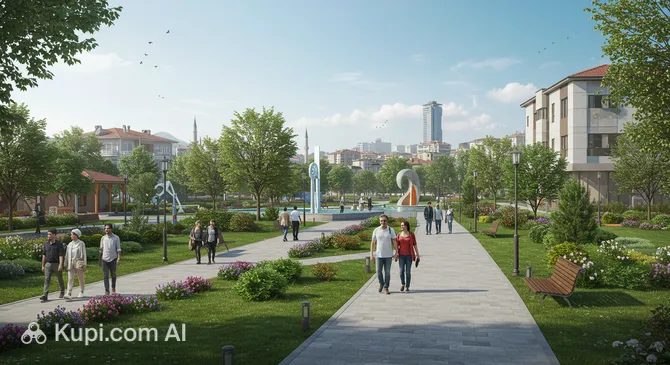
One of the modern spots for family recreation is Vadipark Arnavutköy. This well-maintained green area is where residents and guests can escape the city bustle, play sports, or spend time at the playgrounds. The park has become an important element of the district's urbanization, offering quality leisure space amidst modern developments.

Arnavutköy Vadipark. Illustration.
Source: Kupi.com AI

Traveler photos:

Fans of architectural details should head to the old part of the city. Here, you can still find colorful wooden Ottoman mansions and traditional mosques that contrast with massive infrastructure projects like Istanbul Airport. While these historical monuments are scattered across different quarters, searching for them turns into a fascinating exploration of this "Albanian" settlement's history.

For nature lovers, the surrounding forest areas and hills encompassing the district are of interest. These are excellent spots for short hikes or picnics, especially during the spring and autumn periods when Turkey's nature reveals itself in all its glory.

Local Cuisine

The gastronomic profile of Arnavutköy is inextricably linked to its geographical location. Proximity to the Black Sea makes fish and seafood the main stars of the local menu. In coastal restaurants, you must try ızgara balık (grilled fish) — most often freshly caught mackerel or sea bass. Midye dolma — fragrant mussels stuffed with spiced rice — are also popular.

For those who prefer meat dishes, the city offers Turkish classics. Be sure to stop by Dürümcü Mahmut Usta, where they prepare traditional dürüms and kebabs, much loved by locals for their juiciness and authentic taste. Street food culture thrives here: small stalls with simits, pide, and lahmacun are found at every turn.

Breakfast occupies a special place in the city's life. A Turkish breakfast in Arnavutköy is a whole ritual with an abundance of cheeses, olives, homemade jams, and fresh bread, best enjoyed in a cafe with a water view. A good choice for a meal is the Fly Point Hotel Restaurant, combining quality cuisine and a pleasant atmosphere.

Among drinks in Arnavutköy, as in all of Turkey, strong black tea in small tulip-shaped glasses leads the way. In the evening, at waterfront restaurants, you can order rakı — an anise-flavored spirit traditionally consumed with cold meze appetizers. It is best to end your meal with a cup of thick Turkish coffee brewed on sand.

Travel Tips

Planning a visit to dynamic Arnavutköy? These practical tips will help make your trip comfortable and avoid unpleasant surprises in this important logistics center of Istanbul.

  1. Clothing and Essentials: The climate here is temperate, but due to the proximity to the Black Sea, it is often windy and humid. Bring a light windbreaker even in summer. For walks along the cobbled streets of the old town and parks, you will need comfortable shoes. When visiting mosques, remember to dress modestly: shoulders and knees should be covered.
  2. Transport: The fastest way to get to the center of Istanbul is by HAVAİST buses or taxi. Within the district, it is better to move by taxi via the Uber or BiTaksi apps, as the distances here are significant. Be sure to purchase an Istanbulkart to pay for fares.
  3. Finances: The official currency is the Turkish Lira. Although cards are accepted in major hotels and restaurants, you will definitely need cash at local markets and in small cafes. It is better to exchange money in advance at the airport or at banks in the center.
  4. Health and Safety: Arnavutköy is a safe district, but in the evening, it is better to stick to the well-lit central streets and the waterfront. Pharmacies (Eczane) operate on a standard schedule; on Sundays, only duty pharmacies (Nöbetçi) are open.
  5. Communication: The main language is Turkish. At airport hotels, staff speak English, but in local shops, knowing a few phrases in Turkish (for example, "Merhaba" — hello) will be very helpful. It's best to buy a SIM card right at the airport.
  6. Local Etiquette: Turks are very hospitable. Greet people politely and do not refuse offered tea in shops — it is a sign of respect. In conservative quarters, try to behave with restraint.
  7. What to Avoid: Do not get into a taxi without the meter turned on and avoid walking alone in poorly lit industrial zones near the district boundaries at night. Do not photograph people without their consent, especially in traditional quarters.
  8. Extra Tip: Be sure to set aside an evening for dinner on the waterfront. The fresh fish in local restaurants is something Istanbulites are willing to drive from the other end of the city to Arnavutköy for.

Arnavutköy will reveal a modern and active side of Istanbul to you, while offering cozy moments by the sea. Have a pleasant trip!

Entertainment & Nightlife

The entertainment scene in Arnavutköy is characterized by a calm and family-friendly atmosphere. You won't find loud nightclubs or massive concert halls here, as the district is geared toward the daily life of local residents. Nevertheless, evening life thrives in the coastal establishments. Locals and guests often choose the Fly Point Hotel Restaurant for dinner with a panoramic view, where they can enjoy Turkish hospitality in a cozy setting.

If you're looking for more active nightlife with dancing and bars, it's most convenient to head to neighboring districts like Bebek or Beşiktaş. The journey by taxi or public transport takes about 30 to 60 minutes, allowing you to dive into Istanbul's famous nightlife while maintaining the option to return to quiet Arnavutköy for rest.

During the day, entertainment is centered around park zones. A popular spot is Vadipark Arnavutköy, which offers facilities for walks and active recreation. Picnics in suburban areas are also popular, such as at the Ministry of Agriculture and Forestry Afforestation Area, where you can spend time outdoors among coniferous trees.

Safety in the district is at a good level, especially in the central and coastal quarters. For late-night travel, it is recommended to use official taxi apps, ensuring a fixed cost and comfortable movement between leisure spots.

Parks & Museums

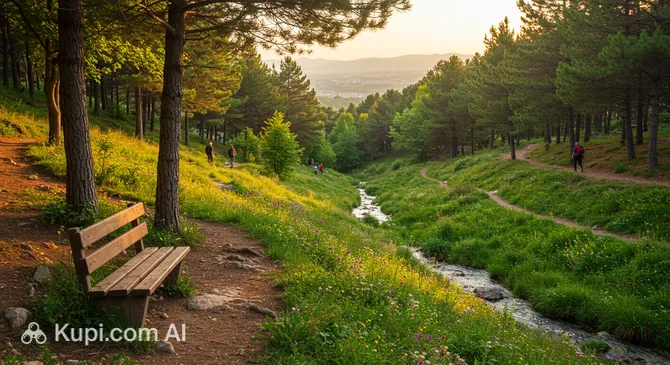
The green zones of Arnavutköy are its main pride and primary place for cultural recreation. One of the most significant natural areas is the Ministry of Agriculture and Forestry Afforestation Area. This large forest mass serves as the district's "lungs," offering clean air and excellent opportunities for trekking or peaceful family walks among the pine trees.

Ministry of Agriculture and Forestry Afforestation Area. Illustration.
Source: Kupi.com AI

Traveler photos:

In the heart of the urban development lies Vadipark Arnavutköy. This modern park was designed as a space for active leisure: it features high-quality cycling and running tracks, modern playgrounds for children, and landscaped relaxation zones. For tourists, it's a great place to see the daily life of townspeople in a comfortable setting.

As for classic museums, there are currently few in the district itself, as cultural life here is focused more on traditions and open-air architectural heritage. The main "museum" can be considered the old quarters with wooden Ottoman houses, which are being gradually restored. To visit major art galleries or historical exhibitions, residents usually head to the central districts of Istanbul, which can be reached in about an hour.

Getting Around

The public transport system in Arnavutköy is actively developing, adapting to the needs of the growing population and the proximity to the major aviation hub. The main form of connection with the rest of Istanbul is buses. HAVAİST routes play a special role, linking the New Airport with key points of the metropolis and providing comfortable transport for tourists.

Within the district, buses and small shared taxis — dolmuşes — are popular. They allow you to reach remote quarters and coastal zones where large municipal buses don't always go. An important artery is the Metrobus (34Z) line, with stops located on the district borders, ensuring a fast connection to the European part of the city without worrying about traffic jams.

To pay for travel, an Istanbulkart is mandatory — a single plastic card that can be topped up at terminals or via a mobile app. It is valid for all types of city transport. It's worth remembering that during rush hours (7:00 to 10:00 in the morning and 5:00 to 8:00 in the evening), the district's roads can be congested, so plan your trips with extra time.

An alternative to public transport is the taxi, which is easy to call through the Uber or BiTaksi apps. This is the most convenient way to move within the massive district (over 453 km²), especially if you plan to visit remote forest zones or coastal restaurants. Pedestrian infrastructure is well-developed in new residential complexes, but for moving between quarters, it's better to use transport.

Accommodation

In Arnavutköy, the choice of accommodation is primarily aimed at two categories of travelers: transit airport passengers and those seeking budget stays away from the busy center. Modern apart-hotels and mid-range guest houses predominate here. Most accommodation options are concentrated either in the immediate vicinity of the airport or along the Black Sea coastline.

One well-known option in the district is the Fly Point Hotel Restaurant, which offers both dining and relaxation facilities. Hotels in this part of the city are often chosen for their newness and good value for money. It's worth noting that there are few luxury five-star complexes in Arnavutköy itself; for those, it's better to look in neighboring, more tourist-oriented districts.

Arnavutköy Vadipark. Illustration.
Source: Kupi.com AI

Traveler photos:

When planning a trip, it is recommended to book accommodation in advance, especially if your visit coincides with major international events or holidays, as proximity to the country's main aviation hub ensures consistently high demand. To find options, it is best to use international booking systems or Turkish apartment rental services.

Prices for accommodation here are noticeably lower than in Istanbul's historical center. This makes Arnavutköy an excellent base for budget-conscious travelers who have a car or are ready to use the growing public transport network to travel to the metropolis's main attractions.

Nearby Cities

Arnavutköy is a convenient starting point for exploring the northern and western outskirts of the Istanbul region. Thanks to a developed road network, it's easy to reach several interesting towns and districts from here, each with its own character.

One popular destination for a trip is Çatalca. This town attracts nature lovers and those seeking a quiet getaway. Here, you can visit historical attractions like ancient walls and caves, as well as enjoy farm products at local markets. A car journey takes very little time, offering views of the green suburbs.

If you're interested in modern Istanbul with its massive shopping malls and residential complexes, it's worth visiting Esenyurt or the neighboring Küçükçekmece, located on the shores of the lake of the same name. These districts showcase Turkey's rapid pace of urbanization and offer extensive opportunities for shopping and walking along well-maintained lakefront promenades.

CityPopulationDistance
Esenyurt891 12020 km
Esenler444 56121 km
Bagcilar734 36921 km
Kucukcekmece770 31722 km
Catalca72 96623 km

We recommend not limiting yourself only to the district itself but dedicating time to exploring the surroundings. Proximity to the sea, forests, and major transport arteries allows you to create various routes for day trips that reveal the multifaceted nature of this region.

Shopping & Souvenirs

Shopping in Arnavutköy differs from the typical experience of visiting the huge malls of central Istanbul. Here, the atmosphere of local markets and small shopping streets predominates, where you can find goods for daily life. Main commercial activity is concentrated in the district center and along the major roads leading to the airport. Locals value the small shops for the freshness of their products and the opportunity for personal interaction with the seller.

Food markets deserve special attention. Given the proximity to the sea, Arnavutköy's fish bazaars offer a wide choice of seafood delivered every morning. This is the best place to buy fresh fish or seafood. Also, at weekly markets (pazars), you can purchase homemade cheese, olives, spices, and seasonal vegetables at very attractive prices.

For those looking for modern shopping centers, the choice within the district itself is limited, and tourists often head to neighboring Bağcılar or Esenyurt for major brands. However, in local retail outlets, you can find quality Turkish textiles and clothing at prices lower than in the tourist center. Local tea, traditional Turkish sweets, and ceramic products are often brought back as souvenirs from Arnavutköy.

Shops usually operate from 9:00 AM to 9:00 PM, while markets open early in the morning. Cards are accepted in most chain stores and establishments like the Fly Point Hotel Restaurant, but for purchases at markets or in small shops, it's always better to have cash Turkish Lira with you. The Tax Free system applies in large sales points that display the corresponding logo.

Reached the end of the page?

That means the route is fully explored