Support

Arua

About

Located in northwestern Uganda, the city of Arua is a dynamic trading and administrative hub that plays a key role in the life of the West Nile region. Situated just 19 kilometers from the border with the Democratic Republic of the Congo and in close proximity to South Sudan, it is permeated with the atmosphere of a frontier hub. The city's population of about 250,000 creates a lively rhythm of life where modern trade links intertwine with the age-old traditions of the Lugbara people.
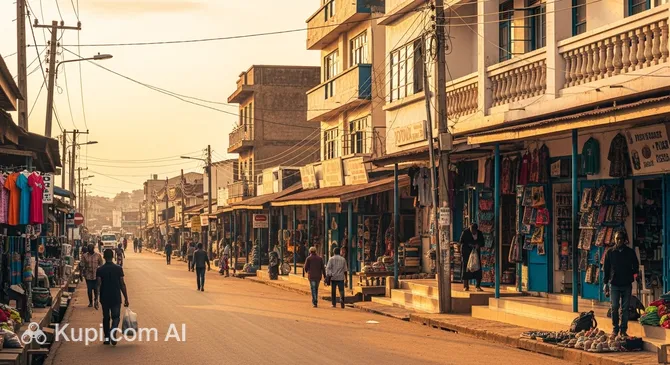
Arua. Illustration.
Source: Kupi.com AI

Arua's geographical location makes it strategically important: the city is 480 kilometers away from the capital, Kampala, which has allowed it to develop its own unique identity. Since its founding as a colonial center in 1914, the city has evolved from a modest administrative post into a thriving commercial center attracting entrepreneurs and travelers from all over East Africa.

While Arua is not your typical tourist resort, it charms with its authenticity. Notable features of the city include the famous Arua Hill, which offers panoramic views of the surroundings, and the colorful central markets that have become the heart of the local economy. The surrounding savannah, with its majestic baobabs and palms, adds a special African charm to the landscape.

Visiting this city is an excellent opportunity to see the "real" Uganda, far from the beaten tourist paths. Arua invites those who appreciate the sincerity of everyday life, want to get to know the culture of local tribes, and feel the pulse of African trade in one of the most significant cities in the northern part of the country.

Weather Overview

The climate in Arua is characterized as tropical, with a clear distinction between dry and wet seasons. Thanks to its highland location, the city offers more comfortable conditions than many other regions of the country. The air temperature remains steadily warm throughout the year: daytime highs usually fluctuate between 26–32°C, while nights bring a pleasant coolness with temperatures around 17–20°C.

For those planning a trip, it is important to consider the weather conditions in Arua by month. The hottest and driest period falls in January and February, when rains are virtually absent. The wet season begins in March and reaches its peak in August and September, when rainfall becomes frequent and heavy. During this time, the savannah around the city blooms with lush greenery, but unpaved roads can become difficult to navigate.

Expect warm summers with occasional refreshing rains in the middle of the year and sunny, dry winters at the beginning of the year. High humidity persists throughout most of the wet season, which should be considered when planning active walks. Overall, Arua is suitable for visiting year-round, but the period from December to February is considered the most favorable time for comfortable travel.

Average monthly temperature

Average monthly precipitation

Interesting Facts

Arua is a city with deep roots and surprising features that make it a unique place on the map of Uganda.

  • The city's name is shrouded in legends: according to one version, the word "Arua" in the Lugbara language means "prison." This is because, in colonial times, a detention center was located on the local hill.

  • The city has an official "birthday" — June 14, 1914. On this day, the British authorities officially established an administrative post for the West Nile Province here.

  • Arua is the "capital" of the Lugbara people. Before the arrival of Europeans, this society lived on a clan basis without a single centralized ruler, which is still reflected in their independent and hardworking character.

  • Despite its distance from the coast, the city is situated at a significant altitude above sea level (about 1,200 meters), which provides it with a milder climate compared to many other regions of East Africa.

  • Arua serves as an important spiritual outpost: the city is the center of the local Catholic Diocese, whose influence is felt far beyond the district.

How to Get There

The city of Arua is the main gateway to the northwestern part of Uganda. Despite its significant distance from the capital, the city's transport accessibility is actively developing, making it a convenient point for those planning a trip to the West Nile region. You can get here both by air and by land, choosing the most suitable option in terms of time and budget.

The fastest and most comfortable way to reach the city is to use small aviation services. Arua Airport (IATA: RUA) is located in close proximity to the city center. Regular flights connect it with Entebbe International Airport. The flight time is just over an hour, which significantly saves time compared to ground transport.

AirportPassenger trafficDistance
Juba International Airport650 000217 km

A bus journey from Kampala is an adventure of its own. The distance is about 500 kilometers, and travel time can vary from 10 to 12 hours. The road passes through picturesque areas of the country, including a crossing of the Nile. Buses from major companies depart daily and are considered a reliable way to travel. Routes from the city of Gulu are also popular, taking about 3–5 hours.

For those who prefer independence, it is possible to rent a car with a driver. It is worth considering that road conditions can change depending on the season, and driving in Uganda is on the left. Arua also serves as an important transit point for trips to the Democratic Republic of the Congo and South Sudan, thanks to a developed network of border crossings within a 20-kilometer radius of the city.

Main Attractions

The city of Arua is a place where the main attraction is life itself and the unique atmosphere of a frontier trading center. There are no pompous palaces here, but there are sites that preserve the history and culture of the Lugbara people. One such place is Arua Hill. The city owes its name to this elevation; an administrative center was once located here, and today it is an excellent point to overlook the city sprawling below and the endless savannahs surrounding it.

For those who want to feel the rhythm of Arua, the central markets are a must-visit. These are not just trading platforms, but true cultural crossroads where languages, spice aromas, and bright fabrics mix. Here you can see goods brought from Congo and South Sudan and observe the daily life of locals, which has changed little over the past decades.

The city's architectural heritage is represented by colonial buildings from the early 20th century preserved in the administrative quarter. They are a reminder of the times when the British were just laying the foundations of modern Arua. The city is also an important spiritual center: the local Catholic Diocese and the cathedral stand out for their monumentality against the rest of the urban landscape.

The natural beauty of Arua's surroundings also deserves attention. A walk beyond the city limits will reveal views of typical African vegetation: spreading acacias, ancient baobabs, and graceful palms. These are peaceful places where you can enjoy the silence and observe the local flora and fauna in their natural habitat.

Local Cuisine

The gastronomic landscape of Arua offers the honest and vibrant flavors of real Uganda. Local cuisine is based on fresh agricultural products grown in the region's fertile lands. The staple diet consists of ugali (thick cornmeal porridge) and matooke (steamed green bananas), served as side dishes to hearty meat and vegetable courses.

Traditional soups based on peanut paste, prepared with fish from local rivers or beef, are definitely worth a try. The Lugbara people are famous for their skills in preparing dishes from cassava and sweet potatoes. In small local restaurants, known here as "cafeterias," you will be offered simple but very nutritious food prepared according to home recipes.

Among beverages, local tea with milk and spices, as well as strong coffee, are particularly popular in Arua. For those who want to get closer to the traditions, tasting tonto — a traditional banana beer that plays an important role in the social and ritual gatherings of local communities — will be an interesting experience. Freshly squeezed juices from tropical fruits, sold right in the markets, are also easy to find in the city.

Food culture in Arua is closely linked to the markets: this is where life bustles, and you can find the freshest street food, such as roasted corn or the famous Ugandan "rolex" (an omelet rolled in a chapati). The city's restaurant scene is constantly evolving, offering guests classic African dishes in a comfortable setting, where local hospitality makes every meal special.

Travel Tips

A visit to Arua will be an unforgettable experience if you prepare in advance for the specifics of life in this important Ugandan trading hub. These practical tips will help you feel confident and enjoy every moment of your journey.

  1. Clothing and Essentials: Choose clothing made from natural, breathable fabrics. It is hot during the day, but evenings can be cool. Be sure to bring comfortable closed shoes, as many roads are unpaved and can be dusty. Don't forget a universal power adapter (British Type G) and a good sunscreen.
  2. Transport: For quick movement around the city, use boda-bodas (motorcycle taxis), but always wear a helmet if the driver has one. Agree on the price strictly before starting the journey.
  3. Finances: The main currency is the Ugandan shilling. Cards are rarely accepted, so cash is your primary tool. There are ATMs in the center (Stanbic, ABSA), but it's better to have a cash reserve. Tipping in local cafes is not mandatory but welcomed (about 5–10%).
  4. Health and Safety: Be sure to use repellents and sleep under a mosquito net — the region is at risk for malaria. Drink only bottled water. Vaccination against yellow fever is mandatory for entry into the country.
  5. Communication: The official language is English, and it is understood in hotels and shops. Locals speak the Lugbara language. Learn a simple greeting like "Mi-ati" (hello); it will earn you some goodwill. A SIM card (MTN or Airtel) can be purchased in the city center by presenting your passport.
  6. Local Etiquette: Residents of Arua are very polite. Always start a conversation with a greeting. When visiting religious sites or villages, dress modestly (shoulders and knees should be covered).
  7. What to Avoid: Do not photograph government buildings, military sites, or bridges — this can lead to problems with the police. It is also not advisable to walk alone in remote areas after dark.
  8. Extra Tip: Visit Arua on a market day. It's the best way to see the full color of regional trade and buy unique goods you won't find in Kampala.

Arua is a welcoming city that will reward the curious traveler with vibrant colors and authentic emotions. Welcome to the heart of the West Nile!

Entertainment & Nightlife

The entertainment scene in Arua is predominantly local and informal, reflecting the city's status as a major commercial hub. Nightlife here is concentrated in small bars and pubs in the city center, where live music of the Lugbara people is often played. These are great places to meet locals and feel the rhythm of a modern African city without unnecessary pretension.

The crowd in Arua's establishments is usually very friendly, consisting of local entrepreneurs, employees of international organizations, and transit travelers. There is no strict dress code, but a neat casual look is welcomed. Most activity in bars begins after sunset and can last until midnight, though it's worth noting that life quiets down quite early on weekdays.

Daytime entertainment in the city includes attending sporting events: football is extremely popular here, and local team matches at the city stadium always cause a stir. Attending church holidays and festivals can also be an interesting experience, as they are accompanied by traditional dances and chants demonstrating the region's rich cultural heritage.

Regarding safety in the evening, it is recommended to stick to central, well-lit streets and use taxis or boda-bodas to move between venues. It is better to avoid walking alone in remote areas after dark. Arua is a peaceful city, but as in any major trading center, basic vigilance doesn't hurt.

Parks & Museums

The city of Arua is a place where nature and daily life are closely intertwined, although there are no classic museums in the European sense. The role of cultural keepers in this region is fulfilled by the people themselves and historical sites under the open sky. The main natural recreation area for citizens and tourists is Arua Hill, which serves as a natural park. It is an ideal place for walks, offering views of the endless savannahs surrounding the city.

Museum activity in Arua is replaced by a living acquaintance with history through visiting colonial-era administrative quarters. The old buildings of the West Nile district are themselves exhibits telling the story of British rule and the city's formation. For those interested in ethnography, the best "museums" are the markets and community centers, where traditional crafts and the folklore of the Lugbara people are preserved.

Green zones within the city are represented by small gardens at administrative buildings and missions, where you can wait out the midday heat in the shade of palms and acacias. The city's surroundings are also rich in natural objects: the landscape here transitions smoothly into a typical African savannah with scattered trees and picturesque boulders. Although there are no official amusement parks here, the peace and quiet of nature outside the city limits give travelers a long-awaited rest.

The lack of large museum complexes is compensated for by the authenticity of the atmosphere. Arua is a city that needs to be "read" through its streets, hills, and interactions with locals. It is a living monument to the region's history, where every stone and every tree on the hills can tell its own unique story about the past and present of the West Nile.

Getting Around

The public transport system in Arua is simple and efficient, ideally suited for a small but busy trading city. The primary and most popular way to get around is by motorcycle taxis, known as boda-bodas. This is the fastest way to reach any point in the city, maneuvering between cars and navigating dusty road sections. For tourists, it's also a great way to experience local flavor, but the price of the trip should be agreed upon in advance.

For longer trips or moving between districts, locals use matatus — minibuses operating as shared taxis. They don't have a fixed schedule and depart as they fill up, which is common practice in Uganda. Riding in a matatu is inexpensive, but be prepared for the interior to be quite cramped.

Within the center of Arua itself, it is quite convenient to move around on foot: the main shopping rows, banks, and administrative buildings are located within walking distance of each other. However, keep in mind that during hot hours or sudden tropical downpours, walking may not be the most comfortable. There are no trams or subways in the city, and classic taxis (cars) are less common and usually ordered through a hotel.

Payment for travel is always made in cash directly to the driver. There are no single travel passes or transport cards in Arua. Travelers are recommended to always carry small denominations of Ugandan shillings. Despite the informal nature of transportation, Arua's transport system is surprisingly reliable and makes it easy to navigate the city even for those visiting for the first time.

Accommodation

Accommodation options in Arua are primarily geared toward business travelers, humanitarian mission workers, and transit traders. You won't find luxury five-star hotel chains here; however, the city offers a decent selection of mid-range hotels and cozy guesthouses providing basic comfort and safety.

The city center and the airport area are considered the most convenient neighborhoods to stay in. Hotels in this zone allow for quick access to markets, banks, and administrative buildings. Accommodation costs usually range from $20 to $50 per night, making Arua quite an affordable place for budget travelers.

When choosing accommodation, it's worth checking for amenities such as mosquito nets on windows and reliable power sources (many hotels have their own generators). During peak periods, such as regional conferences or major market days, the best options may be occupied, so it is recommended to book a room at least a few days before arrival.

For those planning a long-term stay, renting rooms in the private sector is an option. This allows for a deeper immersion into local life but requires some negotiation skills. Overall, Arua's hotel stock is constantly being updated, offering travelers increasingly higher-quality service in the heart of the West Nile region.

Nearby Cities

Thanks to its location at a strategic crossroads, Arua serves as an excellent starting point for exploring border territories and getting to know the culture of neighboring regions. The city's surroundings offer travelers the chance to see life in Northern Uganda and even peek into neighboring countries during short trips.

Just 21 kilometers away is the town of Aru, located in the Democratic Republic of the Congo. This destination is perfect for those who want to experience the atmosphere of Congolese trade and see the difference in the lifestyle of two neighboring states. A trip there will require a visa but will provide unforgettable impressions of crossing one of the region's busiest land borders.

For a quieter exploration of the Ugandan province, head to the town of Koboko, located 43 kilometers to the north. It is known for its picturesque hills and historical significance as the birthplace of some famous political figures of the past. Trips to Maracha or Zombo might also be of interest, where you can observe traditional agriculture and the lifestyle of local communities.

CityPopulationDistance
Aru26 29021 km
Maracha28 km
Koboko37 82543 km
Zombo15 00057 km
Yumbe47 60061 km

Exploring the surroundings of Arua allows for a better understanding of the diversity of this region, where borders often seem conditional, and trade and family ties unite people of different countries. Each such trip opens up new facets of East Africa, making your journey truly deep and rewarding.

Shopping & Souvenirs

Shopping in Arua is primarily an immersion into the bustling market life of Africa. The city is not famous for huge shopping centers with global brands, but it is a true paradise for those looking for authentic goods and unique handmade items. The main shopping venues are the central markets, where trade in everything from ripe tropical fruits to high-quality fabrics flourishes under the open sky or simple canopies.

The central part of the city, home to numerous stalls and small shops, is considered one of the main shopping arteries. Here you can find amazing goods from the neighboring Democratic Republic of the Congo: the famous bright kitenge fabrics, woven baskets, and traditional clothing. Arua's markets are also known as places to buy the freshest produce, coffee, and fragrant Ugandan tea, which make excellent gifts from your trip.

As souvenirs from Arua, it is worth bringing back traditional handicrafts of the Lugbara people. Look out for wooden carvings, beaded accessories, and attributes for folk dances. These items carry a piece of local culture and are created by artisans using ancient techniques. Leather goods and local ceramics are also popular, distinguished by their practicality and original design.

Typical store hours in Arua are from 8:00 AM to 6:00 PM, though markets begin to come alive from dawn. Payment is primarily made in cash in the local currency (Ugandan shillings). There are ATMs in the city center, but cards are rarely accepted, only in the largest establishments. Bargaining in the markets is not just appropriate; it is part of the local communication culture — an excellent way to save money and show respect to the seller.

Reached the end of the page?

That means the route is fully explored