Support

Myrhorod

About

Myrhorod is a cozy and picturesque corner, known far beyond its region as one of the most popular balneological resorts. Located in the heart of the Poltava region, the city attracts travelers with its calm atmosphere, healing air, and rich cultural traditions. It is a place where you can not only improve your health but also immerse yourself in a world of literary legends.
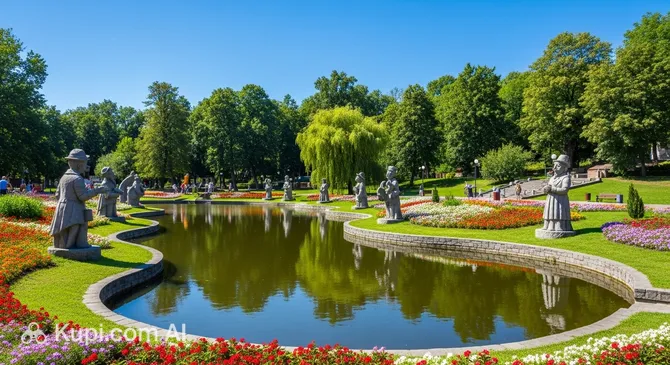
Myrhorod. Illustration.
Source: Kupi.com AI

Geographically, the city is spread along the banks of the quiet Khorol River. The climate here is mild and temperate, making a stay comfortable at any time of year, although Myrhorod is particularly beautiful in spring and summer when it is blanketed in greenery. The city's population is about 40,000 people, which allows it to maintain a measured pace of life, so precious for vacationers. It is a true gem of Ukraine, combining natural beauty with a well-developed sanatorium infrastructure.

The city's main wealth is its unique mineral water, which is close in its properties to the waters of famous Alpine resorts. It was the discovery of healing springs that cardinally influenced the history of Myrhorod, turning it from an ordinary provincial town into a health resort of European level. Today, the mineral water pump room is the center of attraction for all guests.

A walk through the city will inevitably lead you to the Resort Park—an ideal place for leisurely promenades. Here you will also find the famous "Myrhorod Puddle"—a pond immortalized in the works of Nikolai Gogol. A monument to the great writer and sculptures of characters from his books create a unique flavor, immersing tourists in the atmosphere of Gogol's stories.

Myrhorod is an excellent choice for those seeking harmony of mind and body. Come here to enjoy the silence, try authentic Poltava cuisine, and take home a boost of energy and warm memories.

Weather Overview

The climate in this region is temperate continental, providing comfortable conditions for recovery and rest throughout the year. The seasons here are brightly expressed: winters are usually mild, and summers are warm and sunny. To choose the best dates for your trip and plan your wardrobe, we recommend checking the current weather in Myrhorod before departure.

The summer season is the most popular time for tourists. In July and August, the average air temperature is about 21.7°C — 22.2°C, and during daytime hours, the thermometer often rises to 26.8°C — 27.8°C. August is the driest month, when the number of days with precipitation is minimal (about 5), which is ideal for long walks in the resort park.

Winter brings coolness, but severe frosts are rare. The coldest month is traditionally January with an average temperature of -2.9°C and nighttime drops to -5.5°C. During this period, as well as in December, the highest number of wet days is observed (up to 13 per month), so an umbrella or raincoat will be useful.

The off-season here is quite comfortable. Already in May, the air warms up to an average of 14.8°C, and September pleases with pleasant temperatures around 16.5°C. Expect warm, sometimes hot summers and cool winters with occasional precipitation.

Average monthly temperature

Average monthly precipitation

Interesting Facts

In addition to healing springs and picturesque landscapes, Myrhorod holds many curious stories that make a walk through the city a real adventure. Here are a few facts that will allow you to look at this resort from a new perspective:

  • The accidental discovery of "living water." The famous mineral water was found quite by accident in 1912 while drilling a well to provide the city with drinking water. The liquid turned out to be brackish and had an unpleasant smell, so it was deemed unsuitable for drinking and was intended to be used solely for the technical needs of the fire station and the bathhouse. Only after some time did local residents notice that after bathing in this water, joint pains disappeared and overall well-being improved.

  • The fate of the porcelain iconostasis. Previously, the Holy Assumption Church was decorated with a unique iconostasis made of ceramics—a very rare phenomenon for temple architecture. Unfortunately, it cannot be seen in its historical place today. However, preserved fragments of this masterpiece can be viewed in the museum of the Myrhorod Art and Industrial College (Ceramics Technical School). This educational institution is famous for its traditions and masters throughout all of Ukraine.

  • The second homeland of a Georgian poet. Myrhorod became home to the outstanding Georgian poet David Guramishvili, who lived here for over 30 years. A literary memorial museum dedicated to his life and work operates in the city, and his grave is a place of pilgrimage for connoisseurs of Georgian culture, linking the two peoples with strong historical ties.

  • The "Sleeping Pig" monument. Walking near the "Myrhorod Puddle," you can find one of the city's most unusual sculptures—a bronze sleeping pig. This monument refers to the work of Nikolai Gogol and symbolizes serenity and a well-fed life, recalling the colorful descriptions of everyday life made by the great writer.

How to Get There

When planning your trip, it is important to think about the route in advance. You can learn more about how to get to Myrhorod by studying various transport options. The city is conveniently located relative to the country's major transport hubs, allowing you to choose the most suitable way to arrive.

Myrhorod does not have its own airport, so travelers often use the air harbors of neighboring regional centers. One of the most convenient options is Boryspil International Airport (IATA: KBP), located in the city of Kyiv. It is approximately 198 km from the resort. A car or bus trip from there will take about 3-4 hours. It is the largest airport in the country, receiving many international flights.

An alternative option could be Kharkiv Airport (IATA: HRK) in the city of Kharkiv, which is 192 km away from Myrhorod. The travel time by land transport will be roughly the same as from the capital. You can also consider flying into Dnipro International Airport (IATA: DNK), located in the city of Dnipro at a distance of about 209 km.

For clarity, here is a summary of the main airports through which you can plan your trip:

AirportPassenger trafficDistance
Kharkiv Airport1.2 mln193 km
Boryspil International Airport9.4 mln198 km
Dnipro International Airport267 829209 km
Krivoy Rog21 329215 km
Belgorod Airport582 531226 km

Railway communication is also a popular way to reach the region. Considering the nearest stations from the available list, the Pryluky station in the city of Pryluky is worth mentioning. It is located about 112 km from Myrhorod. From there, the final destination can be reached by taxi or intercity bus, which will take some time.

Below is a table with information on the nearest railway stations:

StationPassenger trafficDistance
Pryluky railway station112 km
Korenovo Railway Station150 000185 km
Malaya Viska Station205 km
Lgov-Kiyevsky Station200 000220 km
Belgorod Railway Station2 mln225 km

Main Attractions

Myrhorod is a compact city, and most of its iconic sites are located within walking distance of each other, making strolls here especially pleasant. While many come for treatment, the resort's cultural program can surprise even seasoned travelers. Here are several places worth including in your itinerary.

Resort Park. This is not just a green zone but a real open-air museum and the heart of city life. The park, located in the city center, is an ideal place for relaxed rest. This is where the famous pond is located, which Nikolai Gogol immortalized with irony and love as the "Myrhorod Puddle." The pond's embankment is decorated with expressive sculptures of characters from Gogol's works: walking along the alleys, you can meet Ivan Ivanovich and Ivan Nikiforovich, Vakula the Blacksmith, Oksana, and other characters who seem to have stepped off the pages of his books.

David Guramishvili Literary Memorial Museum. This unique cultural space is dedicated to the life and work of the outstanding Georgian poet who lived in Myrhorod for over thirty years. The museum's exhibition immerses visitors in the atmosphere of the 18th century: household items, antique weapons, rare books, and the poet's personal belongings are carefully preserved here. The museum serves as a bright symbol of the historical friendship and cultural ties between Ukraine and Georgia.

Ceramics Museum. Myrhorod has long been famous for its master potters. The museum, located at the Art and Industrial College, boasts a rich collection of porcelain and faience products. It features works by local craftsmen and graduates of the famous ceramics school, many of which are true masterpieces of applied art. Special attention should be paid to the preserved fragments of a unique porcelain iconostasis, which are striking in their delicacy of painting and elegance of form.

Myrhorod Local History Museum. For those who want to dive deeper into the history of the region, this place will be a real discovery. Founded in 1920, the museum has gathered an extensive collection of exhibits telling the story of the region's past: from the Cossack era to the city's establishment as a famous resort. In the halls, you can see traditional clothing, ancient tools, archaeological finds, and documents revealing the rich biography of this picturesque corner of the Poltava region.

Local Cuisine

Myrhorod's gastronomic scene is a true mirror of the generous and colorful Poltava region, which Nikolai Gogol described so deliciously. Local cuisine is famous for its heartiness, variety, and use of natural farm products. Here, the cult of food is felt everywhere: from sanatorium dining rooms with dietary menus to cozy restaurants where tables groan under traditional treats.

The main culinary symbol of the region, which every guest must try, is Poltava galushky. Unlike ordinary dumplings, here it is a full-fledged and very satisfying dish. Local galushky are steamed, making them incredibly fluffy and soft. They are served with chicken, mushrooms, liver, or cracklings, generously topped with sour cream or garlic sauce. This dish is so popular that festivals are even held in its honor in the region.

No less popular are vareniki, which are prepared in Myrhorod using special recipes. The dough for them is mixed with kefir or whey, so they come out large and airy. Fillings can be very different: from salted cottage cheese and braised cabbage to sweet cherries and strawberries in the summer season. A perfect addition to lunch would be authentic Ukrainian borscht with pampushkas and garlic, as well as thinly sliced salo with a layer of meat, which is considered some of the best in the country here.

Speaking of drinks, it is impossible not to mention the city's main brand—Myrhorod mineral water. It has a brackish taste and a unique set of microelements. You can try it for free at the resort's central pump room. Locals drink it not only for treatment but also as table water; however, tourists should follow doctors' recommendations on dosage.

Among traditional non-alcoholic drinks, uzvar is widespread—a rich compote made from dried fruits (pears, apples, prunes), which is perfectly refreshing in the heat. For those looking for something stronger, local berry infusions or classic hrenovukha (horseradish vodka) are often served in national cuisine restaurants as an aperitif to meat dishes.

The food culture in Myrhorod has two sides. On one hand, it is a resort city where many establishments and sanatoriums offer balanced dietary meals ("Diet No. 5"). On the other hand, beyond the medical buildings, an atmosphere of a gastronomic celebration reigns. Tourists should definitely visit the Central Market. This is the place to buy the freshest homemade products: cottage cheese, honey, sausages, pickles, and seasonal fruits grown in the ecologically clean gardens of Ukraine. Street food here is represented by pies with various fillings, sold hot right from the stalls.

Travel Tips

Welcome to Myrhorod! To make your stay in this famous resort city as comfortable and carefree as possible, we have prepared a list of useful recommendations to help you plan your budget, pack your suitcase, and easily navigate the area.

  1. Clothing and Seasonality. Myrhorod is a city of walking tours, so comfortable shoes (sneakers or flat sandals) are essential here. In summer, the region can be quite hot, so bring clothes made of natural fabrics and a hat. If you are traveling in the off-season, keep in mind that the proximity to the Khorol River can create a feeling of dampness, so a windproof jacket will come in handy. Don't forget swimwear if you plan to visit treatments or the city beach.

  2. Transport Accessibility. The city is very compact, and the main locations (park, pump room, market) are within walking distance of each other. Public transport is represented by minibuses, but tourists rarely need them. Taxis are inexpensive here, but international apps may work inconsistently or with long waits—it's more reliable to save a couple of local taxi service numbers or ask to call a car at the hotel reception.

  3. Financial Matters. The main currency is the Ukrainian hryvnia. Bank cards are accepted without problems in supermarkets, pharmacies, and sanatoriums. However, for purchases at the famous Myrhorod market, in souvenir shops, or for small services, you will definitely need cash. ATMs are available in the city center and on the resort grounds, but it's better to have a small supply of small bills immediately upon arrival.

  4. Health and Water. The most important rule of Myrhorod: do not self-medicate with mineral water. It should be drunk strictly as prescribed by a doctor or in moderate amounts, as it has a strong biological effect. There are pharmacies in the city, including 24-hour ones, but it's better to bring specific medicines with you. In summer, due to the abundance of greenery and water, mosquito repellent will be useful.

  5. Communication and Internet. Wi-Fi is available in almost all cafes, hotels, and sanatorium buildings. For constant communication, you can purchase a SIM card from local operators at communication shops in the city center. The main language of communication is Ukrainian, but locals are very hospitable and will understand you if you speak Russian or use an online translator.

  6. Resort Etiquette. A measured atmosphere reigns in Myrhorod. It is not customary to make noise in late hours, especially near the sanatorium residential buildings. When visiting the mineral water pump room, it is considered good etiquette to use special drinking cups with spouts or your own mugs to avoid creating unnecessary plastic waste. Queues at the springs are common; treat this with patience.

  7. What to Avoid. Do not buy homemade wine or perishable products (milk, fish) at spontaneous roadside markets in hot weather—it's better to do this in the specialized pavilions of the Central Market, which has a veterinary and sanitary inspection laboratory. Also, avoid swimming in the Khorol River in unequipped places: the current can be deceptive and the bottom muddy.

  8. Gourmet Tip. Be sure to visit the local market early in the morning, preferably on a weekend. It's not just a place of trade, but a real cultural center. This is where you can find the most delicious homemade salo, the freshest fruits, and authentic ceramic souvenirs from local craftsmen at prices much lower than in tourist shops.

We hope these tips help you organize the perfect vacation. Myrhorod is a city that welcomes guests with soul, so relax, breathe deeply, and enjoy the hospitality of the Poltava region!

Entertainment & Nightlife

Entertainment and nightlife in Myrhorod have their own special "resort" flavor. You are unlikely to find loud night clubs with techno parties until dawn, typical of megacities. Evening leisure in the city is synchronized with the rhythm of health-oriented rest: it is measured, soul-stirring, and gastronomic. Most activity is concentrated in the city center and around the entrance to the famous Resort Park, where tourists and locals enjoy the cool air after a hot day.

The main epicenter of evening life is Gogol Street. This is where the most popular establishments are located, where you can not only have dinner but also dance. The format of most local evening spots is a restaurant-club or a lounge bar with live music. The crowd here is respectable, looking for pleasant conversation and relaxation. The dress code in most places is casual, but in the evenings, vacationers like to dress up, maintaining a festive atmosphere.

Among the specific establishments worth noting is the Gogol restaurant and hotel complex. It is one of the most colorful places in the city, decorated in an ethnic style. In the evenings, musicians often play here, creating a cozy atmosphere of Ukrainian hospitality. This is a great place to try national infusions and dance to well-known hits.

For those looking for a more modern format of relaxation, the Robin's entertainment complex is suitable. It is a popular location that combines a cinema, a cafe, and a sushi bar. Large groups come here to watch the latest movies, have a cocktail, and spend time in a stylish setting. The Amarant pizzeria is also popular, where you can sit comfortably on the summer terrace with a glass of wine in the evening.

The promenade occupies a special place in the evening program. At dusk, vacationers head to the central fountain at the entrance to the Resort Park. During the warm season, a light and music show operates here: water jets "dance" to classical and modern melodies, creating a mesmerizing sight. This is the most romantic spot in the city for night walks.

Regarding safety, Myrhorod is one of the quietest cities in the region. The central streets and the resort area are well-lit and patrolled, so walking here is comfortable even after dark. However, as elsewhere, it is worth following general safety rules and avoiding unlit outskirts. Taxis in the city operate 24/7 and are inexpensive; it is best to call a car through a dispatcher by phone or ask a restaurant administrator, as hailing a car "from the street" is not customary here.

Speaking of daytime entertainment to diversify your leisure time before heading out in the evening, you can rent a bicycle for a ride through the birch grove or take a boat at the boat station for a trip along the Khorol River. Lovers of cultural recreation will appreciate the small but informative museums, as well as the opportunity to visit the horse farm in the city's outskirts.

Parks & Museums

Myrhorod is famous not only for its healing water but also for its wonderful combination of shady alleys and rich historical heritage. The city is literally buried in greenery, offering travelers picturesque locations for leisurely walks and informative exhibitions that reveal the soul of this corner of Ukraine.

The city's main natural attraction is rightfully considered the Resort Park. This monument of landscape gardening art occupies a huge area in the city center and is a favorite vacation spot for both locals and sanatorium guests. The park is divided into several zones: from well-groomed flower beds and alleys to wilder, forested areas along the banks of the Khorol River. Tourists here enjoy feeding tame squirrels, enjoying the silence in the shade of ancient trees, and breathing air saturated with phytoncides.

Another green zone worth noting is the picturesque Birch Grove. It is located in the northern part of the resort area and is an ideal place for solitude. It is especially beautiful here in autumn, when the leaves take on a golden hue, and in spring, during the period of nature's awakening. A walk through the grove helps restore mental balance, and photographers will find excellent angles for landscape shots here.

The cultural life of the city is inextricably linked with its history and crafts. The Myrhorod Local History Museum is a must-visit. Its collections include many exhibits covering periods from ancient times to the present. Of particular interest are the collections of Cossack weapons, ancient clothing, and household items, which allow you to imagine how Myrhorod residents lived centuries ago. This place will be interesting to anyone who wants to better understand the traditions of the Poltava region.

A unique site is the Ceramics Museum at the Myrhorod Art and Industrial College. The city has long been known for its school of ceramics, and the museum contains the best graduation works of students and masters over many decades. The main gem of the collection is considered to be the majolica iconostasis, created in the early 20th century for the local cathedral. Visiting this museum is a chance to see real masterpieces of clay and porcelain, the likes of which are hard to find elsewhere.

Among the architectural monuments, the Holy Assumption Church stands out—the city's oldest religious building, built in the neoclassical style. Also worthy of attention is the architecture of the sanatorium complex itself, with its majestic colonnade at the central entrance, which has become the city's calling card.

Insider tip: if you want to see Myrhorod from an unusual perspective, rent a boat or catamaran at the Khorol River boat station. A smooth trip along the water will allow you to enjoy views of wild beaches and thickets that are hidden from the eyes of walking tourists.

Getting Around

Myrhorod's transport system perfectly reflects its status as a cozy and compact resort. You won't find a subway, trams, or trolleybuses here. The city is so small that many tourists prefer to move on foot, enjoying walks along the shady streets. However, if you need to get from the railway station to a sanatorium or travel to a remote district, a developed network of bus routes and minibuses (marshrutkas) is at your service.

The main form of public transport is the marshrutka—small buses running according to approved routes. The most popular route connects the railway station with the city center and the resort zone, which is very convenient for newly arrived travelers. Daytime intervals are 15–20 minutes, but keep in mind that in the evening hours (after 20:00), transport runs much less frequently, and night trips are practically non-existent.

The fare payment system here is as simple and conservative as possible. There are no validators, contactless cards, or mobile apps for payment in Myrhorod's public transport yet. Payment is made exclusively in cash to the driver upon entering the cabin. The fare is very affordable. We recommend always having small bills with you, as the driver may not always have change for large banknotes.

For tourists who value comfort and speed, a taxi serves as an excellent alternative to public transport. Several local services operate in the city. A feature of the local taxi market is that global aggregators may work inconsistently or with long wait times. The most reliable way to call a car is to phone a dispatcher (numbers can be found at the reception of any hotel or sanatorium). Trips around the city are inexpensive, and cars are usually provided within 5–10 minutes.

During the warm season, two-wheeled transport is gaining great popularity. The city's flat terrain makes it ideal for cycling. Bicycle rental points can be found in the city center, near the entrance to the Resort Park. By renting a bike, you will not only be able to quickly move between attractions but also explore the picturesque surroundings, for example, ride to the birch grove or remote beaches on the Khorol River.

Accommodation

The choice of accommodation in Myrhorod has its own specifics, dictated by the city's status as a nationwide health resort. Here, the tourist infrastructure is clearly divided into three main segments: large sanatorium-resort complexes, modern private hotels, and a developed apartment rental sector. Travelers can find an option for every taste: from a budget room with local residents to comfortable luxury rooms with full medical service.

Sanatoriums are perhaps the most popular type of accommodation in the city. Choosing this option, tourists usually purchase a comprehensive package that already includes accommodation, three dietary meals a day, and a course of medical procedures. The main advantage of sanatoriums is their location. Most buildings are located in the very heart of the resort zone, among the shady alleys of the park, in the immediate vicinity of the mineral water pump room.

For those who prefer independence from the medical schedule or are coming for a short stay, hotels and mini-hotels are an excellent alternative. In recent years, this segment has been actively developing: cozy boutique hotels with modern design and European-level service are appearing. Staying here allows you to independently plan your leisure time and meals, exploring local restaurants and cafes.

A significant share of the market is occupied by the private sector (apartments). Renting apartments by the day is very popular among families with children and budget-conscious tourists. This provides the opportunity to use your own kitchen and feel at home. Offers range from modest Soviet-style apartments to modern apartments in new buildings with panoramic windows.

Regarding neighborhoods, the most convenient and prestigious place to stay is the city center, especially the streets adjacent to the central entrance of the Resort Park (the famous Arch) and Gogol Street. By staying here, you will be within walking distance of the Khorol River, the central market, supermarkets, and main attractions. Remote areas will offer lower prices and silence but will require the use of taxis or minibuses.

Booking tip: keep in mind the pronounced seasonality. The high season in Myrhorod lasts from May to September, with the peak in July and August. At this time, the best rooms in sanatoriums and hotels can be booked months in advance. Therefore, it is recommended to plan a summer vacation early. In the off-season (late autumn, winter), the demand drops, and you can find excellent accommodation even a couple of days before arrival, often with discounts.

The price range in the city can be characterized as mid-range, with affordable options for budget tourists in the private sector. Booking is available both through major international online platforms (for hotels and apartments) and directly. To stay in a sanatorium, it is often more reliable to contact the booking department by phone or through the institution's official website to clarify the details of medical programs.

Nearby Cities

For those who want to explore the surrounding area, Myrhorod serves as an excellent starting point for day trips to several interesting nearby locations.

Just 80 kilometers away is the regional center—Poltava. It is a city with a rich historical heritage where you can visit the famous "Poltava Battle Field" museum-reserve, walk across the round Korpusna Square, and see the monument to the famous Poltava galushka. A trip here will allow you to dive deeper into the culture of the region and enjoy classical architecture.

Another interesting destination is Kremenchuk, located on the picturesque banks of the Dnipro River. The city attracts tourists with its parks and long embankment, ideal for leisurely walks by the water. You should also pay attention to Cherkasy—a city with wide Dnipro expanses and unique attractions such as the "Valley of Roses" park.

CityPopulationDistance
Lubny45 78644 km
Lokhvytsia11 48551 km
Reshetylivka9 24055 km
Zinkiv9 85661 km
Poltava317 84780 km

These nearby destinations provide an idea of the diverse culture and landscapes of the region.

Shopping & Souvenirs

Shopping in Myrhorod is calm and measured, perfectly matching the atmosphere of a cozy resort. You won't find huge shopping and entertainment centers with global fashion brands here; however, the city offers excellent opportunities for buying authentic souvenirs, quality food, and health products. Local trade is primarily oriented toward sanatorium guests, so the store range is selected with the needs of vacationers in mind.

The city's main commercial life is concentrated along the central artery—Gogol Street. Strolling here, tourists can visit many small shops selling clothes, cosmetics, and accessories. This is the main promenade area, where pharmacies, bookstores, and kiosks with resort goods are also located. If you need something from a standard range, chain supermarkets and small shopping centers like "Mir" Mall operate in the center, where you can buy everything necessary for a comfortable life.

A true gem for lovers of colorful shopping is the Central Market. This place is a must-visit, even if you don't plan on large-scale shopping. The market is famous for its rich selection of fresh farm products: this is where you should buy the famous salo, homemade sausages, fragrant honey, and seasonal fruits grown under the generous sun of Ukraine. The atmosphere here is lively and friendly, and prices are often lower than in stores, especially if you know how to haggle.

As souvenirs from Myrhorod, people bring not magnets, but things with soul and history. The city is known for its pottery traditions, so the best gift would be ceramics: painted plates, pitchers, whistles, or figurines of Gogol characters created by local masters and students of the art and industrial college. Also popular are vyshyvankas (embroidered shirts), wooden products, herbal tea blends, and, of course, healing mineral water in factory packaging.

Shops in the city are usually open from 9:00 to 18:00 or 19:00; supermarkets work longer—until 22:00 or 23:00. In retail chains and most stores in the center, bank cards are accepted without problems. However, for a trip to the market or buying souvenirs from street vendors, it is highly recommended to have cash in hryvnias. The Tax Free system (tax refund) is generally not practiced in the city's small shops, so tourists should not count on this service.

Reached the end of the page?

That means the route is fully explored