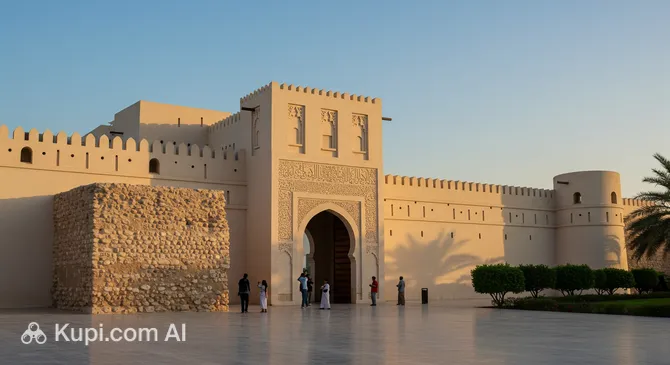
Qasr Al Hosn, also known as the "White Fort," is an iconic historic building in the heart of Abu Dhabi, the capital of the United Arab Emirates. It is the oldest surviving cultural heritage site in the city, which today carefully preserves history and functions as a national museum and cultural center. Nestled among ultra-modern skyscrapers, Qasr Al Hosn and its crenelated walls create a stunning contrast, reminding visitors of the emirate's rich past and appearing as a fairytale oasis in the midst of bustling city life.
Traveler photos:
The Qasr Al Hosn complex consists of two main parts: the inner fort, the oldest element of the structure, and the later outer palace, which was added as the fort's importance grew. Originally, this structure was built for defensive purposes—to protect the vital freshwater well, the only source of drinking water on the island at the time, and to guard coastal settlements from potential attacks from the sea.
The history of Qasr Al Hosn began with the construction of a watchtower near this well around 1761. Over time, the tower was fortified and expanded, becoming an impregnable fort. For many years, the fortress served not only as a military fortification but also as the residence of the ruling family and the political and administrative center of the emirate, witnessing key moments in its development. A visit to Qasr Al Hosn is a unique opportunity to connect with the origins of Abu Dhabi and understand how it transformed from a small settlement into a thriving metropolis.