Support

Pulteney Bridge

About

Pulteney Bridge is one of the most amazing and photogenic landmarks in Great Britain, located in the charming city of Bath. It is not just a crossing over the River Avon, but a true architectural marvel. The bridge's uniqueness lies in the fact that it is lined with shops and stalls on both sides—making it one of only four such "inhabited" bridges remaining in the world.
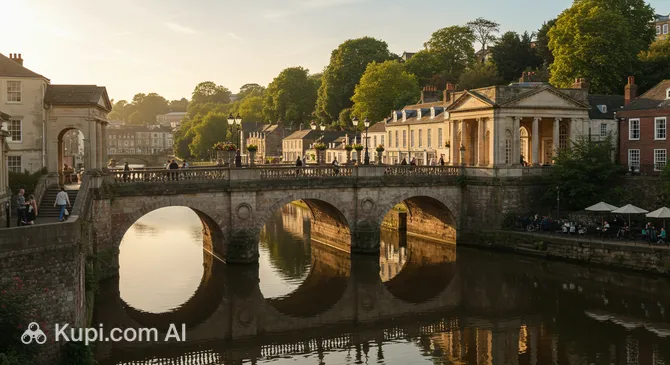
Pulteney Bridge. Illustration.
Source: Kupi.com AI

Traveller photos:

Built in the 18th century based on a design by architect Robert Adam, the bridge is crafted in an elegant Palladian style. Inspiration was drawn from famous Italian bridges—the Ponte Vecchio in Florence and the Rialto in Venice. As a result, walking across the bridge feels like traveling through an ancient market street literally floating above the water, making the experience truly unforgettable.

The bridge is a signature landmark of Bath and attracts tourists from all over the world. An interesting detail is that its facades are asymmetrical. The southern side has a more grand and majestic appearance, while the northern side looks simpler and more functional. This feature gives it even more charm and makes it a must-visit spot when exploring English architecture.

What to Do

A walk across Pulteney Bridge is a unique experience in its own right. Unlike most bridges, it is built up with buildings on both sides, creating the atmosphere of a busy shopping street. Here, you'll find numerous small shops, antique stores, and cozy cafes. Visitors can wander at their own pace, looking into windows displaying unique handmade items, books, and souvenirs, before relaxing with a cup of coffee and local pastries in one of the atmospheric venues right on the bridge.

The bridge offers some of the most picturesque views in the area. From the pedestrian walkway, you can admire the panorama of the River Avon and the famous tiered weir at its base. The old architecture along the riverbanks provides a stunning backdrop, making this spot incredibly popular with photographers and anyone wanting to capture the beauty of the historic center. It is the perfect spot to stop, take a breath, and enjoy the moment.

Pulteney Bridge often serves as a starting point for further exploration of the city. Thanks to its central location, it is easy to begin a walking tour through the historic quarters from here. Other key attractions are in the immediate vicinity, making it easy to include a visit to the bridge in your walking itinerary. It is more than just a river crossing; it is a full-fledged cultural and tourist site that leaves lasting memories.

Getting There

Pulteney Bridge is located in the very heart of Bath, making it easily accessible for tourists visiting the city. The most convenient way to reach Bath from London is by train—the journey from Paddington Station takes about an hour and a half. Additionally, the city is well-connected to other regions of Great Britain via intercity buses that arrive at the central bus station.

Upon arrival at the Bath Spa railway station or the central bus station, Pulteney Bridge is just a 10-15 minute walk away. The route passes through the city's picturesque historic streets, so the walk itself is a delight. Navigating central Bath is quite simple, and signs for major attractions will help you find your way.

For those traveling by car, there are several paid parking lots in the city center. However, it is important to remember that Pulteney Bridge itself is strictly pedestrian, and vehicle traffic is prohibited. This allows visitors to peacefully enjoy the views of the River Avon and browse the shop windows located right on the bridge.

Nearest city: Bristol

History & Facts

Pulteney Bridge is more than just a crossing over the River Avon; it is a true architectural gem and one of the symbols of Bath. Its history began in 1769 when the influential landowner William Pulteney decided to connect the historic center with the new district of Bathwick. The project was commissioned to the prominent Scottish architect Robert Adam, who created an elegant structure from the famous local stone. Construction was completed in 1773, and the bridge was named after Frances Pulteney, the patron's wife, who owned the lands on the opposite bank.

The uniqueness of Pulteney Bridge lies in its design. Robert Adam drew inspiration from famous Italian bridges, such as the Ponte Vecchio in Florence and the Rialto Bridge in Venice, which are lined with shops. As a result, Pulteney Bridge became one of the few in the world where shops occupy both sides along its entire length, creating the feel of a bustling covered street. This makes a stroll across it particularly atmospheric.

Initially, the bridge was open to traffic, but due to its relatively narrow width and immense historical value, it is now entirely pedestrian. Throughout its long history, the structure has suffered from floods and undergone several restorations; notably, its northern side was significantly rebuilt in the late 18th century. Despite this, the bridge has retained its majesty and remains an outstanding monument of Palladian style in Great Britain.

Time Needed

A visit to Pulteney Bridge and its immediate surroundings usually takes 30 to 60 minutes. This is plenty of time to take a leisurely stroll across the bridge in Bath, admire its unique architecture, browse the shop windows, and take some photos of the famous horseshoe weir on the River Avon. The walk across and back only takes a few minutes, but its charm certainly deserves closer attention.

If you plan on getting to know the place more thoroughly, it is worth setting aside a bit more time. The bridge is home to many small boutiques, antique shops, and souvenir stores, which can take extra time to explore. If you wish to shop or relax in one of the cozy cafes with a river view, plan to spend about 1.5 hours here. This will allow you to fully enjoy the atmosphere of one of the most beautiful bridges in Great Britain.

Nearby

Visiting Pulteney Bridge is a wonderful opportunity to experience not only the architectural masterpiece itself but also its rich historical surroundings. Exploring the nearby streets and landmarks will enrich your experience and provide a more complete picture of the cultural heritage of this region of Great Britain. Many iconic sites are within walking distance, turning a simple stroll into a fascinating journey through time.

To help you plan your onward route, we have compiled a list of interesting sites located near Pulteney Bridge. This will allow you to make the most of your time and ensure you don't miss anything important.

NameDistance
The Roman Baths0.2 km
Sally Lunn’s Historic Eating House & Museum0.3 km
The Holburne Museum0.6 km
Royal Crescent0.8 km
Avon Valley Adventure Park8.8 km
Dyrham Park10.8 km
Wake The Tiger16 km

Reached the bottom of the page?

Looks like you know this route inside out