Support

Burnley

About

Burnley is a cozy and colorful town located in the northwest of Great Britain, in the county of Lancashire. It is situated about 40 kilometers north of Manchester, nestled in a picturesque valley between the green hills of the Pennines, along the banks of the River Calder. This location makes Burnley an excellent spot for hikers and nature lovers, as famous national parks are easily accessible from here.

With a population of around 82,000 people, Burnley retains the atmosphere of a true English provincial town. You won't find the hustle and bustle of a metropolis here, but rather charming streets, historic buildings, and friendly locals. Despite its size, the town plays an important role in the region as an industrial and cultural center, and its history is closely linked to the Industrial Revolution and the development of the textile industry.
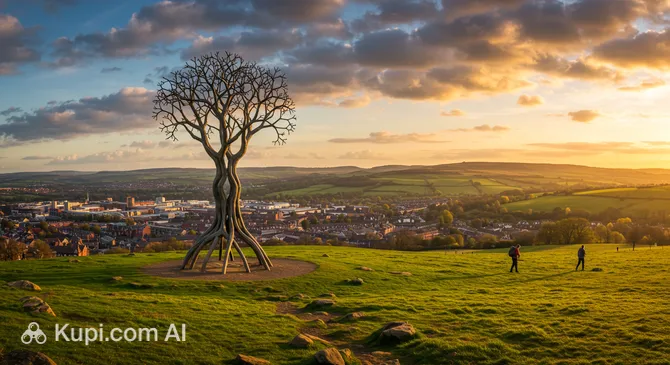
Burnley. Illustration.
Source: Kupi.com AI

Burnley attracts travelers with its unique sights and features. Among them, the futuristic sound sculpture "The Singing Tree" (Singing Ringing Tree) stands out, producing melodic sounds under the influence of the wind and offering panoramic views of the surroundings. Also worth noting is the majestic Towneley Hall, which houses an art gallery and museum, surrounded by a beautiful park. The town is also known for its hospitality and passion for football, embodied by the local club, Burnley FC.

If you are looking for an off-the-beaten-path, authentic atmosphere and want to get a taste of the real English countryside, Burnley will be a pleasant discovery for you. This town offers a unique combination of history, nature, and modern art, leaving warm memories for every guest.

You can find more interesting facts on the history of the city of Burnley

Weather Overview

The weather in Burnley is characterized by moderate temperatures and frequent precipitation throughout the year. Summers here are quite cool: the average temperature in the warmest months, July and August, is about 14.8°C and 14.6°C respectively, with maximum values usually not exceeding 17-18°C. Winters in Burnley are cold; for example, the average January temperature stays around 3.4°C.

Although the monthly rainfall in millimeters may seem small (averaging from 2 to 5 mm), there are quite a few rainy days in Burnley — from 13 days in April to 20 days in October. Expect a cool summer with occasional rain and cold, damp winters. For a more detailed study of weather conditions and trip planning, you can read the information about the climate of Burnley.

Average monthly temperature

Average monthly precipitation

Interesting Facts

In addition to its picturesque landscapes and rich history, Burnley holds many surprising facts that are little known to the general public. This town in the county of Lancashire can surprise even seasoned travelers with its unique features.

  • One of the most unusual and memorable attractions in Burnley is the "Singing Ringing Tree" (The Singing Ringing Tree). This unique sculpture, located on a hill, is made of many steel pipes of different lengths. When the wind blows, the "tree" produces enchanting, almost mystical sounds reminiscent of choral singing. It is not just an art object, but a real musical instrument played by the wind, and a popular spot for panoramic views.

  • Burnley is the home of one of England's oldest football clubs — Burnley FC. Founded in 1882, the club was one of the twelve founders of the Football League in 1888. For locals, the team is more than just a sport; it is a point of true pride and part of the city's cultural identity, with matches at the Turf Moor stadium gathering thousands of dedicated fans.

  • During the Industrial Revolution, Burnley was one of the world's leading centers for cotton cloth production. At its peak, the town produced more cotton cloth than any other place in the world. A vital role in this was played by the Leeds and Liverpool Canal, built in 1796, which remains a testament to past industrial greatness; its embankments, where work once hummed, have now turned into popular spots for walking and relaxation.

How to Get There

Getting to Burnley is possible in several ways, including air and rail travel through nearby major cities, as well as by car.

While Burnley itself does not have its own airport, the town is conveniently located relative to several international airports. The closest of these is Leeds Bradford Airport (LBA), which is located in Leeds, approximately 39.1 km from Burnley. This medium-sized international airport serves many destinations, and a trip from here to Burnley city center by taxi or bus takes about 1 hour and 20 minutes. Another large and popular option is Manchester Airport (MAN), located in Manchester at a distance of about 48.5 km. Being one of the largest airports in the UK, it offers an extensive network of international and domestic flights. The road to Burnley will take approximately 1 hour and 35 minutes. It is also worth considering Liverpool John Lennon Airport (LPL), situated in Liverpool, about 64.9 km from Burnley. This is also a medium-sized international airport, and the journey to the city from there will be about 2 hours.

For clarity, here is summary information on the main airports serving Burnley:

AirportPassenger trafficDistance
Leeds Bradford International Airport4.2 mln39 km
Manchester Airport30.1 mln49 km
Liverpool John Lennon Airport5.1 mln65 km
Durham Tees Valley Airport228 12696 km
East Midlands Airport4 mln123 km

Rail travel is also a convenient way to reach Burnley, although major stations are located in neighboring cities. One of the nearest and most significant stations is Bradford Railway Station (BRF), located in the city of Leeds, approximately 32.1 km from Burnley. This is a quite busy station from which Burnley can be reached by local transport or taxi in about an hour. Another important transport hub is Manchester Piccadilly Station (QQM) in Manchester, at a distance of about 32.2 km. This is one of the largest railway stations in the North of England with excellent connections. The trip to Burnley from here will also take just over an hour.

Here is information on some railway stations that can be used for a trip to Burnley:

StationPassenger trafficDistance
Bradford railway station2.3 mln32 km
Manchester Piccadilly Station25.8 mln32 km
Lime Street Station12.3 mln65 km
Oxenholme Lake District Station542 27065 km
Chester Central Station4.5 mln78 km

Additionally, Burnley can be reached by car, as the town has good road connections to major UK motorways such as the M65. There are also bus routes linking Burnley with other cities in the country. It is recommended to check schedules and available options in advance depending on your point of departure.

Main Attractions

Burnley, a town with an interesting industrial heritage and picturesque surroundings, offers tourists several notable places to visit. Here, everyone will find something to their liking, from historic mansions to unique museums.

One of the city's main gems is Towneley Hall. This majestic historic mansion, surrounded by the extensive park of the same name, functions today as an art gallery and museum. Visitors are drawn to its rich interiors, diverse collections of art and artifacts, as well as the opportunity to enjoy walks through the well-maintained park grounds, where various events are often held.

History and architecture enthusiasts should take note of Gawthorpe Hall — a magnificent Elizabethan mansion sometimes referred to as the "Downton of the North" for its impressive appearance and historical significance. In addition to its beautifully preserved interiors, Gawthorpe Hall is known for its unique textile collection, which reflects the rich craft heritage of the Lancashire region.

To dive deeper into Burnley's industrial past, be sure to visit the Queen Street Mill Textile Museum. This is a unique museum located in a former 19th-century steam-powered weaving mill, which has been preserved in its original form. Here, you can see the original equipment in action, learn about the fabric production process, and imagine the working conditions of that era's laborers, making the visit both educational and impressive.

For a relaxing break in the fresh air and family strolls, Thompson Park is ideal. This charming Victorian park offers visitors beautiful flower beds, well-kept lawns, a picturesque lake with a boathouse, and even a miniature railway that particularly delights young visitors. Thompson Park is a wonderful place for a picnic or just a leisurely walk away from the city's hustle and bustle.

Local Cuisine

The culinary world of Burnley is a fascinating journey where English classics harmoniously blend with vibrant regional Lancashire accents. Simple, hearty, and soulful food made from fresh local ingredients is valued here. Prepare to discover traditional recipes passed down through generations alongside modern culinary trends.

Be sure to try the famous Lancashire hotpot — a hearty casserole of lamb or beef, potatoes, and onions, slow-cooked in earthenware pots until incredibly tender. This soul-warming dish is especially good in cool weather. Traditional meat pies, such as those filled with steak and kidney, are equally popular and offer a real taste of old England. And of course, one cannot overlook the classic fish and chips, which are prepared excellently here.

Burnley has a very active farmers' market culture where you can find the freshest local products: from artisanal cheeses and homemade pies to smoked meats and fragrant jams made from old recipes. Those with a sweet tooth should look for Eccles cakes — flaky pastries with currants and spices that perfectly complement a cup of tea.

Among drinks, it is certainly worth trying the local ale, which pairs perfectly with the hearty dishes of Lancashire cuisine. Of course, no introduction to English gastronomy is complete without traditional English tea, served here with homemade pastries. Locals and tourists alike enjoy spending time in traditional pubs, cozy cafes, and bakeries with artisanal bread. Street food is also developing in the city, offering quick and tasty snacks like roast beef sandwiches or hot buns with various fillings. During the warmer months, don't miss the food festivals, where you can fully enjoy the culinary diversity of the region.

Travel Tips

Planning a trip to Burnley? We have prepared some practical tips to help make your stay in this interesting Lancashire town as comfortable and pleasant as possible.

  1. Clothing and gear for the weather: The weather in the UK, and Burnley in particular, is quite changeable and can be rainy at any time of year. We recommend bringing layers of clothing to easily adapt to temperature changes. Be sure to pack a waterproof jacket or umbrella, as well as comfortable shoes for walking. Don't forget an adapter for British sockets (Type G). When visiting churches, such as St Peter's Church, neat casual clothing is usually sufficient.
  2. Transport in the city: The main form of public transport in Burnley is the bus, which connects various parts of the city and its surroundings. You can also use taxi services; check for local apps to call them. Renting a car can be convenient if you plan to explore the picturesque Lancashire region, but it is not always necessary for getting around the city itself.
  3. Financial matters: The official currency is the British Pound (GBP). Credit and debit cards (especially Visa and Mastercard) are widely accepted in most shops, restaurants, and hotels; contactless payments are very popular. ATMs are easily accessible throughout the city. You can exchange currency at banks or some post offices. An estimated daily budget, not including accommodation, can start from £50-70 for a budget traveler, but it is better to set aside a bit more for comfort and visiting paid attractions. Tipping in restaurants is usually 10-15% of the bill if a service charge is not already included. In pubs, tipping is not mandatory, but you can round up the bill when paying for drinks at the bar.
  4. Health and safety: There are pharmacies in Burnley (e.g., Boots or LloydsPharmacy) where you can buy over-the-counter medicines. Most pharmacies operate during standard hours, but some large supermarkets may have pharmacy departments with longer hours. To find an on-duty pharmacy after hours or to get urgent pharmaceutical advice, you can use the NHS 111 service (by phone or online), which will also direct you to the nearest open facility. In case of a medical emergency, call 999. For non-urgent medical advice, also use the NHS 111 service. Burnley is considered a relatively safe city; however, as everywhere, standard precautions should be taken: keep an eye on your belongings, especially in crowded places, and avoid poorly lit areas at night. Travel insurance is highly recommended.
  5. Language and connectivity: The official language is English. You will have no trouble communicating with the locals. A few basic phrases are always useful: "Hello", "Thank you", "Excuse me", "Please", "How much is this?", "Where is...?". For convenience, you can purchase a local SIM card (available in mobile phone shops and large supermarkets) or use roaming. Free Wi-Fi is often available in cafes, pubs, hotels, and some public areas. Useful apps, besides maps and taxis, include the Met Office app for weather forecasts, local bus company apps for schedules, or the National Rail app for planning train trips around the region. Sometimes local councils also have their own information apps.
  6. Local etiquette and communication: Brits value politeness. Words like "please", "thank you", and "excuse me" will help in any situation. An important part of the culture is queueing — never try to jump the line. When communicating with locals, be friendly but not overly intrusive.
  7. What to avoid: Try not to speak too loudly in public places, especially on transport or in quiet cafes. Be careful when discussing football if you are not sure of your companion's preferences — Burnley FC fans are very passionate, and this topic can be sensitive. Also, avoid comparisons with other cities or regions that might be perceived negatively.
  8. Local highlight: Be sure to visit Burnley Market — an indoor market with a rich history where you can find fresh local produce, clothing, and unique souvenirs. This is a great place to feel the authentic atmosphere of the city. Also, if time and weather permit, consider a walk through the picturesque surroundings, for example, to Towneley Hall and its park.

We hope these tips help you better prepare for your visit to Burnley and get the most out of your trip. We wish you unforgettable experiences!

Entertainment & Nightlife

Burnley, while not a metropolis, offers its guests various options for evening and night leisure. The nightlife here is mainly concentrated in the city center, offering an atmosphere ranging from traditional English pubs to more modern bars and clubs.

Most activity after sunset centers around streets such as St James's Street and Hargreaves Street, as well as their surrounding areas. Here you will find establishments for every taste. For instance, to immerse yourself in the atmosphere of a classic British pub with a wide selection of ale, you can stop by The Boot Inn. For those looking for a livelier setting and modern music, places like The Circulation pub, known for its energetic atmosphere, or the stylish Macs Bar, offering a variety of cocktails, are suitable. Overall, the atmosphere in most Burnley establishments is quite informal and friendly. Nightclubs usually start coming to life closer to midnight and stay open until early morning, especially on Fridays and Saturdays. The dress code varies from casual in pubs to smart casual in some clubs. While these examples provide a glimpse into the local scene, it is always helpful to check for up-to-date information and specific opening hours upon arrival.

When planning an evening out, keep in mind that most pubs are open until 11:00 PM or midnight, bars may stay open longer, especially on weekends, and clubs until 2-3 AM. Prices in Burnley's establishments are generally moderate, making evening leisure affordable. Getting to and from the city center at night is most convenient by taxi; it is recommended to use official services or call a car through an app. The central areas of the city are considered safe enough for night walks, but standard precautions should always be observed.

During the day, Burnley also offers options for cultural and active leisure. You can visit the Burnley Mechanics theater, known for its diverse productions and concerts, or explore the rich collections at the Towneley Hall Art Gallery & Museum. For those who enjoy outdoor walks and a break from the city's rush, there are several picturesque parks in and around the city, such as the expansive Towneley Park.

Parks & Museums

Burnley, a city with a rich industrial history, offers its guests not only a look into the past but also wonderful opportunities for outdoor recreation and cultural enrichment. Well-kept parks and interesting museums blend harmoniously here, each telling the story of this corner of Great Britain in its own way.

One of the city's main green oases is Towneley Park. This is an extensive space where the historic Towneley Hall mansion is located. The park is ideal for walks, picnics, and active recreation. There are woodlands, open lawns, formal gardens, and even a golf course. Tourists are attracted by the possibility of combining outdoor relaxation with a visit to the museum located right in the mansion.

Another popular spot is Thompson Park. This classic Victorian park is famous for its lake, where you can go boating, its picturesque flower beds, and a children's playground. In summer, a miniature railway often operates here, which particularly appeals to little visitors. It is a wonderful place for family recreation and quiet walks, where you can enjoy the beauty of the well-maintained landscape.

The city's main cultural center is undoubtedly the Towneley Hall Art Gallery & Museum. Located in an ancient mansion with centuries of history, the museum offers diverse collections including fine art, decorative arts, Egyptian artifacts, and exhibitions dedicated to natural history and local history. This place will be of interest to those who want to immerse themselves in the region's past and enjoy art in a majestic setting.

For those interested in Burnley's industrial heritage, a visit to the Queen Street Mill Textile Museum is a must. This is a unique museum representing the world's last 19th-century steam-powered weaving mill preserved in working condition. Visitors can see the original equipment in action, feel the atmosphere of the past, and learn about the importance of the textile industry for the city's development and the lives of the workers. This makes the visit especially educational and impressive.

In addition to the large parks, take note of the lesser-known but charming gardens around St Peter's Church — a quiet place for a short break in the historic city center. And for a deeper immersion into the local atmosphere, take a walk along the Leeds and Liverpool Canal, which picturesquely passes through Burnley, offering peaceful views and reminders of the industrial past when the canal was an important transport artery.

Getting Around

Navigating Burnley is quite simple thanks to its public transport system, which, while not as extensive as in major metropolises, effectively serves the city and its surroundings. Buses form the backbone of the transport network, and rail services also play an important role.

Buses are the main type of public transport in Burnley. An extensive network of routes connects the city center with residential areas and nearby settlements. Buses run regularly, although the frequency may decrease in the evenings and on weekends. The main operator is The Burnley Bus Company (part of Transdev). Tickets can be purchased directly from the driver when boarding, usually with cash or a contactless bank card. Day, week, and month passes are also available and can be cost-effective for frequent travel. Information on routes and schedules can be found at stops, on operator websites, or in their mobile apps.

Rail connections also play a significant role, especially for trips to other cities and regions. There are several railway stations in Burnley, including Burnley Manchester Road and Burnley Central, which serve different directions. Trains offer a comfortable way to reach neighboring cities such as Manchester, Preston, and Blackburn. Train tickets can be bought at station ticket offices, at machines, or online in advance, which is often cheaper.

Payment system and practical tips: For buses, the most convenient way to pay is with a contactless bank card or mobile payment right on the bus. If you plan to travel a lot, consider buying a pass (day, week, or longer-term passes) from the operator. Check current fares and ticket types on the carriers' official websites. Always check the schedule in advance, especially if you plan to travel early in the morning or late at the evening. Ticket validation usually happens upon boarding the bus (showing the driver or tapping the card on the reader).

Alternative ways to get around: Taxi services are also available in Burnley. They can be called by phone, through mobile apps, or found at special ranks. For short distances, especially in the city center, walking is an excellent option. The city is quite compact. Bike rental opportunities may be limited compared to larger cities, but for cycling enthusiasts, there are picturesque routes in the surrounding area.

There are no unique types of transport, such as a historic metro or cable cars, in Burnley. The transport system is focused on practicality and convenience for residents and guests of the city.

Accommodation

In Burnley, tourists will find various accommodation options for every taste and budget. Choices range from affordable guesthouses and hostels, ideal for budget travelers, to comfortable mid-range hotels. Apartments and short-term rental houses are also available, which can be convenient for families or those who prefer more independence during their stay.

When choosing accommodation in Burnley, pay attention to areas located near the city center or major transport hubs. This location will provide easy access to the main attractions, shops, and restaurants. Some travelers prefer to stay in quieter residential neighborhoods to better feel the local atmosphere, while still being able to quickly reach the livelier parts of town.

The town features various types of hotels, from budget options to more comfortable mid-range establishments. Many of them offer a standard set of amenities necessary for a pleasant stay. Guesthouses (B&Bs) are also popular, where you can expect a more homelike atmosphere and a personalized approach to every guest.

The price range for accommodation in Burnley is quite broad, offering options from budget to mid-price categories. To guarantee the best selection and most favorable prices, especially during the peak tourist season or during major events, it is recommended to book your accommodation in advance. The most convenient booking methods are well-known international online platforms, as well as the possibility of direct booking on the official websites of hotels or guesthouses.

Nearby Cities

For those wishing to explore the surrounding area, Burnley serves as an excellent starting point for day trips to several interesting nearby locations:

CityPopulationDistance
Nelson29 1355 km
Padiham10 0985 km
Colne17 8558 km
Bacup13 3239 km
Accrington35 45610 km

These nearby destinations provide a glimpse into the diverse culture and landscapes of the Lancashire region. Each of these towns has its own unique atmosphere and attractions, whether they be historic centers, industrial heritage, or scenic parks, making them a wonderful addition to your trip to Burnley.

Shopping & Souvenirs

Burnley offers visitors a variety of shopping opportunities, combining well-known chain stores with unique independent boutiques. Although the city is not famous for any exclusive goods, you can find everything you need and pleasant trifles to remember your trip by.

The main magnet for shopping lovers in Burnley is St James's Street, where most of the shops are concentrated. Here you will find both popular clothing and footwear brands and small local shops. This street flows smoothly into a pedestrian zone, making the shopping walk particularly pleasant.

The city's key shopping complex is Charter Walk Shopping Centre. It is located in the very heart of Burnley and brings together many stores under its roof, from large department stores to specialized retail outlets, as well as cafes and eateries where you can take a break while shopping.

It is definitely worth visiting Burnley Market Hall — a traditional indoor market that is an important part of the city's commercial life. Here you can find fresh local produce, farm delicacies, clothing, household goods, and handicrafts. The market offers an authentic atmosphere and the chance to chat with local vendors.

As souvenirs from Burnley, you can bring back traditional British goods such as tea, sweets, or items with UK symbols. Also, pay attention to the products of local artisans if you come across them at the market or in small shops. Football fans can look for merchandise from the local club, Burnley FC.

Most shops in Burnley operate on a standard schedule for the UK: Monday to Saturday from approximately 9:00-10:00 AM to 5:00-6:00 PM. Some large stores and shopping centers may have extended hours, especially before holidays. On Sundays, many shops are also open but usually operate on a reduced schedule (for example, from 10:00/11:00 AM to 4:00/5:00 PM). Bank cards (Visa, Mastercard) are accepted everywhere, and cash can also be used.

It is important to note that after the UK left the European Union, the VAT refund system (Tax Free) for tourists on most goods purchased in England, Scotland, and Wales was abolished as of January 1, 2021. Therefore, the possibility of a tax refund on purchases in Burnley for foreign tourists is currently generally absent, with the exception of special cases that should be clarified directly in shops offering international delivery.

Reached the end of the page?

That means the route is fully explored