Support

St Fagans National Museum of History

About

The St Fagans National Museum of History is not just a museum, but a true journey through time, spread across more than 100 acres of picturesque parkland. Located in the village of St Fagans, near Cardiff, the capital of Wales, this unique site is part of the National Museum Wales and is one of the most popular tourist destinations in the United Kingdom.
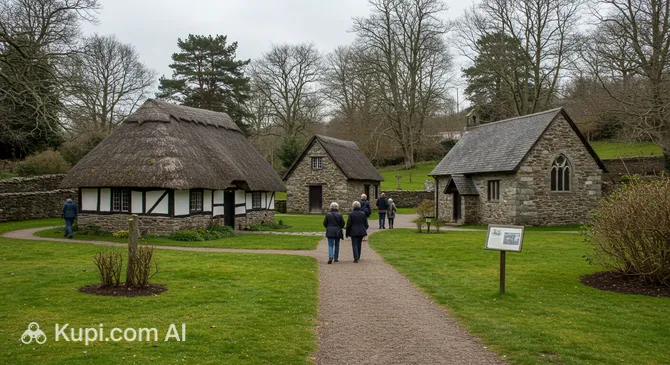
St Fagans National Museum of History. Illustration.
Source: Kupi.com AI

Traveler photos:

The main highlight of the museum is its collection of over forty original buildings from all over Wales, which have been meticulously moved and reconstructed on-site. Here you will find everything from ancient Celtic dwellings and medieval farms to Victorian schools, churches, and traditional workshops. Each building tells its own story, allowing visitors to trace the evolution of the Welsh way of life, culture, and architecture through the centuries.

The St Fagans National Museum of History is rightfully considered one of the leading open-air ethnographic museums in Europe. It is a place where history comes alive through demonstrations of traditional crafts, working farms with heritage livestock, and interiors that recreate the everyday life of bygone eras. A walk through its grounds is a fascinating immersion into the rich heritage of Wales that will leave a lasting impression on every visitor.

Contacts

To plan your visit to the St Fagans National Museum of History and find the latest information on opening hours, exhibitions, and events, it is recommended to visit the official website or contact them directly. Below are the contact details:

The museum is located in the village of St Fagans, near Cardiff. It can be reached by public transport or car; there is usually parking available on the museum grounds.

How to contactContact
AddressCardiff CF5 6XB, UK
Phone number+44 300 111 2333
Websitemuseum.wales

What to Do

At the St Fagans National Museum of History, visitors have the unique opportunity to literally step into the Welsh past. The primary activity here is exploring the numerous historical buildings, carefully transported from all corners of the country. You can freely enter each house, explore all the rooms, including the attics, and feel the atmosphere of past centuries. In many buildings, you will be met by a friendly "host" or "hostess" ready to share the history of the site and answer your questions.

While strolling through the museum grounds, you will see what the historical districts of Welsh towns and villages once looked like. You will encounter Victorian schools, working blacksmith shops, craft workshops, traditional farms, and even unusual structures like a cockfighting pit. A particularly noteworthy exhibit is the Celtic village, which consists of several buildings that replicate life and the local atmosphere in Wales during the pre-Christian era with amazing accuracy.

In addition to complete buildings, the museum displays many authentic historical household items. You can examine old agricultural tools, various household utensils, early gas-powered rural lamps, water pumps, and even one of the first "outdoor" public toilets. In the active blacksmith shop and pottery workshop, you can not only watch masters at work but also purchase or commission unique handmade items created right before your eyes, serving as a wonderful souvenir of your visit to this incredible place.

Getting There

The St Fagans National Museum of History is located in the village of the same name, St Fagans, a few kilometers west of Cardiff city center. Reaching this unique open-air museum is quite simple, and there are several options to choose from.

The most popular and accessible way is public transport. Buses run regularly from the center of Cardiff toward St Fagans. You will need to find a bus route that stops directly at the museum or within walking distance. The bus journey usually takes about 30–40 minutes, depending on traffic conditions and the specific route. It is recommended to check route numbers and schedules on the Cardiff transport provider's website in advance.

Another option is to use a taxi. This is a faster and more comfortable way, especially if you are traveling with luggage or a small group. A taxi ride from central Cardiff to the museum takes approximately 15–20 minutes. While it is more expensive than the bus, it offers door-to-door convenience.

If you are traveling by private car, reaching the museum is also straightforward. Follow the signs for St Fagans. There is usually a spacious parking lot for visitors on the museum grounds; however, during peak seasons or special events, there may be a parking fee, and it can fill up quickly, so it is worth arriving early.

Nearest city: Cardiff

History & Facts

The history of the St Fagans National Museum of History is inextricably linked with the founding of the National Museum of Wales in 1907. Initially, the National Museum of Wales took over the collections of the Cardiff Museum, which had previously been housed in the Cardiff Central Library building. Construction of the main National Museum building in Cathays Park began in 1912, though due to the historical events of the era, it did not open to the public until 1927. St Fagans, as a vital part of this major museum complex, embodied the idea of preserving the living history of Wales.

The St Fagans National Museum of History was established with the noble goal of preserving and showcasing the rich cultural heritage of the Welsh people. Its primary mission is to demonstrate the historical way of life, unique culture, and traditional architecture of Wales across various periods. The museum prides itself not only on its impressive collection of art and everyday items but also on its unique collection of Welsh literature, making it a key center for the preservation and promotion of Welsh identity.

Interestingly, architects Arnold Dunbar Smith and Cecil Brewer designed the main National Museum building in Cardiff, though its modern appearance has evolved since it was built. Meanwhile, the St Fagans National Museum of History continues to develop actively, regularly adding to its unique collection with historical buildings and artifacts carefully transported from all corners of Wales. This commitment to authenticity and the scale of the exhibition has allowed it to become one of the leading open-air museums in Europe and a significant cultural landmark in the United Kingdom.

Time Needed

When planning a visit to the St Fagans National Museum of History, it is worth setting aside enough time to fully enjoy its unique atmosphere and extensive exhibits. Given that the museum spans a significant area and includes over forty historical buildings, it is recommended to allow at least half a day for your tour. This will allow you to stroll leisurely through its streets, peek into various houses and workshops, and immerse yourself in Welsh history.

Of course, the duration of your visit will depend on your pace and the depth of your interest in individual exhibits. If you only want a general overview, 3–4 hours might suffice. However, to truly appreciate all the details, interact with the "residents" of the historic houses (when available), watch craftsmen at work, and explore the different eras represented in the museum, it is better to plan for a longer stay.

Many visitors find that they can easily spend an entire day at the St Fagans National Museum of History, especially if the weather is ideal for long walks in the fresh air. There are also cafes and rest areas on the grounds, allowing you to take a break and continue your exploration. Therefore, to avoid rushing and to get the most out of the experience, it is best to dedicate a significant part of your day to the museum.

Working Hours

The St Fagans National Museum of History is generally open to visitors year-round; however, its operating hours may vary depending on the season. Typically, the museum has longer hours during the summer months, while hours may be reduced during the winter period. Entry to the museum is often free, although some special exhibitions or events may require a separate ticket or advance booking.

To obtain the most accurate and up-to-date information regarding opening hours, booking requirements, and any seasonal schedule changes, it is strongly recommended to visit the official website of National Museum Wales (of which St Fagans is a part) or contact the museum administration directly before your planned visit. This will help you avoid surprises and plan your trip effectively.

10:00 – 17:00

Nearby

A visit to the St Fagans National Museum of History is undoubtedly a bright and memorable event. However, to make your trip to Cardiff even more fulfilling, it is worth exploring other interesting places nearby. Discovering the surroundings will allow you to dive deeper into the atmosphere of Wales and the United Kingdom, uncovering new facets of this amazing region.

Near the St Fagans Museum, you will find both historical monuments and modern entertainment facilities that cater to a wide range of interests. A stroll through picturesque parks, discovering architectural masterpieces, or enjoying active recreation—all of these can be a wonderful addition to your cultural itinerary.

NameDistance
St Fagans Castle0.3 km
Cardiff Ski and Snowboard Centre2.3 km
Chapter Arts Centre4.8 km
Cottrell Resort4.8 km
Tramshed6 km
Cardiff Castle6.3 km
Pasture Cardiff6.4 km

Have you reached the end of the page?

So the route has been studied inside and out