Support

National Trust - Tattershall Castle

About

Tattershall Castle is a monumental landmark of medieval architecture located in the picturesque countryside of Lincolnshire, near the town of Coningsby. This majestic 15th-century bright-red brick structure is considered one of the most important surviving examples of its type in all of Great Britain. Surrounded by a double moat, the castle represents a rare example of an early "gentleman's residence" disguised as an impregnable defensive fortress.
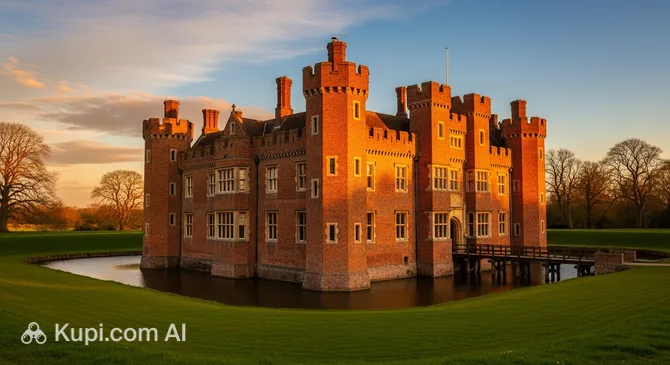
Tattershall Castle
Tattershall Castle. Иллюстрация. Источник: Kupi.com AI

The site's main pride is its Great Tower, which stands approximately 30 meters high. Inside lie luxurious halls with massive medieval fireplaces that are masterpieces of art in their own right. The castle is under the care of the National Trust, which has preserved its authentic interiors and unique brickwork in excellent condition for future generations.

Today, the site attracts history enthusiasts and lovers of English Gothic architecture. Here, you can not only touch the stones that have seen lords and kings but also enjoy the tranquility of the manicured landscapes that frame the rugged walls of this brick citadel.

Contacts

For current information on events or group visits, you can contact the site administration directly. The castle is managed by the National Trust, which guarantees a high level of service and visitor care.

How to contactContact
AddressSleaford Rd, Tattershall, Lincoln LN4 4LR, Великобритания
Phone+44 1526 342543
Websitewww.nationaltrust.org.uk

What to Do

The main adventure at the castle is climbing to the top of the Great Tower. Navigating the steps of narrow spiral staircases, you can peek into the vast halls that once served as Lord Cromwell's state rooms. Pay special attention to the famous 15th-century fireplaces: their intricate stone carvings are considered masterpieces of medieval craftsmanship. From the battlements on the roof, breathtaking panoramic views of the endless Lincolnshire fens unfold—on a clear day, you can even see the spires of Lincoln Cathedral.

After exploring the tower, be sure to take a stroll through the outer grounds. Here, you can walk along the double moat that reflects the castle's red walls and enjoy a family picnic on the designated lawns. Scavenger hunts are often organized on the grounds for children, allowing them to learn about the history of knights and life in that era through play. In summer, the castle frequently hosts historical reenactments, open-air theater performances, and craft fairs.

For those who want to discover more hidden details, guided tours with National Trust volunteers are available. They tell fascinating stories about how the castle was nearly dismantled brick by brick and show traces of the restoration carried out by Lord Curzon. Nature lovers will also appreciate the walking trails around the castle, where you can observe local birds and enjoy the peace of the English countryside.

Getting There

Reaching this historical gem is easy if you are traveling through Lincolnshire. The castle is located at Sleaford Rd, Tattershall, right next to Coningsby. For those traveling by car, it is most convenient to take the A153 from Lincoln (the journey takes about 20–30 minutes); there is convenient parking on-site for guests.

If you prefer public transport, you can use bus routes connecting Lincoln or Sleaford with the village of Tattershall. From the bus stop to the main gates of the castle, you will need to walk about 1–2 kilometers while enjoying the rural scenery. The nearest train station is about 10–15 km away, so it is recommended to take a taxi from there to save time.

Ближайший город: Coningsby

History & Facts

The history of this site began as far back as 1231, when Robert de Tattershall received royal permission to build the first stone fortress. However, the majestic appearance we see today was acquired between 1430 and 1450. Ralph, 3rd Lord Cromwell, who served as the Treasurer of England, transformed the old fortification into a luxurious red-brick residence. More than a million bricks were used in its construction, making the castle one of the earliest and most outstanding examples of brick architecture in the country.

After Cromwell's death, the building's fate was a difficult one: the castle was confiscated by the Crown, changed hands multiple times, and by the 18th century, it had fallen into disrepair, turning into a simple farmhouse. At the beginning of the 20th century, this unique monument was nearly lost forever. In 1910, an American syndicate purchased it with the aim of dismantling it and transporting it to the USA. The famous medieval fireplaces had already been removed and prepared for shipment to the port.

The fortress's savior was Lord George Curzon. In 1911, he bought the castle, tracked down the already-sold fireplaces, and returned them to their rightful places, carrying out a large-scale restoration. It is thanks to his efforts and the subsequent donation of the property to the National Trust in 1925 that the castle has survived to this day. This rescue story even contributed to the passage of an important law for the protection of ancient monuments in Great Britain.

Time Needed

To leisurely explore all six floors of the Great Tower, examine the interior details, and stroll through the grounds, most tourists require 2 to 3 hours. Climbing the narrow spiral staircases and taking in the panoramic views from the roof take up a significant portion of that time.

If you plan to have a picnic on the picturesque lawns by the moat or join one of the themed tours led by National Trust volunteers, it is worth setting aside half a day (about 4 hours). This will allow you to fully immerse yourself in the medieval atmosphere without constantly checking your watch.

Working Hours

Tattershall Castle's opening hours are seasonal. Usually, from April to October, the complex is open to visitors daily from 10:00 to 18:00. In the winter months, the schedule is reduced—the castle may only be open on weekends or until 16:00.

Before your trip, we strongly recommend checking the official National Trust website, as opening hours may change depending on weather conditions or private events. Please note that there is an admission fee, but entry is free for Trust members.

Nearby

A visit to the castle can be complemented by exploring other interesting places in the immediate vicinity. The village of Tattershall and neighboring Coningsby offer tourists the cozy atmosphere of the classic English countryside with its historic pubs and ancient buildings.

NameDistance
Something Fishy0.4 km
Battle of Britain Memorial Flight Visitor Centre1 km
Ginger Cow Cafe & Bistro1.4 km
Tattershall Farm Park1.9 km
The Blue Bell Inn2.1 km
The Leagate Inn3.2 km

Reached the end of the page?

That means the route is fully explored