Support

Kew Gardens

About

Kew Gardens, or the Royal Botanic Gardens, Kew, is more than just a park—it's a living museum and one of the most significant treasures of the United Kingdom. Located in the southwestern part of London, this complex of gardens and glasshouses covers a vast territory of 132 hectares. Since 2003, Kew Gardens has rightfully held the status of a UNESCO World Heritage site, recognized for its exceptional contribution to the study and conservation of the plant world.
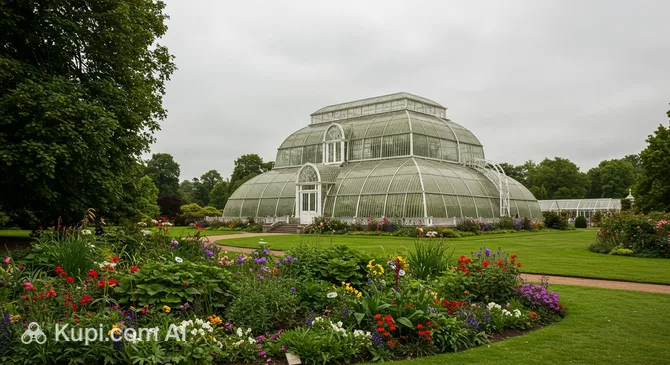
Kew Gardens. Illustration.
Source: Kupi.com AI

Traveller photos:

These gardens represent one of the world's most important centers for botanical research and education. They house one of the richest and most diverse collections of living plants on the planet, numbering more than 40,000 species. Additionally, the Kew Herbarium preserves over 7 million dried specimens, and the library contains a vast number of volumes and unique botanical drawings. This makes the gardens a vital repository of global biodiversity.

For visitors, Kew Gardens is an amazing place for walks and discoveries. Besides the endless green landscapes, you can see famous architectural structures here. These include the elegant Palm House, the world's largest Victorian glasshouse—the Temperate House—and the impressive Great Pagoda, built back in the 18th century. The Treetop Walkway deserves special mention, as it allows you to walk among the tree canopies at a height of 18 meters and enjoy breathtaking views.

Contacts

To get the most up-to-date information regarding opening hours, ticket prices, or special events, it is recommended to contact the Kew Gardens administration directly. For your convenience, the main contact details are listed below.

How to contactContact
AddressRichmond, UK
Phone+44 20 8332 5655
Websitewww.kew.org

What to Do

A wealth of experiences awaits visitors at Kew Gardens. You can spend hours strolling through countless avenues and themed gardens, each with its own unique character. Be sure to visit the famous glasshouses, which house amazing collections of tropical, desert, and subtropical plants. The historic Palm House is particularly popular—it's a magnificent example of Victorian architecture with a recreated rainforest climate inside. Don't miss the chance to climb the observation decks to admire the breathtaking panorama of the gardens from above, or visit the iconic Great Pagoda, built in the Oriental style as far back as 1762.

For those interested in science and nature, a visit to Kew Gardens in Fulham will be a true discovery. Informative tours, educational programs, and temporary exhibitions are held here regularly. You can join a workshop, visit the Queen's Garden with its unique collection of medicinal plants, or simply relax on one of the well-kept lawns with a small picnic. Furthermore, the gardens often host seasonal festivals, concerts, and other cultural events, making every visit unique and interesting for guests of all ages.

Getting There

Getting to Kew Gardens is very convenient thanks to the well-developed transport network of South West London, where they are located. The easiest and most popular way is by the London Underground. The nearest station is appropriately named Kew Gardens; it is served by the District Line and the London Overground network. It's just a few minutes' leisurely walk from the station to the main entrance of the gardens. You can also take a train to Kew Bridge station or use one of the bus routes that stop near the gardens. In good weather, a river boat trip along the Thames makes for an especially memorable journey.

For those who prefer to travel by car, there is a parking lot near the gardens; however, please note that it is a paid facility and spaces are limited. Due to the high popularity of Kew Gardens, especially on weekends and public holidays, using public transport is recommended. This will help you avoid difficulties finding a parking spot and make the start of your visit more relaxed and enjoyable.

Nearest city: Fulham

History & Facts

The history of Kew Gardens dates back to the 18th century, when two neighboring royal estates—Richmond and Kew—were merged. The official founding date is considered to be 1759, when Princess Augusta, mother of King George III, established the first botanical garden on these lands. It was her initiative that began the transformation of an ordinary park area into a unique collection of plants that would later become world-famous.

In the following decades, the gardens expanded actively and gained increasing scientific importance. A key role in this process was played by the famous botanist Sir Joseph Banks, who accompanied Captain Cook on his voyages. Thanks to his efforts, rare and exotic plants from all continents were brought to Kew, turning the gardens into a living archive of the world's flora and a major center for botanical research.

Throughout the 19th and 20th centuries, the development of Kew Gardens continued: new glasshouses were built, such as the famous Palm House, and scientific laboratories and herbaria were expanded, now housing millions of specimens. In 1840, the gardens were handed over to the state and became a national treasure. Today, Kew Gardens is not just a magnificent monument of landscape art and a popular place for walks, but also a leading international scientific center dedicated to studying and preserving the plant diversity of our planet.

Time Needed

When planning a visit to Kew Gardens, be prepared for a long and activity-filled walk. To fully explore the main attractions of this vast botanical garden without rushing, it is recommended to set aside at least 4–5 hours. This time will be enough to visit the famous glasshouses, such as the Palm House and the Princess of Wales Conservatory, stroll through the themed gardens, and climb the Treetop Walkway. If you are limited on time, you can spend about 3 hours on your visit by focusing on a few key highlights.

For true aficionados of botany, landscape design, and leisurely walks in nature, Kew Gardens can be a full-day exploration destination. During this time, you will be able to see not only the main pavilions but also peek into more secluded corners of the park, visit art galleries featuring botanical art, Kew Palace, and simply enjoy the atmosphere of one of the most beautiful places in the United Kingdom by having a picnic on one of the lawns.

Working Hours

Kew Gardens are open to visitors year-round, except for December 24 and 25, although opening hours change significantly depending on the season. As a rule, the gardens open at 10:00 AM. Closing times vary: in the winter months, the gardens may close as early as 4:15 PM, while in the summer, they usually stay open until 6:00 PM. It is important to note that the last entry to the grounds is allowed one hour before the official closing time.

Given the seasonal changes in the schedule, it is highly recommended to check the current opening hours on the official Kew Gardens website before your visit. This will help avoid misunderstandings and allow you to plan your day in the best possible way. We also suggest purchasing tickets online in advance: this will not only save time by avoiding ticket office queues but may also prove to be more cost-effective.

10:00 – 19:00

Nearby

A visit to Kew Gardens is an unforgettable adventure in itself, but exploring its surroundings can make your trip even more fulfilling and interesting. The area around the famous gardens is rich in historical and cultural sites that perfectly complement the experience of visiting one of the world's leading botanical centers. A short walk or a brief ride will reveal new facets of this amazing corner of the United Kingdom.

From majestic mansions with picturesque parks to world-renowned contemporary art galleries, there is something for everyone near Kew Gardens. Exploring these places will not only diversify your leisure time but also allow you to dive deeper into the rich history and culture of the region. Below is a list of interesting attractions located nearby.

NameDistance
Chiswick House and Gardens2.6 km
Jacuzzi7.6 km
Saatchi Gallery9.6 km
Victoria Place10.5 km
St Christopher's Place10.8 km
Queen Victoria Memorial11 km
Ain't Nothin But The Blues Bar11.4 km

Reached the bottom of the page?

Looks like you know this route inside out