Support

East Park

About

Covering an area of about 20 hectares, East Park is a picturesque green space that gave the city of Wolverhampton a second wind in the late 19th century. Located in Great Britain, this site is an outstanding example of transforming industrial wasteland into a classic Victorian park for urban recreation.
East Park
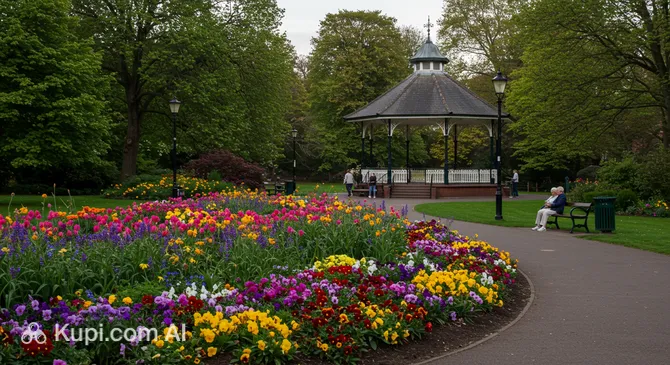
East Park. Иллюстрация. Источник: Kupi.com AI

The park was developed on the site of the former Chillington colliery, making it a significant monument to industrial land reclamation. Today, visitors can see not only well-manicured lawns and mature trees but also historic features such as the famous Lysaght's Clock Tower. This place harmoniously combines a sense of history with modern infrastructure for active leisure.

For tourists, East Park is appealing for its tranquil atmosphere and the chance to see authentic Victorian-era architectural details. The wide avenues, where residents of the industrial city once strolled, still retain their charm, attracting nature and history lovers alike.

Contacts

For details about site operations or hosting events in the park, you can use the official contact information. The park is managed by the city council, which ensures its maintenance and development.

How to contactContact
AddressHickman Ave, Wolverhampton WV1 2DS, UK
Websitewww.wolverhampton.gov.uk

What to Do

There is something for everyone here: from peaceful nature contemplation to active sports training. One of the main highlights is a walk along the magnificent main avenue, lined with century-old trees and considered one of the most beautiful in the city. Be sure to visit the Lysaght's Clock Tower — a key landmark and a wonderful backdrop for photos.

For those who enjoy an active lifestyle, the park offers excellent facilities: tennis courts, football pitches, and a modern cycle track. Visitors can also use outdoor fitness equipment or enjoy a round of golf. Families with children will appreciate the updated play area featuring a splash park, which has become a real hit since its 2023 renovation.

During the warmer months, the park turns into a venue for cultural events, including music festivals such as the famous Wolvestock. If you prefer quiet, you can set up a picnic among the blooming flowerbeds or practice yoga on the grass, enjoying the peaceful atmosphere away from the city noise.

Getting There

Getting to East Park from the city center is quite simple, as it is located just 2–3 kilometers away. If you prefer public transport, take a bus heading towards Hickman Avenue or the Monmore Green stadium. The bus ride from the city center takes about 10–15 minutes, making the park accessible even for a short visit.

For those traveling by car, the most convenient routes are via the A4123 or the city's Ring Road. There is a parking area within the park, located on the site of the former lake, allowing you to leave your car in close proximity to the entrances. You can also easily use a taxi or cycle there, following the city's bike paths.

The main entrance to the park is easily recognizable by the grand gates leading to the main avenue. If you are in the Monmore Green stadium area, a walk to the park will take just a few minutes, allowing you to enjoy the surroundings of Wolverhampton.

Ближайший город: Wolverhampton

History & Facts

The history of the park's creation deserves special attention, as it was one of the first successful industrial land reclamation projects in Great Britain. In the late 19th century, this area was the abandoned Chillington colliery, scarred by mine shafts and waste heaps. Thanks to the initiative of local industrialists and the generous gifts from the Duke of Sutherland, Sir Alfred Hickman, and Arthur Sparrow, a public recreation space for workers opened here in 1896.

The park project was developed with the participation of the famous landscape architect Thomas Mawson. Despite a limited budget, he managed to create a harmonious space with 11 acres of sports fields and picturesque flowerbeds. A special place in history is held by Lysaght's Clock Tower, erected in 1895 as a tribute to industrialist John Lysaght by his loyal employees.

Interestingly, there was originally a large boating lake in the center of the park. However, due to the proximity of old mine shafts, the water constantly leaked through drainage systems, and the lake had to be filled in during the 1920s. Today, modern play and sports areas are located on that site. After World War II, the park saw a new stage of development with the construction of surrounding residential areas, making it even more popular among residents.

Time Needed

To leisurely walk through the grounds and see the main historical monuments, an average visitor will need 1 to 2 hours. This is plenty of time for a stroll down the central avenue and to see the famous Clock Tower.

If you are planning a family outing with children or want to spend time on the sports grounds, it is worth setting aside about 3 hours. During the summer, when the splash park is open, your stay may be longer, especially if you decide to have a small picnic on one of the specially prepared lawns.

Working Hours

The park is open to visitors daily, making it a convenient spot for morning runs or evening walks. Admission to the grounds is free for everyone.

Opening hours: From Monday to Sunday, the park opens at 7:30 AM and closes at 8:00 PM. As a municipal facility, it operates without days off, providing residents and tourists with access to nature throughout the year.

7:30 – 20:00

Nearby

Exploring the surroundings of East Park can significantly enrich your trip, allowing you to better understand the industrial heritage and natural spots of the region. There are several interesting sites nearby related to the history of canals and the architecture of the last century.

NameDistance
The Great Western1.5 km
Bella Italia1.9 km
Tim Hortons1.9 km
Phoenix Park1.9 km
Bentley Bridge Leisure Park2 km
Wolverhampton Art Gallery2.1 km
Desi Yew Tree2.2 km

Reached the end of the page?

That means the route is fully explored