Support

Acadia National Park

About

Acadia National Park is one of the oldest and most picturesque national parks in the USA, located in Maine, primarily on Mount Desert Island. Although the town of Bar Harbor is not technically part of the park, it serves as the main tourist hub and starting point for exploring this amazing natural area.
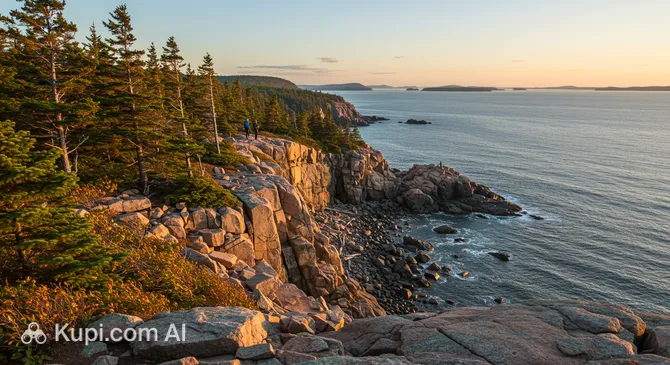
Acadia National Park. Illustration.
Source: Kupi.com AI

Traveller photos:

The uniqueness of Acadia Park lies in its history: it is the first national park in the country created from private lands donated to the public through the efforts of dedicated citizens striving to preserve their natural heritage. It was named after the former French colony of Acadia, which once encompassed these lands.

The park is famous for its diverse landscapes, where granite peaks give way to rocky coastlines and dense forests hide crystal-clear lakes. This makes it an ideal place for hiking, wildlife viewing, and simply enjoying breathtaking views. Travelers from all over the world come here to experience the pristine beauty of the Atlantic coast.

Contacts

To plan your visit, confirm visitor center hours, or get the latest information on trail and road conditions, it is recommended to contact the park administration or visit the official website. All essential contact information is gathered below for your convenience.

How to contactContact
AddressMaine, USA
Phone+1 207-288-3338
Websitewww.nps.gov

What to Do

Acadia National Park is a true paradise for outdoor enthusiasts, offering over 240 kilometers (150 miles) of hiking trails for every taste. You'll find everything from easy walking paths, such as the scenic trail around Jordan Pond, to more challenging climbs for experienced hikers. A highlight for many is watching the sunrise from the summit of Cadillac Mountain—the highest point on the USA Atlantic coast, where from early October to early March, you can be the first in the country to see the rays of the rising sun.

One of the park's hallmarks is its unique network of Carriage Roads, stretching about 72 kilometers (45 miles). These historic gravel roads, built in the first half of the 20th century with funds from John D. Rockefeller Jr. and adorned with 17 elegant granite bridges, are completely closed to motor vehicles. Today, they serve as the perfect place for leisurely bike rides and walks, allowing visitors to enjoy the peace and beauty of the park's forest landscapes.

Beyond hiking and biking, Acadia offers other unforgettable experiences. Be sure to visit the Bass Harbor Head Lighthouse, which still houses a keeper's family. You should also take a walk to Bar Island, reachable via a sandbar at low tide, but be sure to keep an eye on the time so you can make it back. To see the rocky coast from the water, you can go on a sea kayak tour—a great opportunity to see hidden coves and, if you're lucky, spot some seals.

Getting There

The primary gateway to Acadia National Park is the resort town of Bar Harbor, located on Mount Desert Island. This is where most travelers begin their journey through the park's natural wonders. The town serves as a convenient base thanks to its well-developed infrastructure, with numerous hotels, restaurants, and shops where you can prepare for your hike.

The most convenient way to get around the park is by car, as its landmarks—including Jordan Pond, Bass Harbor Head Lighthouse, and the rocky coast of the Natural Seawall—are spread out over considerable distances. The park features well-marked roads leading to all key points, making navigation fairly simple. However, during the peak season, especially in summer, be prepared for challenges finding parking at popular spots.

A great alternative to private transport during the summer and fall months is the free Island Explorer bus system. These propane-powered shuttles connect Bar Harbor and other nearby communities with Acadia's main hiking trails, beaches, and visitor centers. Using the bus not only eliminates parking stress but also helps reduce traffic and preserve the park's fragile nature.

Nearest city: Bar Harbor

History & Facts

The history of Acadia National Park is inextricably linked to visionary citizens like landscape architect Charles Eliot and, most notably, George B. Dorr, often called the "father of the park." It was through their efforts that private lands were preserved for the public trust. The park's history officially began on July 8, 1916, when President Woodrow Wilson signed a proclamation establishing Sieur de Monts National Monument. George B. Dorr was appointed its first superintendent.

Over its century-long history, the park has changed its name several times. In 1919, thanks to growing popularity and private support, its status was elevated to a national park, and it was named Lafayette—after the Marquis de Lafayette, the French hero of the American Revolutionary War. It received its current and final name, Acadia National Park, on January 19, 1929, referencing the historical name of these French colonial lands.

One of the most dramatic events in the park's history occurred in October 1947. After an unusually dry summer and fall, a small fire broke out and quickly spiraled out of control due to strong winds. This disaster, known as the "Great Fire of 1947," destroyed approximately 40 km² (10,000 acres) of forest within the park and a significant portion of the development on Mount Desert Island. The Army, Navy, Coast Guard, and many volunteers from across the country participated in fighting the fire.

The consequences of the fire were devastating: 67 luxury summer estates on the famous "Millionaires' Row" in Bar Harbor were burned, along with many hotels and homes. However, the town center was spared. Restoring the park was made possible largely through generous donations, particularly from the Rockefeller family. This fire not only changed the park's landscape but also largely defined its modern appearance, transforming it from an elite resort into a natural asset accessible to all.

Time Needed

When planning a visit to Acadia National Park, it's important to understand that the ideal duration depends directly on your interests and plans. For a complete and leisurely introduction to the park, including visiting the main attractions and completing several hiking trails, it is recommended to set aside two to three days. This will be enough time to enjoy the diverse landscapes without rushing and truly immerse yourself in the atmosphere of this unique place on the Maine coast.

However, even if you only have one day, you can see quite a bit. During this time, you can drive the 27-mile (43-km) Park Loop Road, stopping at the most scenic overlooks, and take a short walk. For instance, you could head up Cadillac Mountain for panoramic views or stroll around the famous Jordan Pond. Thus, a visit to Acadia can range from a short trip of a few hours to a multi-day adventure.

Working Hours

Acadia National Park is open to visitors year-round, though the accessibility of many facilities and roads depends on the season. Most roads, including the famous Park Loop Road, and visitor centers are fully operational from May through October. In the winter months, a significant portion of the park's road network is closed to vehicles, but the area remains open for winter hiking and cross-country skiing. As hours for visitor centers and other services vary throughout the year, it is highly recommended to check the official National Park website for the latest information before your trip.

A key point to consider when planning a peak-season trip (typically late May through late October) is the vehicle reservation system for Cadillac Summit Road. To access the summit for sunrise or during the day, you must book a timed entry pass for your vehicle in advance through the government portal Recreation.gov. This reservation does not include the standard park entrance fee, which is purchased separately. It is recommended to book well in advance, as slots are limited and fill up quickly. For most other parts of the park, no advance reservation is required.

Open 24/7

Nearby

While exploring Acadia National Park, you'll find that many of its famous sites are located quite close to each other and in the immediate vicinity of Bar Harbor. This allows for a packed itinerary that includes both the park's natural beauty and the charming corners of its surroundings.

Below is a list of key attractions in and around the park. It includes everything from world-famous trails and geological phenomena to cozy gardens and popular spots in town. All are located within a short distance, making them easily accessible during your trip.

NameDistance
Jordan Pond Path2.3 km
Wild Gardens of Acadia5.8 km
Thunder Hole7 km
Sand Beach7.3 km
Bluenose Inn7.3 km
Jordan's Restaurant7.5 km
Leary's Landing Irish Pub7.7 km

Reached the bottom of the page?

Looks like you know this route inside out