Support

Big Bear Lake

About

Big Bear Lake is a charming mountain resort town nestled in the heart of the San Bernardino Mountains in Southern California, USA. This destination is renowned for its unique year-round resort atmosphere and picturesque landscapes. With a population of just over 5,000 people, Big Bear Lake offers a cozy retreat from the hustle and bustle of city life, providing excellent opportunities for outdoor enthusiasts. The alpine climate ensures warm, sunny summers—perfect for water sports—and snowy winters that attract skiers and snowboarders alike.
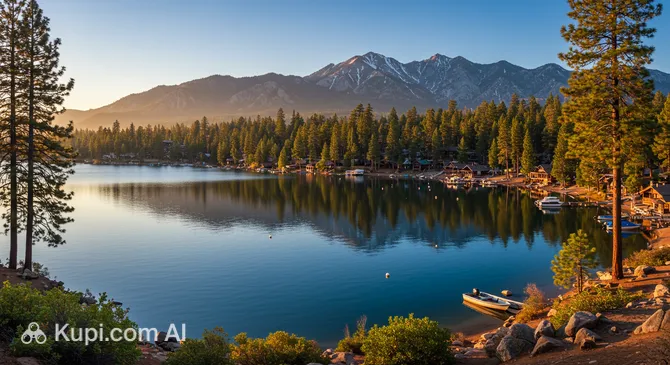
Big Bear Lake. Illustration.
Source: Kupi.com AI

The crown jewel of the town is, of course, Big Bear Lake itself, which in the summer beckons with opportunities for boating, fishing, and kayaking. In winter, the mountain slopes come alive thanks to two popular ski resorts—Snow Summit and Bear Mountain—offering trails of varying difficulty for skiers and snowboarders. No less attractive is the town center, known as The Village, where you can find many shops, restaurants, and entertainment venues.

Surrounding the town, the San Bernardino National Forest offers countless miles of trails for hiking and cycling, allowing visitors to enjoy the beauty of the wilderness. Big Bear Lake is the perfect destination for those seeking a combination of active recreation, tranquility, and magnificent mountain views. Come and discover this amazing corner of California!

You can find more interesting facts on the history of Big Bear Lake page.
Weather Overview

In Big Bear Lake, you will find a climate with distinct seasons, offering comfortable conditions for relaxation at any time of year. Summers here are usually warm and sunny, with average high temperatures in July and August reaching around +31-32°C, while rainfall is minimal. Winters in Big Bear Lake are cool, with average daytime temperatures in January and February staying around +7-8°C, and nighttime temperatures can drop to +1-3°C. During this period, a small amount of precipitation falls, often as snow, which delights winter sports enthusiasts. To learn more about the weather by month, we recommend visiting the Big Bear Lake Climate page.

Average monthly temperature

Average monthly precipitation

Interesting Facts

Beyond its famous ski slopes and picturesque lake, Big Bear Lake hides many curious stories and facts that not all visitors are aware of. Ready to see this mountain town from an unexpected perspective?

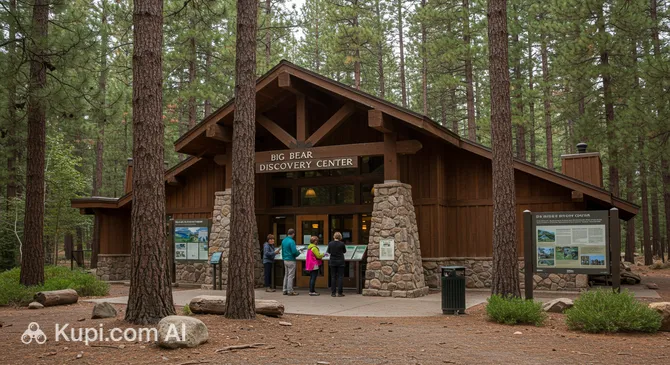
Big Bear Discovery Center. Illustration.
Source: Kupi.com AI

Traveler photos:

  • Originally, the area where the lake now stands was known to the indigenous Serrano people as \"Yuhaviat,\" which roughly translates to \"Pine Place.\" This name perfectly reflected the abundance of coniferous forests that once surrounded the valley.

  • The history of modern Big Bear Lake is closely tied to the Gold Rush era. In the 1860s, gold was discovered in nearby Holcomb Valley, drawing thousands of prospectors to this mountain region and contributing to its early development long before the reservoir itself was created.

  • Thanks to its incredible photogenicity and relative proximity to Hollywood, Big Bear Lake has served as a popular filming location for many decades. Numerous films, especially Westerns and outdoor adventure movies, as well as commercials, have been shot here.

  • Big Bear Lake is an important stop on migration routes and a favorite wintering spot for bald eagles. Every year, these majestic birds of prey fly here, and you can observe them during special excursions or by visiting the Big Bear Discovery Center, which also studies them and works to preserve the population.

  • On Big Bear Lake, on a specially built causeway, sits one of the world's leading solar observatories—the Big Bear Solar Observatory (BBSO). Its unique location in the middle of the lake helps minimize atmospheric distortion, allowing for incredibly clear images of the Sun.

How to Get There

A journey to the high-mountain resort of Big Bear Lake typically begins with a flight to one of the major transportation hubs in Southern California, as the town itself does not have its own airport for commercial flights. After landing, travelers face a picturesque drive along mountain switchbacks. You can find out more about how to get to Big Bear Lake by studying all the available routes and types of transport.

One of the most convenient options for arrival is Ontario International Airport (ONT). While Big Bear Lake itself doesn't have an airport, you can fly into this major hub, which (according to data) is associated with the city of Los Angeles and is located just 67 km from the resort. This is one of the closest options, minimizing ground travel time. A trip by rental car or taxi will take about 2 hours, depending on traffic and mountain weather conditions.

Another excellent alternative is Palm Springs International Airport (PSP). It is located in the city of Palm Springs, approximately 59.4 km from Big Bear Lake. Although it is geographically the closest, the travel time is also around 1 hour and 50 minutes due to the mountain terrain. This is a popular choice for those wanting to combine a mountain trip with a visit to desert resorts.

If you are planning your trip from the Orange County coast, consider John Wayne Airport (SNA), located in Santa Ana. It is further away, approximately 108 km from Big Bear Lake. The journey from here will take longer—roughly 3 hours by taxi or bus—but this airport serves a high volume of flights and may be convenient for your schedule.

For your convenience, here is a summary of the main airports used to reach the resort:

AirportPassenger trafficDistance
Palm Springs International Airport3.2 mln59 km
Ontario International Airport7.1 mln67 km
John Wayne Airport11.7 mln108 km
Long Beach Airport4.1 mln124 km
Hollywood Burbank Airport6.6 mln133 km

Since there is no direct rail service to Big Bear Lake, the primary way to cover the final stretch from any airport remains by car. Tourists often rent vehicles or book transfers to climb the mountains via one of the scenic routes (Highway 18, 330, or 38). In winter, it is essential to account for the mandatory requirement for tire chains in your vehicle.

Main Attractions

Big Bear Lake is not just about picturesque landscapes; it also offers a variety of exciting attractions that will make your vacation unforgettable. The town and its surroundings provide entertainment for every taste, from active fun on the mountain slopes to educational excursions and family adventures. Here are just a few of the key attractions worth including in your itinerary:

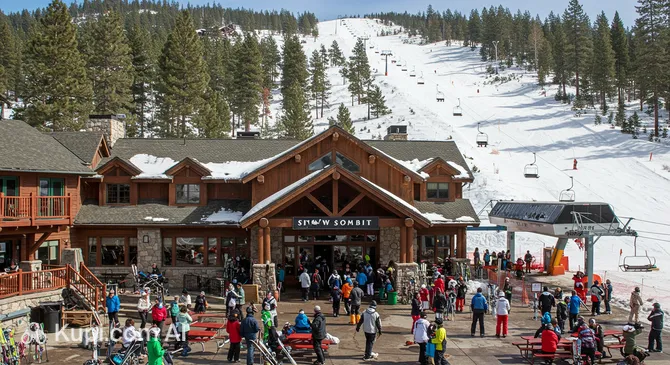
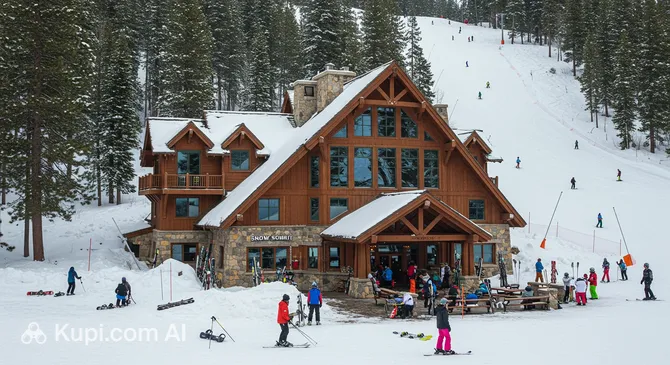
One of the main magnets for tourists, especially during the winter season, is the Snow Summit ski resort. It is famous for its well-groomed runs, suitable for both beginners and experienced skiers and snowboarders. The resort is equally attractive in summer: you can ride the Scenic Sky Chair to the top for breathtaking views or test your skills on the mountain bike trails. This spot is perfect for active family fun year-round.

Snow Summit. Illustration.
Source: Kupi.com AI

Traveler photos:

The second famous ski complex is Big Bear Mountain Resort, often simply referred to as Bear Mountain. While Snow Summit is more focused on traditional skiing, Bear Mountain is a paradise for snowboarders and freestyle enthusiasts. It features numerous terrain parks with various rails and jumps, attracting both professionals and beginners looking to sharpen their skills. In the summer, the resort's territory hosts a golf course.

Big Bear Mountain Resort. Illustration.
Source: Kupi.com AI

Traveler photos:

For those who want to dive deeper into the region's unique nature, the Big Bear Discovery Center is a must-visit. This interactive center offers engaging exhibits about the flora, fauna, and ecology of the San Bernardino Mountains. Here you can get useful information about hiking trails, participate in educational programs, and join guided tours, making it an excellent starting point for exploring the area and an interesting place for families with children.

Big Bear Discovery Center. Illustration.
Source: Kupi.com AI

Traveler photos:

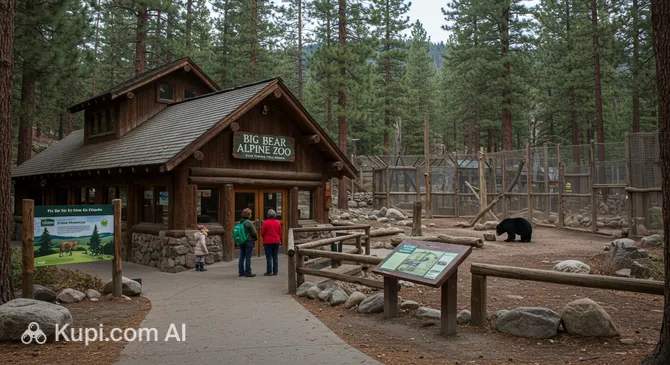
A unique spot that will touch every visitor's heart is the Big Bear Alpine Zoo. This is not just a zoo, but a rehabilitation facility for wild animals that have been injured or, for various reasons, cannot survive in their natural habitat. Here you can see black bears, grizzlies, bobcats, wolves, bald eagles, and many other representatives of the local fauna. Visiting the zoo is not only an interesting pastime but also an opportunity to support important wildlife conservation work.

Big Bear Alpine Zoo. Illustration.
Source: Kupi.com AI

Traveler photos:

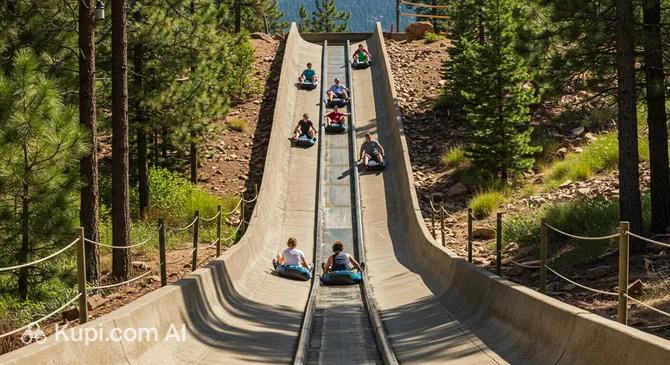
If you are looking for active entertainment and a bit of an adrenaline rush, check out the Alpine Slide at Magic Mountain. This popular attraction offers a thrilling descent on special sleds down winding concrete tracks. In the summer, water slides are also available, and in the winter, you can enjoy snow tubing. It is great fun for the whole family, guaranteed to provide plenty of positive emotions.

Alpine Slide. Illustration.
Source: Kupi.com AI

Traveler photos:

Local Cuisine

The gastronomic scene in Big Bear Lake perfectly complements its mountain resort atmosphere—hearty, warming, and classic American cuisine prevails here. After an active day on the slopes or the lake, local establishments will offer you exactly what you need to recharge. Expect generous portions, a friendly atmosphere, and an emphasis on classic dishes loved by both locals and visitors alike.

Among the dishes you should definitely try in Big Bear Lake are classic American burgers with various toppings, juicy steaks, and, of course, BBQ—from ribs to chicken wings. Many restaurants also offer excellent sandwiches and hearty breakfasts, such as fluffy pancakes or omelets, to fuel your day. Don't be surprised if you find dishes with a Mexican influence on the menu, such as tacos or burritos, as California is famous for its cultural fusion.

As for drinks, Big Bear Lake will delight lovers of craft beer—in the USA, and especially in California, this is a whole culture, and local bars often offer a great selection from regional breweries. In cooler weather, a cup of aromatic coffee or hot chocolate will warm you up. Popular non-alcoholic drinks include classic American lemonade and iced tea. In the evening, you can relax with a glass of wine or a classic cocktail in one of the cozy lounges.

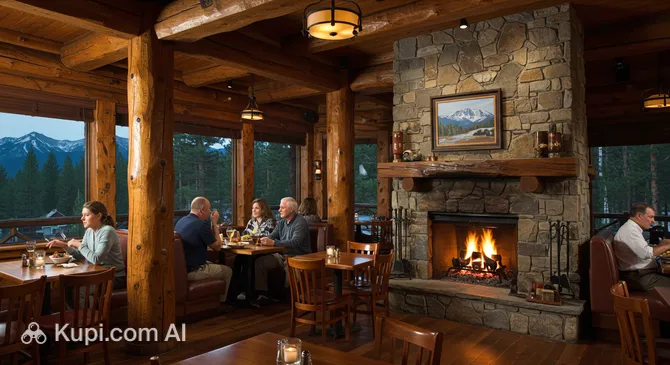
The dining culture in Big Bear Lake is centered around restaurants and cafes, many of which are located in the bustling The Village area. Here you can find places for every taste and budget—from family pizzerias and diners to more refined restaurants with beautiful views. Locals and tourists appreciate the casual setting and quality food. For example, to immerse yourself in a Wild West atmosphere and try classic American dishes, you can stop by Murray's Saloon & Eatery, known for its colorful interior and hearty kitchen.

Murray's Saloon & Eatery. Illustration.
Source: Kupi.com AI

Traveler photos:

Travel Tips

Planning a trip to the charming mountain town of Big Bear Lake? Wonderful! To ensure your journey goes smoothly and leaves only pleasant impressions, we have prepared some practical tips to help you better prepare for your vacation in this picturesque corner of the USA.

  1. Clothing and Essentials: The climate in Big Bear Lake is mountainous, so layering your clothing is your best friend. In the summer, it can be warm during the day (T-shirts, shorts), but evenings are cool, so bring a sweater or light jacket. Don't forget sunscreen, a hat, and comfortable walking shoes. In the winter, warm waterproof clothing, a hat, gloves, and insulated footwear are a must, especially if you plan to ski or snowboard. Comfortable shoes for outdoor activities are useful at any time of year. If you are traveling from outside the USA, don't forget a plug adapter (Type A and B).

  2. Transport: The best way to get around Big Bear Lake and its surroundings is by car. It will give you the freedom to explore scenic spots and reach ski resorts and trailheads. The town has a public transport system called Mountain Transit, but its routes and schedule may be limited. Taxis and services like Uber/Lyft are available, but there may be fewer of them than in big cities. Renting a car is highly recommended. Important in winter: if you rent a car, clarify the availability of all-wheel drive or take tire chains with you, as mountain roads can be snowy or icy.

  3. Finances: The local currency is the US Dollar (USD). Credit and debit cards are widely accepted in most shops, restaurants, and hotels. ATMs can be found in The Village and at bank branches. If you have an international card, notify your bank about your trip. Tipping in the USA is common practice: 15-20% in restaurants, and it is also customary to tip taxi drivers and other service staff. An estimated daily budget (excluding accommodation and major activities) could be $100-200 per person.

  4. Health and Safety: Big Bear Lake has pharmacies, but their hours may be more limited than in large cities. Emergency medical care can be obtained at Bear Valley Community Hospital. Be sure to get travel insurance. The town is considered safe and family-oriented. Follow usual precautions. When hiking, be aware of wildlife (bears, coyotes)—do not leave food unattended and do not approach animals. Take into account the altitude (over 2,000 meters above sea level): drink more water and don't overexert yourself during your first few days.

  5. Communication: The main language is English, and it is spoken everywhere. You can purchase a local SIM card at electronics stores or mobile operators in larger cities along the way, or possibly in some shops within Big Bear Lake itself. Wi-Fi is available in most hotels, cafes, and some public areas. Useful apps might include those for the ski resorts (Snow Summit, Bear Mountain), weather services, and hiking apps (such as AllTrails).

  6. Local Etiquette: Greetings are usually informal—a friendly \"Hello\" or \"Hi\" is enough. Politeness and respect for others are valued in public places. Locals are generally hospitable and used to tourists. The atmosphere in town is relaxed, typical of a resort town.

  7. What to Avoid: It is strictly not recommended to feed wild animals—it is dangerous for both them and you and is often prohibited. Try not to litter and take all your trash with you, especially in nature, to preserve the beauty of these places. In winter, never ignore road condition warnings and requirements for tire chains.

  8. Extra Tip: Big Bear Lake is a popular destination, especially during peak seasons (winter holidays, summer weekends). Therefore, we recommend booking accommodation, lift passes, lessons, or gear rentals in advance. Also, check the local events calendar—the town often hosts festivals, farmers markets, and concerts that can make your vacation even more interesting.

We hope these tips help you plan the perfect trip to Big Bear Lake. We wish you unforgettable experiences and a wonderful vacation in the mountains of California!

Entertainment & Nightlife

When the sun sets behind the San Bernardino Mountains, Big Bear Lake doesn't go completely silent. Although this charming mountain town is better known for its daytime activities, there is plenty for evening entertainment seekers to do. The nightlife in Big Bear Lake has its own cozy, relaxed character, perfect for wrapping up a day full of outdoor adventures.

The main hub for evening and nighttime activity is undoubtedly The Village—the pedestrian-friendly zone in the heart of town. This is where most restaurants, bars, and several venues for after-dinner fun are concentrated. The atmosphere here is usually friendly and casual, with a crowd of both tourists and locals often dressed in casual or sporty resort wear. There is no strict dress code in most places; comfort is key.

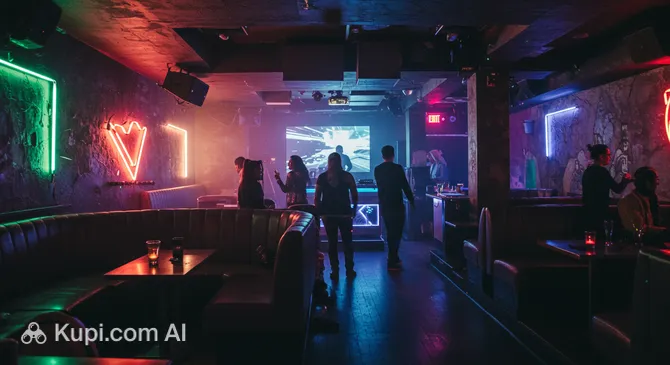
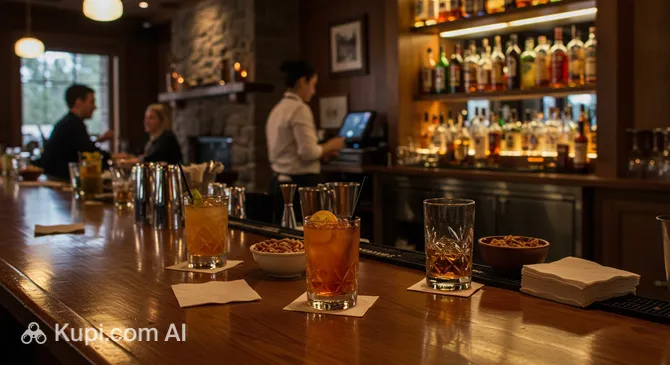
If you are looking for a place to dance and enjoy cocktails in a stylish setting, look no further than 572 Social Kitchen & Lounge. This is one of the few spots in town that could be described as a nightclub, offering modern music and a lively atmosphere, especially on weekends. For a quieter evening with drinks, Sweet Basil Bistro is an excellent choice—a cozy spot to enjoy a glass or two in pleasant company. Also, the previously mentioned Murray's Saloon & Eatery, while a restaurant, often offers live music and the atmosphere of an authentic American saloon in the evening.

572 Social Kitchen & Lounge. Illustration.
Source: Kupi.com AI

Traveler photos:

Practical tips for evening leisure:

  • When to go: The bars and clubs are most lively on Friday and Saturday nights, as well as during peak tourist seasons (winter and summer). Many establishments stay open until midnight or slightly later, but do not expect 24/7 parties like in major cities.
  • Prices: Prices for drinks and snacks in Big Bear Lake bars can be described as average for a resort town in the USA. A cocktail may cost $10-15, and beer $6-9.
  • Nighttime Transport: It is easy to get around on foot within The Village. If your accommodation is further away, you can use taxis or ridesharing apps; however, their availability late at night can be limited, especially in the off-season. It's best to plan this in advance.
  • Safety: Big Bear Lake is considered a very safe town. The Village is well-lit and patrolled. Nevertheless, it is always worth following standard precautions, especially if you are heading back late.
Sweet Basil Bistro. Illustration.
Source: Kupi.com AI

Traveler photos:

As for daytime entertainment, Big Bear Lake offers numerous options. In addition to active recreation on the lake or the ski slopes mentioned earlier, you can visit the Big Bear Discovery Center to learn about the region's nature or the Big Bear Alpine Zoo. For family fun, the Alpine Slide is a great choice. While the town doesn't have large theaters or world-class museums, its charm lies precisely in the combination of nature and a cozy resort atmosphere.

Parks & Museums

Big Bear Lake, in addition to its famous ski resorts and picturesque lake, offers guests many opportunities to get acquainted with the nature and culture of the region. The town prides itself on its well-maintained parks, unique natural zones, and interesting places where you can learn more about its history and ecosystem.

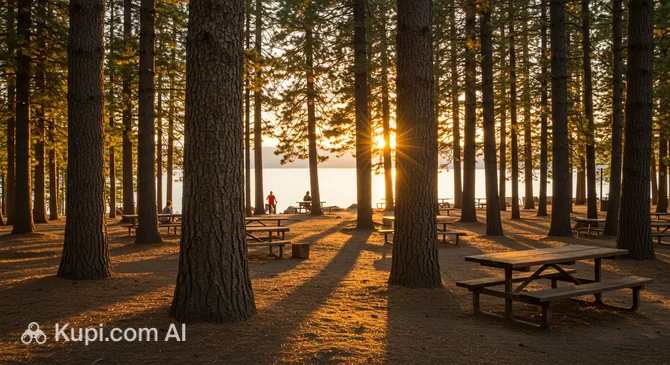
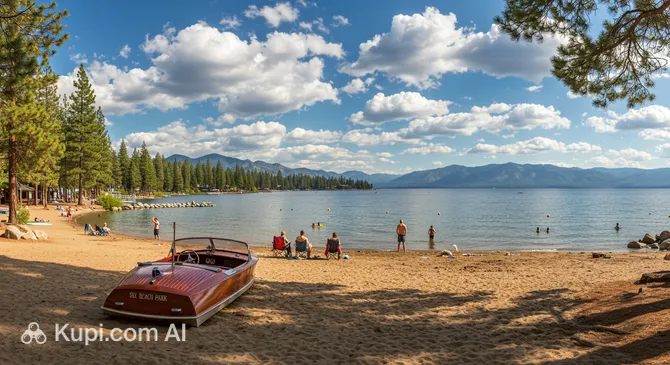
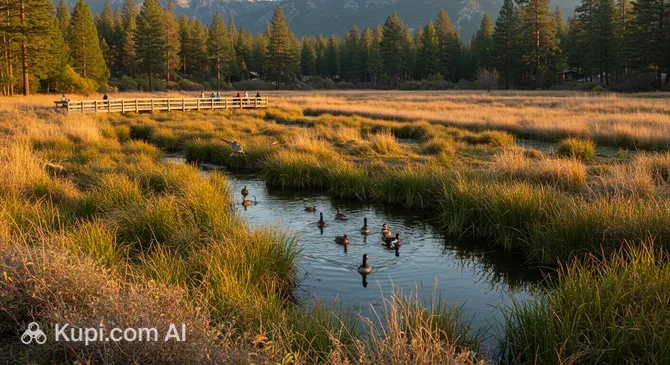
Among the city's green oases, Pine Knot Park stands out, located near the central part of The Village. It is a wonderful place for family recreation with playgrounds, picnic areas, and manicured lawns. Several hiking trails also begin from here. Another popular lakeside spot is Ski Beach Park. As the name suggests, it is located on the shore of the lake and is an excellent point for launching kayaks and boats, as well as for sunbathing and picnicking with a view of the water. Nature lovers and birdwatchers should visit the Stanfield Marsh Wildlife and Waterfowl Preserve. This is a unique ecosystem with wooden boardwalks for walking, offering great opportunities for bird watching and seeing other wetland inhabitants, especially at sunrise or sunset.

Pine Knot Park. Illustration.
Source: Kupi.com AI

Traveler photos:

Ski Beach Park. Illustration.
Source: Kupi.com AI

Traveler photos:

Stanfield Marsh Wildlife and Waterfowl Preserve. Illustration.
Source: Kupi.com AI

Traveler photos:

While Big Bear Lake may not boast major art galleries, its cultural heritage is presented in other interesting formats. A key place for getting to know the nature and history of the region is the Big Bear Discovery Center. Here, visitors will find interactive exhibits dedicated to the flora, fauna, and geology of the San Bernardino Mountains, as well as information on hiking trails and conservation programs. It is an excellent place to start your exploration of the San Bernardino National Forest.

To dive deeper into the town's past, visit the Big Bear Valley Historical Museum. This charming place, often run by volunteers, houses artifacts, photographs, and stories of the first settlers, gold prospectors, and the region's development. The exhibits tell the story of the transformation of a remote mountain valley into a popular resort. Here you can see old tools, household items, and learn about the key events that shaped modern-day Big Bear Lake.

You also cannot overlook the Big Bear Alpine Zoo, which is not just a zoo but an important rehabilitation center for local wildlife. Visiting the zoo provides a unique opportunity to see inhabitants of the California mountains like black bears, grizzlies, bobcats, and bald eagles up close, and to learn about their stories and rescue efforts. This place will especially appeal to families with children and everyone who cares about wildlife.

For an authentic experience, try exploring less well-known hiking trails starting from the outskirts of town—information about them can be obtained at the Big Bear Discovery Center. For a quiet, secluded picnic, look for less crowded sections of the lakeshore outside the main park areas, such as along the north shore, to enjoy the tranquility and beauty of nature.

Getting Around

Getting around Big Bear Lake can be done in several ways; however, keep in mind that this is a small mountain resort, and the public transport system has its own peculiarities. The main operator of public transport in the Big Bear Valley is Mountain Transit. This service provides bus routes connecting key points in the city, including The Village, ski resorts, shopping centers, and some residential areas. During the summer season and on weekends, a special tourist route—the trolley—may also operate, circulating through the most popular spots.

The payment system on Mountain Transit buses is usually quite simple. As a rule, you can pay the fare in cash directly to the driver upon boarding. The cost of a single trip is usually low. Day passes or multi-ride passes may be available; it's best to check for information on the official Mountain Transit website or with the driver. It is important to have small bills and coins with you, as the driver may not have change for large denominations. Buses run on a schedule, which is also available online; the frequency of trips may not be very high, especially on weekdays and during the off-season. Operating hours typically cover daytime and early evening.

Despite the bus service, many tourists prefer other ways of moving around Big Bear Lake for more flexibility. Renting a car is a very popular option, especially if you plan to explore the surroundings, visit remote hiking trails, or get to the ski slopes on your own. In winter, make sure your car is equipped with winter tires or snow chains, as the roads can be snowy. Taxi services and ridesharing apps (such as Uber or Lyft) are available in Big Bear Lake, but their numbers may be limited compared to major cities, and wait times may be longer. In the warmer months, bicycle rentals are popular—it's a great way to explore The Village area and the scenic trails along the lake. The town center itself, The Village, is quite compact and convenient for walking.

Thus, for maximum freedom of movement around Big Bear Lake and its picturesque surroundings, it is recommended to have your own or a rental car. Mountain Transit public transport can be useful for moving between the main points of the city if you are traveling without a car. Always check the current schedule and fares on the official Mountain Transit website before your trip. Plan your movements in advance, especially if you rely on public transport or taxis.

Accommodation

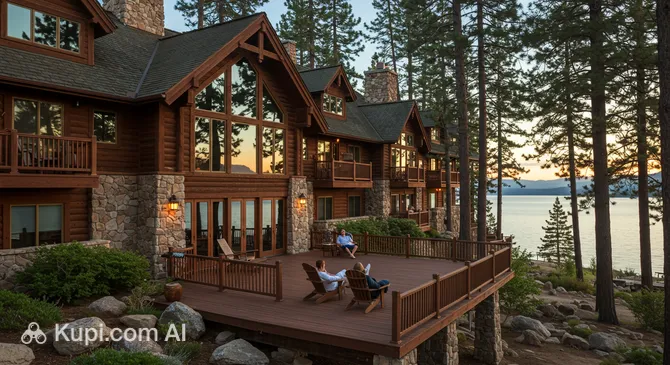
Big Bear Lake offers a diverse range of accommodation options to satisfy every traveler's needs. You will find everything here: from cozy log cabins and traditional mountain lodges to comfortable hotels and spacious rental apartments. The range of lodging varies from budget-friendly options to luxury offerings with magnificent views and a full range of services.

The most popular areas for tourists to stay are around The Village, the central part of town, where shops, restaurants, and entertainment are concentrated. This is an ideal choice for those who value convenience and walkability to everything needed. Accommodations near the Snow Summit and Big Bear Mountain Resort are also in high demand, especially during the winter season, as are lakeside properties for summer vacations.

Among the well-known hotels and resort complexes, options like the Big Bear Lakefront Lodge, offering comfortable rooms and a wide range of services, and The Club at Big Bear Village, located in the heart of the lively district, stand out. These places are often chosen for their convenient location and quality of service.

Big Bear Lake Resort. Illustration.
Source: Kupi.com AI

Traveler photos:

When planning a trip to Big Bear Lake, especially during peak seasons like winter holidays, festive weekends, or the summer months, it is strongly recommended to book accommodation in advance. This will help you not only secure the best value for your money but also avoid disappointment due to lack of availability.

The price range for lodging in Big Bear Lake is quite broad and depends on the type of accommodation, the season, and the level of comfort—from budget options to premium class offerings. You can book accommodation through popular online booking platforms, directly on hotel websites, or through local vacation rental agencies that offer a wide selection of cottages and apartments.

Nearby Cities

For those looking to explore the surrounding areas, Big Bear Lake serves as an excellent starting point for day trips to several interesting nearby locations:

CityPopulationDistance
Big Bear City12 9136 km
Seven Oaks15 5616 km
Lake Arrowhead9 64726 km
Yucaipa54 31226 km
Calimesa10 05330 km

These nearby destinations provide a glimpse into the diverse culture and landscapes of the USA region, complementing your stay in Big Bear Lake.

Shopping & Souvenirs

Shopping in Big Bear Lake is not about chasing global brands, but rather a charming adventure through unique local shops that fit perfectly into the mountain resort atmosphere. You won't find massive shopping malls here, but you will enjoy searching for original souvenirs, quality outdoor gear, and items made by local artisans. The town is famous for its small boutiques, art galleries, and shops offering mountain and nature-themed goods.

The main shopping district, where most of the stores are concentrated, is The Village. This picturesque pedestrian zone in the center of Big Bear Lake offers a pleasant stroll among diverse storefronts. Here you can find clothing stores, sports equipment, gifts, jewelry, and sweets. The atmosphere here is relaxed and friendly, perfect for leisurely shopping.

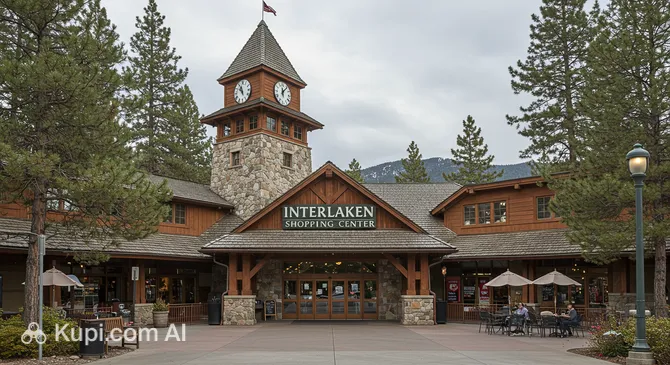
Although Big Bear Lake is not a hub for large shopping complexes, there are a few smaller retail areas. One such place is the Interlaken Shopping Center, where you can find some chain stores, a supermarket, and other useful retail outlets serving both locals and visitors.

Interlaken Shopping Center. Illustration.
Source: Kupi.com AI

Traveler photos:

As for markets, Big Bear Lake doesn't have many large, permanent food or flea markets. However, during the warmer months, especially on weekends or during city festivals, Farmers Markets or Craft Fairs may be organized. At these events, you can purchase fresh local products, unique handmade items, and chat with the producers.

For souvenirs from Big Bear Lake, tourists most often choose items that reflect the local flavor: products featuring bears (the city's symbol), clothing with \"Big Bear Lake\" lettering, and mountain or ski-themed souvenirs. Local delicacies such as honey, jams, or wood and ceramic crafts from local artisans are also popular. In the outdoor gear shops, you can find high-quality clothing and accessories for active recreation.

Shops in Big Bear Lake, particularly in The Village, are usually open daily. Typical business hours are from 10:00 or 11:00 AM to 5:00 or 6:00 PM. On weekends and during peak tourist seasons (winter and summer), some shops may extend their hours. Credit cards (Visa, MasterCard, American Express) are accepted almost everywhere, as are USA cash dollars.

Regarding the Tax-Free system, it is important to know that in the USA, sales tax is added to the cost of most goods and services, and the amount varies depending on the state and specific county (it exists in California). Prices on tags are usually listed without this tax. A standard sales tax refund system for foreign tourists, similar to the European Tax-Free system, does not exist at the federal level in the USA, and in most states, including California, such a refund is not provided for ordinary retail purchases.

Reached the end of the page?

That means the route is fully explored