Support

Yucca Valley

About

Yucca Valley is a charming town nestled in the heart of the California desert, approximately 200 kilometers east of Los Angeles, in the USA. The town sits on a picturesque plateau surrounded by low-lying hills, where a unique atmosphere of desert tranquility and freedom prevails. Its unique location makes Yucca Valley the perfect starting point for exploring the famous Joshua Tree National Park.

With a population of about 21,663 people, Yucca Valley retains the charm of a small town where every corner is infused with an authentic Californian spirit. Here, you won't find the hustle and bustle of a metropolis; instead, there is genuine hospitality and a deep sense of connection with nature. The town is part of San Bernardino County and is rightfully considered the unofficial "gateway" to the Mojave Desert and its protected territories.
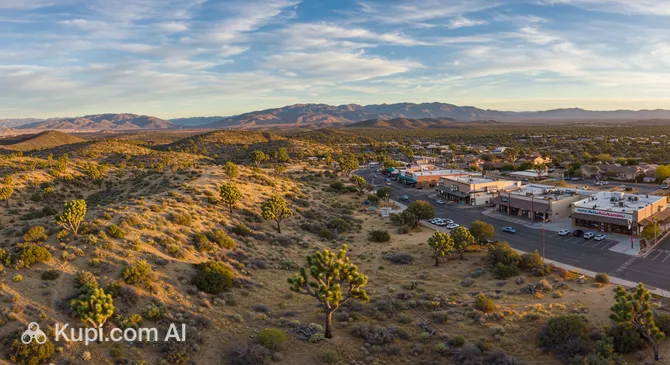
Yucca Valley. Illustration.
Source: Kupi.com AI

Yucca Valley is a place where time seems to slow down. Leisurely walks along scenic trails, horseback riding, and inspiring sunsets are an integral part of the local lifestyle. The town's atmosphere seems specifically designed for creative types, adventure seekers, and anyone dreaming of a reset away from the city noise. In addition to its proximity to Joshua Tree National Park, Yucca Valley attracts tourists as the cultural hub of the desert: here you will find interesting art galleries, antique shops, cozy cafes, and the opportunity to attend open-air festivals.

If you are looking for a unique blend of natural beauty, creative energy, and a relaxing getaway, Yucca Valley is certainly worth your attention. This town offers something special for everyone: from wildlife enthusiasts to art lovers and seekers of unusual gastronomic experiences. Come and discover the magic of the California desert!

You can find more interesting facts on the history of Yucca Valley page.
Weather Overview

The weather in Yucca Valley is characterized as desert-like, with large daily and seasonal temperature fluctuations. Summer here is very hot and dry: the average temperature in July reaches 29.4°C (with maximum values up to 36.5°C), and precipitation from April to November is practically non-existent (0 mm). Winters in Yucca Valley are cool, with average temperatures around 9.3°C - 9.6°C (for example, in January and December) and minimums sometimes dropping to 3-4°C. A small amount of precipitation, about 1 mm per month, falls mainly in winter and early spring, while the number of rainy days is small.

When planning your trip, expect a hot and arid summer in Yucca Valley with temperatures often exceeding 30-35°C, and cool, mostly dry winters with average temperatures around 9°C and rare precipitation. You can find more detailed information on weather conditions and the forecast for the near future on the Yucca Valley Climate page.

Average monthly temperature

Average monthly precipitation

Interesting Facts

Beyond its well-known desert landscapes and proximity to famous natural parks, Yucca Valley holds many surprising stories and little-known features. This California desert town can surprise even a seasoned traveler. Here are a few interesting facts about it:

  • Yucca Valley is home to the unique Desert Christ Park—an unusual open-air sculpture park where dozens of concrete figures depicting biblical stories are placed among cacti and yuccas. This place is not only conducive to reflection but also serves as an excellent location for atmospheric photography.

  • The town is known for its Sky Village Outdoor Marketplace. This is a true paradise for vintage lovers, collectors, and those looking for unusual souvenirs. At the market, you can often meet local artists, musicians, and artisans, which adds a special flavor and authenticity to it.

  • Thanks to its surreal landscapes and bright desert light, Yucca Valley frequently becomes a filming location for movies and music videos. Over the years, famous artists and photographers have come here, drawing inspiration from the unique atmosphere of the town and its surroundings.

  • Local residents proudly and lovingly maintain Wild West traditions. The town periodically hosts themed festivals, and at Knob Hill Ranch, anyone can feel like a real cowboy by learning how to ride a horse.

How to Get There

When planning a trip to the California desert, it's important to think through the logistics in advance, as Yucca Valley is a small town where a car is the primary means of transportation. You can find out more details on how to get to Yucca Valley by reviewing the detailed information below. The nearest transport hubs are in neighboring cities, from where you will need to travel to your destination by road.

The most convenient option for air travelers is Palm Springs International Airport (IATA: PSP). It is located in the city of Palm Springs, just 32.5 km from Yucca Valley. This is the nearest airport, accepting flights from many major cities in North America. A taxi or rental car trip from here will take about 40–50 minutes. Although the airport is not the largest in terms of passenger traffic, its proximity makes it an ideal choice for tourists wanting to save time on the road.

Another popular option is Ontario International Airport (IATA: ONT), located in the Greater Los Angeles region, about 108 km from Yucca Valley. This is a larger transport hub with a higher number of flights. The drive from here to the town will take about 1.5–2 hours depending on traffic. Tourists also often use San Diego or Orange County airports if they are planning a large trip through Southern California.

For convenience, here is a summary of the main airports:

AirportPassenger trafficDistance
Palm Springs International Airport3.2 mln32 km
Ontario International Airport7.1 mln108 km
John Wayne Airport11.7 mln141 km
Long Beach Airport4.1 mln162 km
San Diego International Airport25.2 mln169 km

Regarding rail connections, there is no train station in Yucca Valley itself. The nearest Amtrak station is in Palm Springs (Palm Springs North station); however, it is not frequently served and is located far from the city infrastructure. Travelers who prefer trains usually find it more convenient to reach major transport hubs in Los Angeles or San Bernardino and then transfer to an intercity bus or rent a car.

The main way to get to the town is by road. Yucca Valley is crossed by CA-62 (Twentynine Palms Highway), which connects the town with Interstate 10 to the south. Traveling by car offers picturesque desert views and allows for flexible itinerary planning, which is particularly important in this region with limited public transport.

Main Attractions

Yucca Valley, nestled in California's Mojave Desert, not only serves as a base for exploring the famous Joshua Tree National Park but also hides several interesting spots of its own that can surprise and charm travelers. Here are some of the attractions worth visiting in this town:

Pioneertown is a true journey through time and onto the set of a classic western. Built in the 1940s by Hollywood investors, this town was originally created as a film set for movies about the Wild West, but it was also a real settlement. Today, tourists can stroll down its main street, Mane Street, see authentic facades of saloons, banks, and shops, and sometimes even catch staged gunfights or musical performances. Pioneertown attracts fans of cinema, history, and anyone wanting to experience the unique atmosphere of the American frontier.

For those interested in the region's unique nature, the Hi-Desert Nature Museum is a must-visit. The museum offers fascinating exhibits dedicated to the flora, fauna, geology, and archaeology of the Mojave Desert. Visitors can learn about how plants and animals survive in harsh conditions, get acquainted with the history of Native American tribes, and see artifacts found in the area. It is an excellent place for an educational and enlightening family outing.

Desert Christ Park is an unusual and memorable site, essentially an open-air museum. Located on the hills overlooking Yucca Valley, it features over 30 large white statues depicting biblical scenes from the life of Jesus Christ. The park was created by sculptor Antone Martin in the mid-20th century as a symbol of peace and faith. Beyond its spiritual component, the location attracts visitors with its panoramic views and opportunities for quiet walks and reflection.

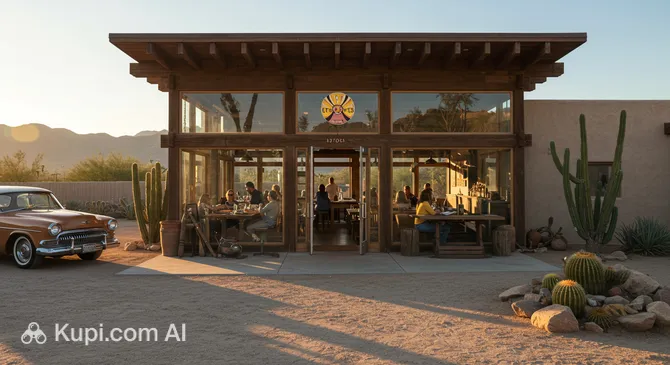
After a busy day of exploration and new impressions, it’s nice to relax in a cozy setting. C & S Coffee Shop is a popular establishment among both locals and tourists. Here you can enjoy a cup of aromatic coffee, pick something from the fresh pastries, or order a full meal. It’s a wonderful place to catch your breath, share impressions with fellow travelers, and perhaps plan your next discoveries in Yucca Valley or its surroundings.

C & S Coffee Shop. Illustration.
Source: Kupi.com AI

Traveler photos:

Local Cuisine

Yucca Valley's culinary scene is a vibrant kaleidoscope of flavors where Californian cuisine with fresh ingredients, piquant Mexican motifs, and hearty American classics harmoniously intertwine. Every gourmet will find something here, whether it's a substantial lunch or a light snack.

Among the dishes definitely worth trying in Yucca Valley are juicy burgers and authentic tacos prepared according to local recipes. Grilled dishes and flavorful barbecue are also particularly popular. For plant-based diners, there is a wide selection of vegetarian dishes that often use desert gifts—for example, yucca or agave—adding an exotic note to familiar flavors.

For lovers of craft beverages, Yucca Valley offers products from local breweries. Don't miss the chance to experience signature spirits from the Joshua Tree Distilling Company—it's not only a unique taste experience but also a great souvenir. For non-alcoholic options, you can always choose aromatic coffee, various teas, or refreshing drinks.

The dining culture in Yucca Valley is diverse. Locals and tourists love spending time in cozy cafes and restaurants. For instance, you can stop by C & S Coffee Shop to enjoy a cup of coffee and the local atmosphere. Additionally, the town is famous for its food trucks offering quick and delicious street food, as well as farmers' markets where you can buy fresh vegetables, fruits, homemade sauces, and pastries. In the warmer months, Yucca Valley often hosts gastronomic festivals and open-air picnics that bring together lovers of good food.

Travel Tips

Welcome to Yucca Valley! To make your trip to this unique corner of California go smoothly and leave only pleasant impressions, we have prepared some practical tips.

  1. What to bring: Given Yucca Valley's desert climate, choose lightweight, breathable clothing made from natural fabrics. It can be very hot during the day, especially in summer, so don't forget high-SPF sunscreen, a hat, and sunglasses. Evenings in the desert can be cool, so a light jacket or sweater will come in handy. Comfortable shoes are an absolute necessity, especially if you plan on hiking or visiting Joshua Tree National Park. Don't forget an adapter for American outlets (Type A and B).
  2. Getting around town: The best way to explore Yucca Valley and its scenic surroundings is by renting a car. This will give you the freedom of movement and allow you to easily reach Joshua Tree National Park and other interesting spots. Public transport in the town is poorly developed. Taxi services and popular ride-sharing apps (such as Uber or Lyft) are available, but wait times may be longer than in large metropolises.
  3. Finances and expenses: The official currency is the US Dollar (USD). Credit and debit cards (Visa, Mastercard, American Express) are accepted almost everywhere. ATMs are easy to find in the town. It is recommended to exchange currency before arriving in Yucca Valley or at banks in larger cities. Tipping in the USA is an important part of the service culture: in restaurants and cafes, it is customary to leave 15-20% of the bill, and it is also customary to tip taxi drivers and hotel staff.
  4. Health and safety: Pharmacies are available in Yucca Valley, but not all of them may operate 24/7. In case of a medical emergency, call 911. Yucca Valley is generally considered safe for tourists. The main precautions are related to the desert climate: always carry a sufficient supply of drinking water, especially during active outdoor recreation, use sun protection, and be wary of wild animals.
  5. Language and connectivity: The main language of communication is English. Most locals and service staff speak English. Free Wi-Fi is fairly common in hotels, cafes, and some public places. You can purchase a local SIM card for mobile internet and calls at supermarkets or specialized cell phone stores.
  6. Local etiquette: Residents of Yucca Valley, like Americans in general, are usually friendly and open to communication. Standard greetings are "Hello" or "Hi." In public places, it is customary to follow standard norms of behavior and respect personal space. When visiting natural areas like Joshua Tree National Park, show respect for nature: do not leave trash, do not stray from marked trails, and do not disturb wild animals.
  7. What to avoid: It is categorically not recommended to underestimate the harsh conditions of the desert. Do not go on long hikes without a sufficient supply of water, food, sun protection, and appropriate equipment. Also, avoid feeding wild animals—it can be dangerous for both them and you, and it disrupts natural ecosystems.
  8. A special tip from us: Yucca Valley and the adjacent Joshua Tree National Park are famous for their incredibly dark night sky, making it an ideal place for stargazing. If possible, bring binoculars or just find a secluded spot away from city lights after sunset to enjoy the stunning sight of the Milky Way and myriads of stars.

We hope these tips help you better prepare for your trip and get the most enjoyment out of your stay in the unique atmosphere of Yucca Valley and its natural beauty!

Entertainment & Nightlife

Yucca Valley, located in the California desert near the famous Joshua Tree National Park, offers its own unique, more relaxed, and atmospheric version of evening leisure. While you won't find loud metropolitan clubs here, the town will delight you with cozy spots where you can enjoy a pleasant evening and feel the spirit of a desert town.

The core of evening life in Yucca Valley consists of local bars, pubs, and restaurants, many of which offer not only good food and drinks but also live music or themed nights. Most of these establishments are concentrated along the town's main artery, Twentynine Palms Highway. Here you can find places with craft beer and original cocktails, as well as restaurants serving local and international cuisine in a relaxed setting. The atmosphere is generally very friendly and laid-back, attracting both locals and tourists exploring the area.

Among the places where you can spend a pleasant evening, C & S Coffee Shop is worth noting. This place is known not only for its coffee but also as a cozy restaurant where you can have dinner in good company. Such establishments often become centers of attraction for those seeking a quiet rest after an eventful day.

The atmosphere in Yucca Valley in the evening is predominantly casual and relaxed. There is no dress code in most places, and a comfortable style is encouraged. Establishments are usually open until late in the evening, but do not expect them to stay open until dawn like in major cities. The crowd here is a mix of locals and travelers from all over the world, drawn by the beauty of the Mojave Desert.

When planning an evening out, it's best to aim for the time after sunset, when the daytime heat subsides. For getting around the town after dark, it is recommended to use a car or pre-order a taxi or ride-sharing service, as public transport may have a limited schedule. Average prices in bars and restaurants are typical for a small California town.

In terms of safety, Yucca Valley is considered quite a peaceful place. Nevertheless, it is always worth taking standard precautions: avoid poorly lit and deserted streets late at night. Calling a taxi or a car via an app is usually not difficult, especially in the central part of town.

While the focus of this story is on evening entertainment, it’s worth mentioning that during the day Yucca Valley and its surroundings offer plenty of interesting things. The main attraction, of course, is Joshua Tree National Park with its fantastic landscapes. The town also has interesting art galleries, vintage shops, and workshops of local artisans. After an active day of exploration, an evening rest in one of Yucca Valley's cozy establishments will be the perfect conclusion.

Parks & Museums

Yucca Valley offers its guests not only breathtaking desert landscapes but also pleasant green oases for relaxation, as well as unique cultural spots that reflect the distinctive spirit of this region. The town serves as a convenient base for exploring the surroundings, which are rich in both natural and man-made wonders.

For those seeking connection with nature without long drives, the Pioneertown Mountains Preserve is a true find. It features scenic trails that wind through hills and canyons, allowing you to enjoy magnificent views and get to know the local flora and fauna. In the town itself, Yucca Valley Community Park offers excellent conditions for family leisure, with playgrounds, picnic areas, and sports facilities. Of course, one cannot forget the proximity to the famous Joshua Tree National Park, which is easily accessible from Yucca Valley to see its surreal landscapes.

The cultural program in Yucca Valley is also diverse. To get a closer look at the unique ecosystem of the Mojave Desert, you can visit the Hi-Desert Nature Museum. Art lovers will appreciate the small local art galleries, where works by artists inspired by the harsh beauty of desert landscapes are exhibited. Among the iconic places with historical flavor, Pioneertown stands out—a living western film set where you can feel the atmosphere of the Wild West. And for those looking for unusual experiences, Desert Christ Park offers food for thought with its large-scale sculptures on biblical themes under the open sky.

To deeper sense the local atmosphere and relax after an eventful day, take a stroll through the town. Stop by one of the craft shops where you can find original handmade souvenirs. And if you feel like having a coffee and a snack in a cozy setting, look for establishments such as, for example, C & S Coffee Shop.

Getting Around

When planning your movement around Yucca Valley, keep in mind that it is a relatively small town, and the public transport system here has its own characteristics. The main form of public transport serving Yucca Valley and the surrounding area is buses.

A key role in passenger transport is played by the Morongo Basin Transit Authority (MBTA). MBTA buses connect Yucca Valley with other settlements in the Morongo Basin. The route network is not very extensive but allows you to reach the main points of the town and neighboring areas. In Yucca Valley, you won't find subways, trams, or trolleybuses; the bus is the primary and essentially only form of regular public transport.

The fare payment system on MBTA buses is generally simple. Payment is usually made in cash directly to the driver upon boarding. It is recommended to have the exact amount, as the driver may not have change. Information regarding current fares, possible passes (if available), and schedules is best checked on the official MBTA website or on information boards at stops. Also, it is worth checking the official MBTA website for available mobile apps for buying tickets, such as Token Transit.

Tourists planning to use buses should pay attention to their operating hours. Often in small towns, buses run less frequently than in metropolises, especially in the evening and on weekends. Therefore, always check the current schedule in advance to plan your trips. Ticket validation occurs at the time of payment upon boarding.

As an alternative to public transport, taxis and ride-hailing services via apps (such as Uber or Lyft) are available in Yucca Valley, although their availability may be lower than in large cities. For more flexible movement, especially if you plan to explore the surroundings, including Joshua Tree National Park, renting a car is highly recommended. This will give you maximum freedom and comfort. Bicycle rental can also be an option for short trips around town, but consider the climate conditions, especially during the hot time of year.

Accommodation

In the town of Yucca Valley, travelers can find a variety of accommodation options suitable for any budget and travel style. The range of offerings includes affordable motels, comfortable mid-range hotels, as well as many private home and apartment rental options, which are especially popular among those seeking privacy or traveling in a large group. Many of these homes offer a unique experience of living in a desert setting with beautiful views.

When choosing a place to stay in Yucca Valley, it's worth considering proximity to main thoroughfares, such as Twentynine Palms Highway, for easy access to shops, restaurants, and the entrances to Joshua Tree National Park, which is the main attraction in the region. Some tourists prefer staying in more remote areas to fully enjoy the silence and the starry desert sky.

The price range for housing in Yucca Valley varies from budget options to luxury offers, especially when it comes to renting designer homes. To guarantee the best option, especially during peak season (spring and autumn) or during local festivals, it is recommended to book accommodation in advance. The most common booking methods are popular online platforms and aggregators, as well as contacting hotels or rental property owners directly.

Nearby Cities

For those looking to explore the surrounding area, Yucca Valley serves as an excellent starting point for day trips to several interesting nearby locations:

CityPopulationDistance
Desert Hot Springs31 98818 km
Palm Springs44 79933 km
Twentynine Palms27 17635 km
Cathedral City51 83637 km
Big Bear City12 91341 km

Each of these cities offers something unique. For example, Indio, known as the "City of Festivals," attracts visitors with world-famous musical events like Coachella and Stagecoach, and is also an important agricultural center for the Coachella Valley. It’s a great place to dive into a lively atmosphere and enjoy cultural events.

Hemet, located a bit further away, offers opportunities for outdoor recreation. The city is surrounded by picturesque landscapes and is the gateway to Diamond Valley Lake, a popular spot for fishing, boating, and hiking. It also hosts "Ramona," California's oldest outdoor pageant play, annually.

The closest to Yucca Valley on this list, Cathedral City, is part of the Palm Springs metropolitan area and offers a variety of entertainment, from golf courses and resorts to art galleries and restaurants. The city boasts a developing art scene and is a convenient base for exploring the desert resort towns of the region.

These nearby destinations provide insight into the diverse culture and landscapes of the region.

Shopping & Souvenirs

Shopping in Yucca Valley offers unique finds and local flavor rather than large shopping malls. The town is known for its independent stores, art galleries, and boutiques that reflect the desert spirit of California. Here you can find interesting decor items, boho-style clothing, and vintage goods.

The town's main shopping artery is Twentynine Palms Highway (CA-62), along which most shops are concentrated, from souvenir stalls to small specialized retail outlets. It is also worth checking out the Old Town Yucca Valley area, where you can find antique shops and galleries of local artists offering unique handmade products.

There are no large shopping malls typical of big cities in Yucca Valley. Shopping here is more intimate and focused on finding original items. For a wider selection of chain stores and brands, you may need to travel to larger nearby settlements.

In Yucca Valley, farmers' markets or craft fairs may periodically take place, where local producers and artisans present their products. This is an excellent opportunity to purchase fresh produce, handmade items, and chat with locals. It's best to check for information on such events in advance, as they may be seasonal.

As souvenirs from Yucca Valley, consider items related to the Mojave Desert and Joshua Tree National Park: these could be artworks by local authors, ceramics, jewelry with semi-precious stones found in the region, as well as themed T-shirts, magnets, and postcards. Vintage finds and decor items in the style of the American West are also popular.

Shops in Yucca Valley usually operate on a standard American schedule, roughly from 10:00 AM to 6:00 PM or 7:00 PM. Some small shops may have their own hours and close earlier or be closed on Sundays. Credit and debit cards are widely accepted for payment. Cash is also useful, especially at small markets or in antique shops.

In the USA, including California, a sales tax is applied to purchases and added to the price of the item at the checkout. There is no nationwide Tax Free refund system for tourists similar to the European one when leaving the country for most goods. Some exceptions exist for goods exported in large volumes, but for typical tourist purchases, this generally does not apply.

Reached the end of the page?

That means the route is fully explored